



Federal Reserve's Strategic Pause Signals Calculated Economic Stability
- Monetary Policy Roadmap Offers Predictability for Cross-Border Financial Strategies





















Overview
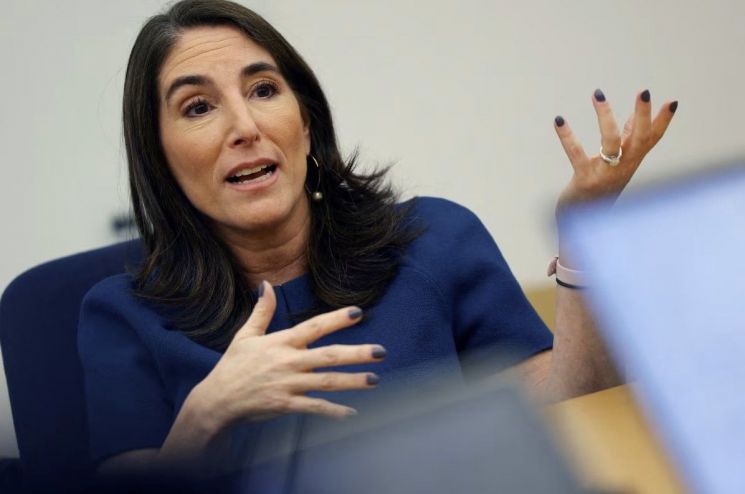
The Federal Reserve's current monetary policy stance represents a pivotal moment of strategic restraint, signaling a nuanced approach to economic management that prioritizes data-driven decision-making over reactive interventions. Beth Hammack's recent commentary from the Cleveland Fed reveals a critical inflection point where monetary policy is being carefully calibrated to balance inflationary pressures and economic growth potential.
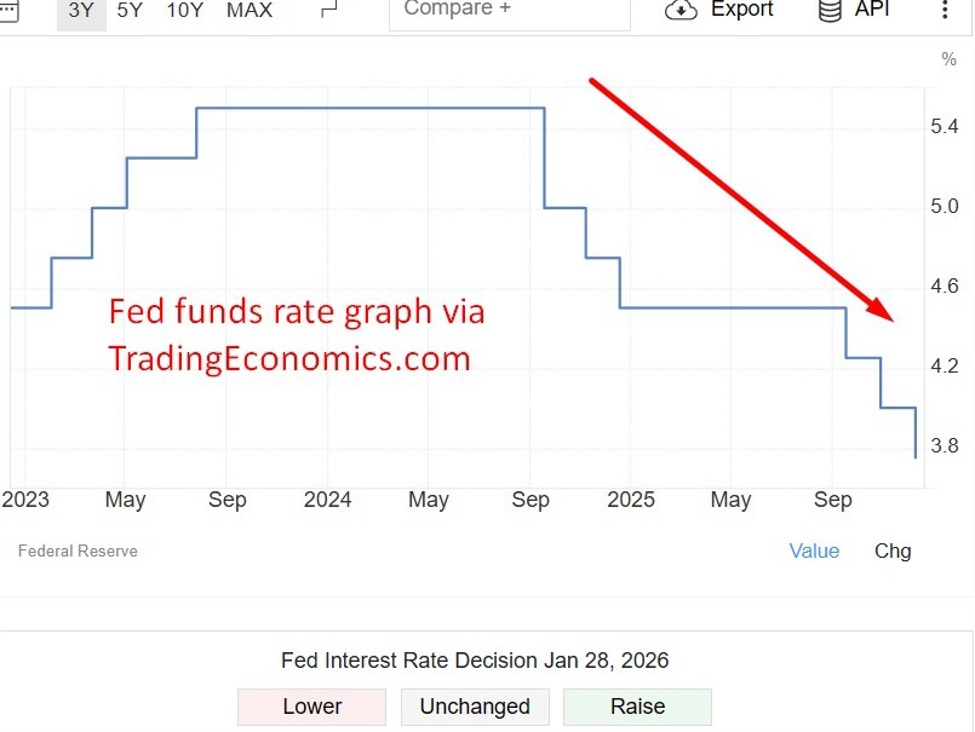
Key monetary indicators suggest the Fed is adopting a measured "wait-and-see" approach, having already implemented 75 basis points of rate cuts in the first quarter. This strategic pause is contingent on two primary triggers: inflation returning to target levels or significant employment market deterioration. For financial strategists and cross-border businesses, this approach translates into a rare moment of predictability in an otherwise volatile economic landscape.
The implications for international financial planning are profound. Borrowing costs are expected to remain relatively consistent, providing a stable environment for cross-border e-commerce sellers and multinational enterprises to make long-term investment decisions. By maintaining current rates, the Federal Reserve is essentially creating a controlled economic ecosystem that allows businesses to plan with greater confidence.
This deliberate strategy reflects a deeper understanding of economic complexity. Rather than making hasty interventions, the central bank is signaling a commitment to comprehensive economic monitoring. The approach suggests that monetary policy is now more of a precision instrument than a blunt tool—carefully adjusted based on granular economic data rather than broad-stroke assumptions.
For financial leaders and strategic planners, the message is clear: prepare for a period of strategic stability. The Fed's current stance indicates a preference for incremental, evidence-based adjustments over dramatic policy shifts. Businesses should view this as an opportunity to strengthen financial infrastructure, optimize cross-border payment strategies, and build resilience into their international financial frameworks.
Questions 3
How should financial leaders interpret the Fed's current strategic approach?
Financial leaders should view the Fed's current stance as an opportunity for strategic stability. The approach signals a precision-driven monetary policy that prioritizes evidence-based decisions over reactive interventions, recommending businesses build resilient financial infrastructures.
What does the Federal Reserve's current monetary policy mean for cross-border businesses?
The Fed's pause in rate cuts suggests a stable borrowing environment, providing cross-border businesses with predictable financial conditions. This allows for more confident long-term planning, with consistent borrowing costs and a measured approach to monetary adjustments.