


The $22.5 Billion AI Infrastructure Gambit: SoftBank's High-Stakes Bet on OpenAI's Future
- Masayoshi Son's bold pivot reshapes tech investment landscape toward AI infrastructure





Overview
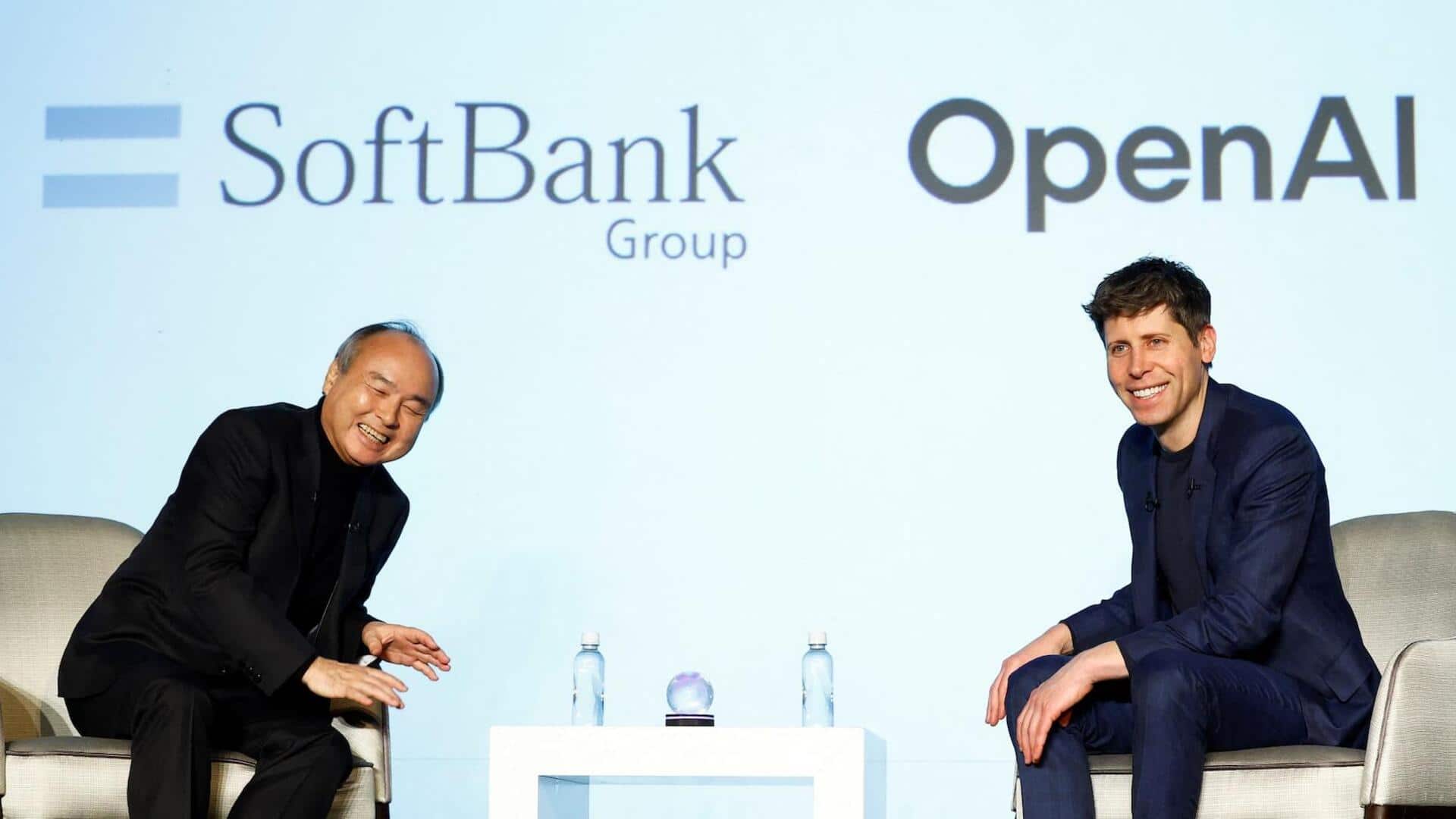
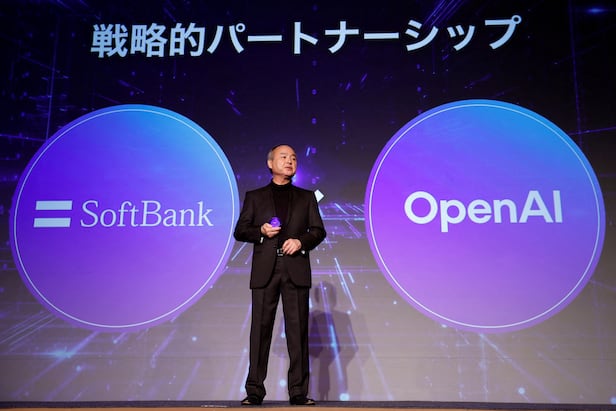
SoftBank is executing a radical transformation of its investment strategy, positioning itself at the epicenter of the AI infrastructure revolution through an unprecedented $22.5 billion commitment to OpenAI. This isn't just an investment—it's a strategic realignment that signals the dawn of a new technological era.
The financial engineering behind this move is remarkably complex. SoftBank has already liquidated its entire $5.8 billion Nvidia stake and $4.8 billion T-Mobile holdings, demonstrating CEO Masayoshi Son's laser-focused approach to AI opportunities. The funding strategy reveals a multi-dimensional chess game: utilizing undrawn margin loans against Arm Holdings, leveraging $27.2 billion in cash reserves, and potentially monetizing stakes in companies like Didi Global.
The infrastructure race is intensifying at an unprecedented scale. OpenAI's ambitious goal of developing 30 gigawatts of computing capacity—with a staggering target of adding 1 gigawatt weekly—underscores the massive capital requirements of next-generation AI. Each gigawatt demands approximately $40 billion in investment, highlighting why strategic partnerships like SoftBank's are critical.
This investment comes at a pivotal moment, with OpenAI's valuation potentially surging from $300 billion to $900 billion. The Stargate project, a joint venture with Oracle, represents more than capital—it's a strategic positioning in the global AI infrastructure ecosystem. SoftBank is not merely investing; it's constructing a technological platform that could define the next decade of computational capabilities.
The broader implications are profound. Tech giants are committing unprecedented capital to AI infrastructure, raising concerns about potential overinvestment and an emerging 'AI bubble'. Yet SoftBank's move suggests a deeper conviction: that AI infrastructure will be the foundational layer of future technological innovation, demanding massive, coordinated investment.
Questions 3
How is SoftBank funding this massive investment?
SoftBank is using a multi-pronged approach: selling stakes in Nvidia and T-Mobile, leveraging over $11.5 billion in margin loans backed by Arm Holdings, utilizing $27.2 billion in cash reserves, and potentially monetizing stakes in companies like Didi Global. They're also planning a PayPay IPO to generate additional capital.
What are the risks of such a large AI infrastructure investment?
The primary risks include potential overinvestment in AI infrastructure and the emergence of an 'AI bubble'. Each gigawatt of computational capacity requires around $40 billion, and there's uncertainty about the long-term returns. However, SoftBank's strategy suggests they believe the transformative potential of AI outweighs these risks.