


Bourbon's Bitter Brew: How Trade Tensions and Inventory Challenges Are Reshaping American Spirits Production
- Distillery Pause Signals Deeper Structural Shifts in Global Alcohol Manufacturing







Overview
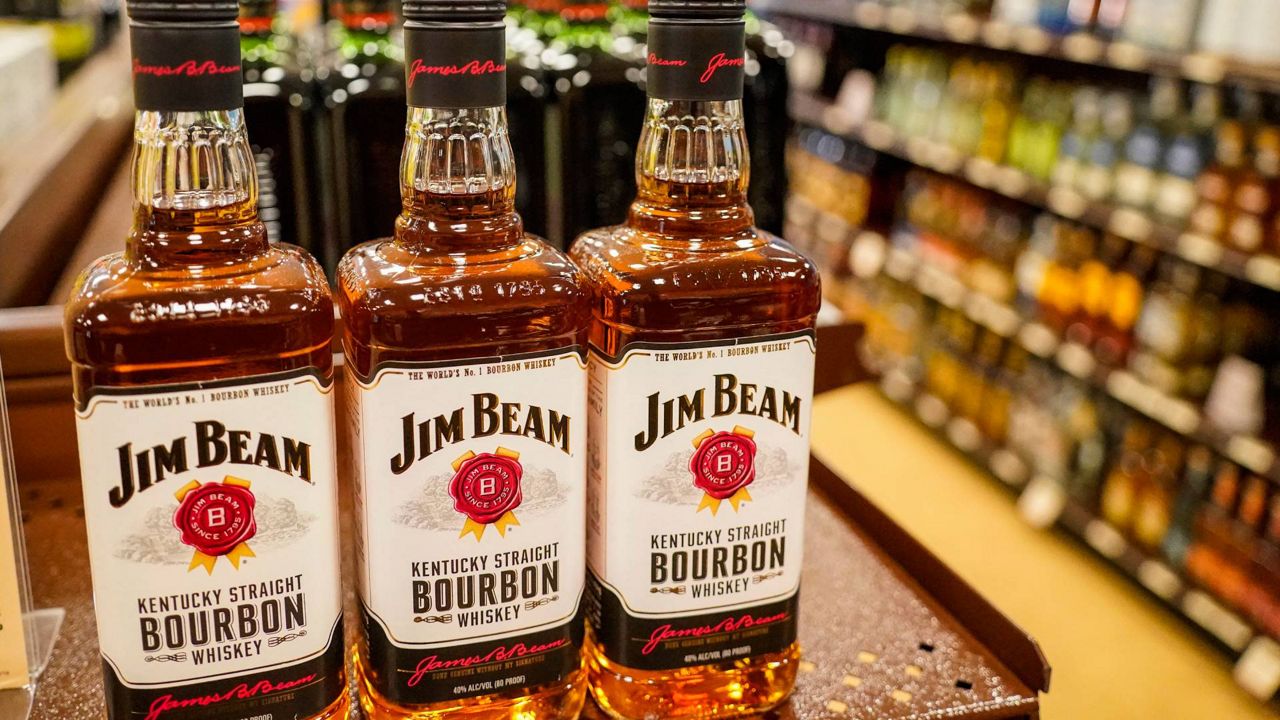
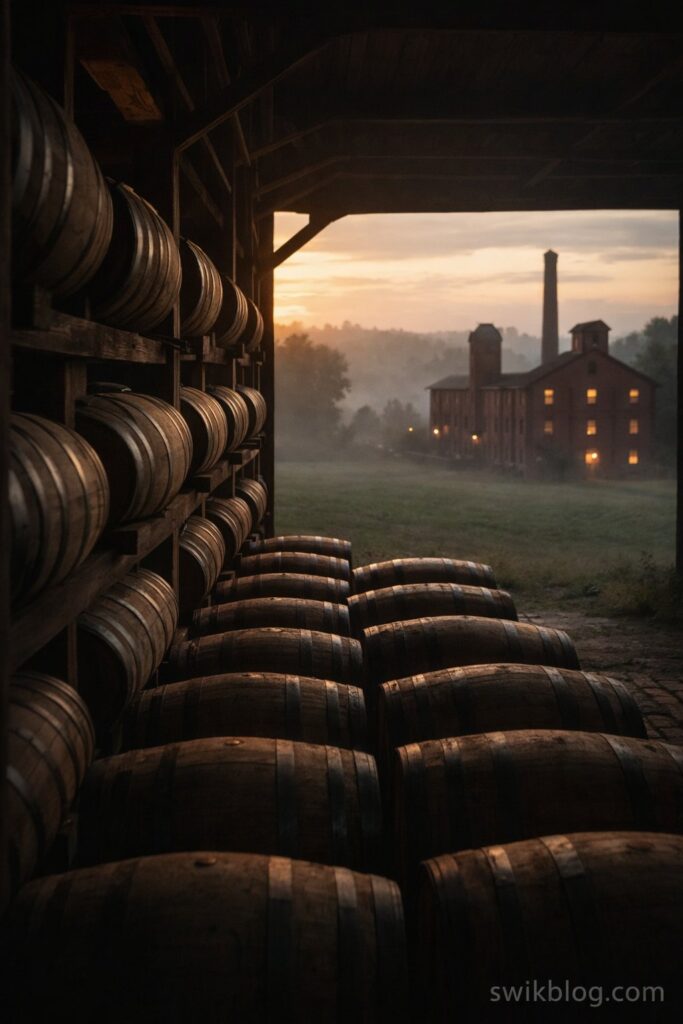
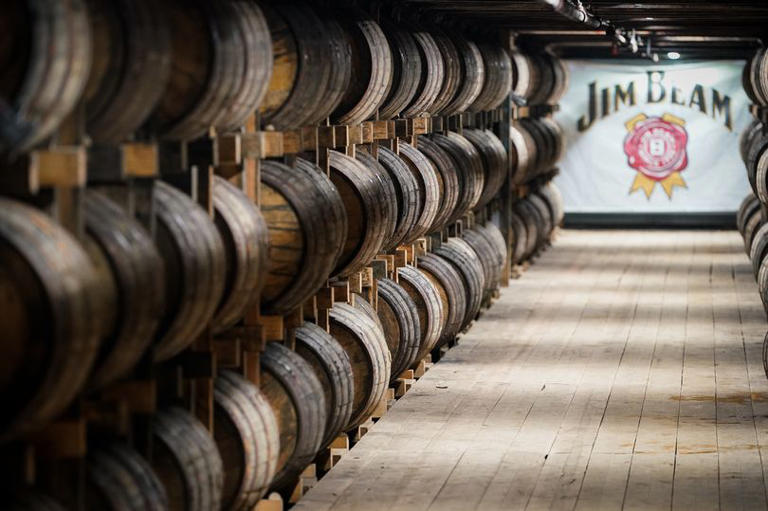
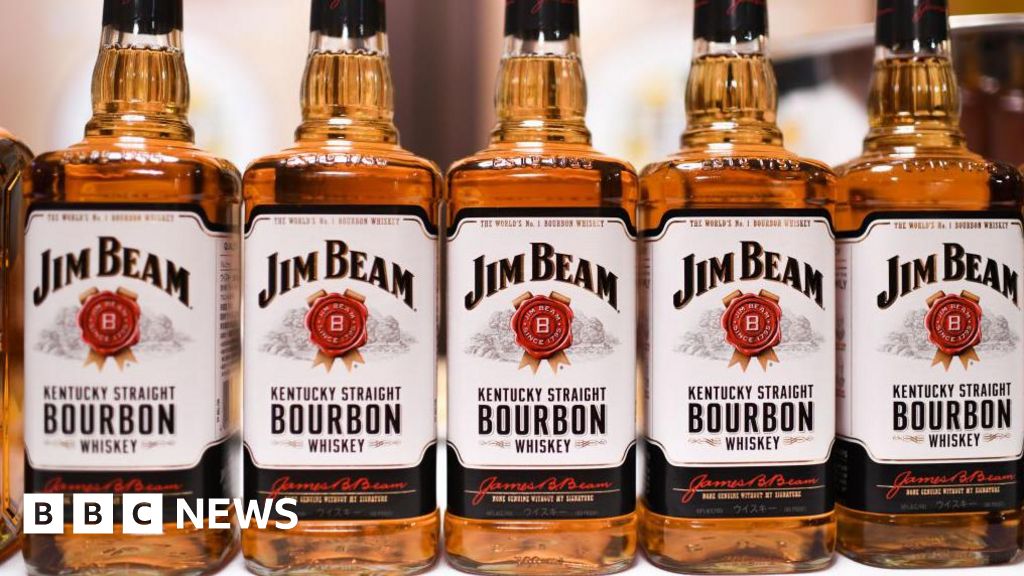
The bourbon industry stands at a critical inflection point, with Jim Beam's production pause revealing profound structural challenges that extend far beyond a single distillery's operational decision. At the heart of this strategic recalibration lies an unprecedented inventory landscape: Kentucky now holds 16.1 million aging barrels of bourbon, creating a complex economic pressure cooker for manufacturers.
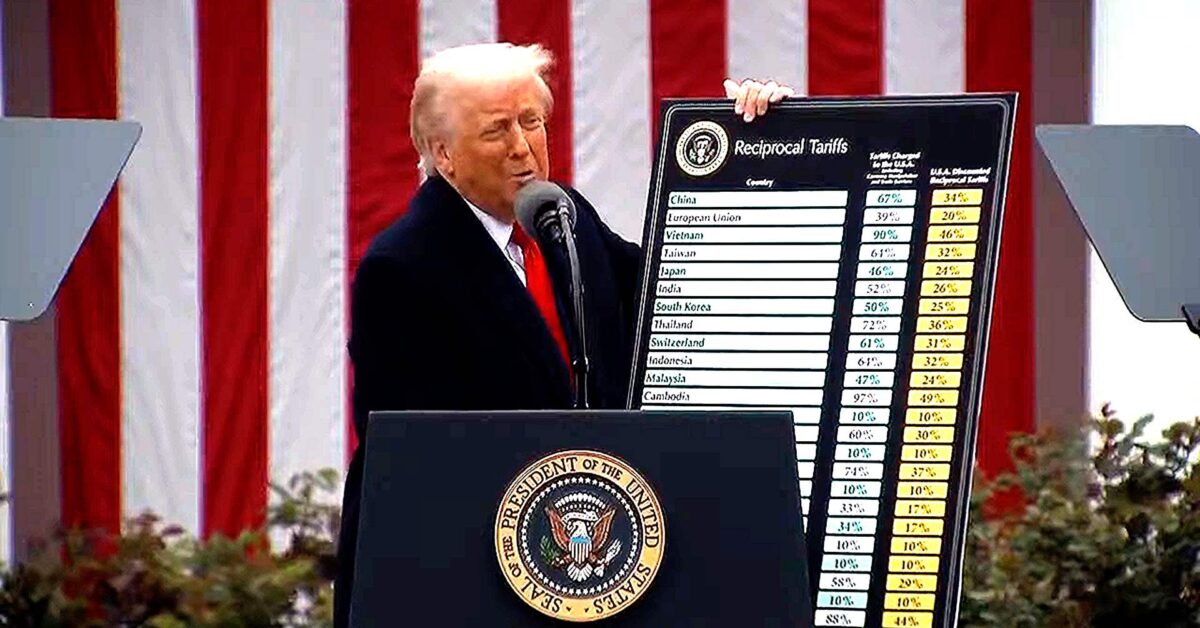
Trade tensions emerge as the primary catalyst driving this transformation. The distilled spirits sector is experiencing a perfect storm of international market disruptions, with Canadian markets banning American spirits and the European Union threatening 50% tariffs on American whiskey. These geopolitical headwinds have transformed long-term production planning from a predictable process into a high-stakes strategic chess match.
The financial implications are stark and immediate. Kentucky distillers paid $75 million in aging barrel taxes in 2025, representing a 27% increase from the previous year. This tax burden, combined with constrained international markets, forces manufacturers like Suntory Global Spirits to make surgical decisions about production capacity. Jim Beam's choice to pause its main Clermont distillery while maintaining operations at craft facilities represents a nuanced approach to inventory management and market responsiveness.
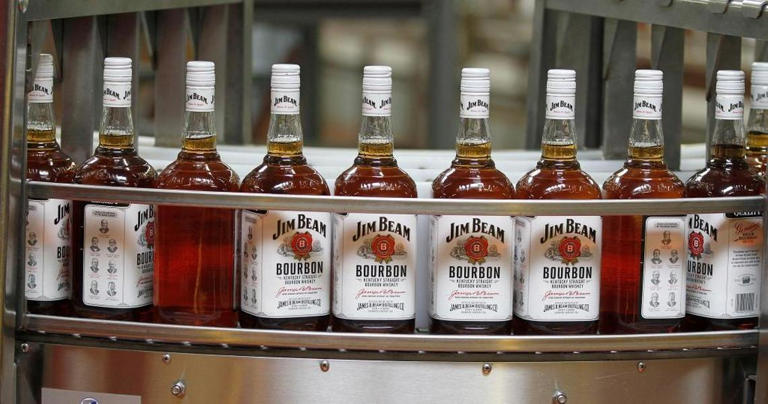
Critically, this isn't just about bourbon production—it's a broader narrative about global supply chain resilience. By strategically halting production at its primary facility while continuing bottling and warehousing operations, Jim Beam demonstrates a sophisticated approach to navigating market uncertainties. The company's commitment to its 1,000-person workforce and ongoing discussions with the United Food and Commercial Workers union underscores a holistic strategy that balances economic pragmatism with workforce stability.
For industry observers and stakeholders, this moment represents more than a temporary production pause. It signals a fundamental recalibration of how American spirits manufacturers must think about inventory, international trade, and strategic flexibility in an increasingly volatile global economic landscape.
Questions 3
Why is Jim Beam pausing production at its main distillery?
Jim Beam is pausing production due to rising bourbon inventories, with Kentucky holding a record 16.1 million aging barrels. This strategic move helps manage tax burdens, which reached $75 million in 2025, and responds to complex international trade challenges affecting spirits exports.
How are international trade tensions affecting the bourbon industry?
Trade tensions have severely impacted bourbon manufacturers, with Canadian markets banning American spirits and the EU threatening 50% tariffs. These disruptions complicate long-term production planning and force distilleries to make strategic adjustments to their manufacturing and inventory approaches.