


Electric Vehicle Market Hits Turbulence: Volkswagen's Strategic Retreat Signals Deeper Industry Challenges
- Emerging market dynamics expose critical vulnerabilities in EV product strategy and consumer adoption




Overview
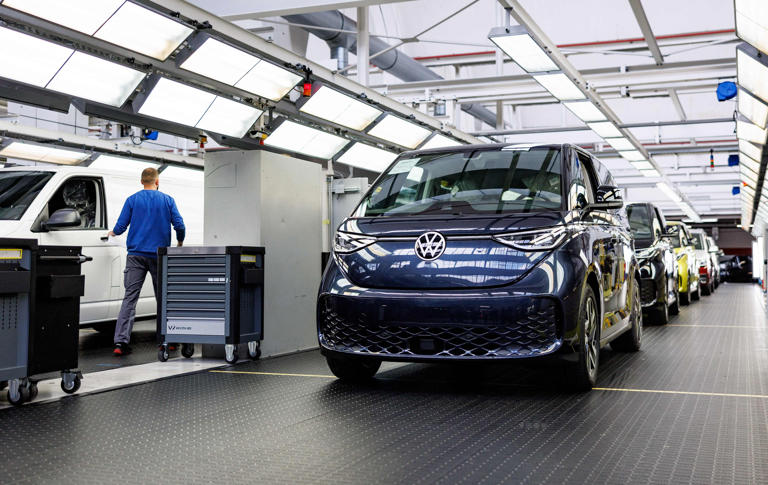
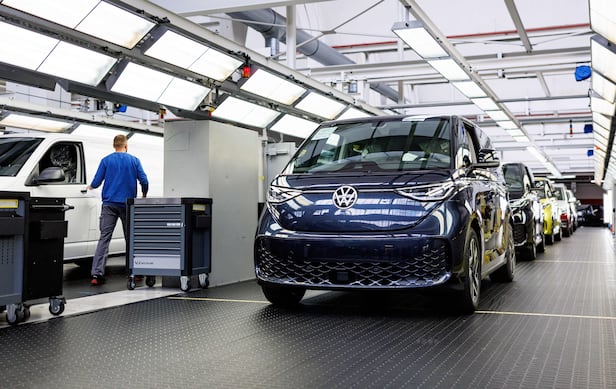
The electric vehicle market is experiencing a profound recalibration, with Volkswagen's decision to halt exports of its ID. Buzz to the United States serving as a critical inflection point that reveals systemic challenges facing the industry. At the core of this strategic pullback lies a complex intersection of market economics, consumer expectations, and technological limitations.
Inventory and Sales Performance Reveal Structural Weaknesses in the current EV ecosystem. Volkswagen's ID. Buzz, with approximately 2,600 vehicles available and over 200 days of inventory compared to the industry's 54-day average, represents more than a single product failure. This signals a broader market disconnect where innovative design and nostalgic appeal cannot compensate for fundamental performance constraints. The vehicle's $60,000 price point and limited 250-mile battery range epitomize the current EV market's primary barriers: affordability and range anxiety.
Regulatory and Incentive Landscapes are Rapidly Transforming the competitive environment. The expiration of the $7,500 federal EV tax credit, combined with complex trade tensions and import challenges, has created a precarious market entry scenario. Volkswagen's communication about preparing for model year 2027 vehicles suggests a strategic acknowledgment that current market conditions require fundamental reimagining of product positioning and technological capabilities.
The broader context reveals an industry at a critical juncture. Major manufacturers like Ford and GM are experiencing similar financial difficulties in EV sales, indicating this is not a Volkswagen-specific challenge but a systemic market transformation. Analysts like Jessica Caldwell from Edmunds highlight a crucial insight: consumer appreciation for concept does not translate into purchase decisions when practical considerations of price and performance remain unresolved.
Strategic Implications and Market Evolution point toward a more nuanced approach to electric vehicle development. Manufacturers must now balance innovative design with pragmatic performance metrics, recognizing that government incentives, technological efficiency, and competitive pricing are no longer optional but essential market entry requirements. The ID. Buzz's challenges reflect a pivotal moment where the EV industry must reconcile ambitious vision with economic and technological realities.
Questions 3
What broader challenges does the ID. Buzz's failure reveal about the EV market?
The situation exposes systemic issues in EV market development, including misalignment between product design, consumer expectations, and economic realities. It highlights the critical need for competitive pricing, substantial battery range, and continued government incentives to drive meaningful electric vehicle adoption.
How are other major automotive manufacturers responding to EV market challenges?
Companies like Ford and GM are experiencing similar financial difficulties in EV sales, suggesting a widespread industry recalibration. Manufacturers are being forced to reassess product strategies, focusing more on practical performance metrics, affordability, and technological efficiency to overcome current market barriers.