


AI's Creative Crossroads: When Temporary Tools Trigger Permanent Consequences
- Emerging Ethical Boundaries Reshape Creative Industries' AI Engagement


Overview
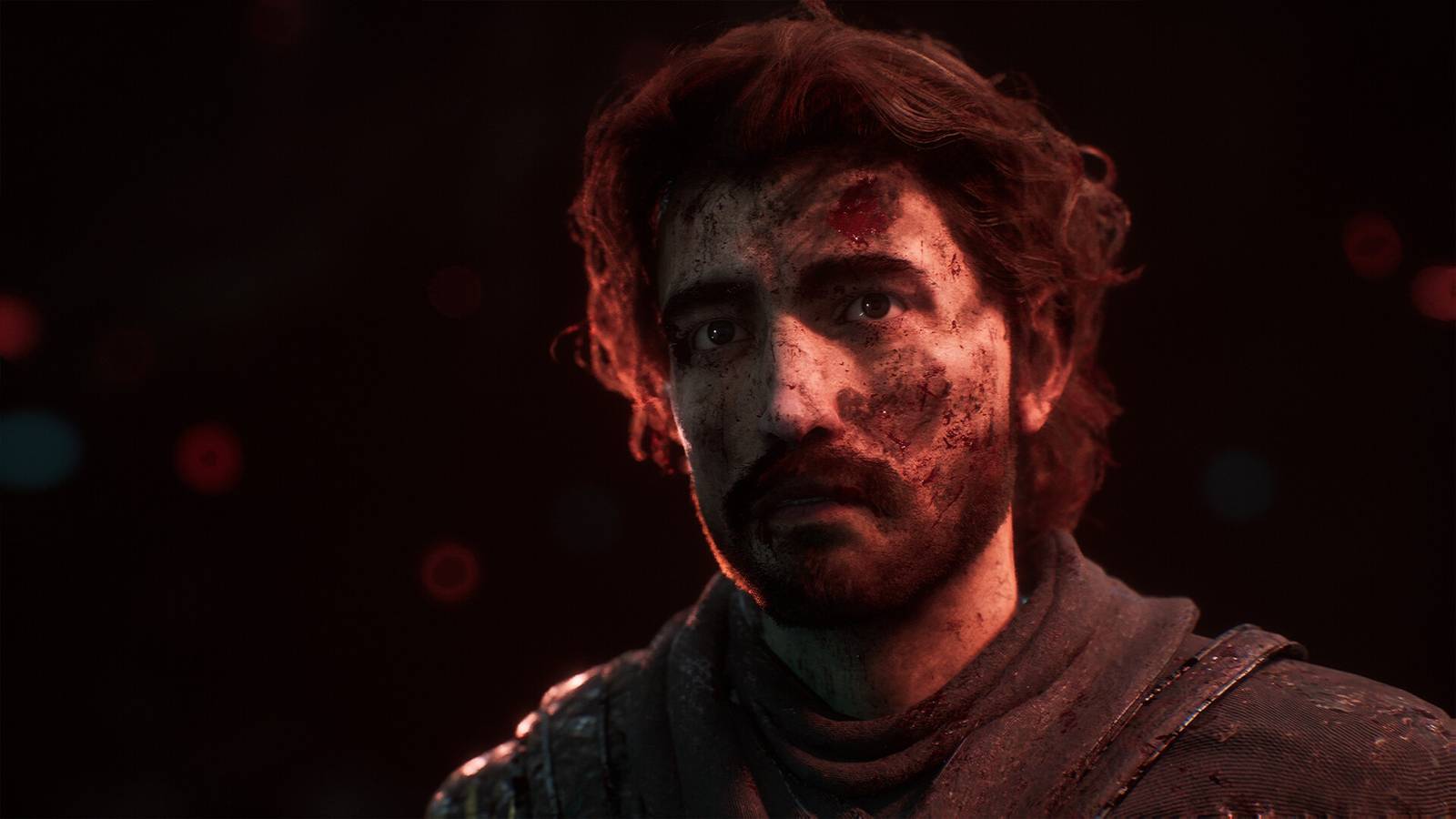
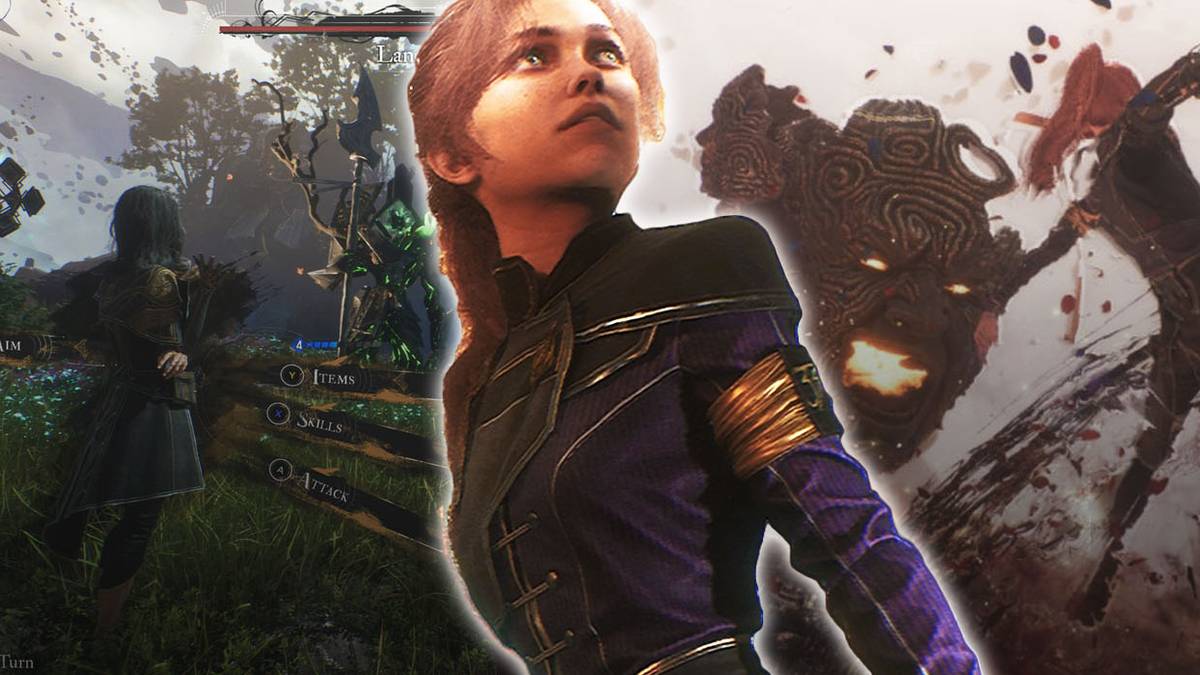
The Clair Obscur controversy reveals a critical inflection point in AI integration within creative industries, where even momentary experimentation can trigger severe professional consequences. When Sandfall Interactive used AI-generated placeholder textures for just five days during game development, they inadvertently triggered a watershed moment that exposes the fragile and evolving landscape of technological acceptance.
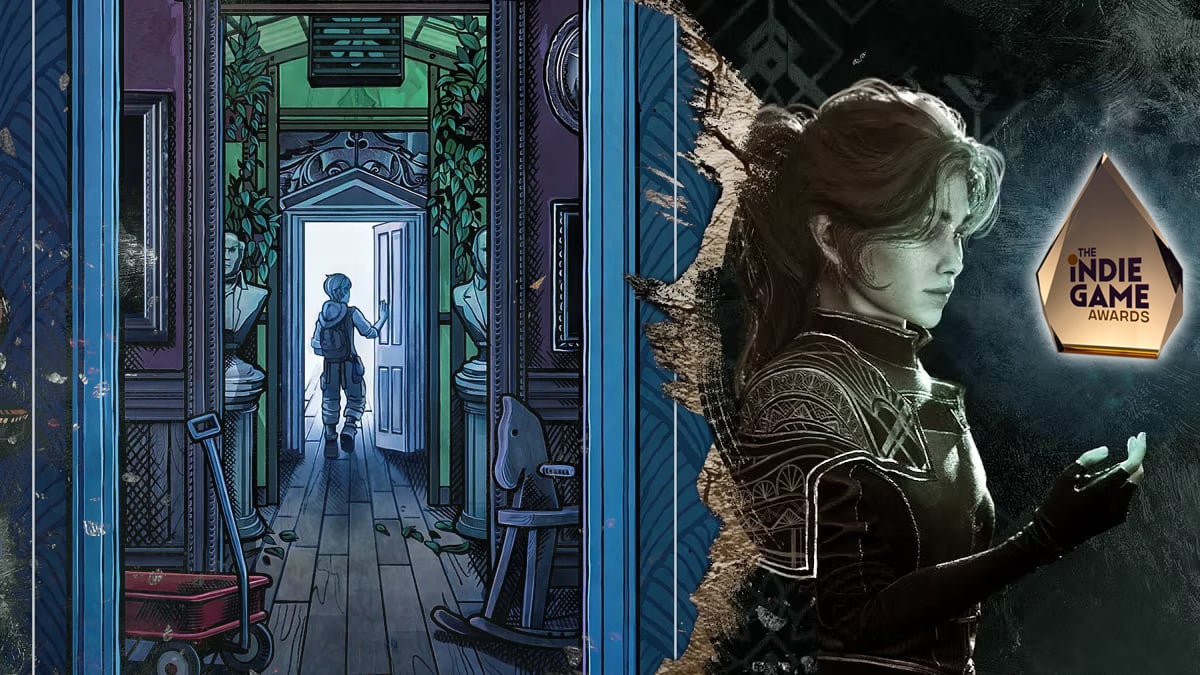
Strategic Implications of AI Usage emerge as the core tension. The Indie Game Awards' decision to strip the game of its Game of the Year award signals a zero-tolerance approach to AI involvement, regardless of the tool's temporary or developmental nature. This stance reflects a broader industry-wide reckoning with generative AI's potential to disrupt traditional creative workflows. The incident demonstrates that the mere presence of AI—even in preparatory stages—can now constitute a fundamental violation of creative integrity.
Competitive Landscape Transformation is the deeper narrative. Creative professionals are now navigating an increasingly complex terrain where AI tool usage requires meticulous documentation and preemptive communication. The risk calculus has fundamentally shifted: what was once considered an efficiency hack can now become a career-threatening liability. For game developers, artists, and creators across domains, this means developing not just technical skills, but also nuanced ethical frameworks for AI engagement.
The controversy ultimately illuminates a critical technological adaptation challenge. As AI tools become more accessible and powerful, industries are struggling to establish clear, consistent guidelines. The Clair Obscur case reveals that current approaches are reactive rather than proactive—punishing innovation instead of creating structured frameworks for responsible AI integration. This suggests an urgent need for collaborative standard-setting that balances technological potential with creative authenticity.
Questions 3
What are the potential long-term implications for game developers using AI tools?
Developers must now carefully document and communicate any AI tool usage, understanding that even temporary or preparatory AI interactions could result in professional penalties. This creates a high-stakes environment requiring meticulous ethical and technical governance.
What specific AI usage triggered the Clair Obscur award disqualification?
The developers used AI-generated placeholder textures during early development in 2022, which were removed within five days of the game's release. Despite being temporary and replaced, the awards committee considered this a violation of their AI usage guidelines.