





Game Design Revolution: How Hideo Kojima Rewrites Interactive Storytelling Paradigms
- Transformative game design strategies challenging traditional narrative and genre boundaries






Overview
In the rapidly evolving landscape of interactive entertainment, Hideo Kojima emerges as a pivotal architect redefining the boundaries of game design and storytelling. His journey, catalyzed by a transformative experience with Super Mario Bros., illustrates how seemingly simple interactive experiences can spark profound creative revolutions.
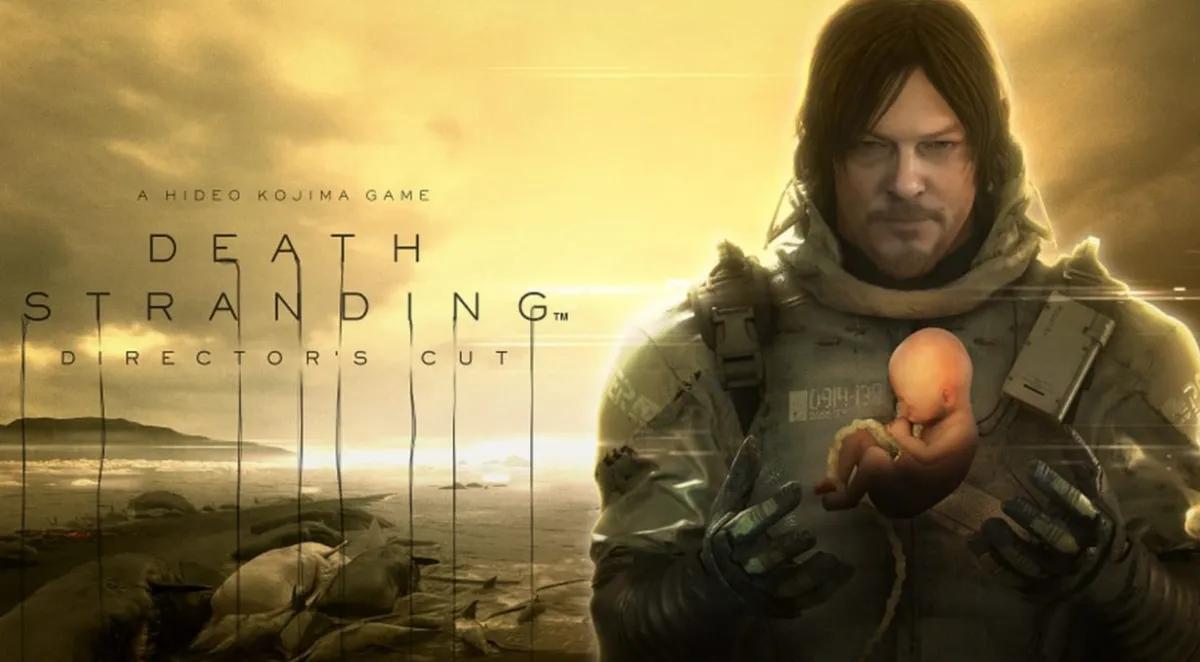
Innovative Genre Deconstruction represents Kojima's most compelling strategic approach. By rejecting traditional genre classifications, he transforms game design from a set of predefined rules into a fluid, experimental canvas. His Death Stranding exemplifies this philosophy—a game that deliberately subverts action and stealth conventions by prioritizing connection and collaboration over combat mechanics. This isn't merely a design choice; it's a fundamental reimagining of player engagement.
Kojima's methodology reveals a deeper insight: interactive experiences are not just entertainment, but emergent storytelling platforms. From dedicating an entire year to understanding Super Mario Bros.' mechanics to creating the 'Social Strand System' in Death Stranding, he consistently demonstrates that game design is about creating systemic narratives that transcend linear storytelling. His work suggests that games possess unique potential to generate meaning through player interaction—a capability that could indeed surpass traditional media like movies.
The broader implications are profound. By challenging established design paradigms, Kojima isn't just creating games; he's establishing a new language of interactive narrative. His approach signals a critical shift: from games as entertainment products to games as complex, adaptive storytelling environments that generate meaning through player agency and systemic interactions.
Questions 3
How does Kojima's approach differ from traditional game design?
Unlike traditional designers who refine existing genres, Kojima deliberately challenges genre conventions. He creates games like Death Stranding that replace combat mechanics with collaboration systems, transforming player interaction from competitive to cooperative experiences.
What makes the 'Social Strand System' innovative?
The Social Strand System reimagines game mechanics by emphasizing connection over conflict. Instead of traditional gameplay focused on individual achievement, it creates systemic interactions where players indirectly support each other, fundamentally changing how narrative and gameplay interrelate.