


NBA Officiating Tensions Boil Over: When Coaching Passion Meets League Discipline
- Escalating Coach-Referee Conflicts Highlight Pressure Points in Professional Basketball Governance





















)







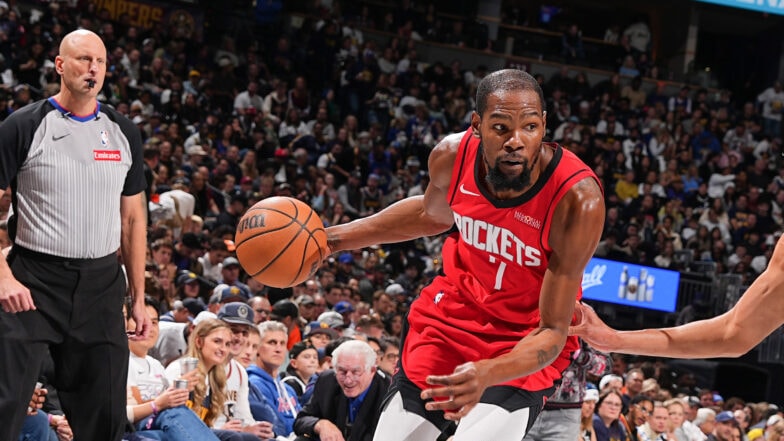
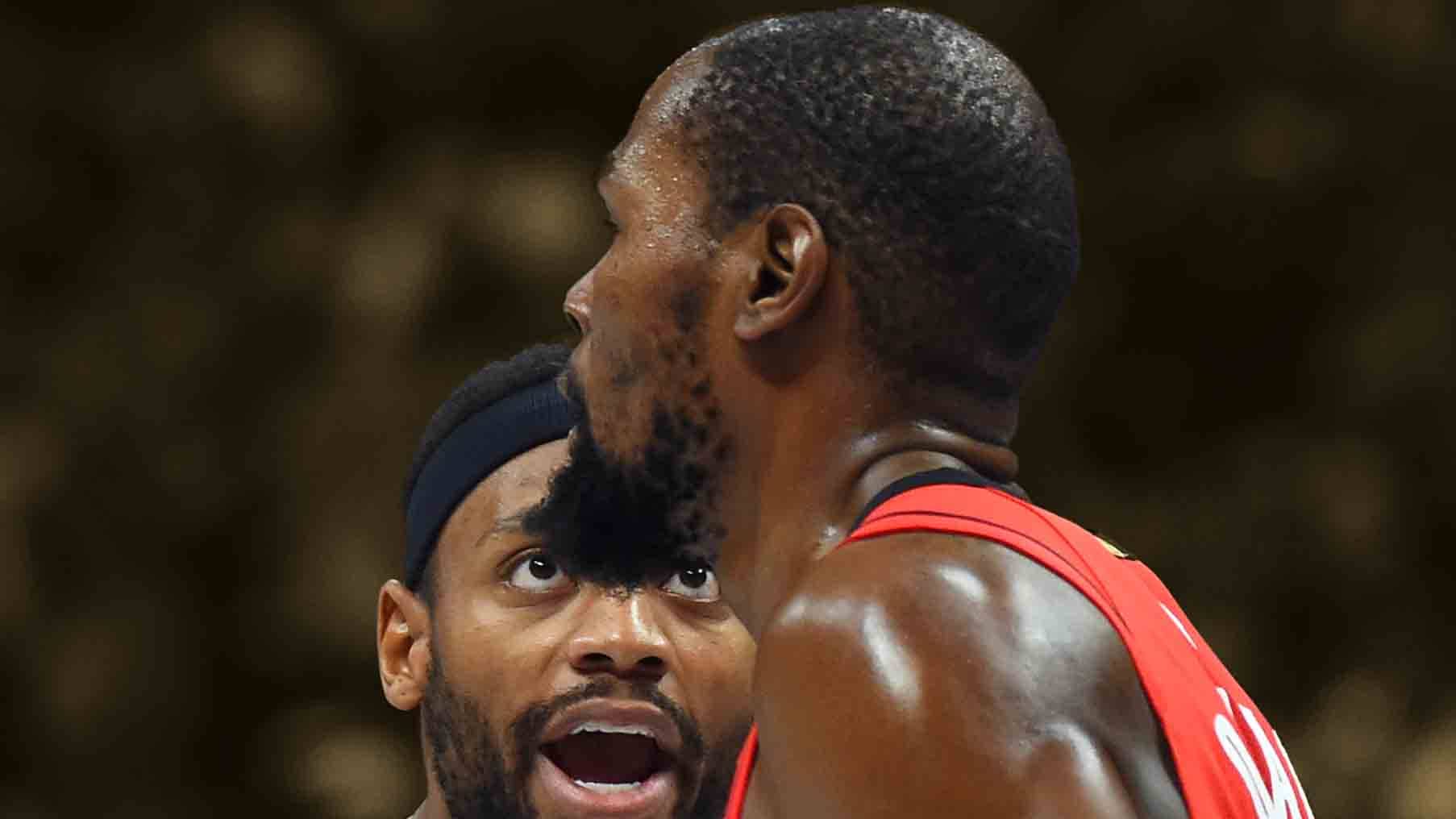


Overview
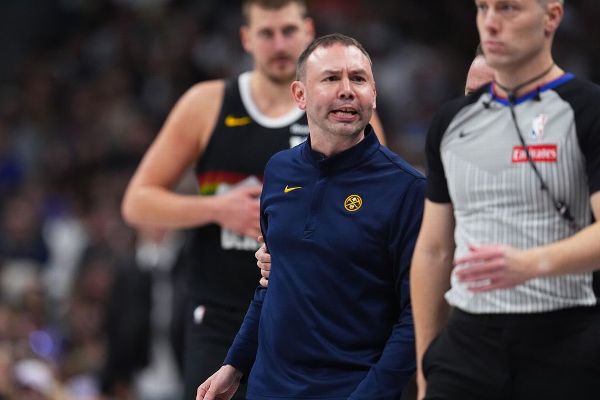
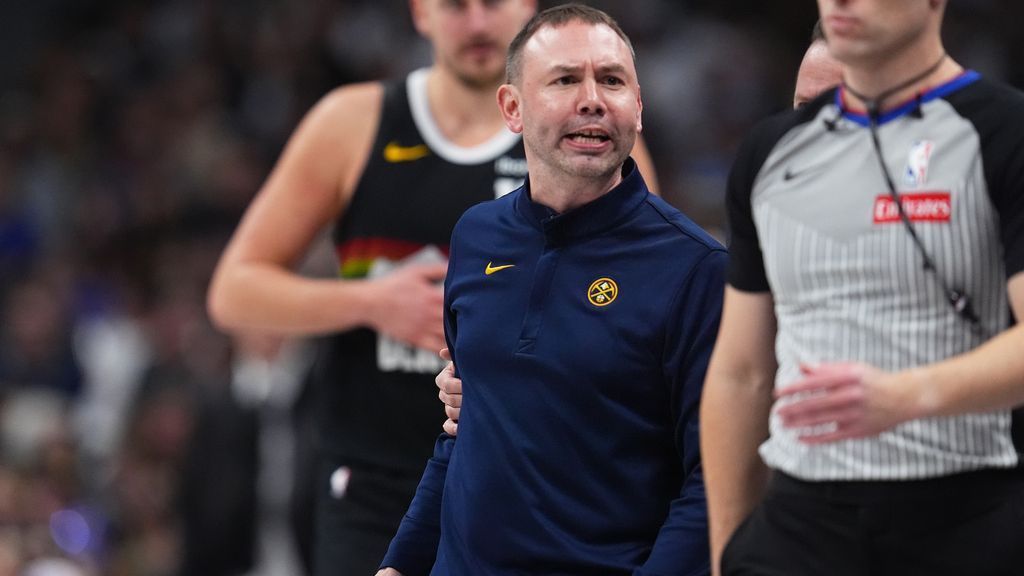
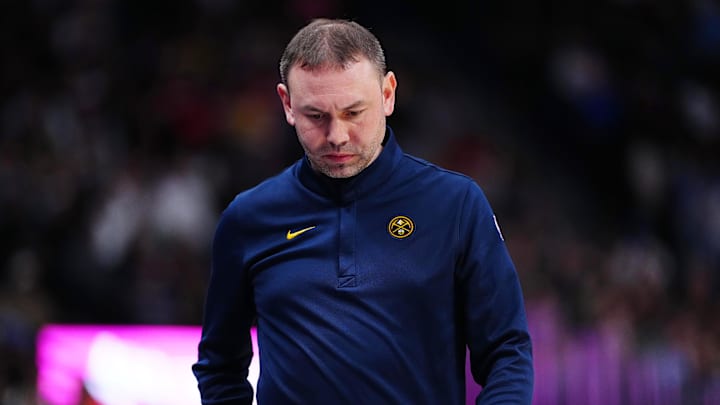
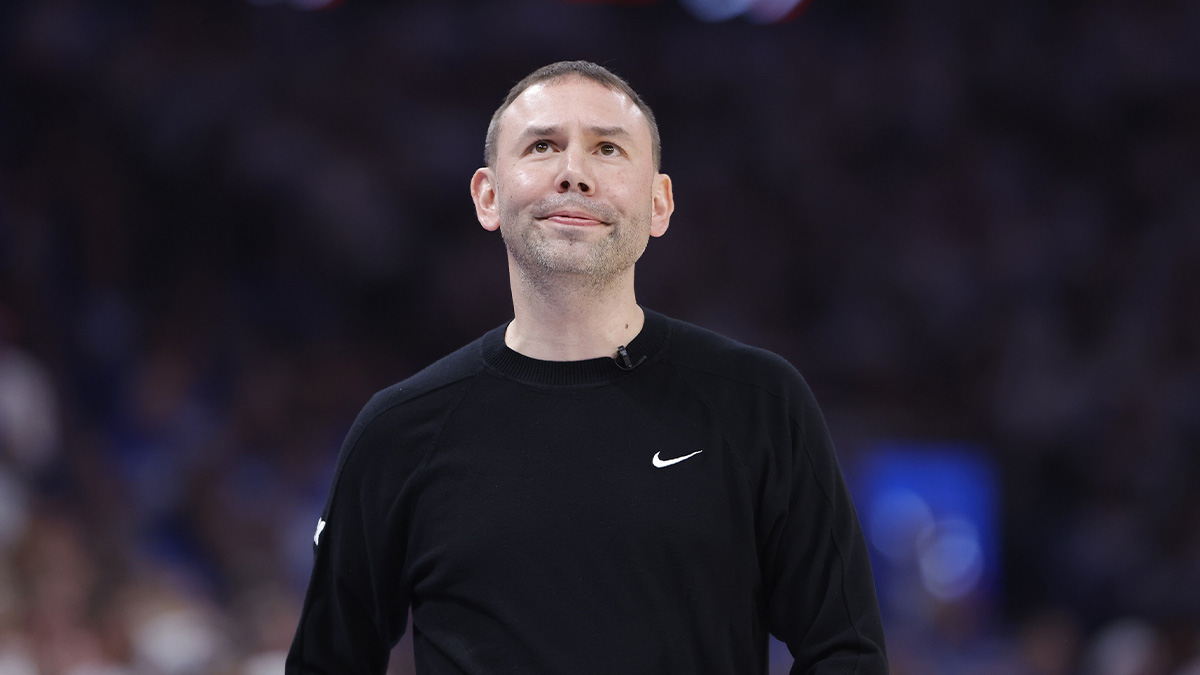
Professional sports officiating stands at a critical intersection of emotion, performance, and institutional control, as dramatically illustrated by the recent incident involving Denver Nuggets coach David Adelman. The $35,000 fine levied against Adelman represents more than a financial penalty—it's a stark reminder of the delicate balance between competitive passion and professional conduct in the NBA.
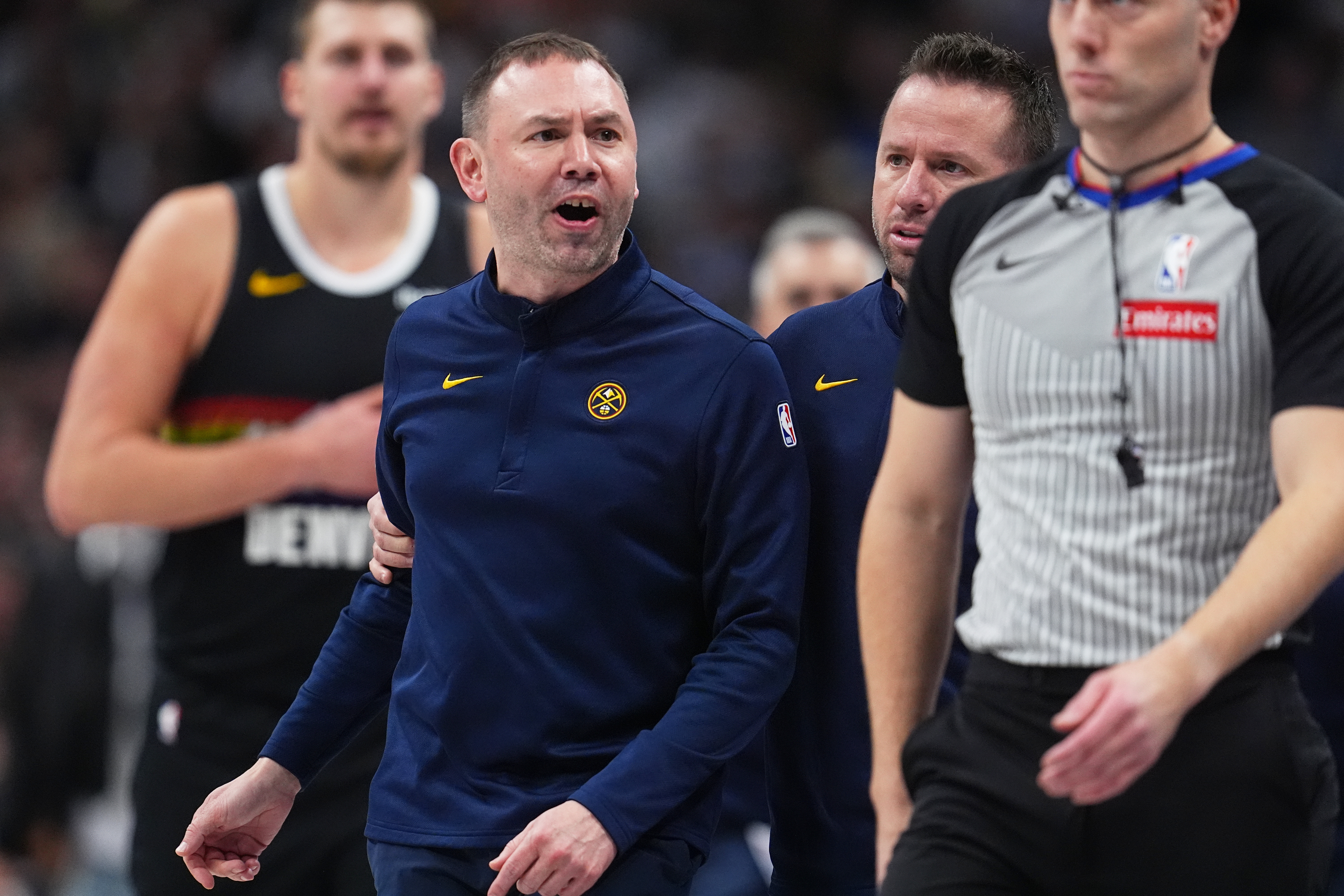
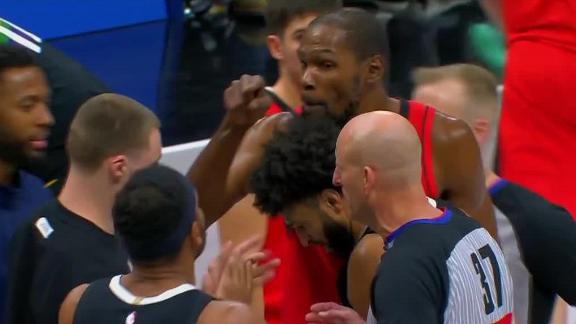
Referee-coach dynamics are increasingly complex, with high-stakes games amplifying tensions that can quickly escalate. In this particular incident, Adelman's explosive confrontation during the fourth quarter—where he shouted "You are f***ing terrible, man!" at an official—reveals the raw emotional undercurrents of professional basketball. The incident, resulting in his first-ever ejection, highlights the pressure cooker environment where split-second decisions can trigger significant consequences.
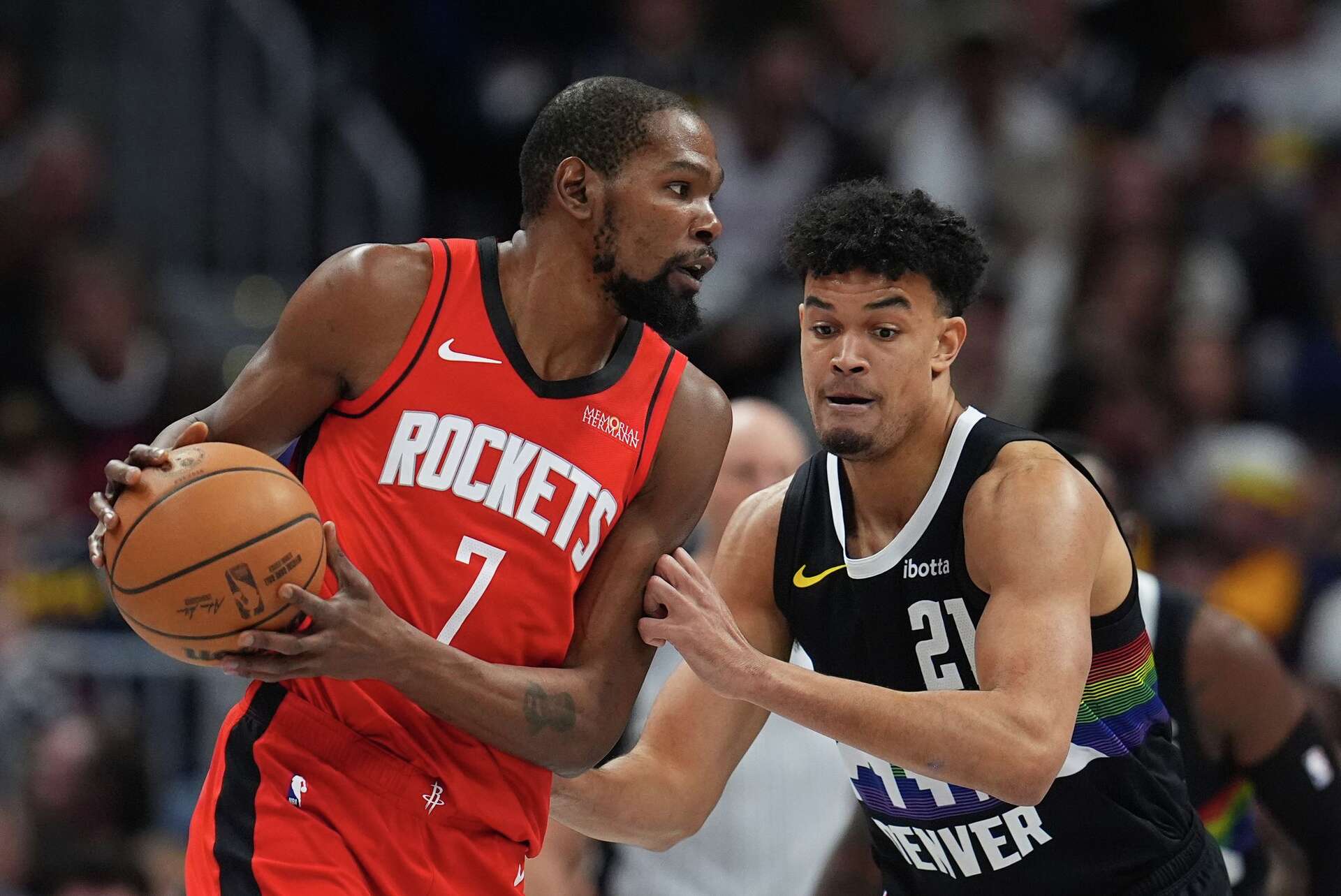
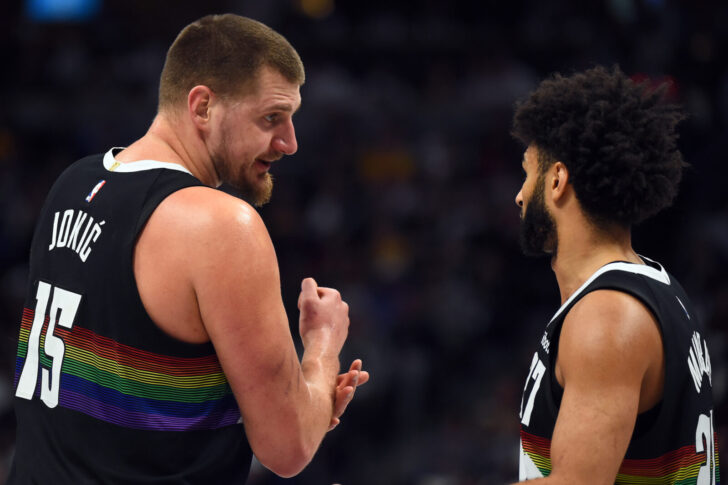
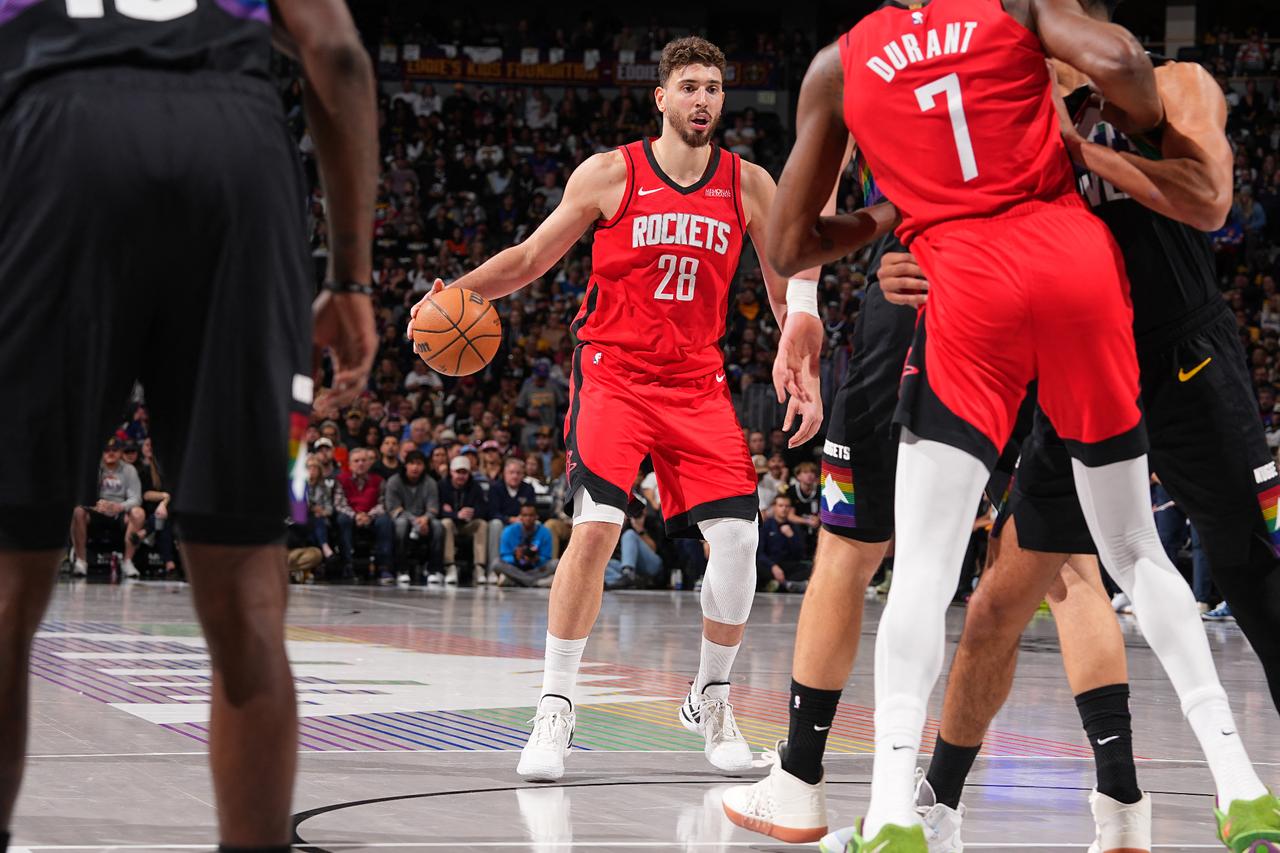
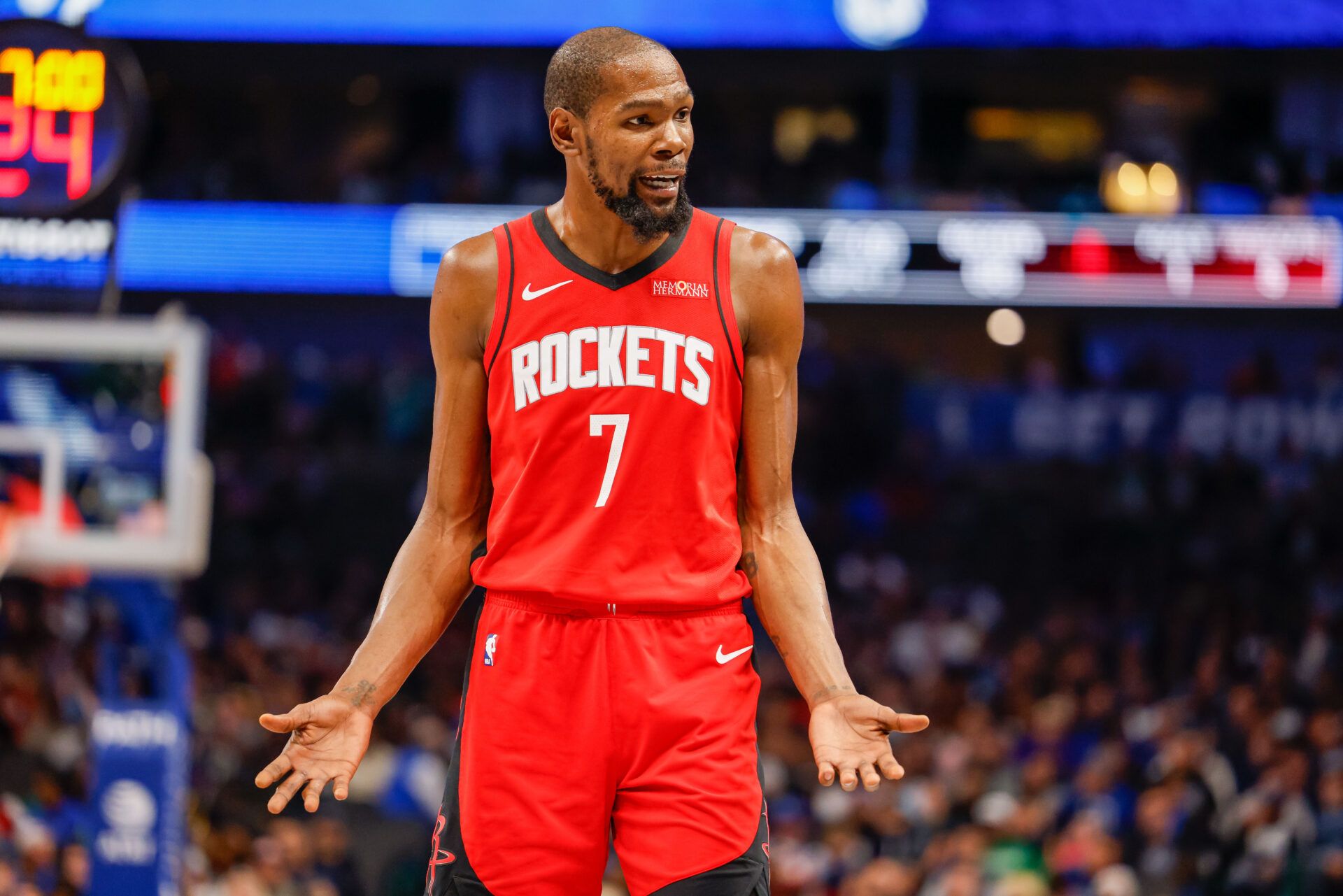
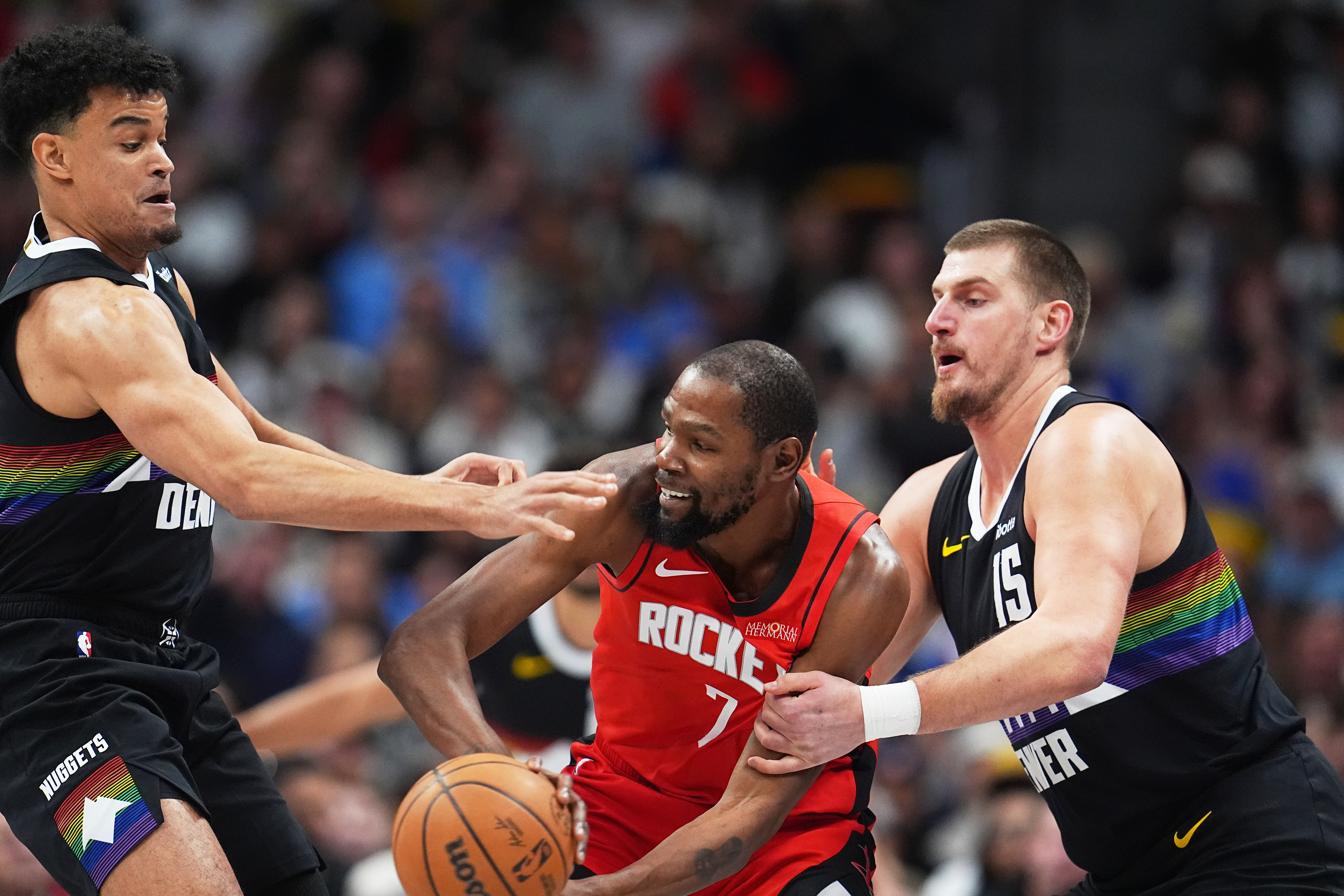
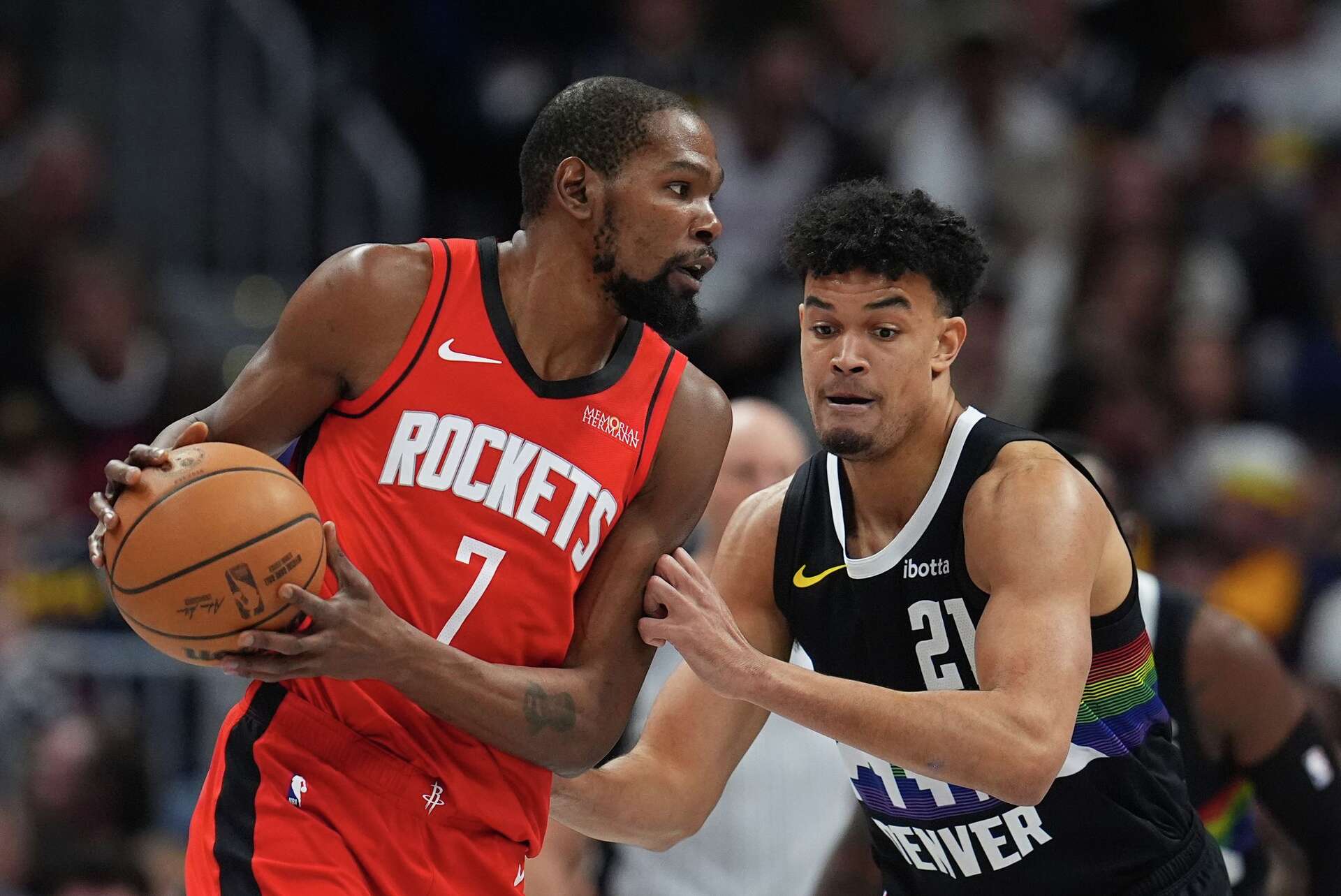
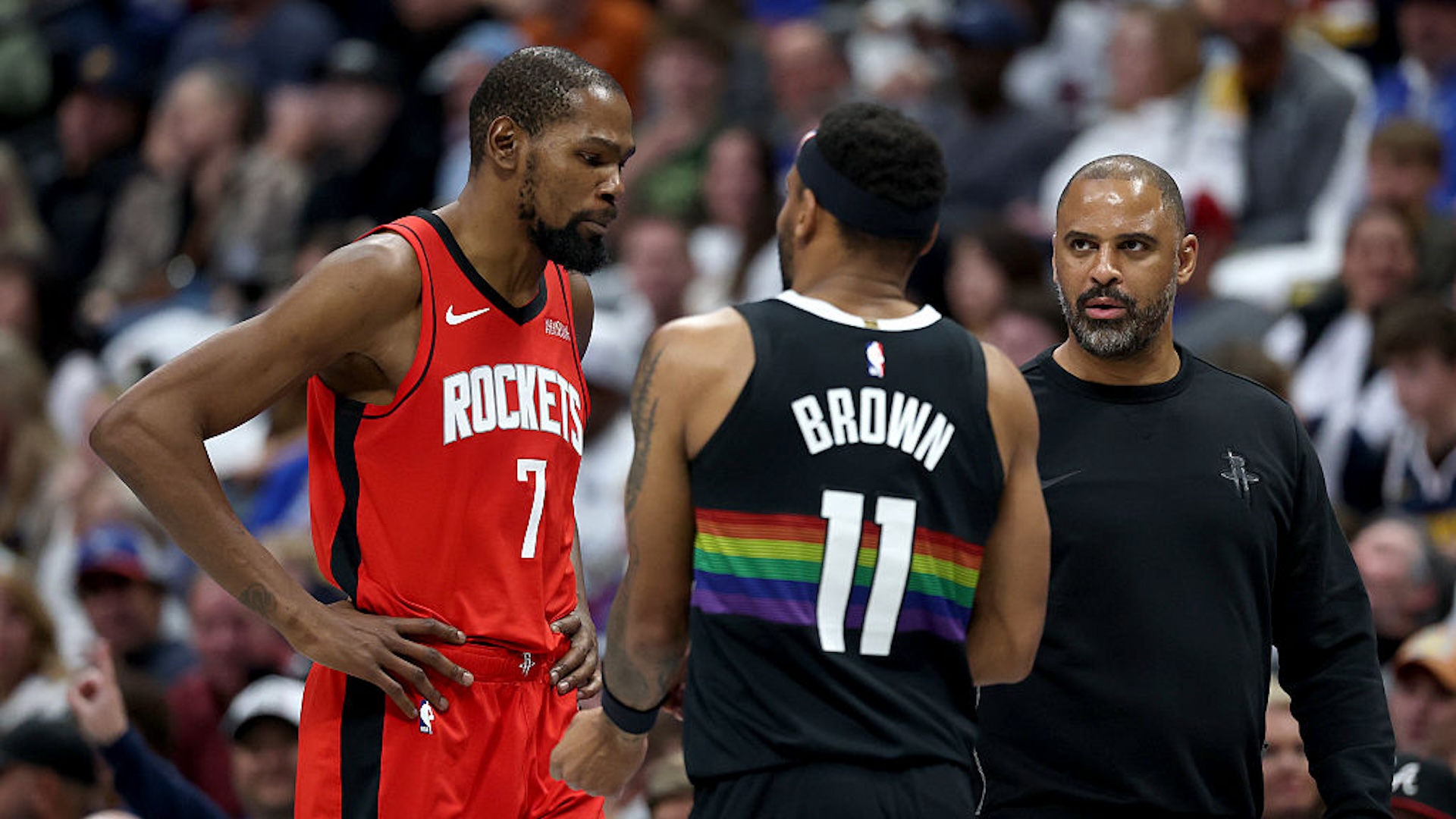
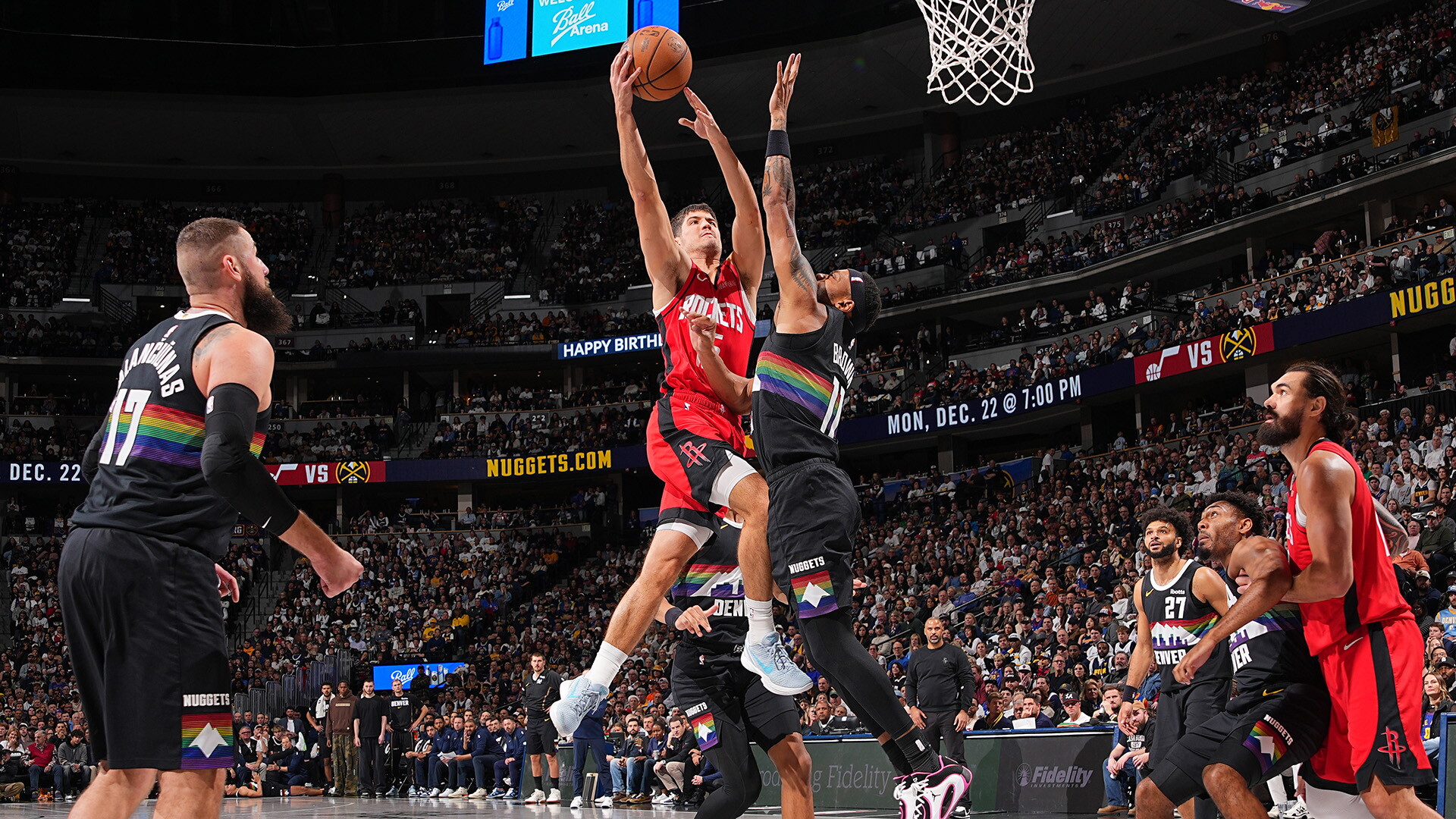
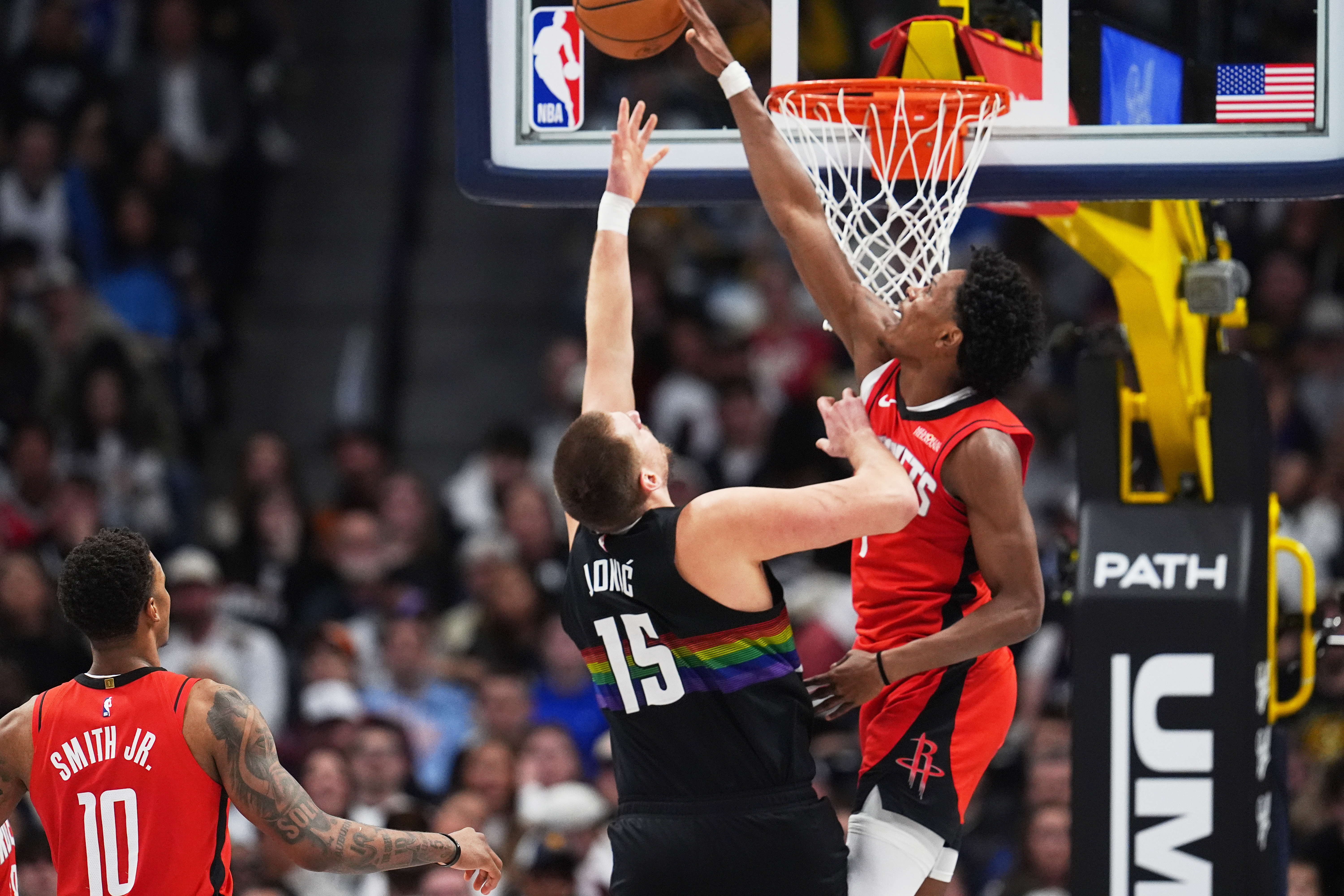
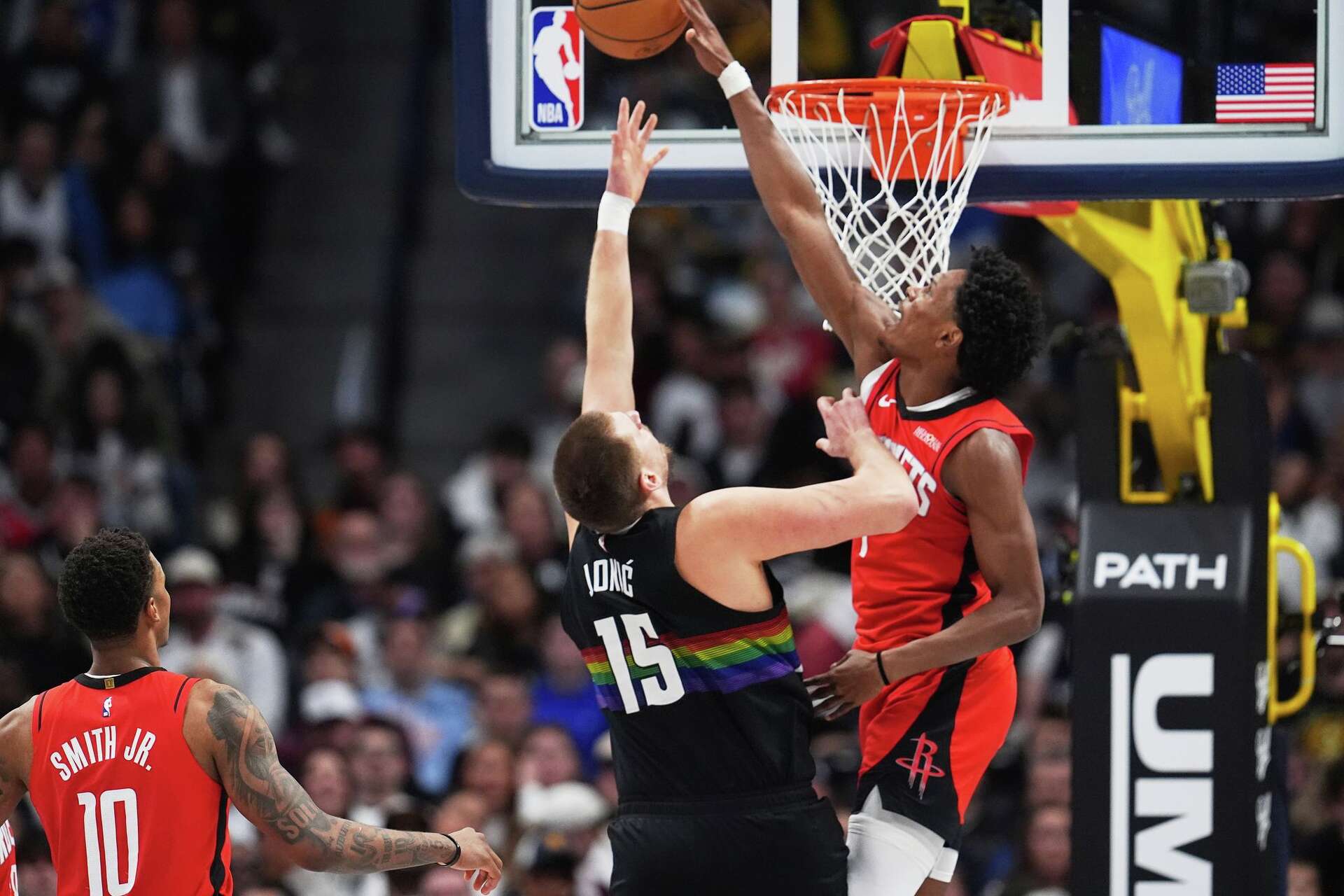
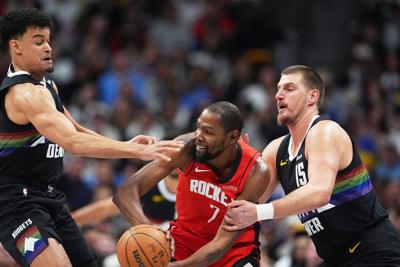
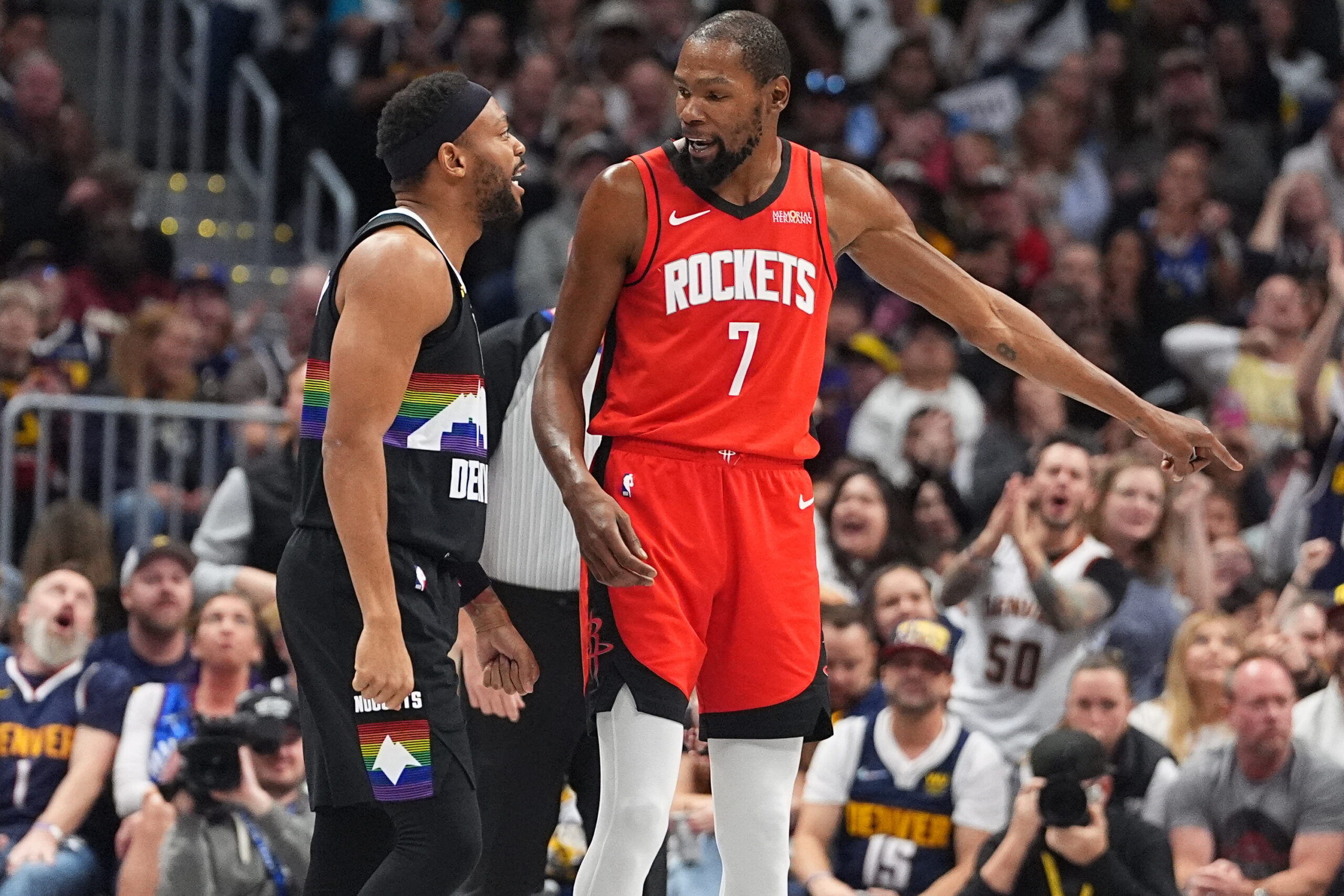
The broader context is particularly revealing. Adelman's outburst came during a game where the Nuggets were struggling, losing 115-101 to the Rockets and breaking a six-game winning streak. His frustration seemingly centered on what he perceived as questionable foul calls against star player Nikola Jokić, suggesting that star player treatment remains a sensitive flashpoint in NBA officiating. The fact that Adelman was restrained by assistant coaches underscores the potential for these moments to spiral beyond individual control.
From an institutional perspective, the NBA's swift and substantial fine ($35,000) signals a clear message about maintaining professional standards. It's not just about punishing an individual outburst, but about preserving the integrity of the game's governance. The league is essentially drawing a line, communicating that emotional eruptions—no matter the provocation—will not be tolerated.
For coaches, players, and officials, this incident serves as a critical reminder: the pressure of professional sports requires not just athletic skill, but emotional regulation. The fine is less about silencing passion and more about channeling it through appropriate professional mechanisms.
Questions 3
What does this incident reveal about NBA coaching dynamics?
The incident highlights the intense emotional pressures coaches face, especially when they perceive unfair treatment of star players like Nikola Jokić. It demonstrates the fine line between passionate advocacy and unacceptable behavior in professional basketball.
How does the NBA typically handle coach-referee conflicts?
The NBA uses a combination of immediate in-game penalties (technical fouls, ejections) and post-game financial fines to manage coach-referee interactions. The goal is to maintain game integrity while providing a structured mechanism for addressing disputes.