

College Football's Coaching Carousel Reveals Strategic Talent Mobility in Higher Education Athletics
- Chip Lindsey's Move Highlights Competitive Dynamics of Coaching Recruitment and Institutional Strategy









Overview
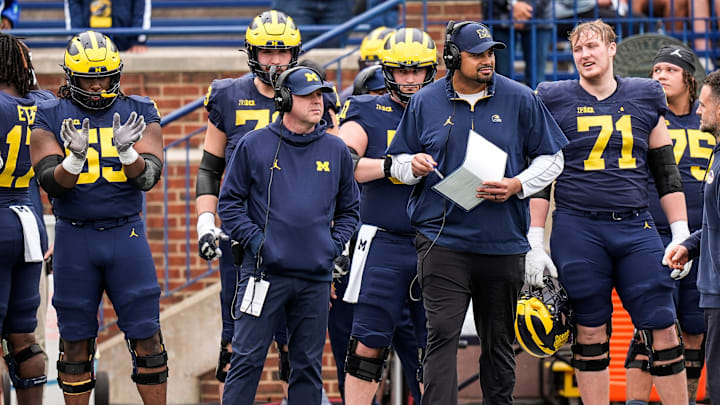
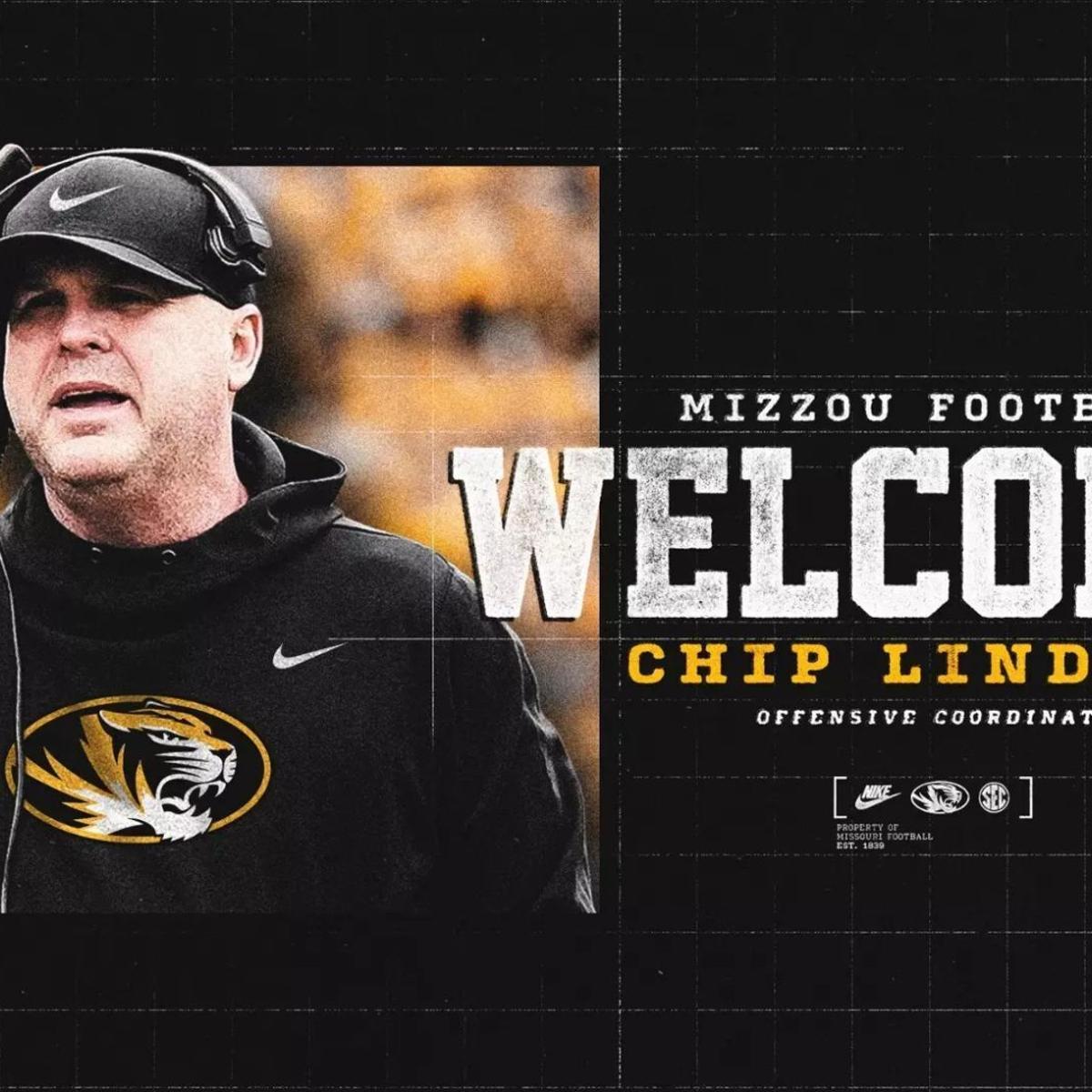
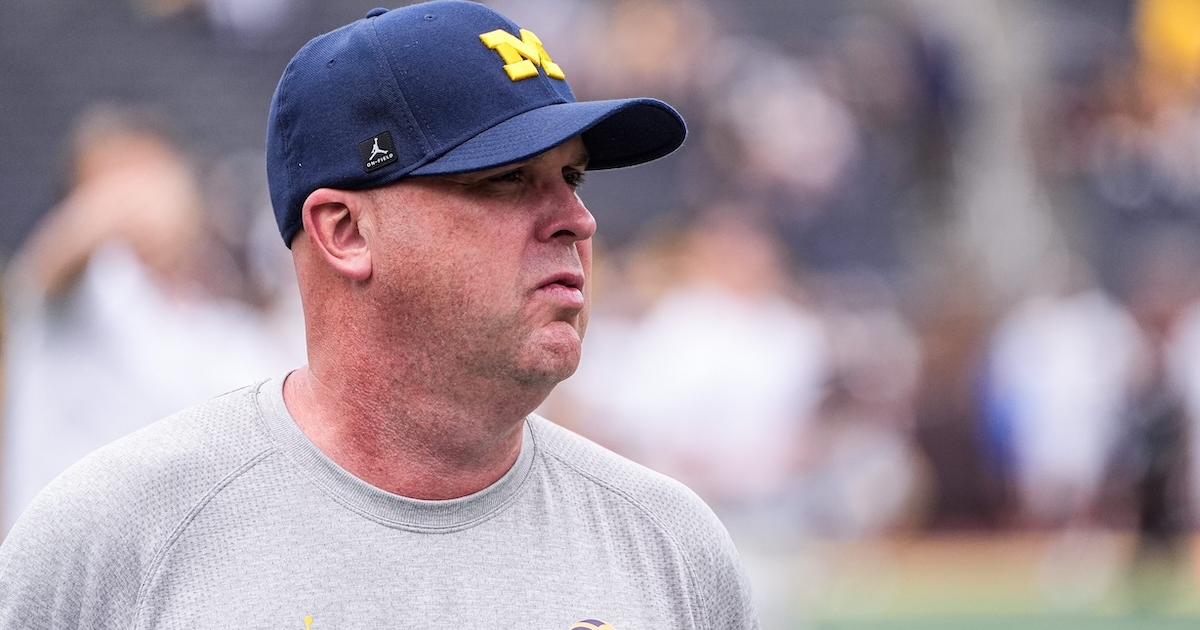
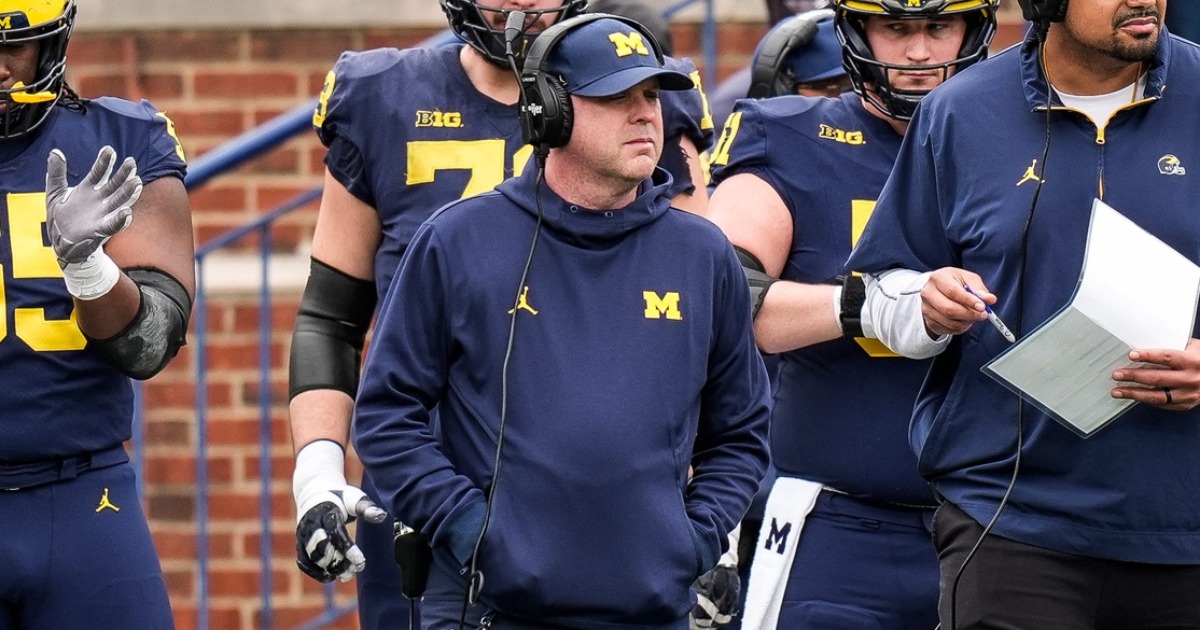
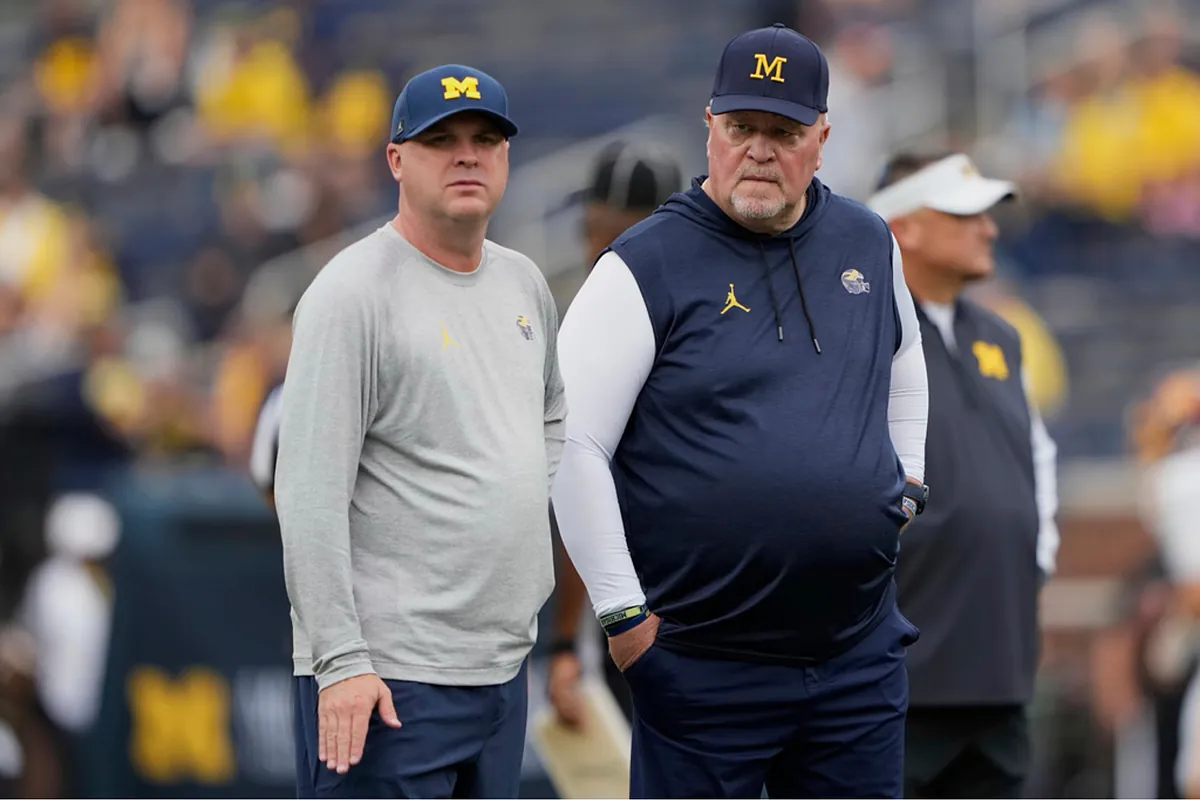
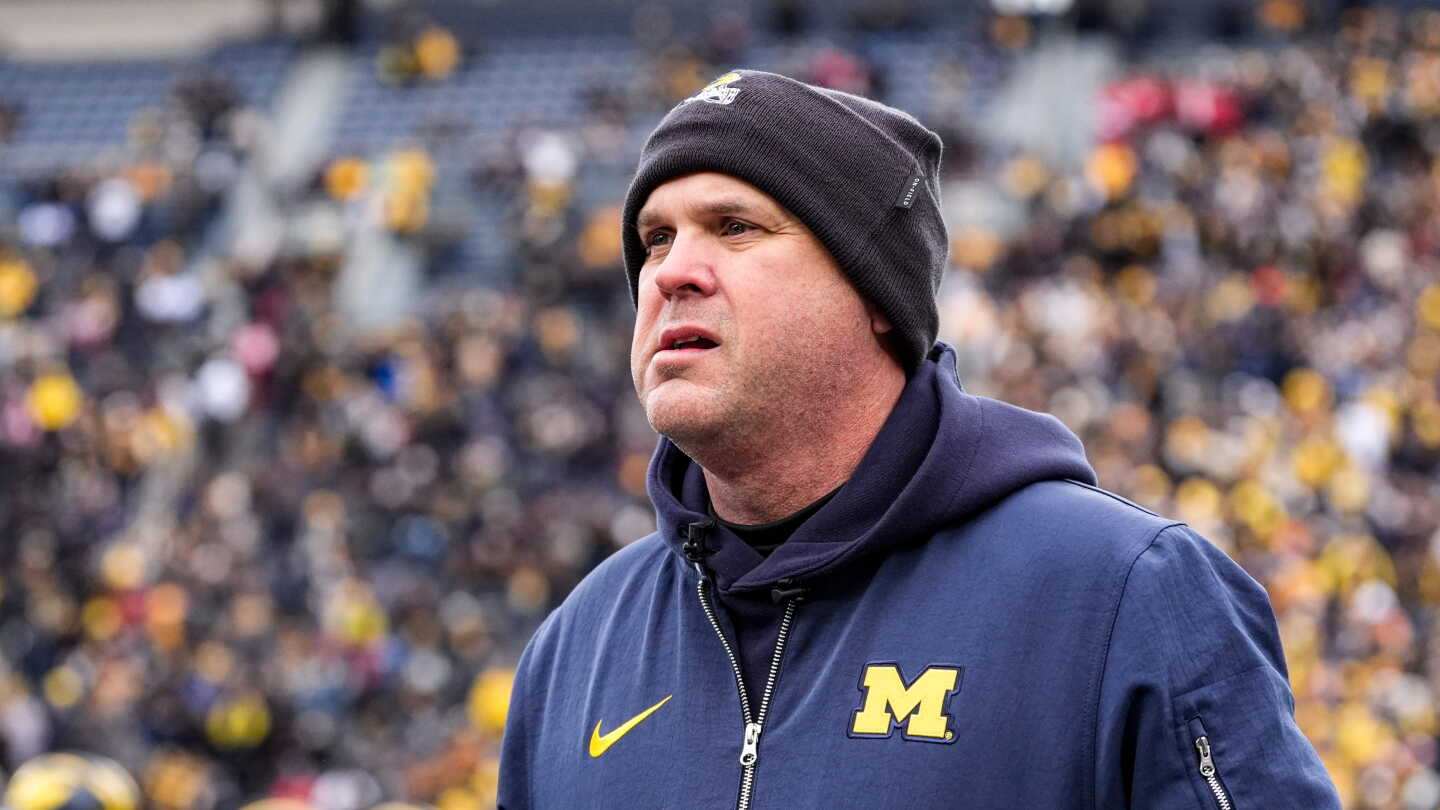
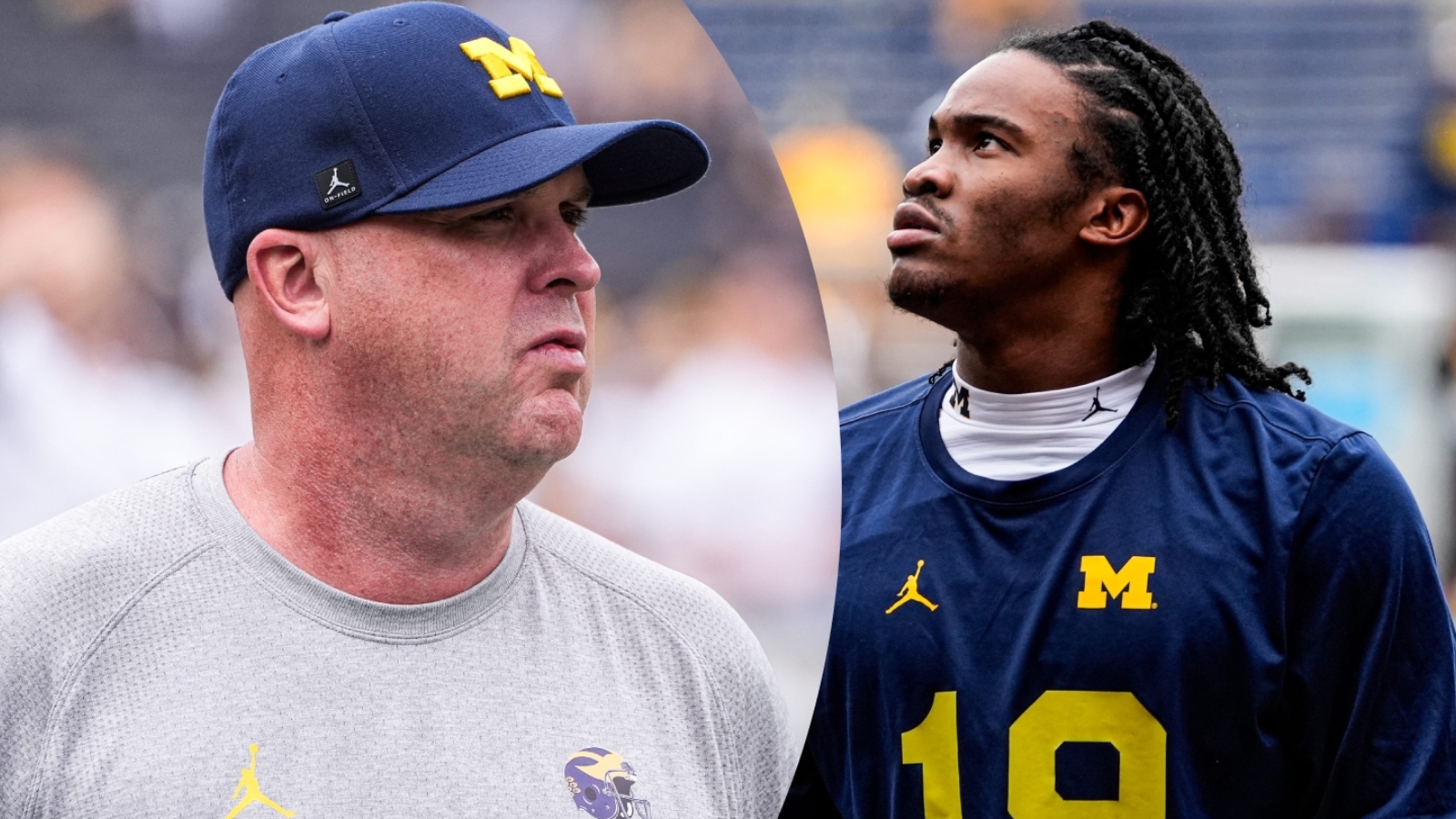
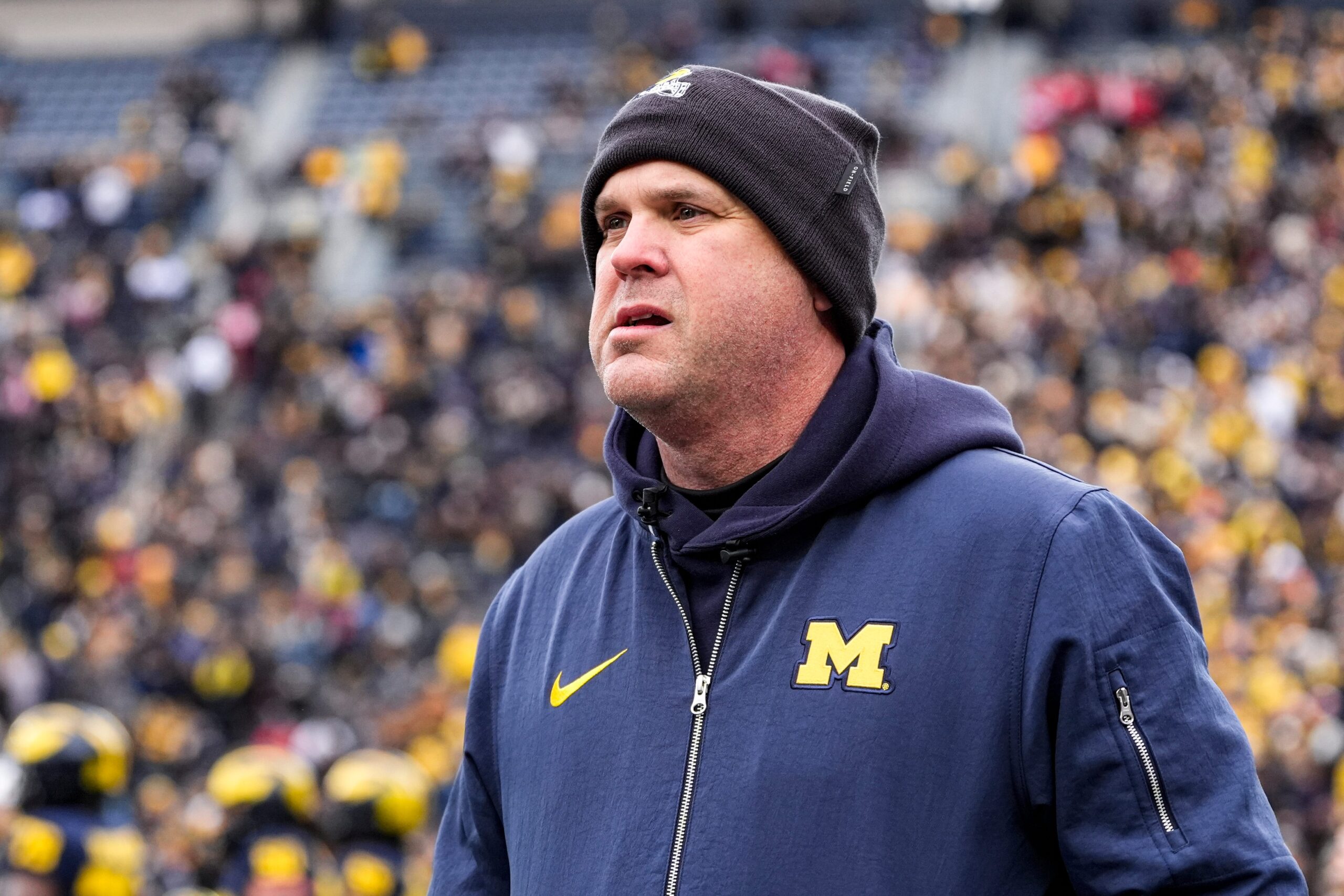
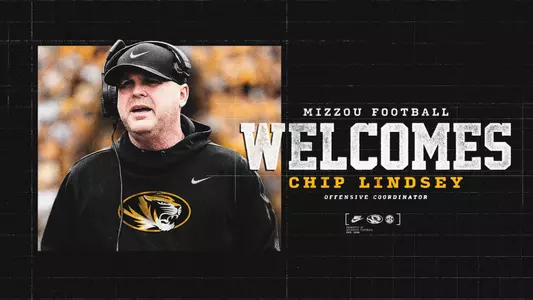
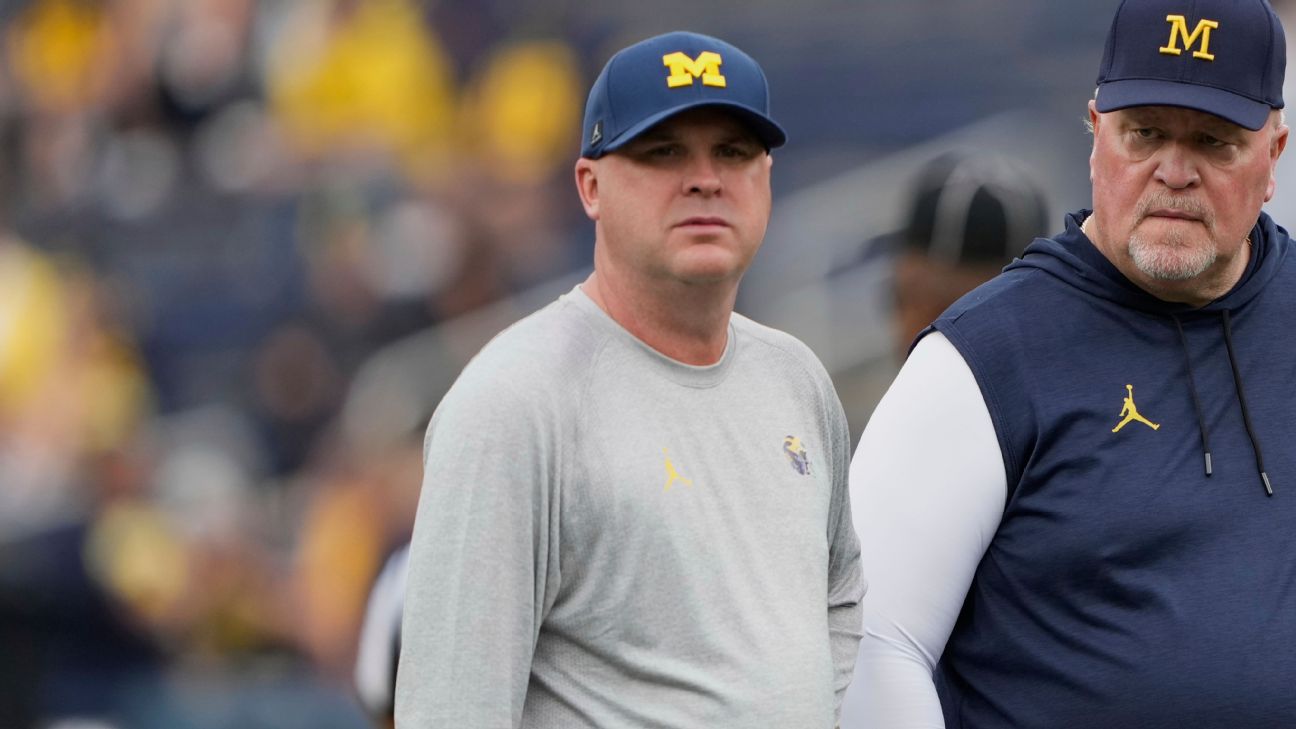
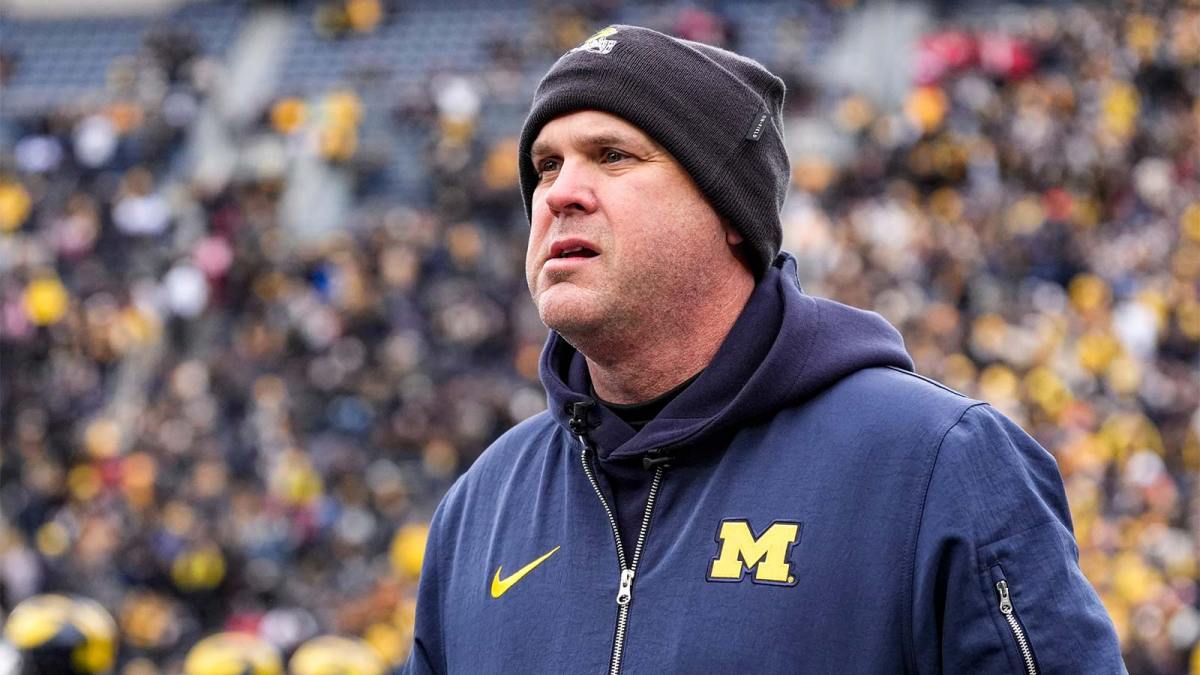
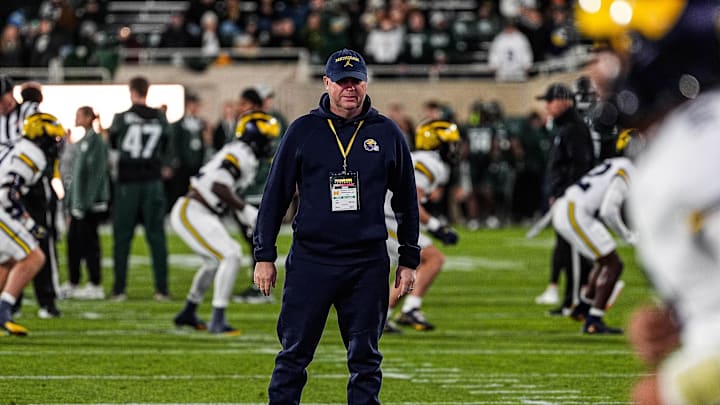
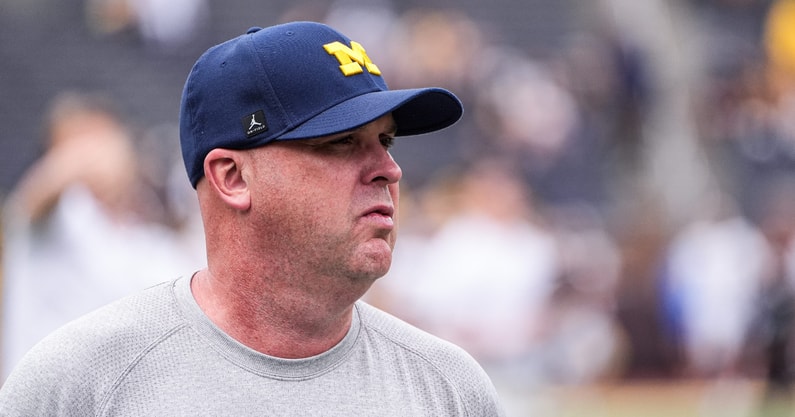
In the high-stakes world of collegiate athletics, the recent coaching transition involving Chip Lindsey represents more than a simple personnel change—it's a strategic chess move that illuminates the complex ecosystem of university football programs. Lindsey's rapid transition from Michigan's offensive coordinator to Missouri's (Mizzou) offensive coordinator in just one season reveals critical insights into institutional talent acquisition and coaching market dynamics.
The move underscores a fundamental truth in collegiate athletics: talent is fluid, and top programs are constantly recalibrating their strategic leadership. Eli Drinkwitz, Mizzou's head coach, explicitly sought an experienced coordinator with "battle scars"—signaling a preference for coaches who have navigated complex competitive environments. Lindsey's impressive 28-year coaching trajectory, which includes transformative roles at institutions like North Carolina, UCF, and now Michigan and Missouri, demonstrates the premium placed on adaptable, results-driven coaching talent.
Lindsey's track record is particularly noteworthy. At Michigan, he averaged 27.6 points per game and developed a robust running game with two backs exceeding 800 yards. At North Carolina, his offense averaged 32.3 points and 423.4 total yards per game. These statistics aren't just numbers—they're evidence of a coach's ability to rapidly transform offensive strategies and develop emerging talent.
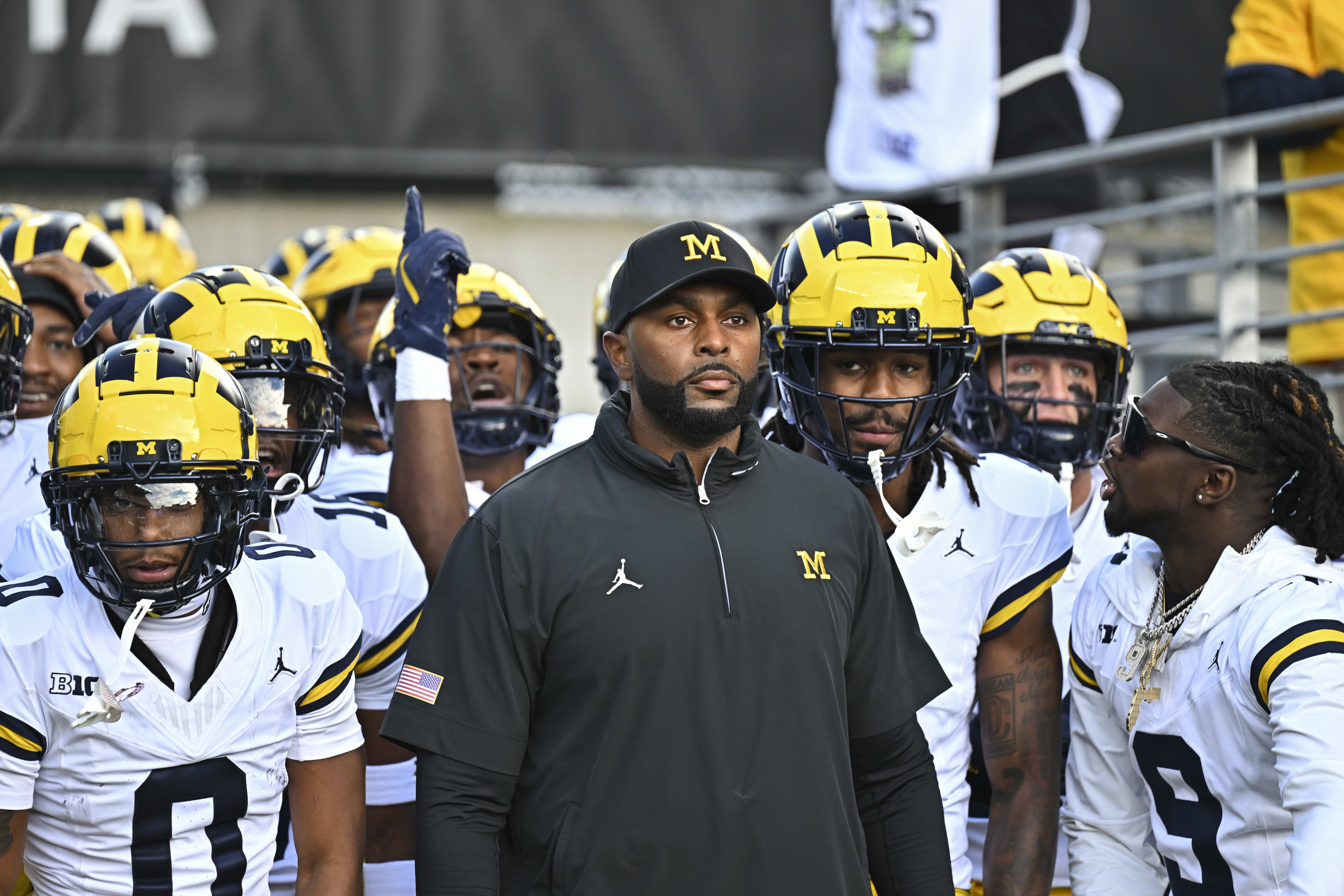
The broader context is equally fascinating. Michigan's ongoing coaching search, complicated by the departure of Sherrone Moore and now Lindsey, reveals the precarious nature of collegiate coaching positions. With the transfer portal opening on January 2nd, programs face immense pressure to maintain team cohesion and competitive momentum. Lindsey's move to Missouri isn't just a personal career decision; it's a strategic realignment that could significantly impact both programs' future performance.
This coaching transition illuminates a critical dynamic in higher education athletics: success is increasingly defined by the ability to attract, develop, and retain top coaching talent. Programs like Missouri are actively seeking coaches who can not just manage a team, but fundamentally reshape its competitive identity.
Questions 3
Why did Missouri choose Chip Lindsey as their new offensive coordinator?
Missouri sought an experienced coach with a proven track record of developing offensive strategies and quarterback talent. Lindsey's 28-year coaching career, including successful tenures at North Carolina and Michigan, demonstrated his ability to rapidly transform offensive performance and develop emerging players.
What challenges does Michigan face in its current coaching transition?
Michigan must quickly find a new head coach and offensive coordinator before the January 2nd transfer portal opens. The program needs to maintain team morale, prevent potential roster disruption, and find leadership that can maintain their competitive momentum after losing key coaching staff.