



NFL's Injury Crisis Exposes Organizational Resilience and Strategic Vulnerability
- Unprecedented Player Injuries Reveal Critical Team Management Challenges in Professional Sports













Overview
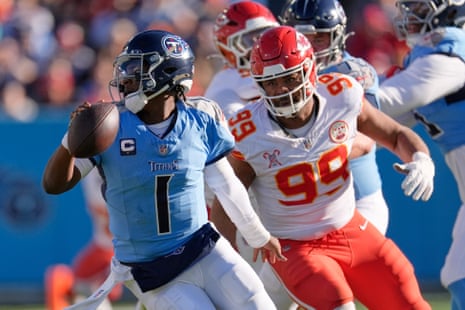
The current NFL landscape is experiencing a profound moment of organizational stress, epitomized by the Kansas City Chiefs' dramatic collapse in Week 16. What emerges is not just a sports narrative, but a complex study of institutional resilience under extreme pressure.
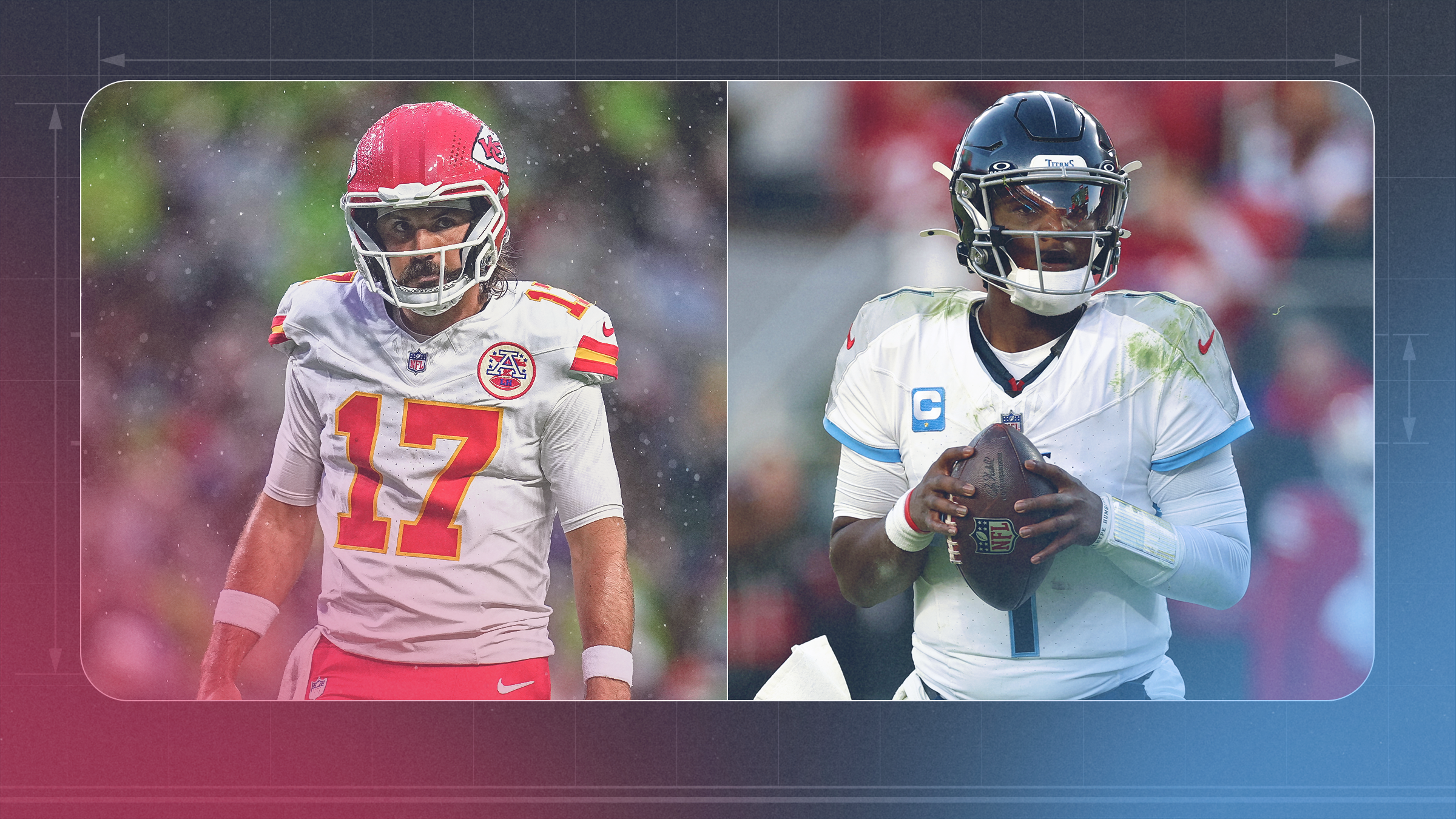
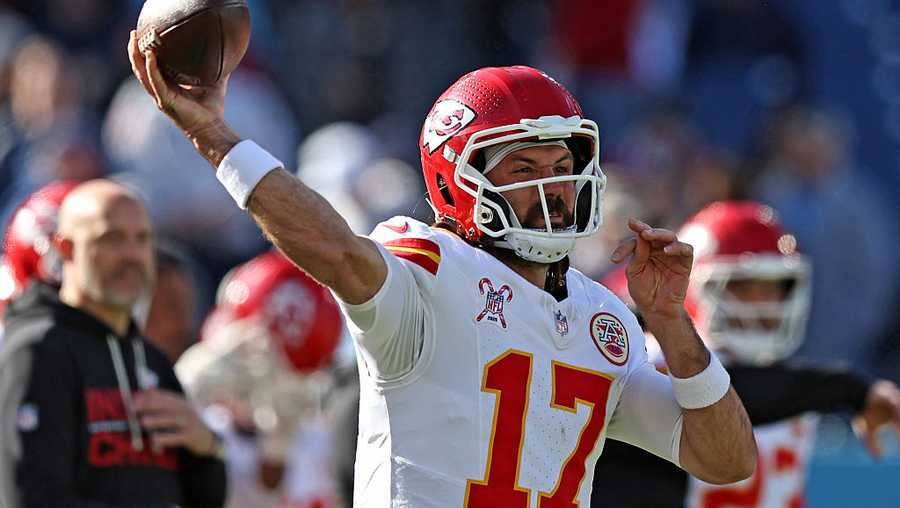
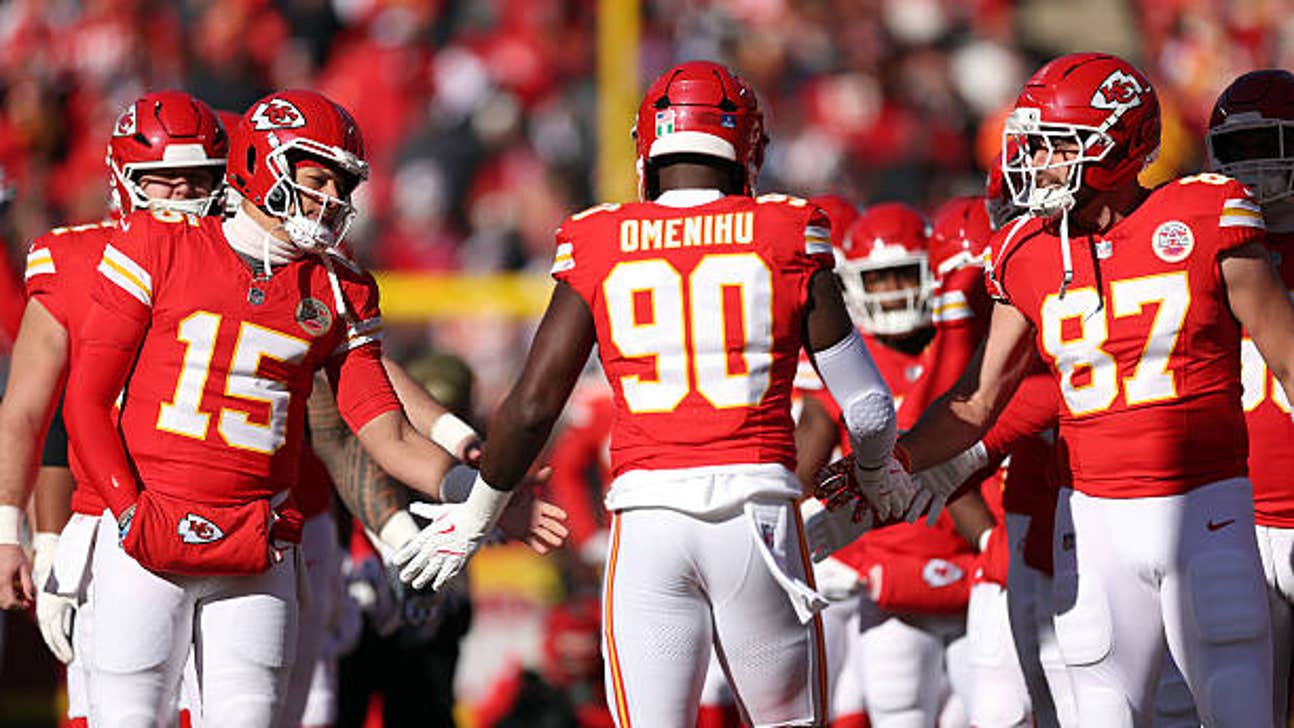
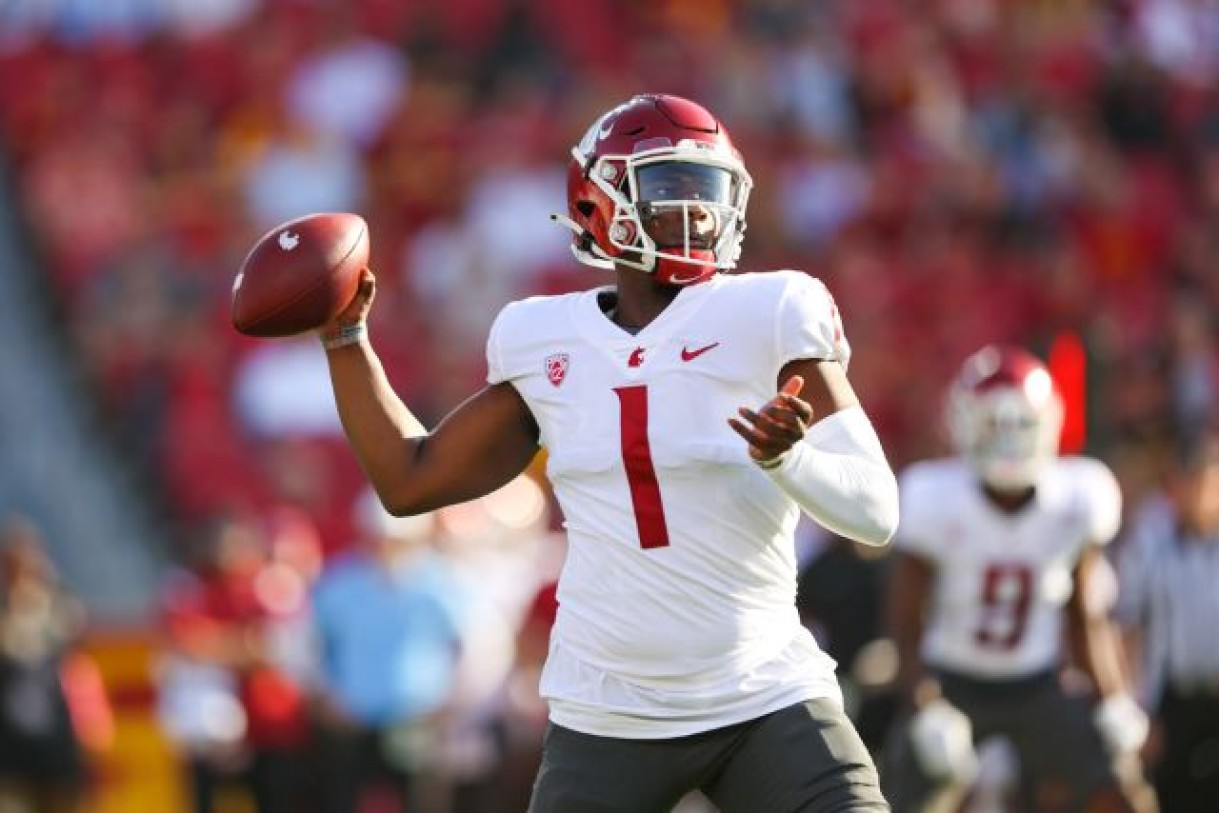
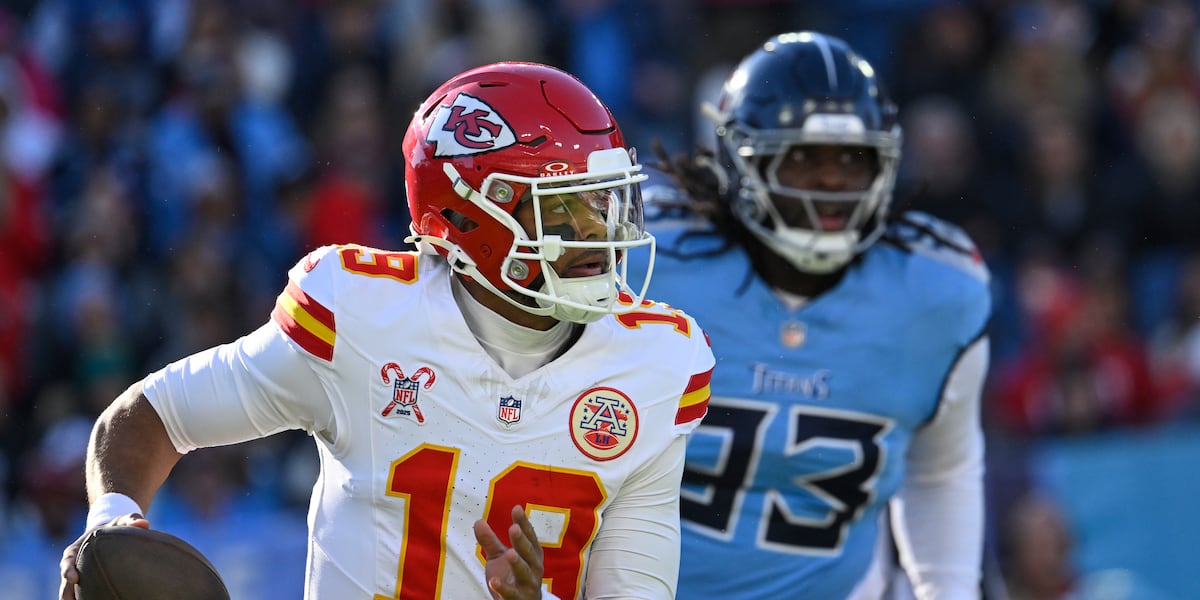
Quarterback injuries have become the central storyline, with the Chiefs experiencing a catastrophic sequence that threatens to end their unprecedented championship era. Patrick Mahomes' torn ACL, followed by backup Gardner Minshew's left knee injury, forced the team to deploy third-string quarterback Chris Oladokun - a scenario that would have been unimaginable just months ago. This cascading failure reveals the razor-thin margin between sustained excellence and sudden organizational breakdown.
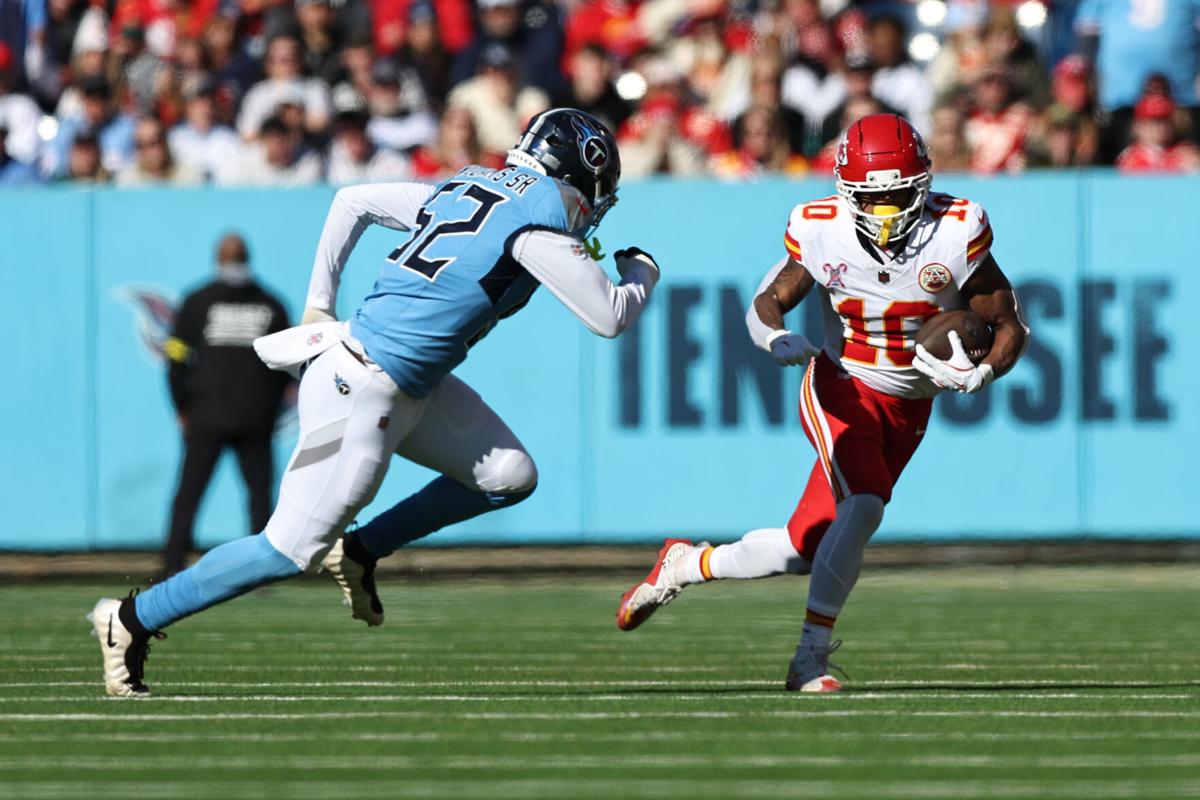
The injury report extends far beyond the Chiefs, with multiple teams experiencing significant player unavailability. Rashee Rice's concussion, Tee Higgins' protocol challenges, and Garrett Wilson's season-ending knee sprain demonstrate the systemic fragility of professional sports rosters. These aren't isolated incidents, but a broader pattern highlighting the physical demands and unpredictability of high-performance athletic environments.
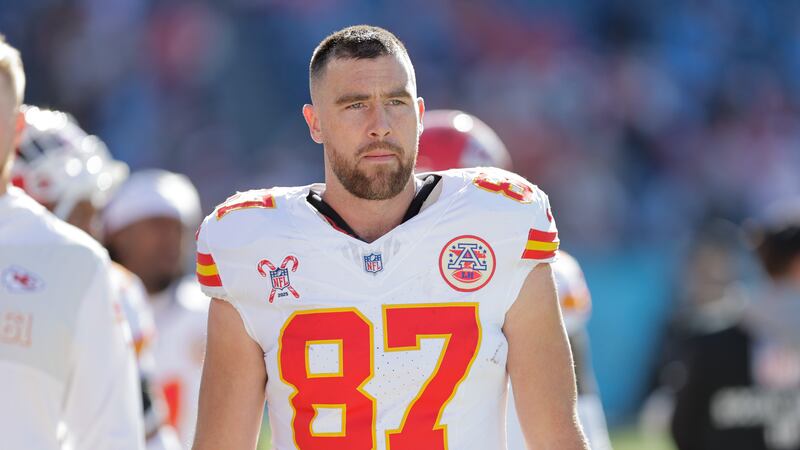
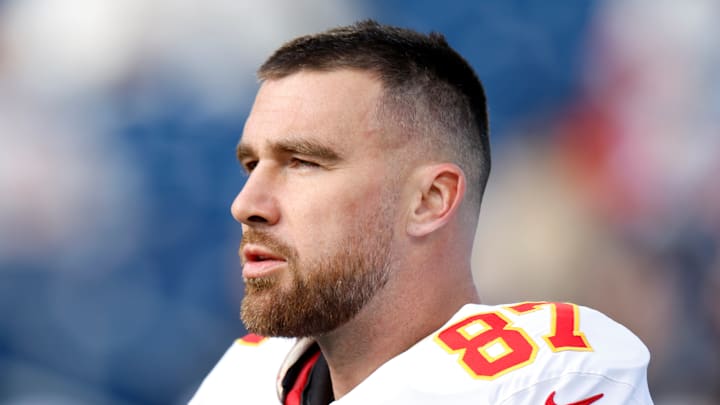
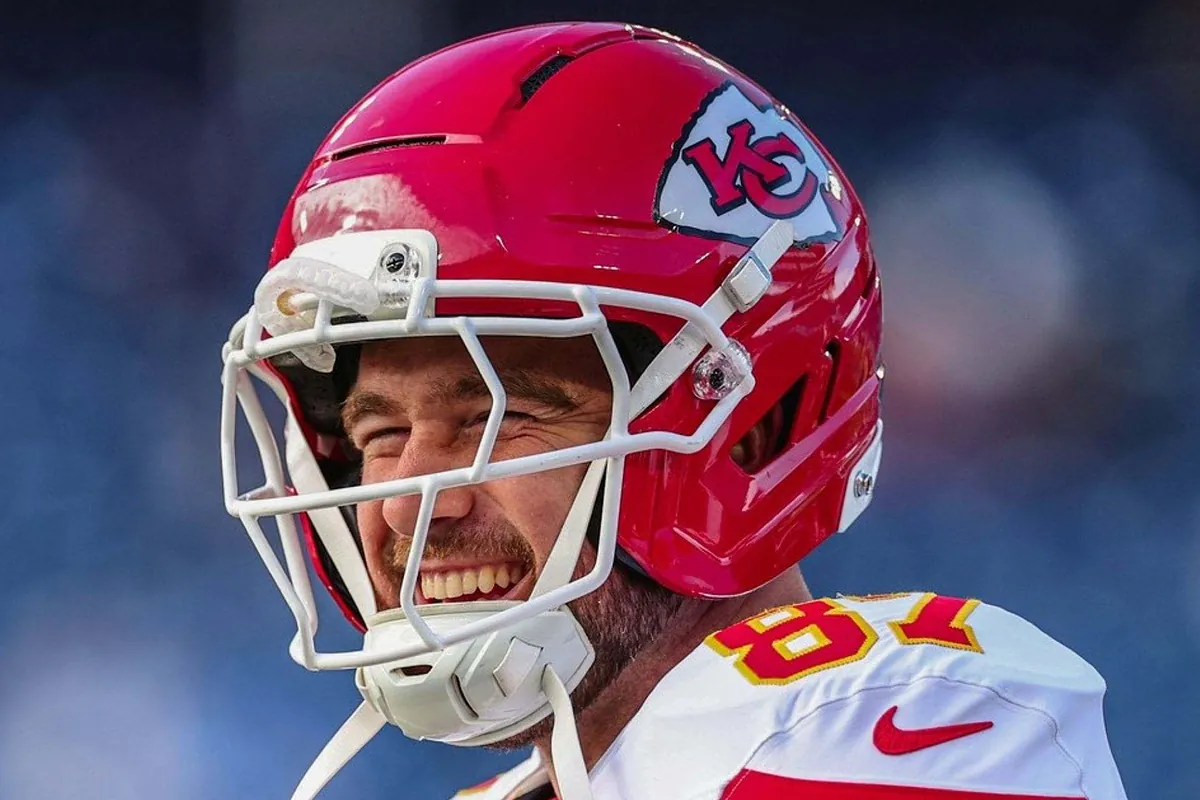
Head Coach Andy Reid's response provides a masterclass in leadership under duress. By emphasizing maintaining "passion and character" even amid potential first losing season since 2012, Reid illustrates how organizational culture can provide stability when performance metrics collapse. His praise for veteran players like Chris Jones and Travis Kelce suggests a strategic focus on psychological resilience over immediate competitive outcomes.
The unfolding narrative transcends sports, offering a compelling case study in organizational adaptation. When core performers are unexpectedly removed, how do systems respond? The Chiefs' experience reveals that sustainable success isn't just about star talent, but about depth, preparation, and maintaining competitive spirit through systemic challenges.
Questions 3
How might these injury trends impact team strategy and player development?
The current injury landscape suggests teams will likely increase investments in player health monitoring, more robust training protocols, and developing versatile backup talent. The financial and competitive stakes of losing star players are now more apparent than ever.
What broader implications do these injuries have for NFL team management?
These injuries highlight the critical importance of roster depth and backup strategy. Teams must now invest more in comprehensive succession planning, particularly for key positions like quarterback, to maintain competitive performance during unexpected personnel disruptions.