



Media Integrity Under Siege: CBS's Suppressed Venezuelan Deportation Story Reveals Deeper Journalistic Tensions
- Exposing the Fragile Boundaries Between Editorial Independence and Political Pressure







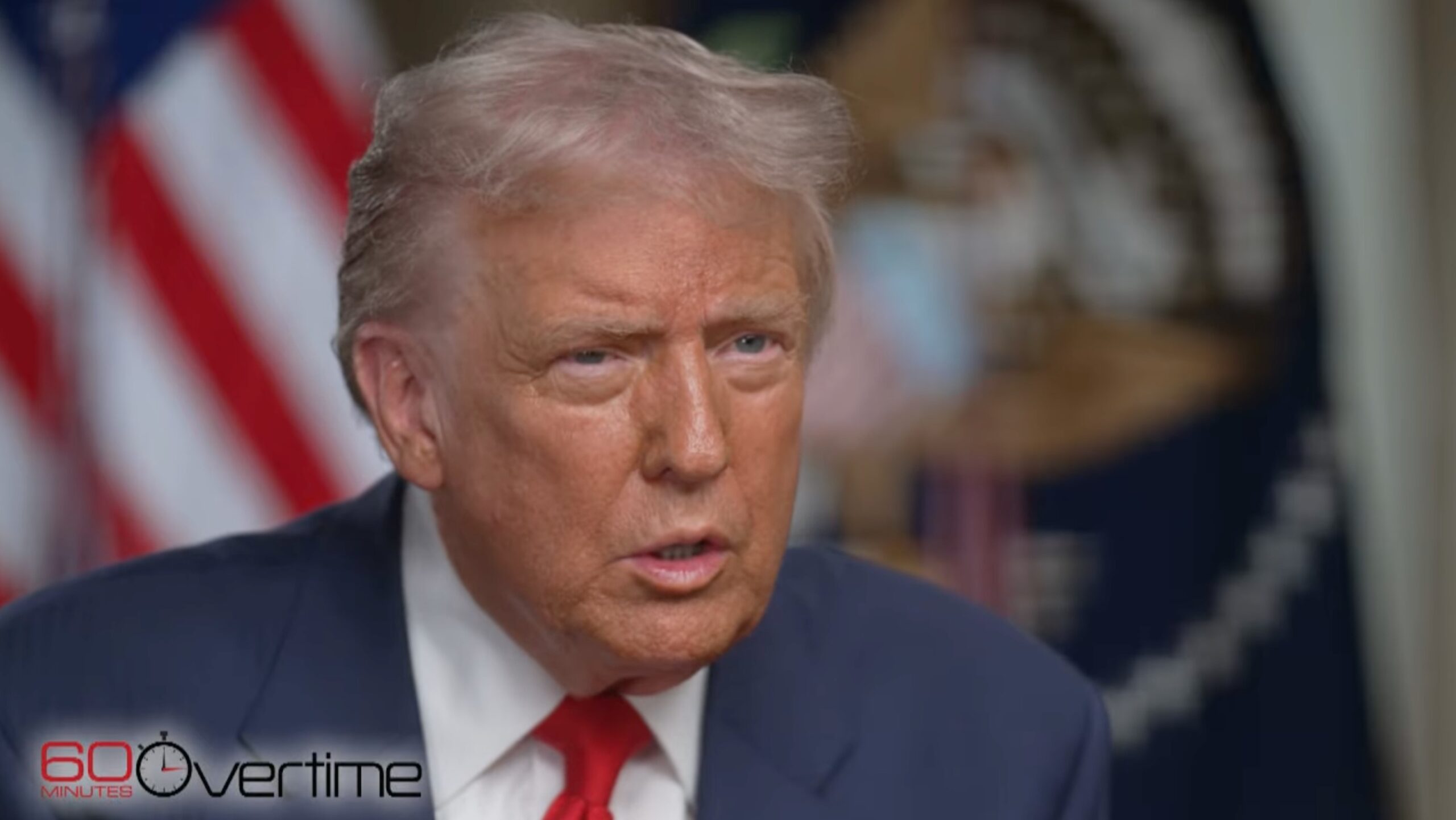






Overview
In an unprecedented display of editorial interference, CBS News has exposed the increasingly precarious landscape of investigative journalism. The abrupt pulling of a 60 Minutes segment on Venezuelan migrant deportations reveals a critical inflection point where journalistic integrity confronts political manipulation.
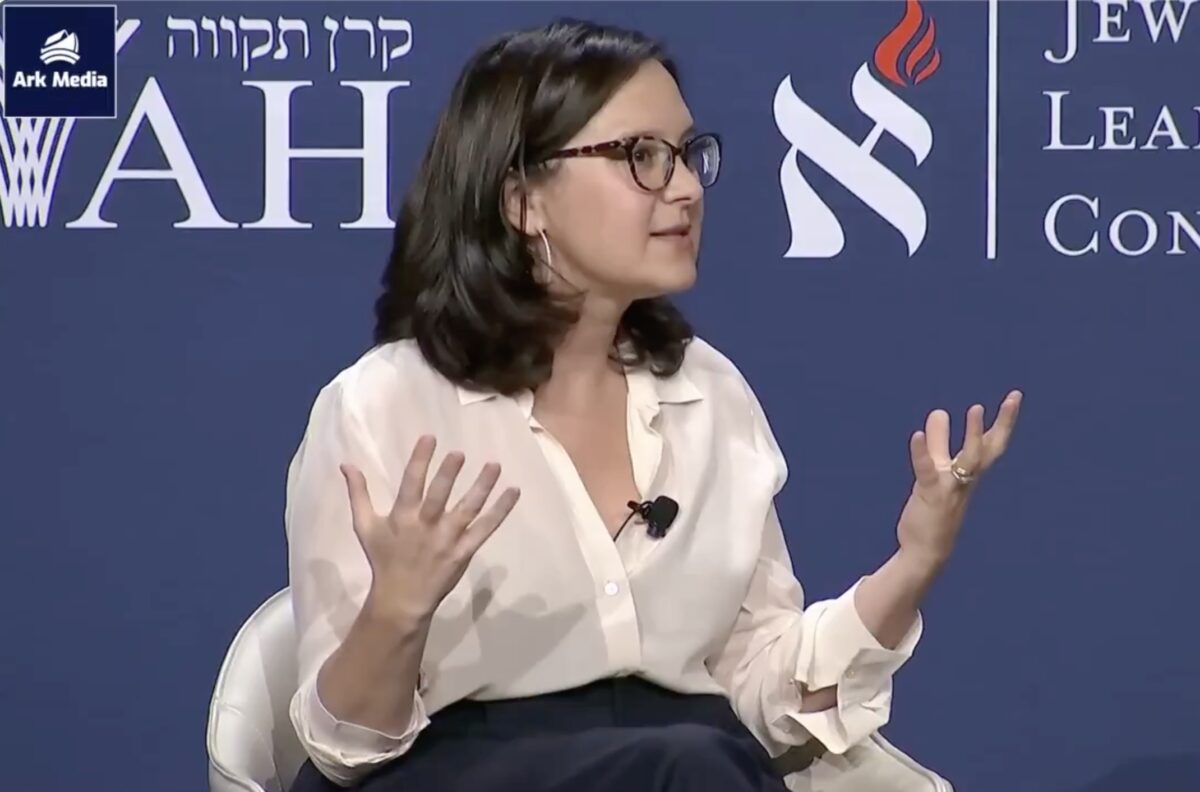
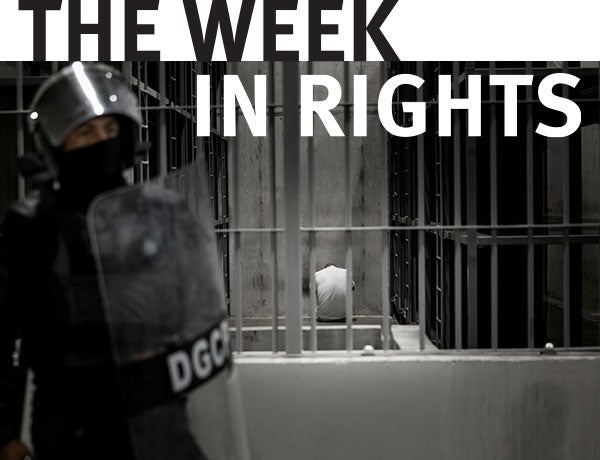
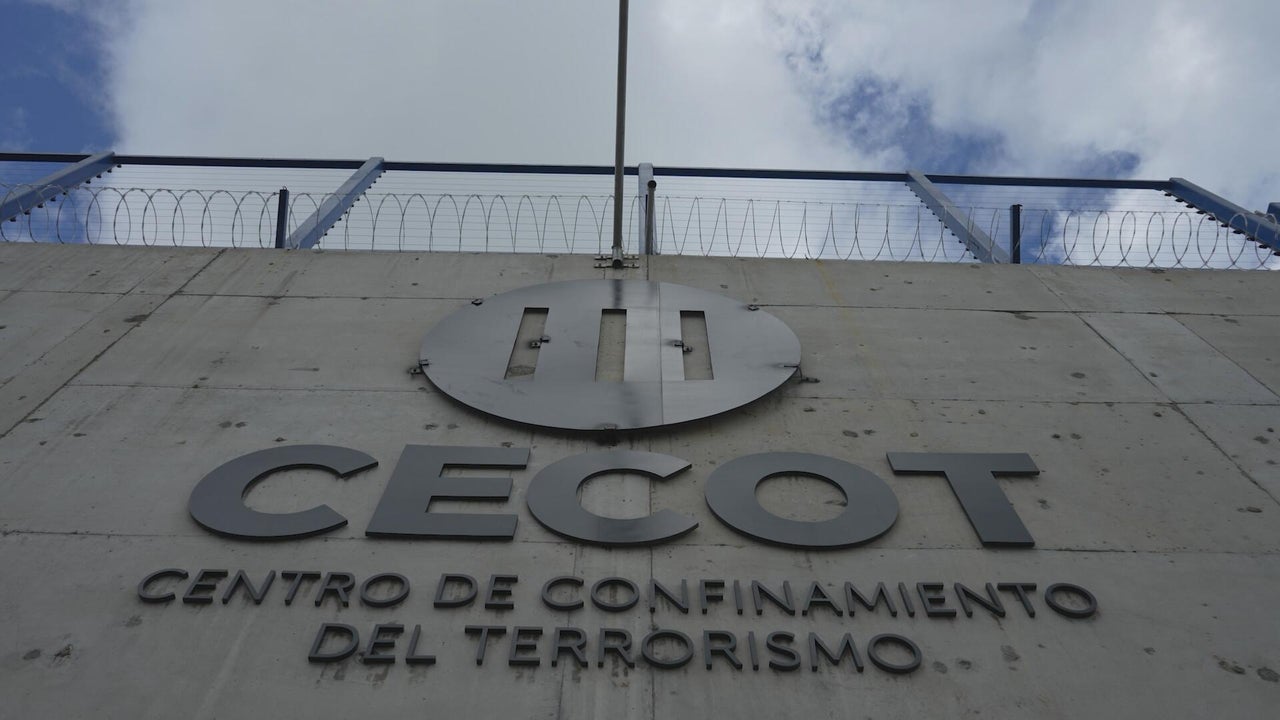
The core incident centers on correspondent Sharyn Alfonsi's meticulously researched report about Venezuelan migrants deported to El Salvador's CECOT prison, a story that had already passed five internal screenings. Bari Weiss, the newly appointed CBS News editor-in-chief, intervened to halt the segment just three hours before broadcast—a move Alfonsi explicitly characterized as "political" rather than editorial.
This isn't merely an isolated incident but a symptom of broader systemic pressures. The Trump administration's refusal to grant interviews and the subsequent suppression of the story underscore a dangerous precedent: transforming media into a potential "stenographer for the state". By preventing the broadcast of a factually verified investigation into migrant deportation conditions, powerful institutions are effectively weaponizing editorial processes to control narrative landscapes.
The implications extend far beyond this single story. When journalistic investigations can be summarily dismissed without substantive critique, the fundamental mechanisms of public accountability erode. Alfonsi's resistance—her explicit email challenging the decision—represents a critical moment of professional pushback against institutional censorship.
For media professionals and consumers alike, this incident signals a critical warning: the boundaries between independent reporting and political influence are becoming increasingly blurred. The story of a suppressed 60 Minutes segment is ultimately a story about the ongoing battle for transparent, uncompromised journalism in an era of heightened political polarization.
Questions 3
What are the broader implications of this editorial intervention?
This incident reveals growing tensions between journalistic integrity and potential political interference. It suggests a dangerous trend where media organizations might prioritize political considerations over investigative reporting, potentially compromising their role in providing public accountability.
Why was the 60 Minutes segment about Venezuelan deportations pulled?
The segment was pulled after Bari Weiss, CBS News's new editor-in-chief, requested multiple changes. Correspondent Sharyn Alfonsi argued the story was factually correct and had already passed five internal screenings, suggesting the removal was politically motivated rather than based on journalistic standards.