





Political Earthquake in Spain: Sánchez's Socialist Party Crumbles Under Scandal Pressure
- Regional Election Signals Potential Nationwide Power Shift and Governance Crisis

















Overview
The Spanish political landscape is experiencing a seismic transformation, with Prime Minister Pedro Sánchez's Socialist Party facing an unprecedented crisis of credibility. The recent regional election in Extremadura serves as a critical bellwether, revealing deep structural vulnerabilities in the current government's political foundation.
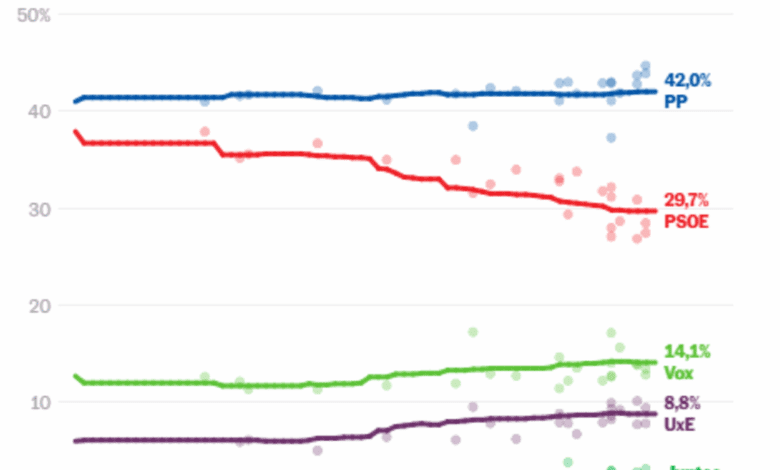
In a stunning electoral rebuke, the People's Party secured a decisive victory, winning 29 seats (43% of votes) compared to the Socialist Party's dramatic decline to just 18 seats. This 10-seat swing represents more than a simple electoral setback—it signals a profound erosion of public trust triggered by a cascade of corruption and sexual harassment scandals.
The mounting allegations paint a damaging portrait of systemic ethical breaches. From Miguel Ángel Gallardo's alleged nepotistic job creation to accusations against Sánchez's wife Begoña Gómez regarding improper university sponsorships, and the resignation of key party figures like Santos Cerdán over COVID-19 contract improprieties, the scandals have systematically undermined the party's progressive credentials.
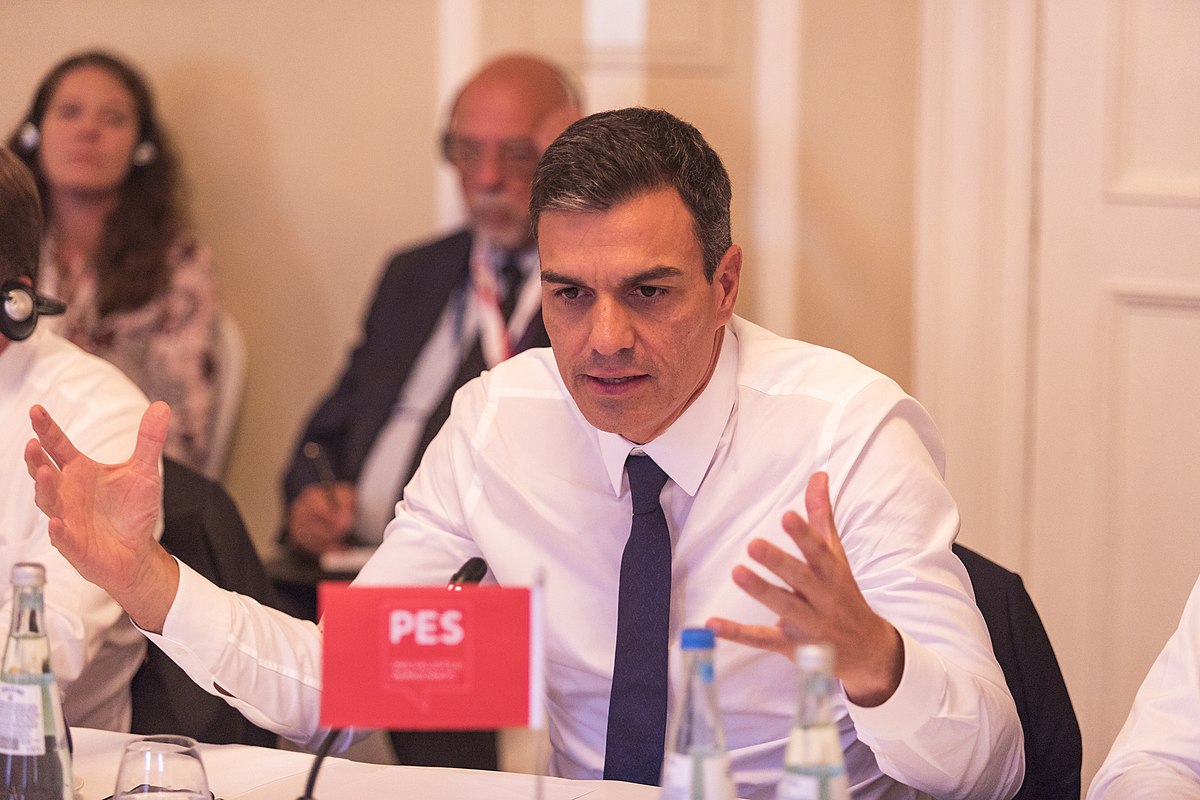
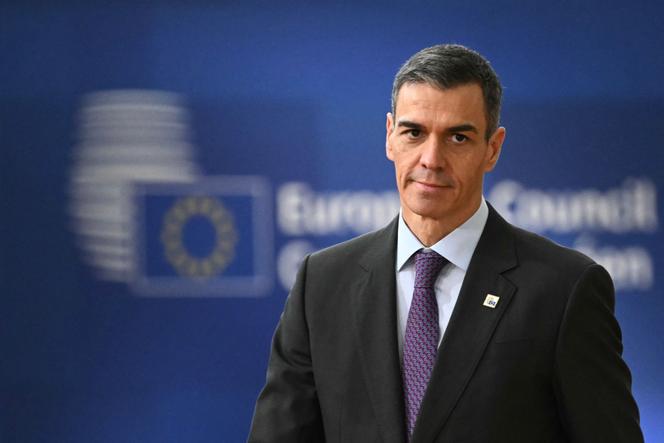
These revelations are particularly devastating because they strike at the heart of the Socialist Party's carefully cultivated image. Sánchez, who positioned himself as a champion of women's rights and governmental transparency, now finds his political narrative fundamentally compromised. The sexual misconduct allegations, including the resignation of senior party figure Francisco Salazar, have created a perfect storm of political vulnerability.
The conservative People's Party, led by Alberto Núñez Feijóo, is strategically positioning these scandals as evidence of systemic corruption. With polls suggesting a potential coalition with the far-right Vox party, the political landscape appears poised for a dramatic realignment.
For international observers and stakeholders, this goes beyond a simple electoral contest. It represents a critical inflection point in Spanish governance, where institutional trust is being dramatically recalibrated. The implications extend far beyond regional politics—they suggest a potential nationwide reconfiguration of political power dynamics.
Questions 3
What are the potential long-term consequences of these political scandals?
These scandals risk permanently damaging the Socialist Party's progressive image and institutional credibility. They may accelerate the rise of conservative political alternatives, potentially leading to a major realignment in Spanish political power structures and governance approaches.
How might these regional election results impact national Spanish politics?
The Extremadura election could be a critical turning point, potentially signaling a broader nationwide shift away from the Socialist Party. The substantial seat loss and mounting scandals suggest growing voter dissatisfaction that could translate into significant changes in future national elections.