


Diplomatic Chess: Turkey's Emerging Role in Gaza Conflict Mediation
- Geopolitical Realignment Signals Complex Multilateral Negotiation Dynamics





Overview
Diplomatic tensions in the Gaza conflict are revealing a nuanced geopolitical reconfiguration, with Turkey emerging as a critical mediator amid escalating regional complexities. The recent diplomatic engagements highlight a strategic shift where traditional power dynamics are being challenged by more agile, multilateral negotiation approaches.
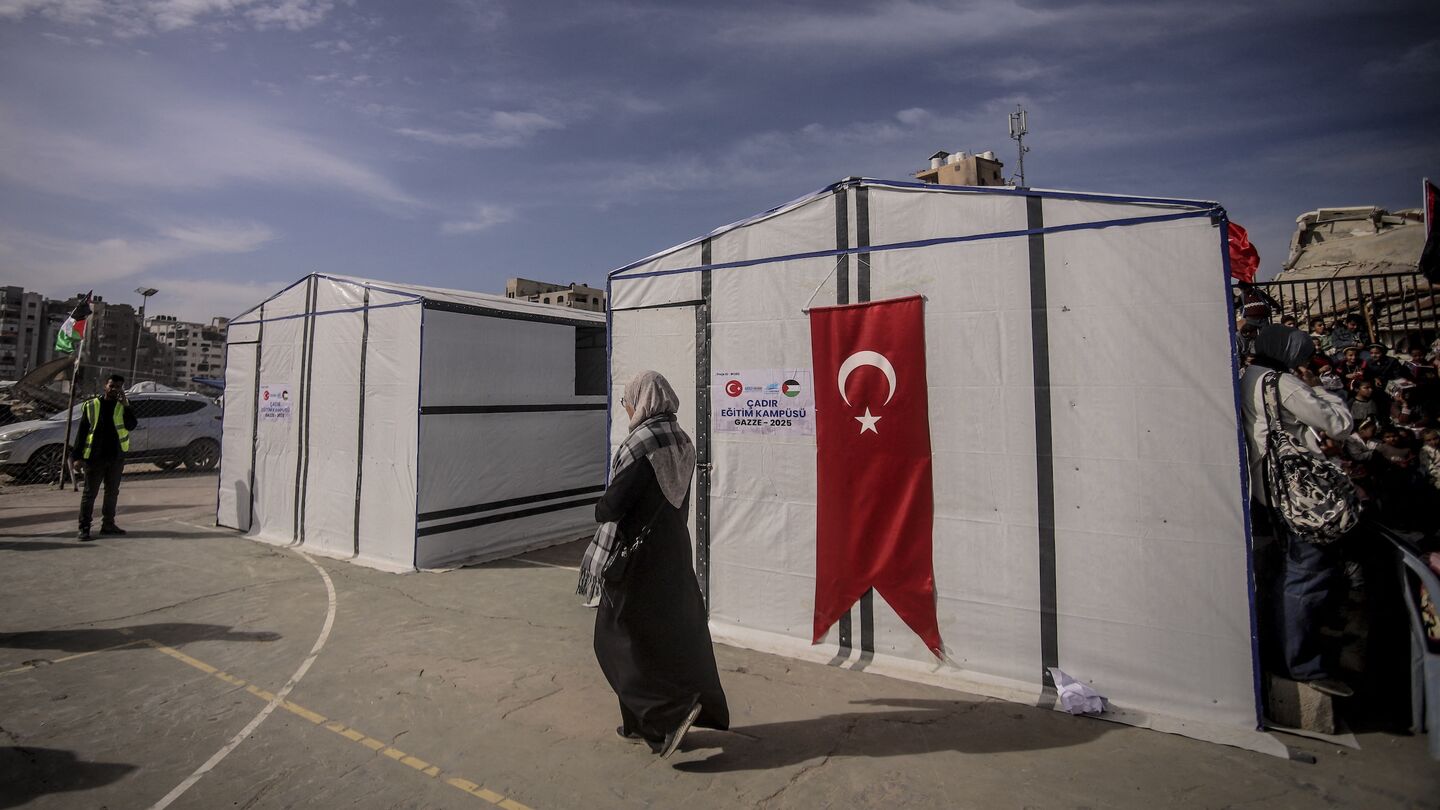
Turkey's strategic positioning becomes particularly evident through its active diplomatic interventions. In a pivotal meeting between Hamas' negotiating team head Khalil Al-Hayya and Turkey's MIT intelligence chief Ibrahim Kalin, the discussions transcended mere dialogue, representing a sophisticated attempt to stabilize the region through intricate negotiation mechanisms. This engagement underscores Turkey's ambition to be more than a passive observer, actively shaping conflict resolution strategies.
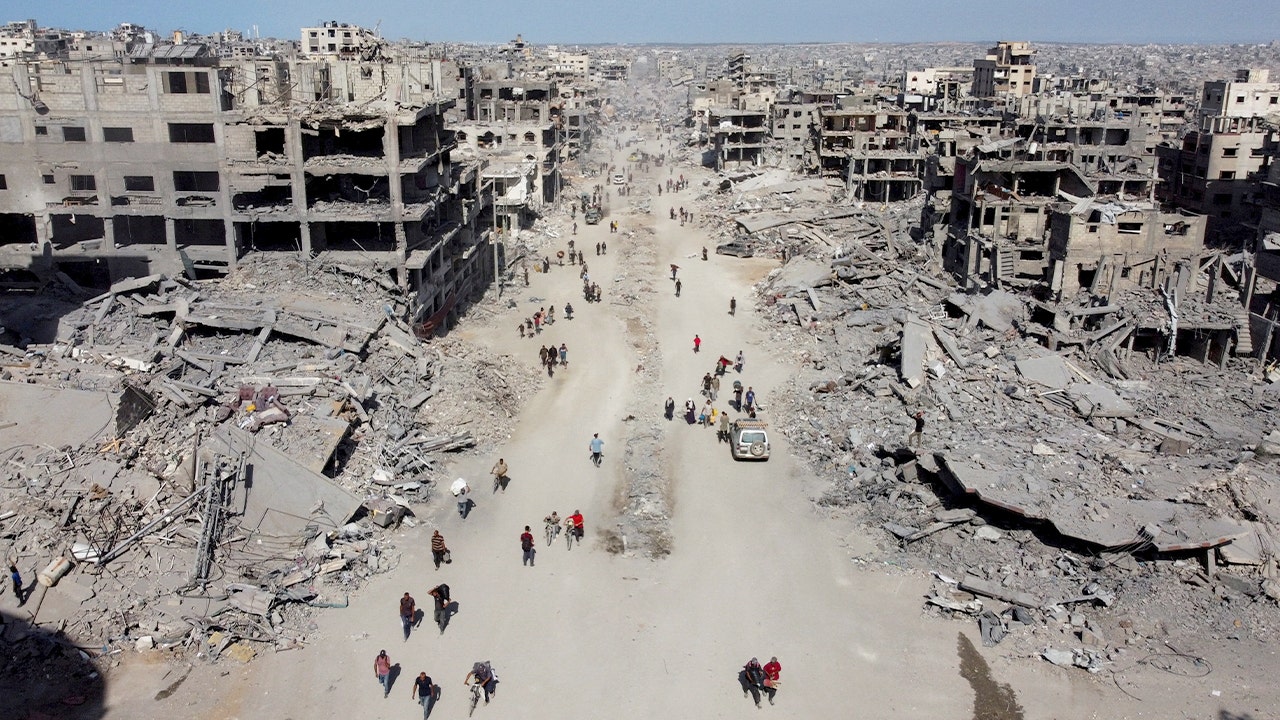
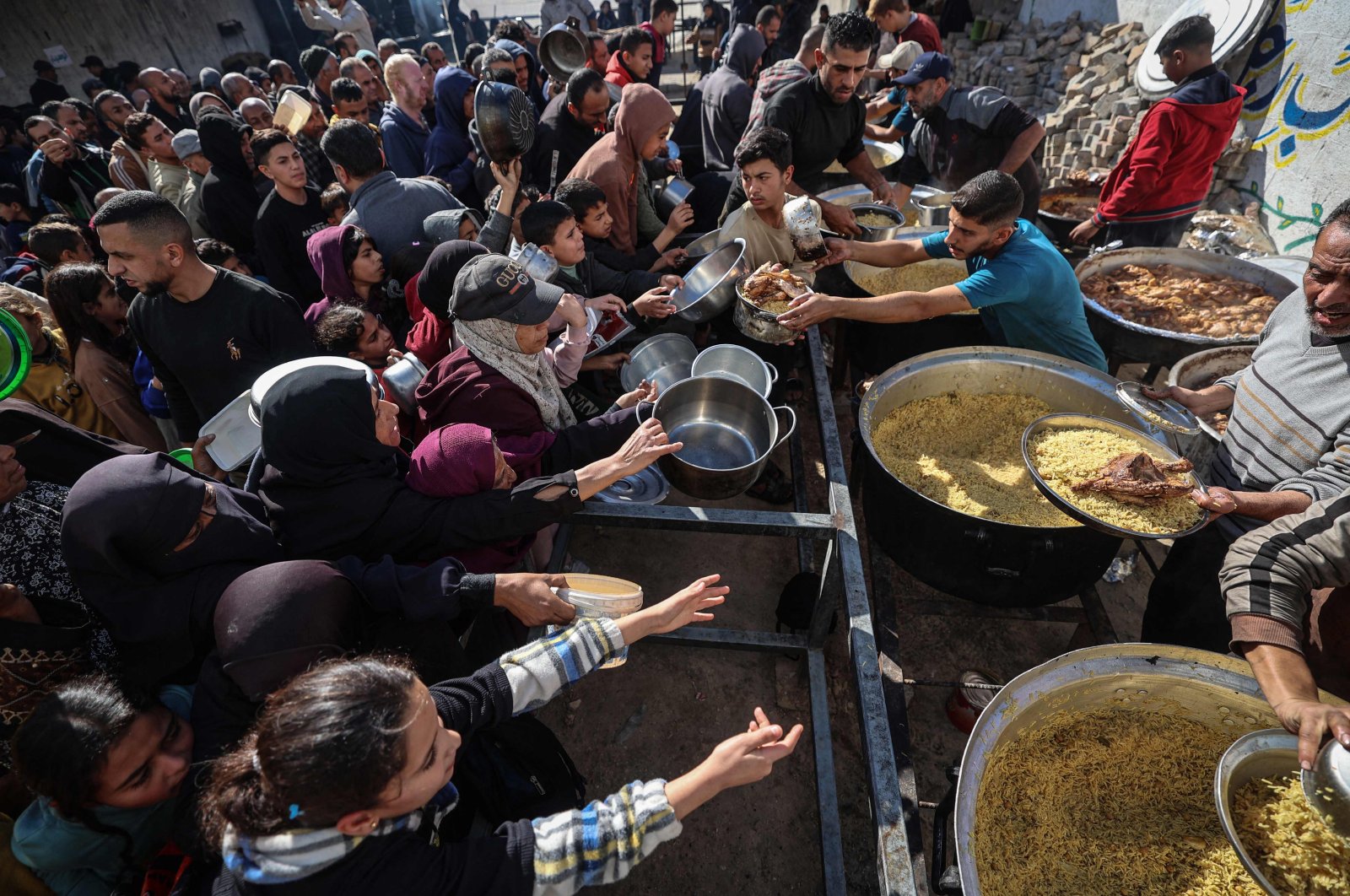
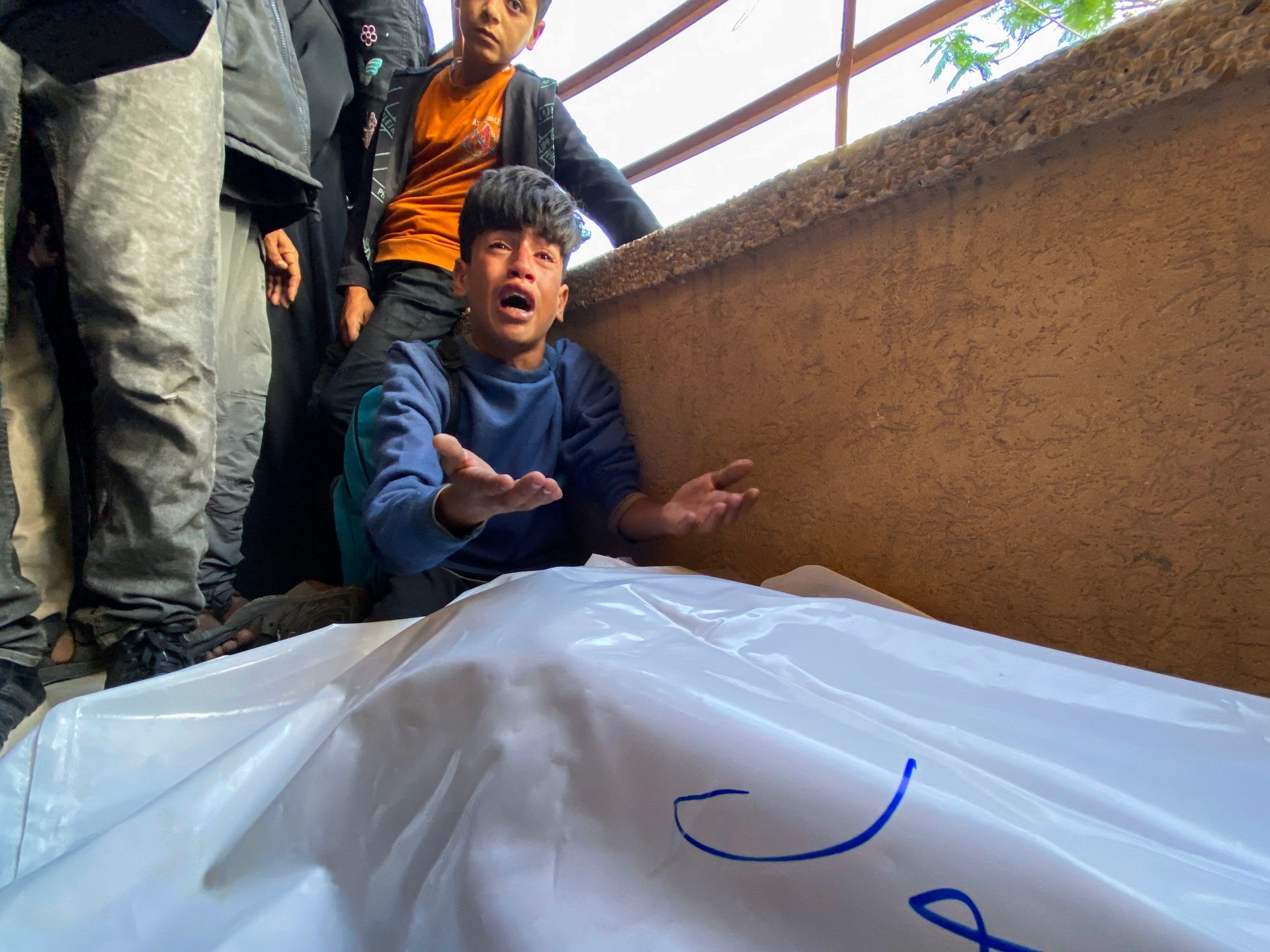
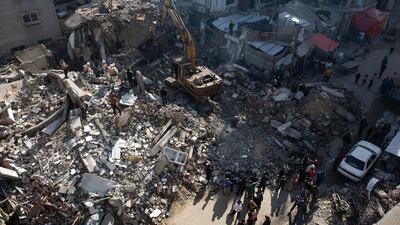
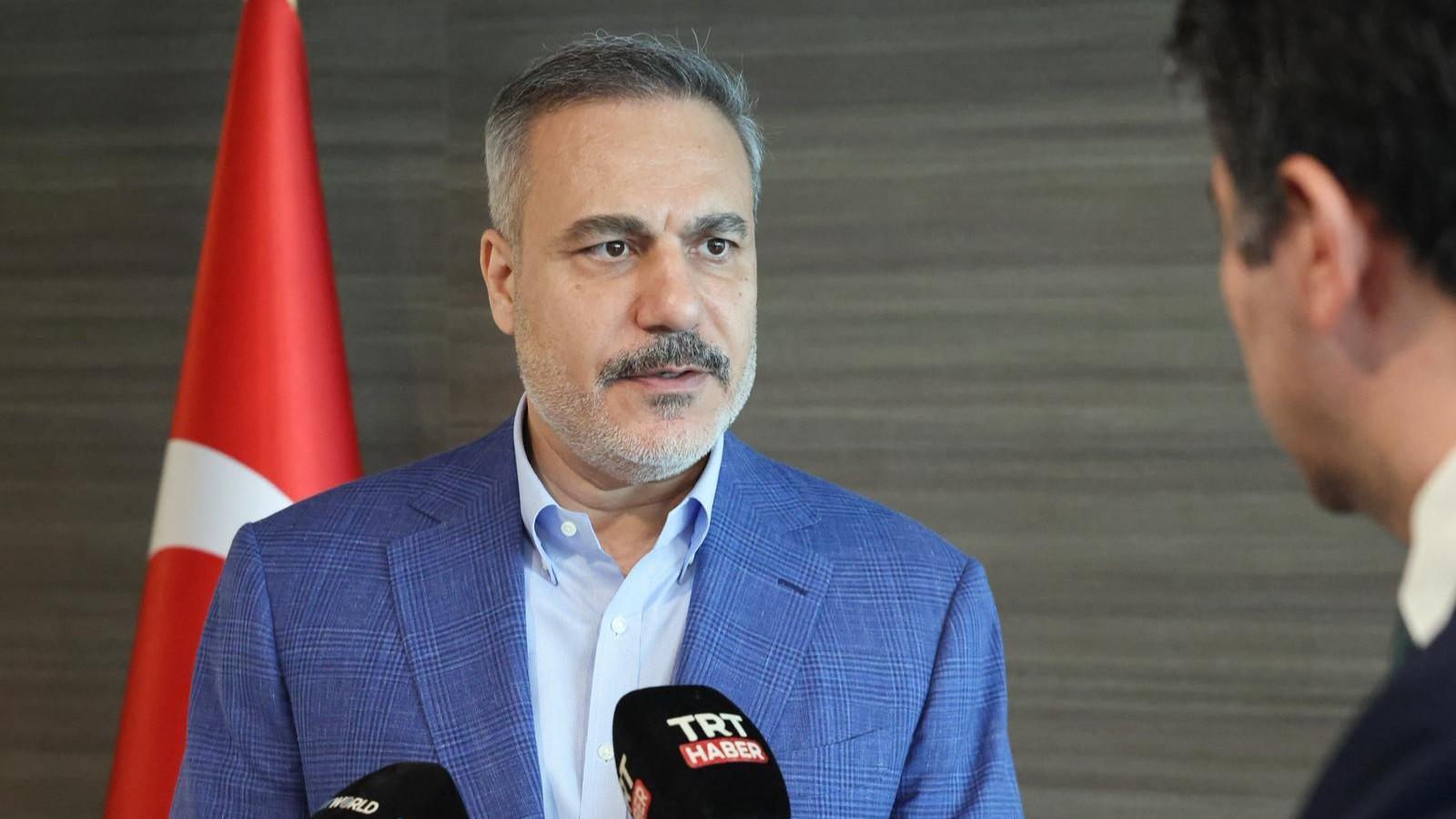
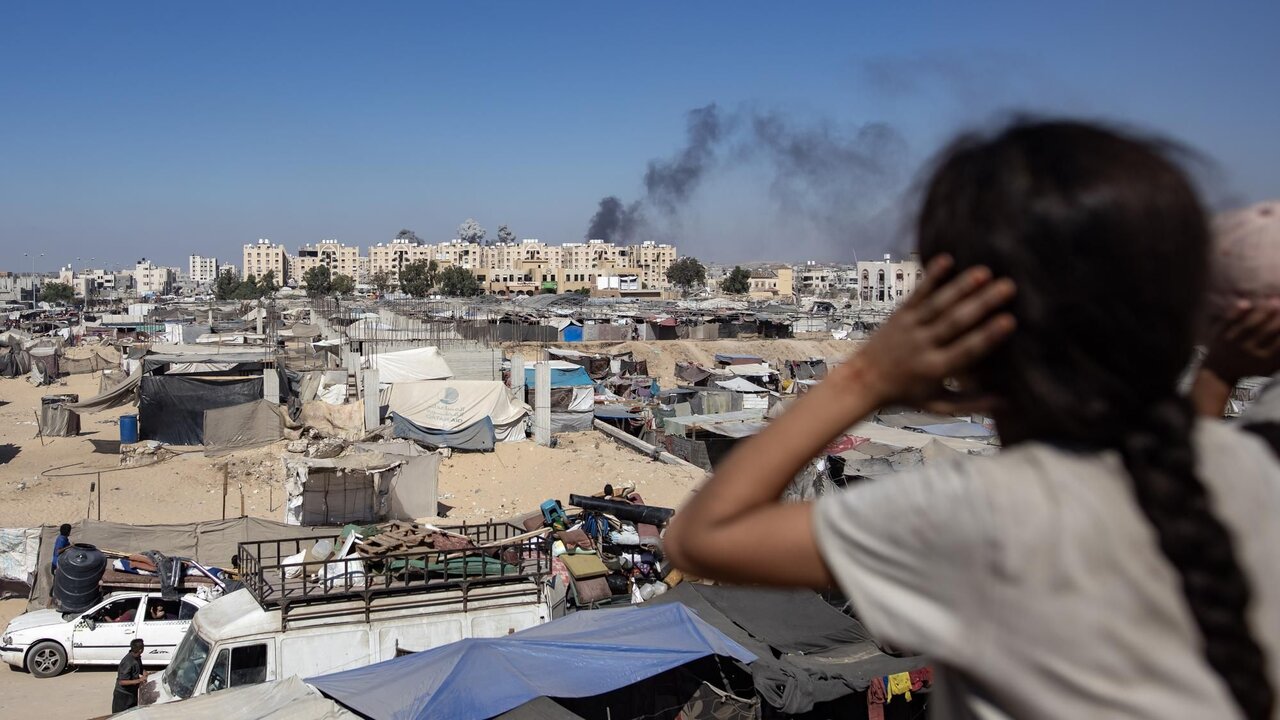
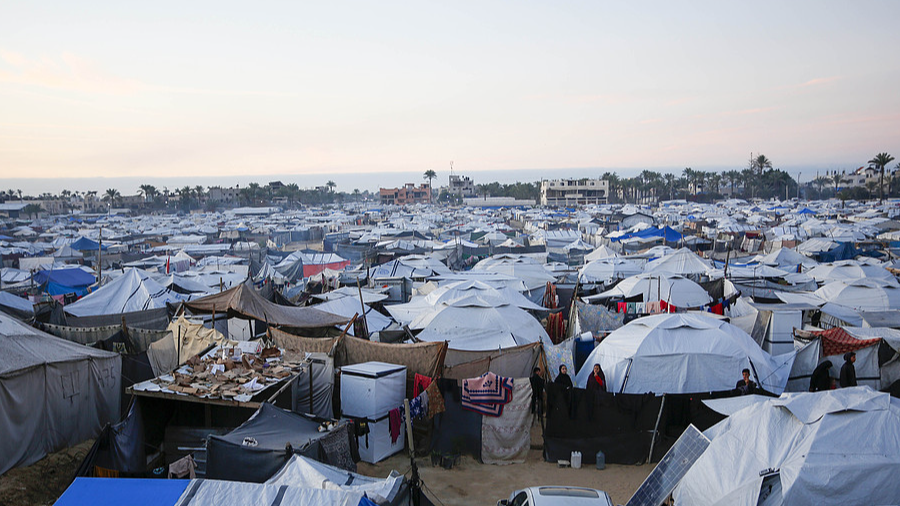
The diplomatic landscape is further complicated by systemic ceasefire violations. With over 730 documented breaches and approximately 70,700 Palestinians killed since October, the conflict has reached a critical inflection point. Turkish Foreign Minister Hakan Fidan's stark assessment that Israeli actions are making peace efforts "incredibly difficult" reveals the profound challenges facing international mediation efforts.
Critically, the negotiations involve a complex web of international actors. The diplomatic gathering in Miami, featuring foreign ministers from the United States, Egypt, Qatar, and Turkey, demonstrates a multilayered approach to conflict resolution. The discussions around establishing a transitional administration and preparing an international stabilization force reveal the intricate diplomatic choreography required to navigate this volatile landscape.
The pending meeting between US President Donald Trump and Israeli Prime Minister Benjamin Netanyahu at Mar-a-Lago adds another layer of geopolitical complexity, suggesting that behind-the-scenes diplomatic maneuvering remains crucial to potential breakthrough moments.
Ultimately, these developments signal a profound transformation in regional conflict management—where traditional bilateral approaches are giving way to more nuanced, multi-stakeholder diplomatic strategies. Turkey's emerging role represents a critical pivot point in this evolving geopolitical chess match.
Questions 3
Why is Turkey emerging as a key mediator in the Gaza conflict?
Turkey is positioning itself as a strategic diplomatic actor with complex regional relationships. Its ability to engage with multiple stakeholders like Hamas, international diplomatic corps, and regional powers gives it unique mediation capabilities that transcend traditional diplomatic approaches.
How do international actors view the current negotiation landscape?
International actors recognize the need for a multilateral approach, involving countries like the US, Egypt, Qatar, and Turkey. The focus is on establishing a transitional administration, preparing an international stabilization force, and creating mechanisms to prevent further violations.