


ASEAN's High-Stakes Diplomatic Gambit: Defusing the Thailand-Cambodia Border Powder Keg
- Urgent Mediation Reveals Fragile Regional Security Dynamics in Southeast Asia


























)

















Overview
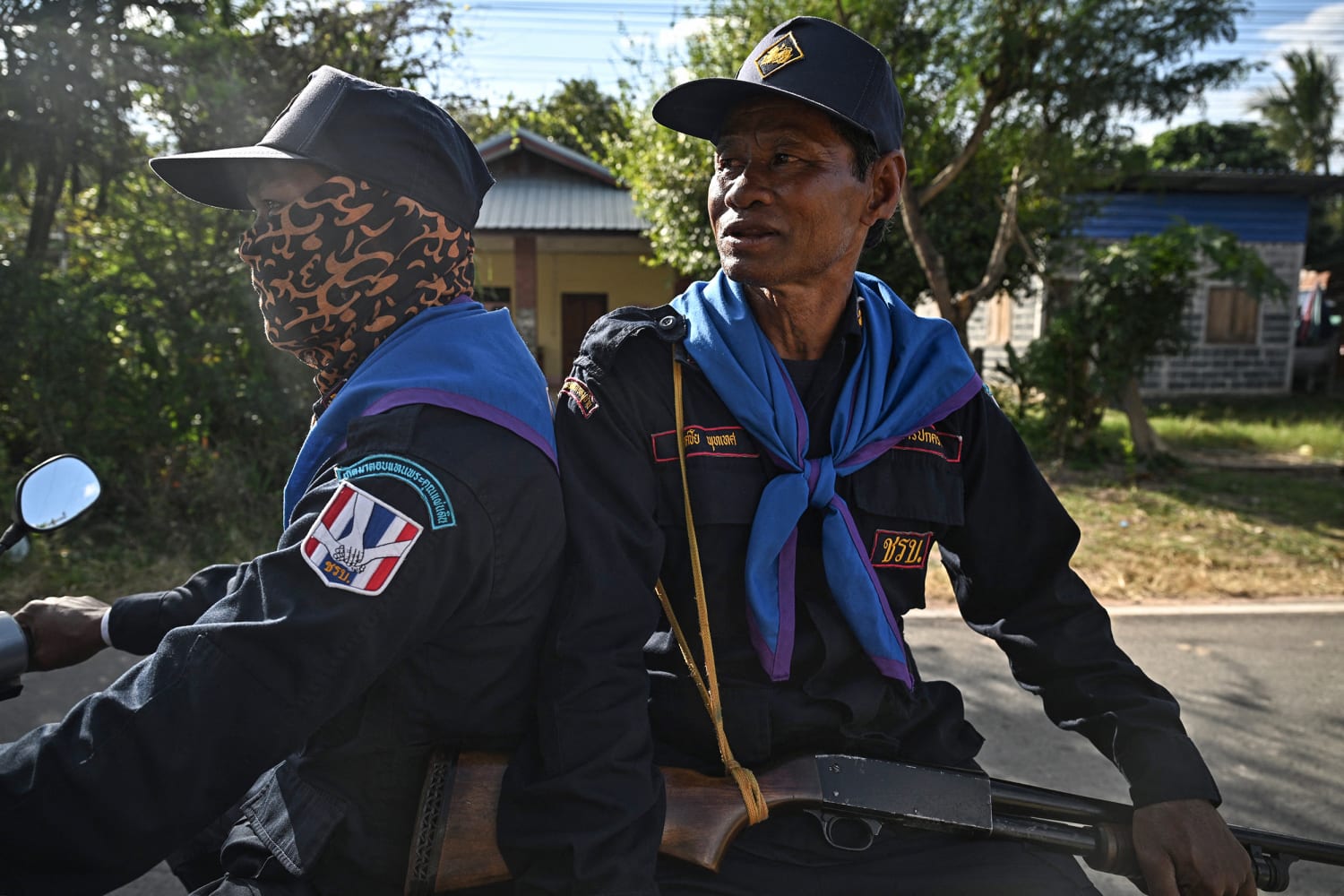
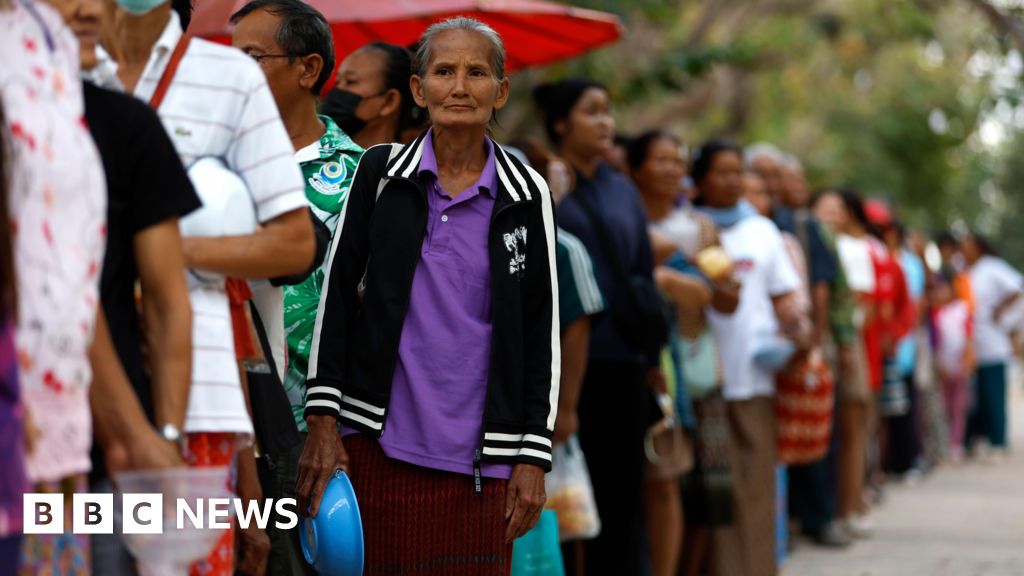
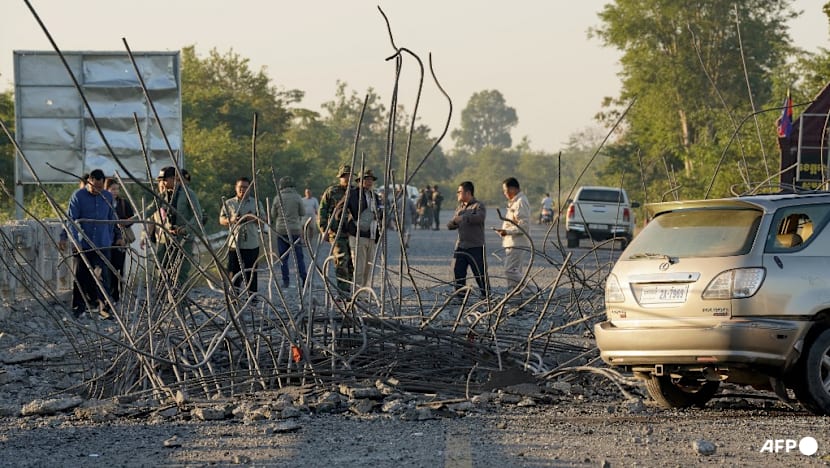
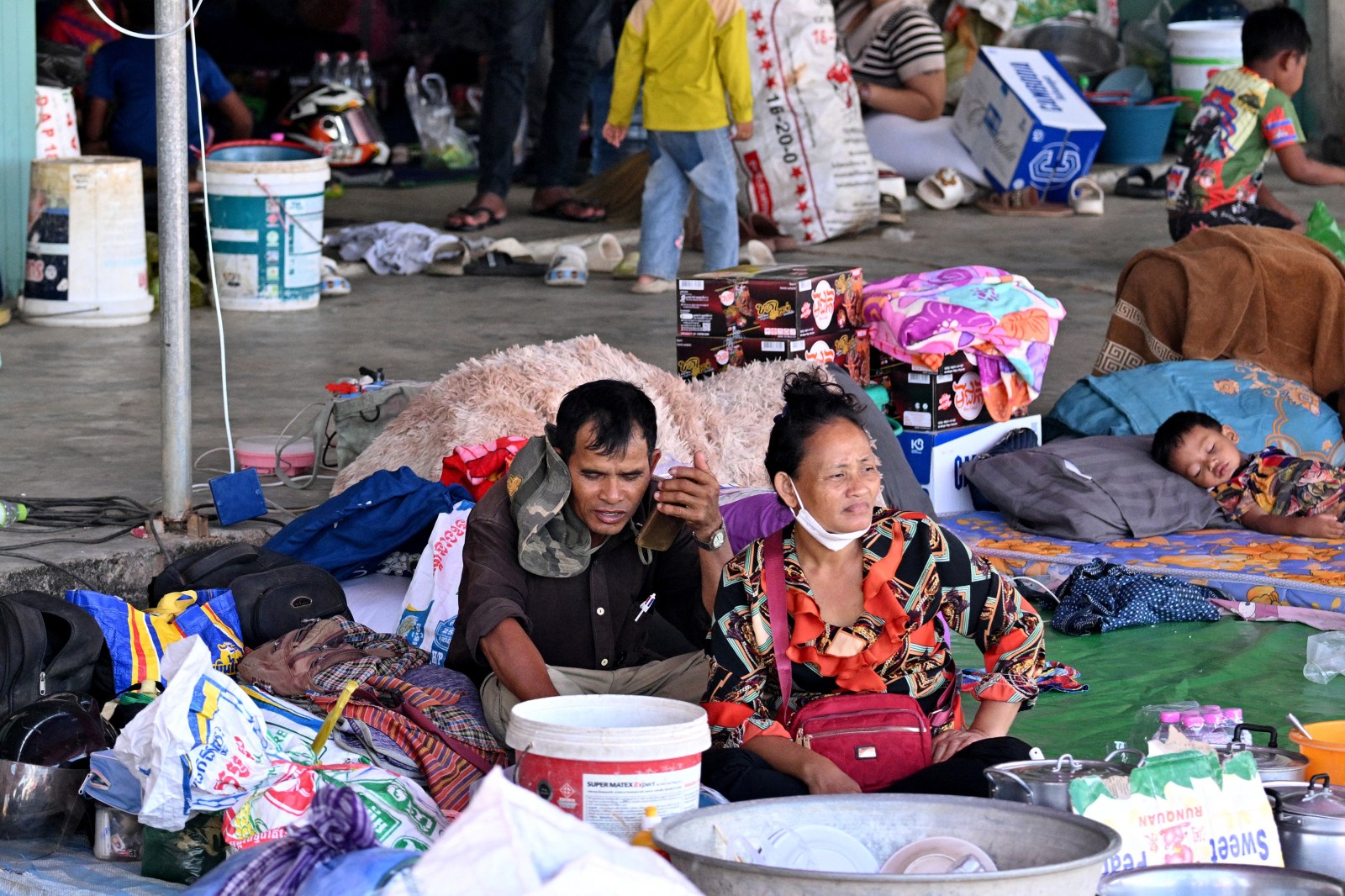
The escalating Thailand-Cambodia border conflict represents a critical inflection point for regional stability in Southeast Asia, with ASEAN's diplomatic machinery being stress-tested like never before. At the heart of this geopolitical tinderbox lies a complex 817-kilometer border dispute that has already claimed 41 lives and displaced nearly one million people, transforming a historical territorial disagreement into a potential regional catastrophe.
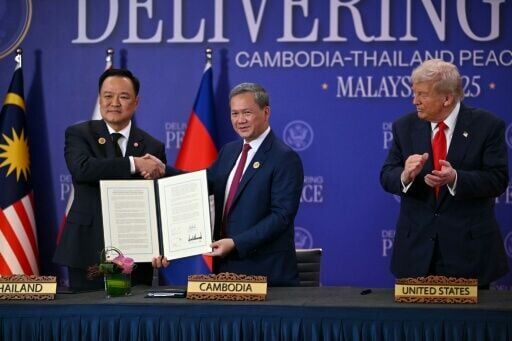
Strategic Diplomatic Intervention is now the primary mechanism for preventing further escalation. Malaysia, acting as the current ASEAN chair, has orchestrated a high-stakes diplomatic meeting in Kuala Lumpur that marks the first face-to-face interaction between Thai and Cambodian governments since hostilities resumed on December 8th. This intervention is particularly significant because it challenges the fundamental diplomatic credibility of ASEAN, representing the most severe inter-regional conflict since the organization's founding in 1967.
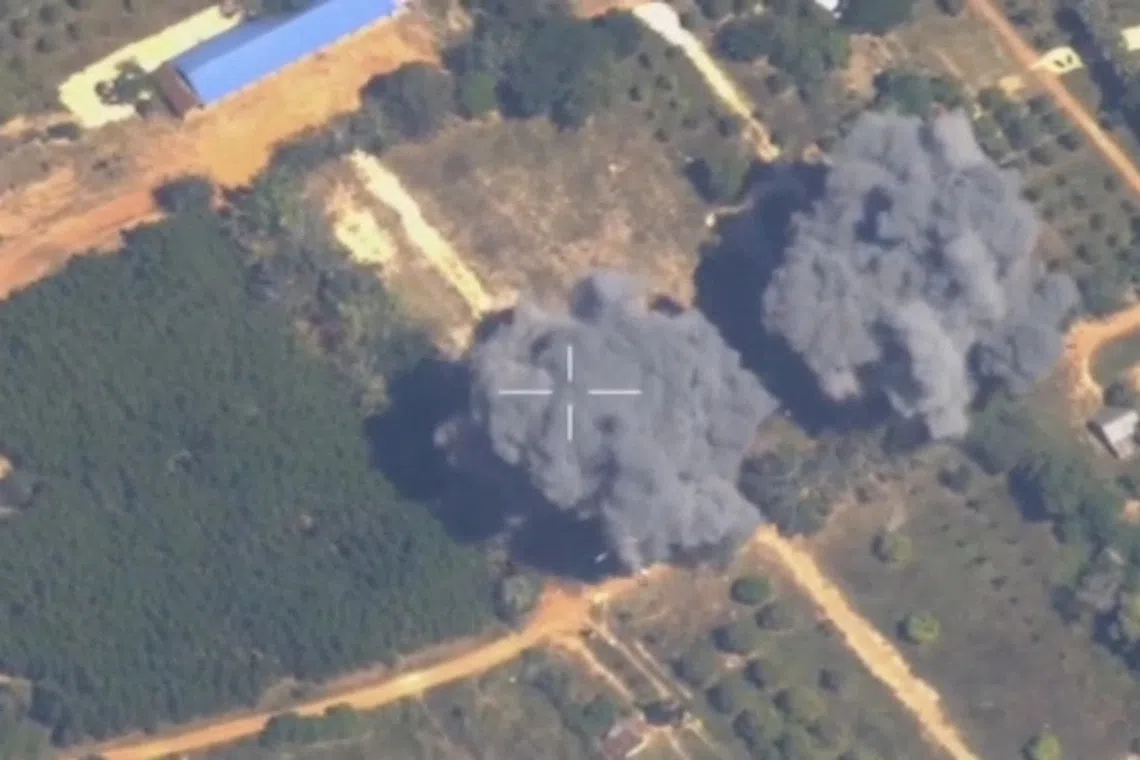
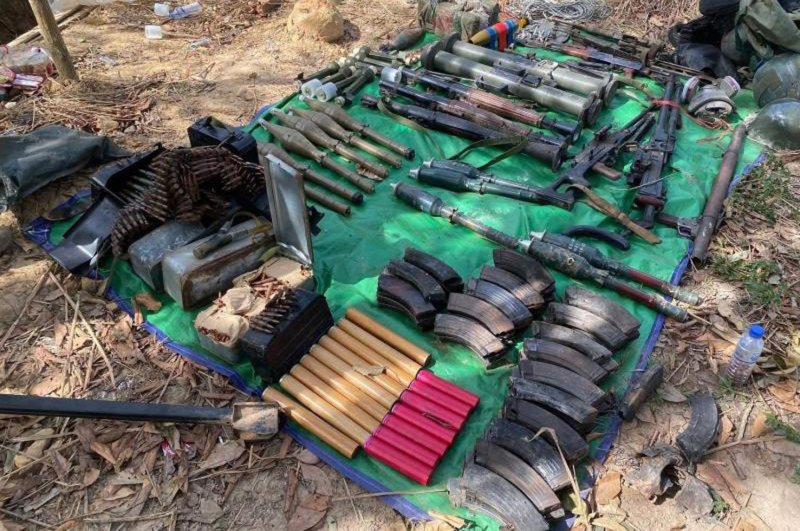
The conflict's complexity stems from multiple layers of tension. Military Provocations have included Thai airstrikes on Cambodian positions, fuel shipment blockades, and alleged drone bombing campaigns. Both nations maintain conflicting narratives, with each blaming the other for renewed hostilities. The international community, including the United States and China, is actively pursuing separate diplomatic channels, underscoring the global stakes of this regional confrontation.
What makes this situation particularly volatile is the breakdown of previous peace mechanisms. The short-lived July ceasefire and the broader October peace deal have proven fragile, revealing deep-seated mistrust between Thailand and Cambodia. The planned December 24th joint boundary committee meeting represents a critical opportunity to establish a detailed implementation plan for de-escalation, with both countries' foreign ministers emphasizing the need for comprehensive border demarcation and de-mining efforts.
The broader implications extend far beyond bilateral relations. This conflict challenges ASEAN's core mission of regional stability and exposes the organization's limitations in managing inter-member state tensions. The diplomatic efforts led by Malaysian Prime Minister Anwar Ibrahim signal a potentially transformative moment—either a breakthrough in regional conflict resolution or a potential unraveling of ASEAN's diplomatic cohesion.
Questions 4
What are the key factors escalating the Thailand-Cambodia border conflict?
The conflict involves long-standing territorial disputes, military provocations including airstrikes and drone attacks, infrastructure blockades, and a breakdown of previous ceasefire agreements. Historical border demarcation issues dating back to French colonial occupation continue to fuel tensions between the two nations.
How is ASEAN attempting to resolve this conflict?
ASEAN is leading a diplomatic intervention through a high-stakes meeting in Kuala Lumpur, bringing together Thai and Cambodian officials for the first time since hostilities resumed. Malaysia, as the current ASEAN chair, is presenting satellite monitoring data and facilitating negotiations, with a planned joint boundary committee meeting to discuss border demarcation and ceasefire mechanisms.