



Russia's Psychological Warfare Escalates with Strategic Border Provocations in Ukraine
- Targeted Civilian Abductions Signal Emerging Hybrid Conflict Strategy in Sumy Region











Overview
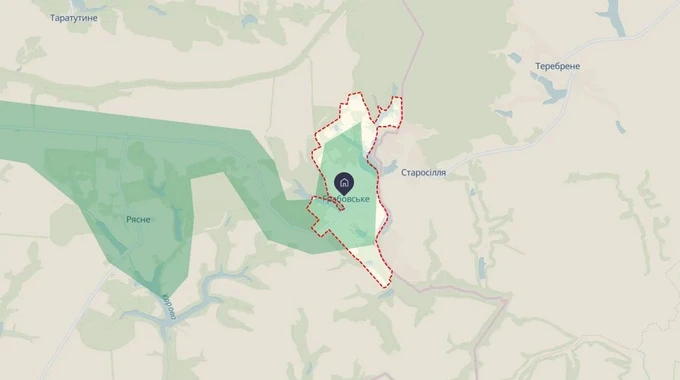
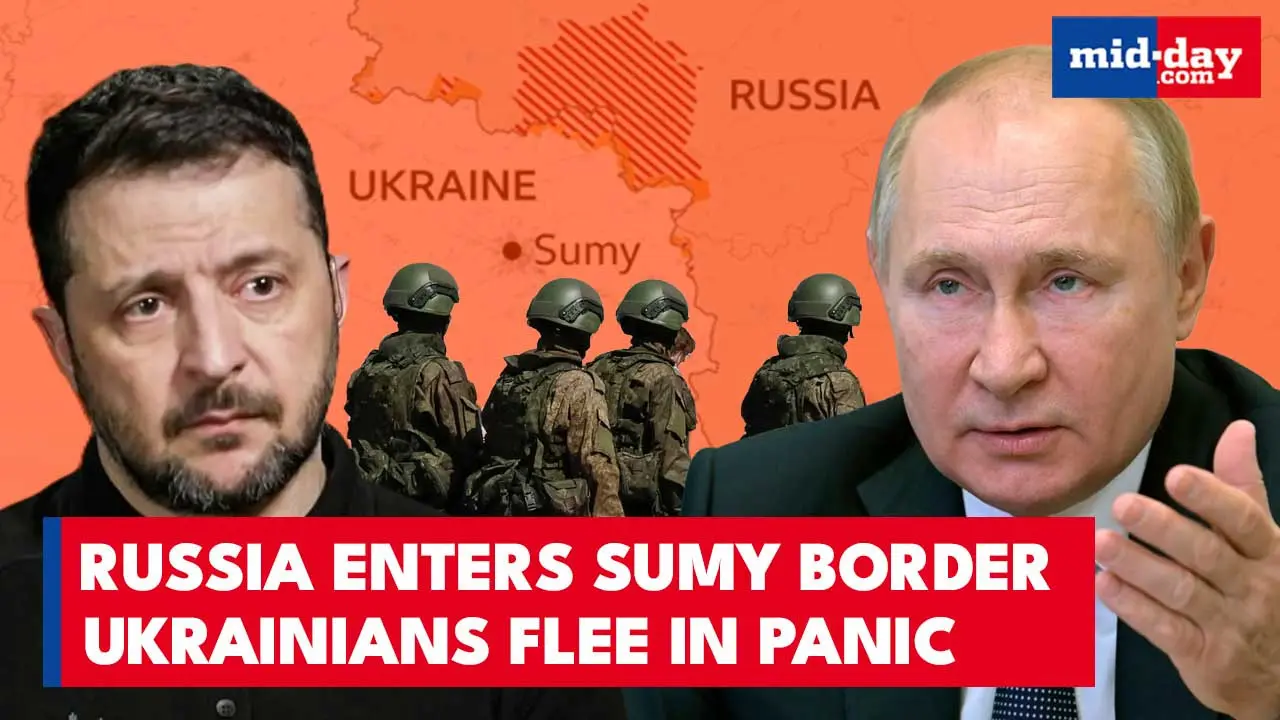
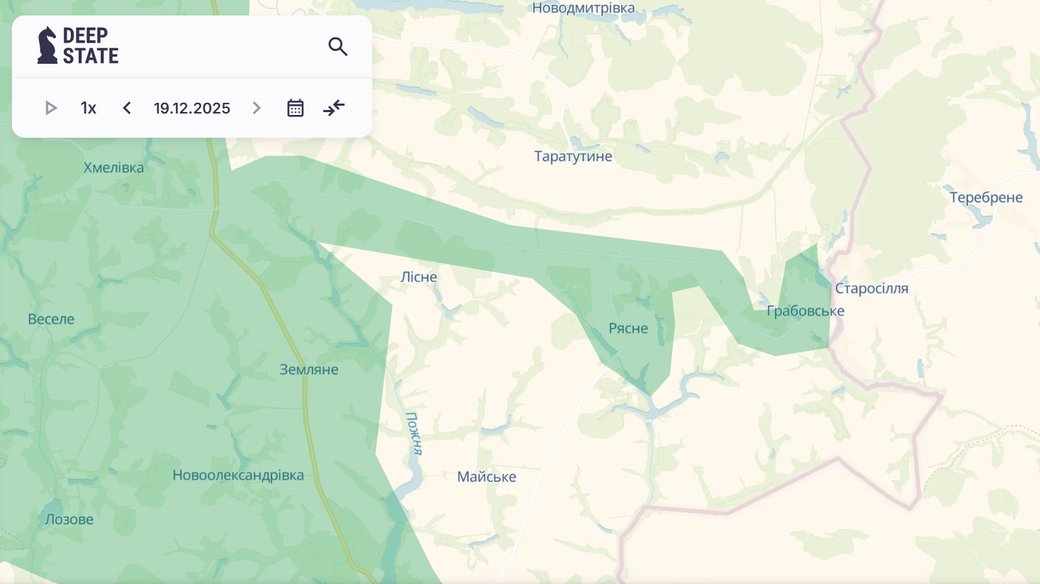
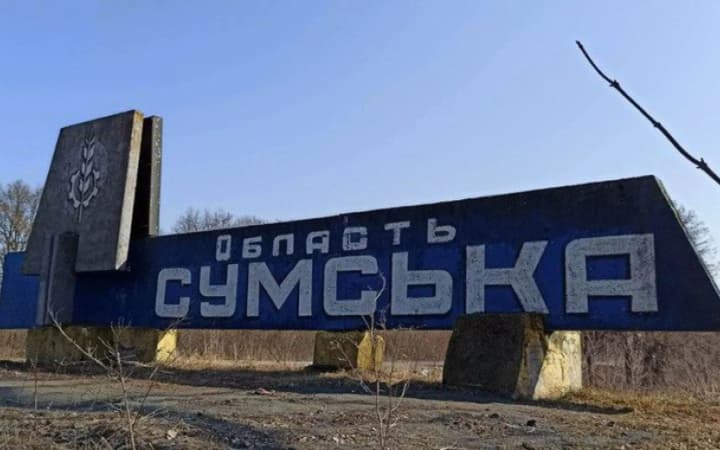
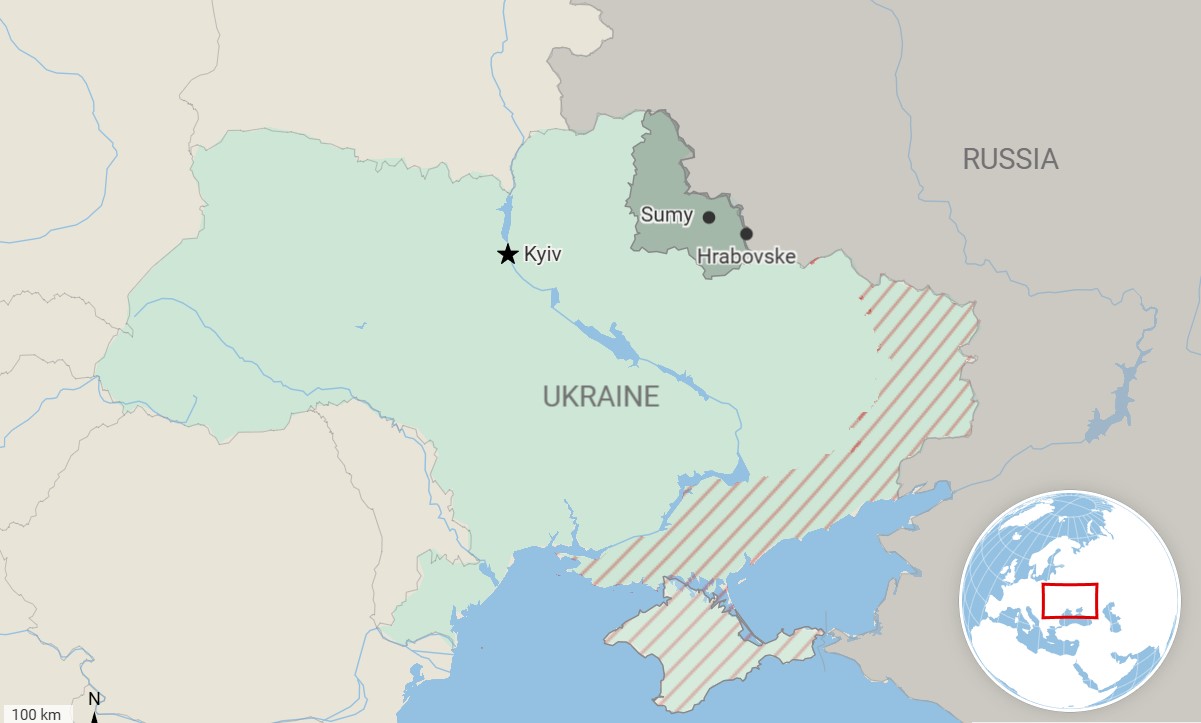
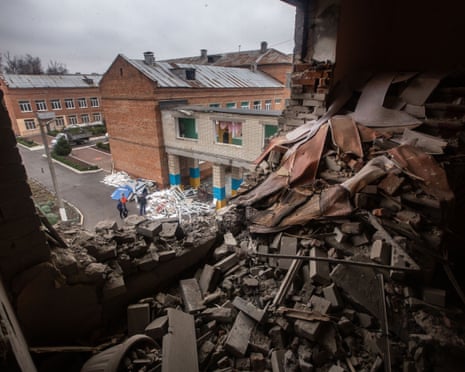
The ongoing Ukraine-Russia conflict has entered a nuanced phase of psychological warfare, where limited military incursions and civilian displacement are becoming strategic tools of geopolitical pressure. On December 19-21, 2025, Russian forces conducted a calculated cross-border operation in the Sumy region that represents more than a traditional military maneuver—it's a sophisticated information warfare campaign designed to destabilize Ukrainian resilience and test Western resolve.
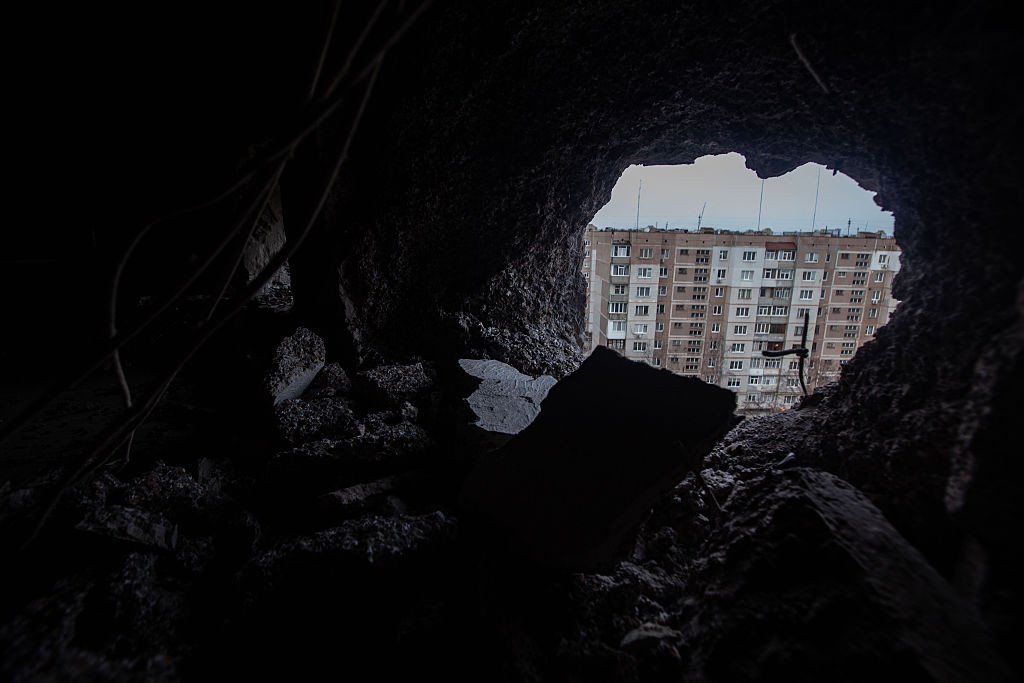
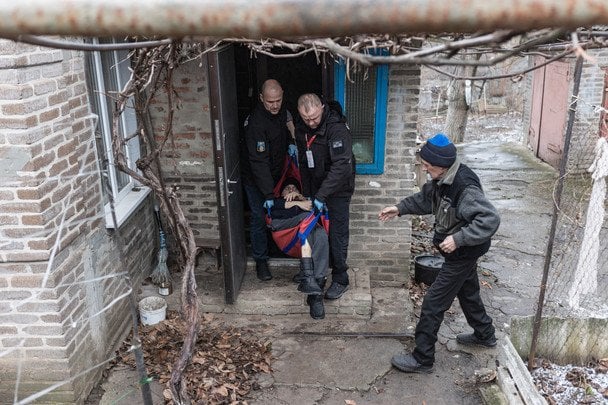
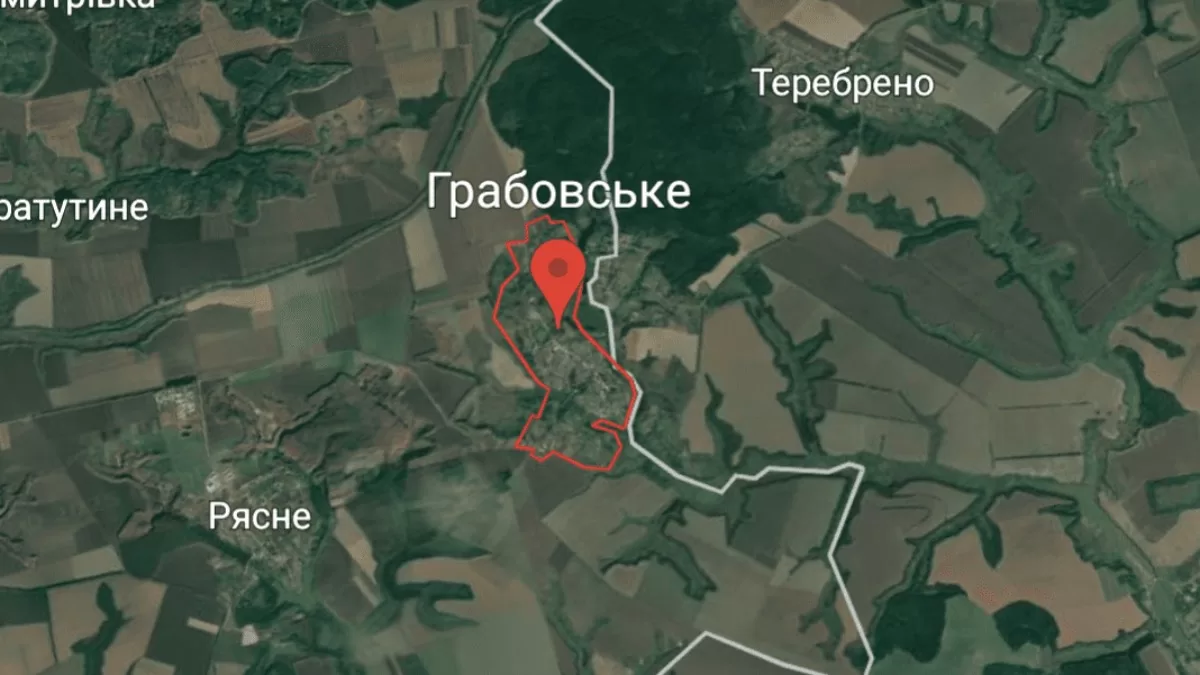
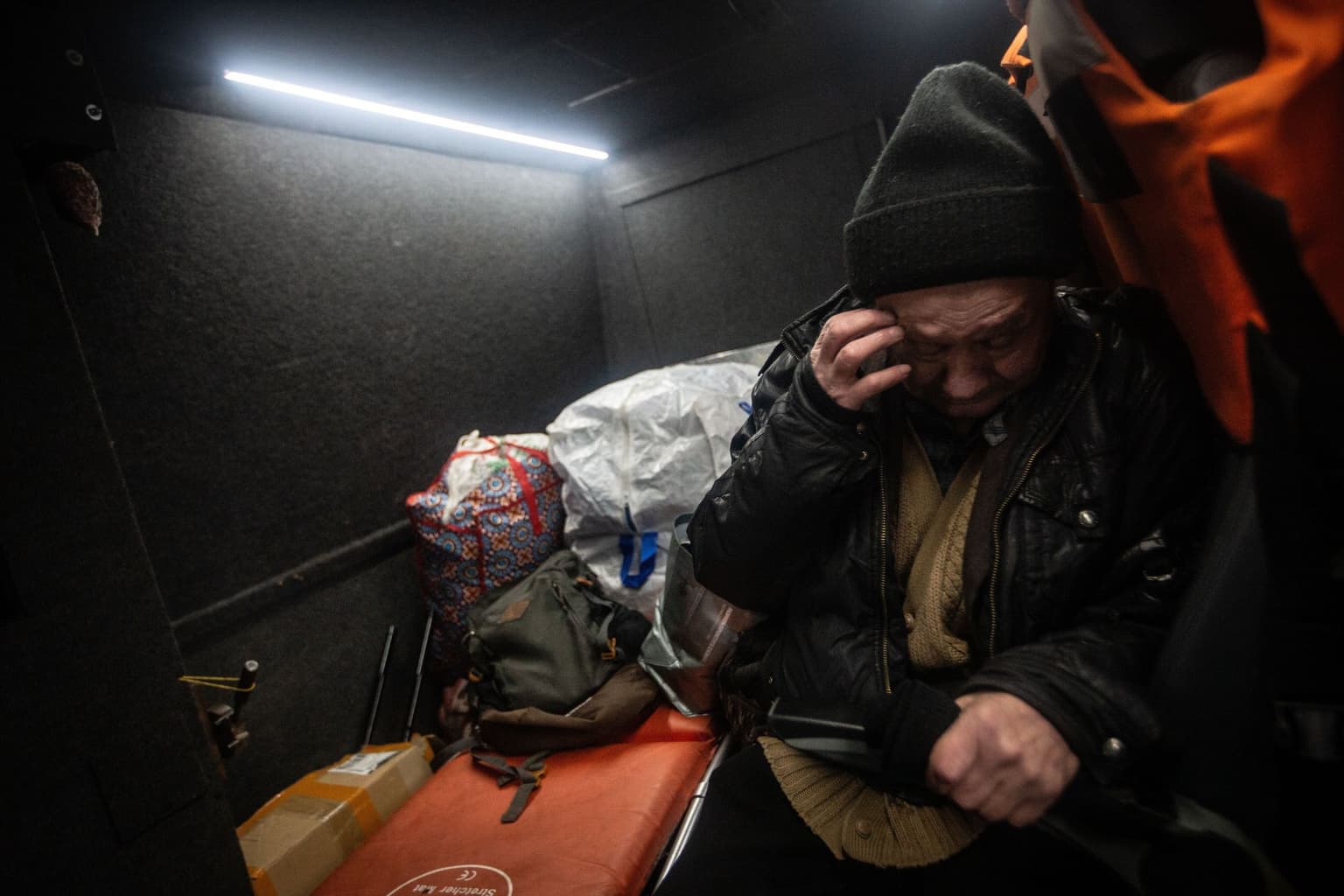
The raid on Hrabovske village, involving the abduction of approximately 50 civilians, predominantly elderly women, reveals a deliberate strategy of psychological manipulation. By targeting vulnerable populations and creating humanitarian crises, Russia appears to be implementing what military strategists call a cognitive warfare approach. The Institute for the Study of War (ISW) assesses these actions not as traditional military expansion, but as provocative psychological operations intended to create narrative momentum about Ukraine's perceived vulnerability.
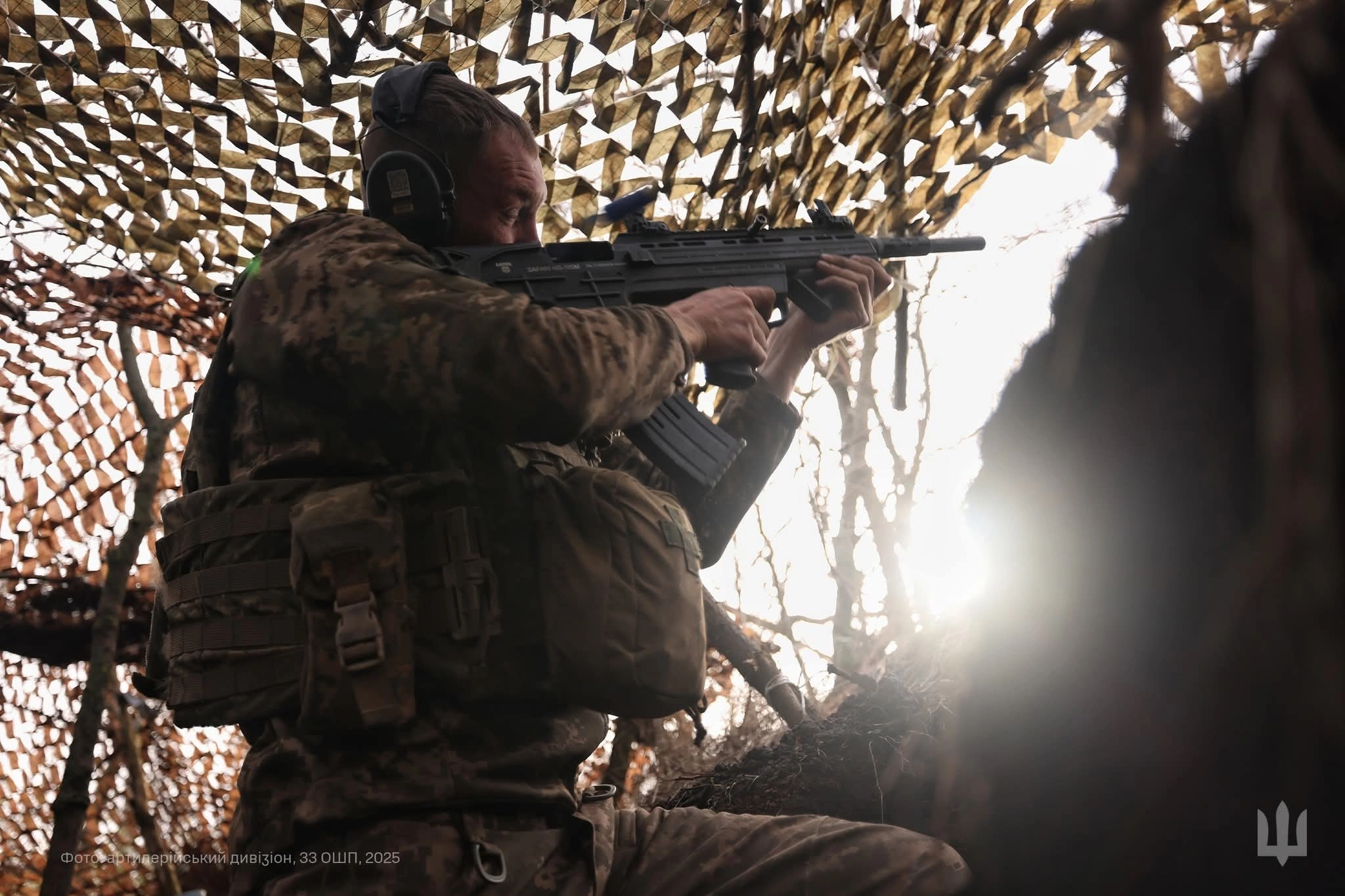
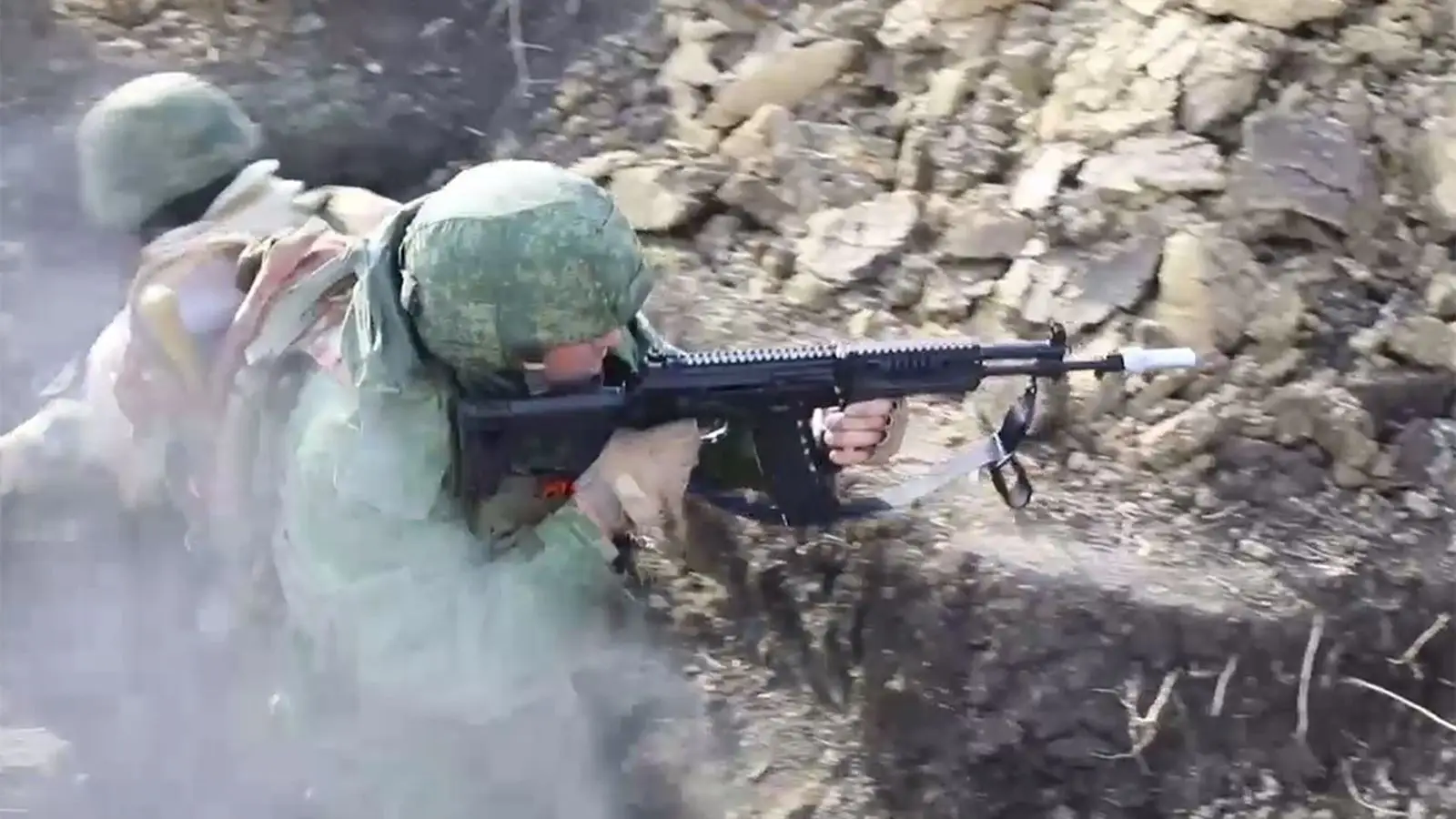
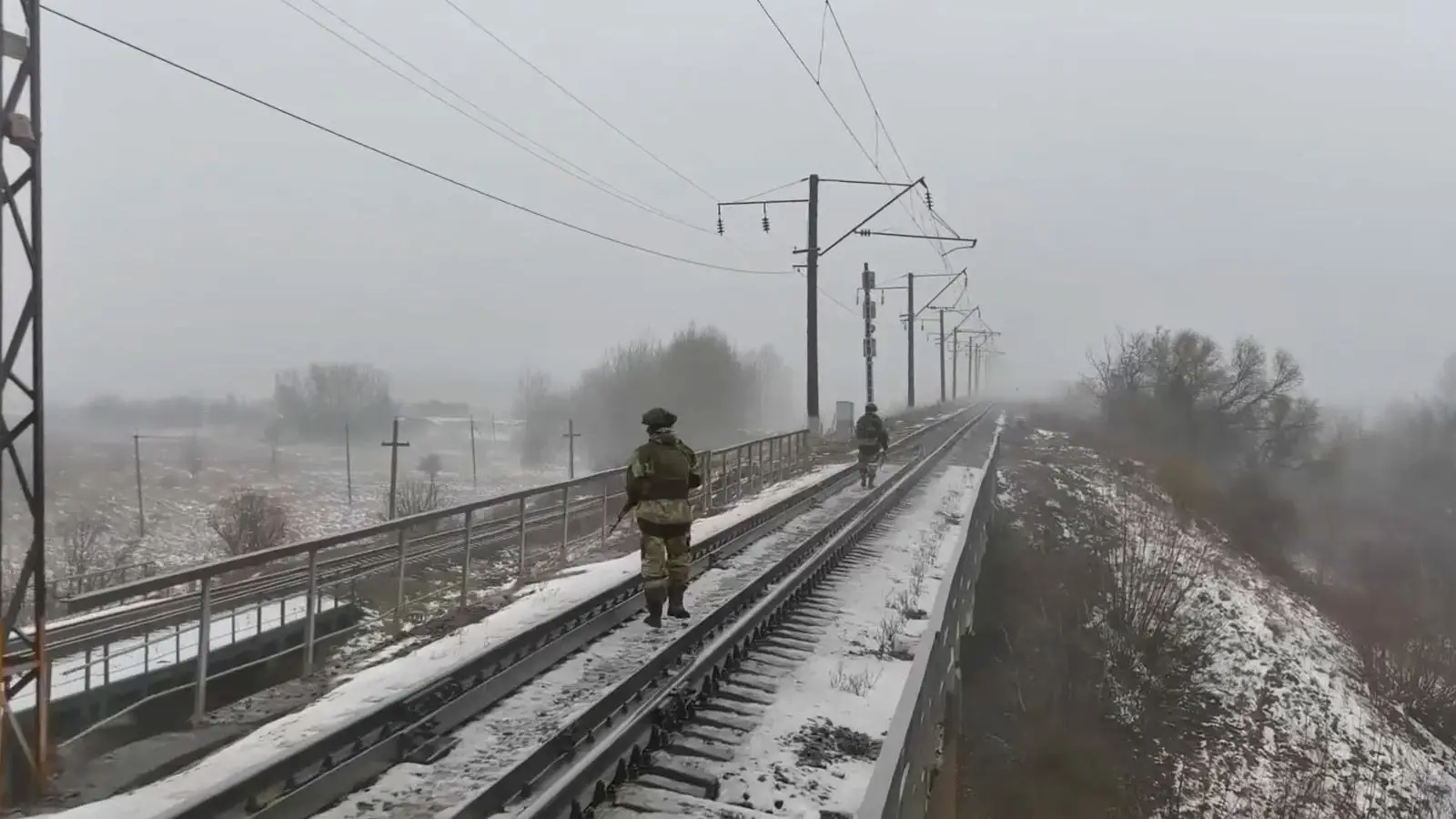
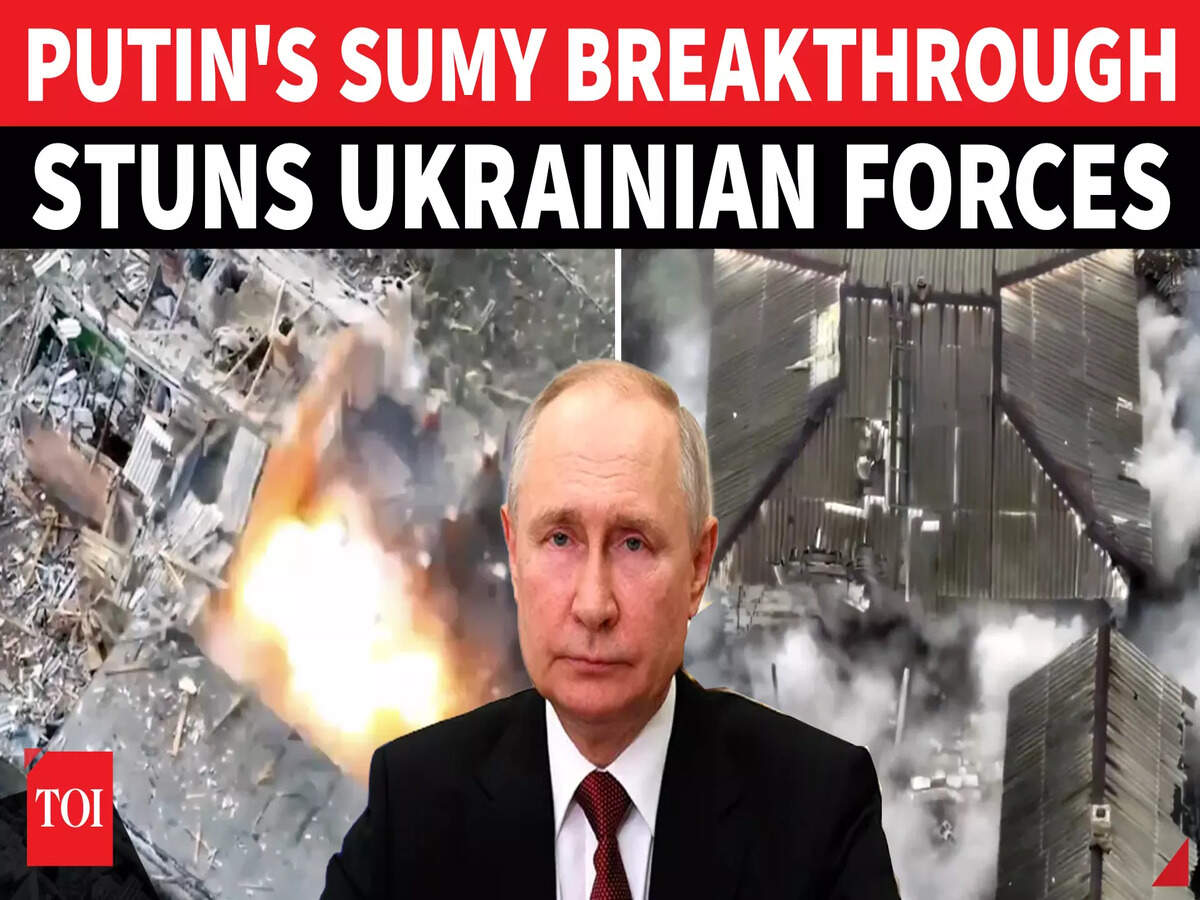
Putin's buffer zone strategy emerges as a critical underlying objective. These localized incursions, while tactically limited, serve multiple strategic purposes: demonstrating military presence, testing international response mechanisms, and creating continuous psychological pressure on Ukrainian border communities. The unusual tactical execution—Russian infantry moving in large, exposed groups contrary to standard infiltration tactics—suggests these are deliberately staged events meant to be observed and interpreted, not purely military actions.
The diplomatic landscape further complicates this scenario. US intelligence continues to warn about Putin's persistent territorial ambitions, while diplomatic channels remain fraught with tension. The Kremlin's denial of substantive negotiations, combined with these border provocations, indicates a complex geopolitical chess game where military, informational, and diplomatic domains are increasingly blurred.
Critically, these actions represent a systematic pattern of civilian targeting that raises significant international humanitarian concerns. The International Criminal Court's previous arrest warrants for child deportations now find echoes in these broader civilian abduction strategies, suggesting a calculated approach to undermining Ukrainian social fabric and international legal norms.
Questions 3
What makes this border raid different from previous Russian military actions?
Unlike traditional military offensives, this operation appears designed as a psychological provocation. The raid's unusual tactics—exposed infantry movements, targeted civilian abductions—suggest it's more about creating informational pressure than territorial conquest. The Institute for the Study of War notes these are strategic information warfare efforts aimed at destabilizing Ukrainian morale.
How are these border incursions part of a broader Russian strategy?
These localized provocations are part of Putin's 'buffer zone' strategy, systematically testing Ukrainian and Western responses. By creating continuous low-intensity conflicts and humanitarian crises, Russia aims to erode Ukrainian resilience and demonstrate persistent territorial pressure without triggering full-scale international intervention.