



Protest Suppression and Hate Speech Crackdown Emerge from Bondi Beach Terror Attack
- Unprecedented legal reforms signal dramatic shift in managing politically sensitive demonstrations




















Overview
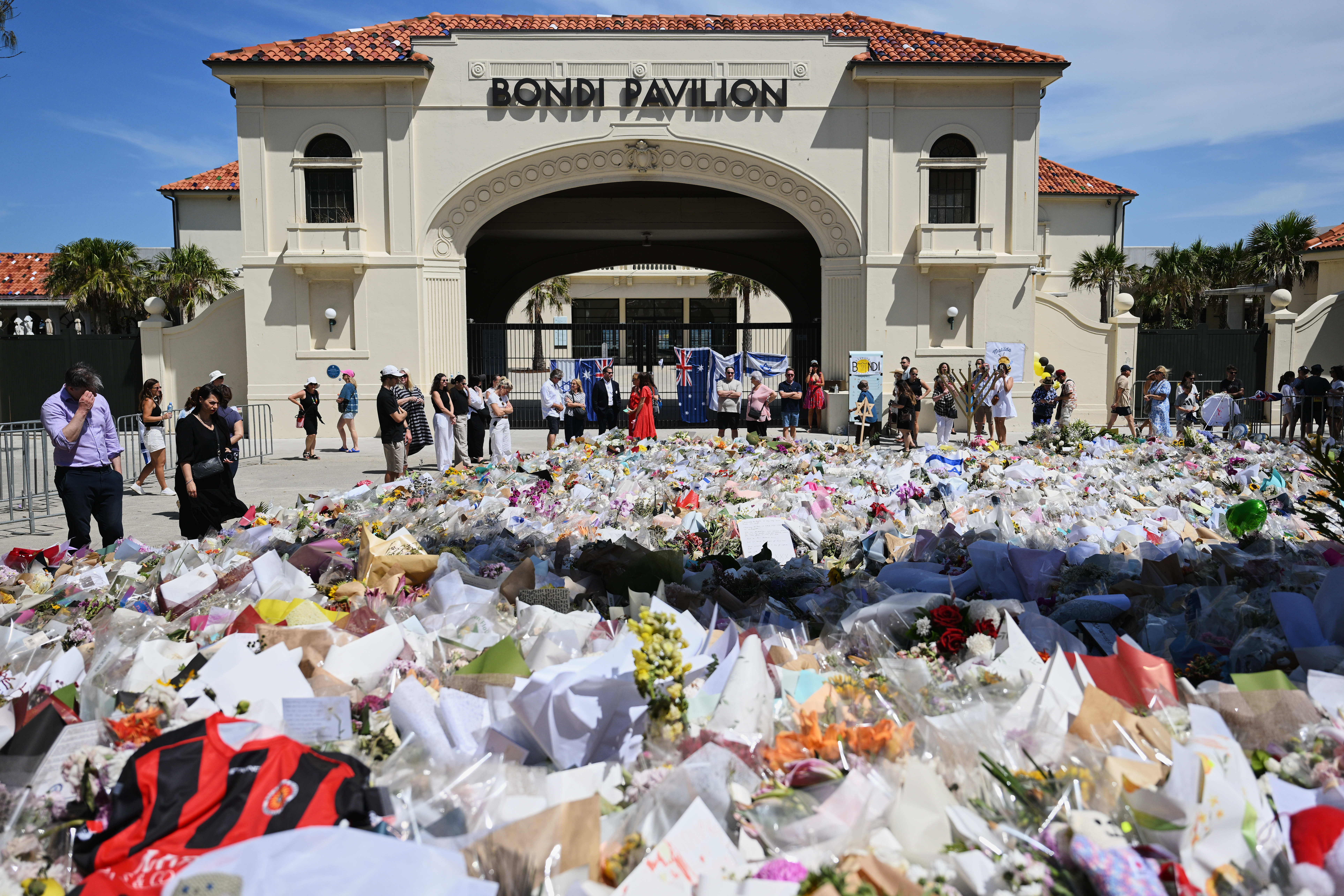
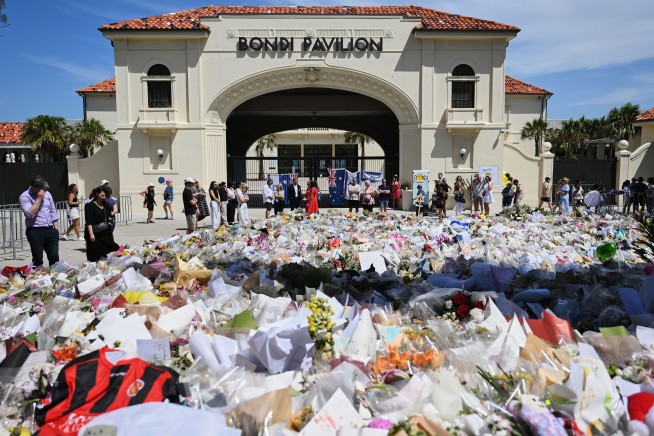
The Bondi Beach terror attack has triggered a profound transformation in how democratic nations manage public demonstrations, revealing a critical inflection point in balancing national security with civil liberties. In an extraordinary response spanning Australia and the United Kingdom, governments are rapidly implementing legal mechanisms to suppress what they perceive as potentially inflammatory political expressions.
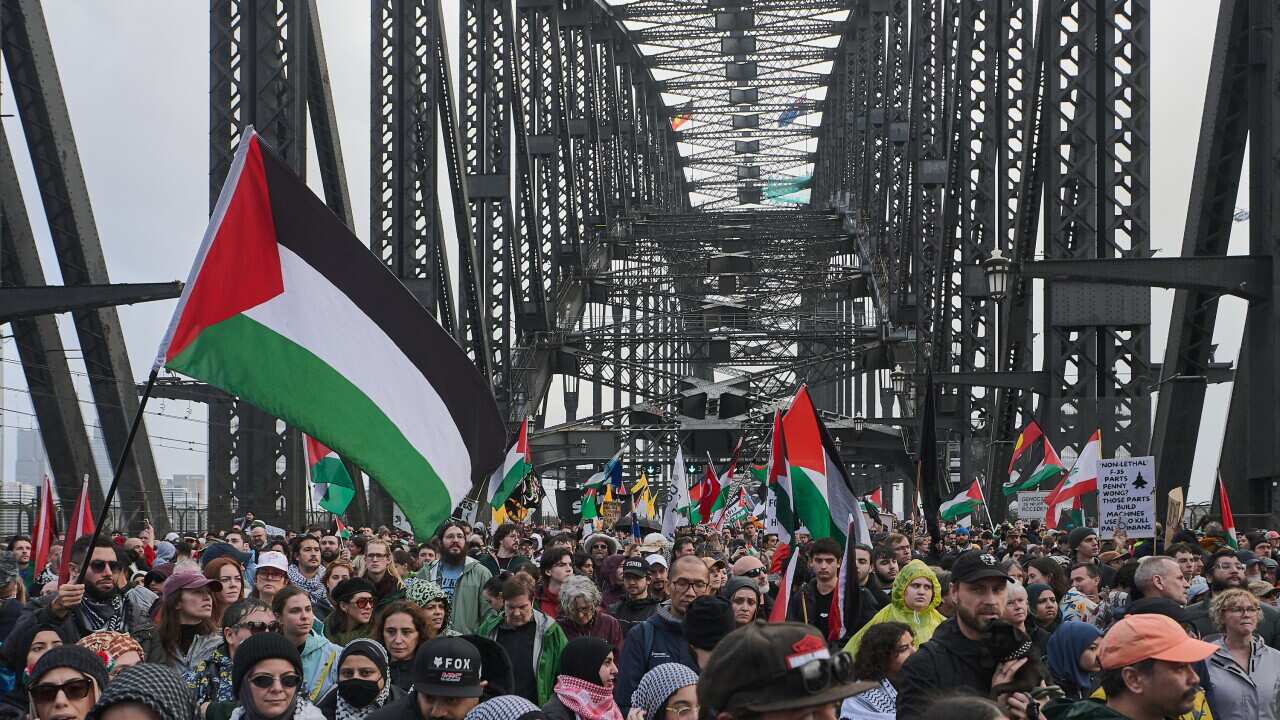
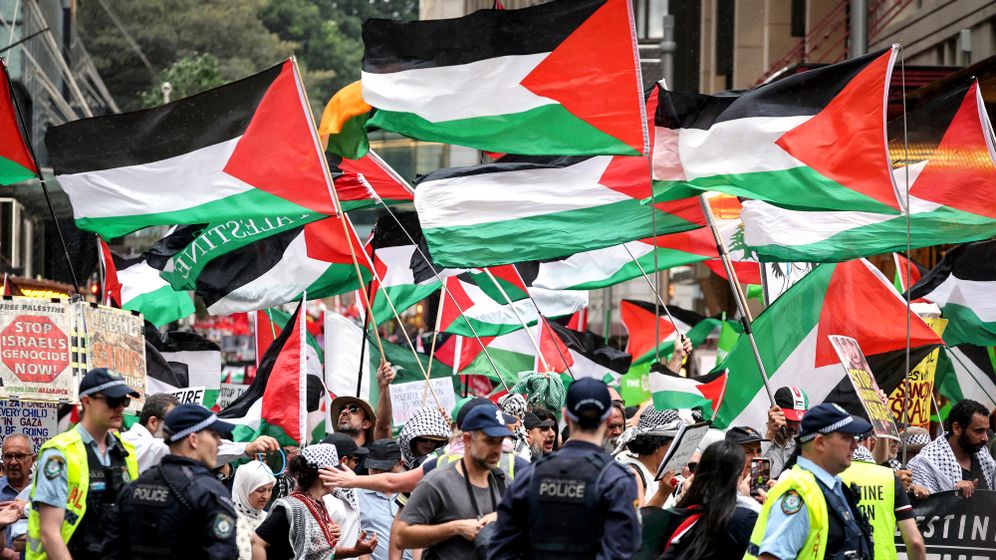
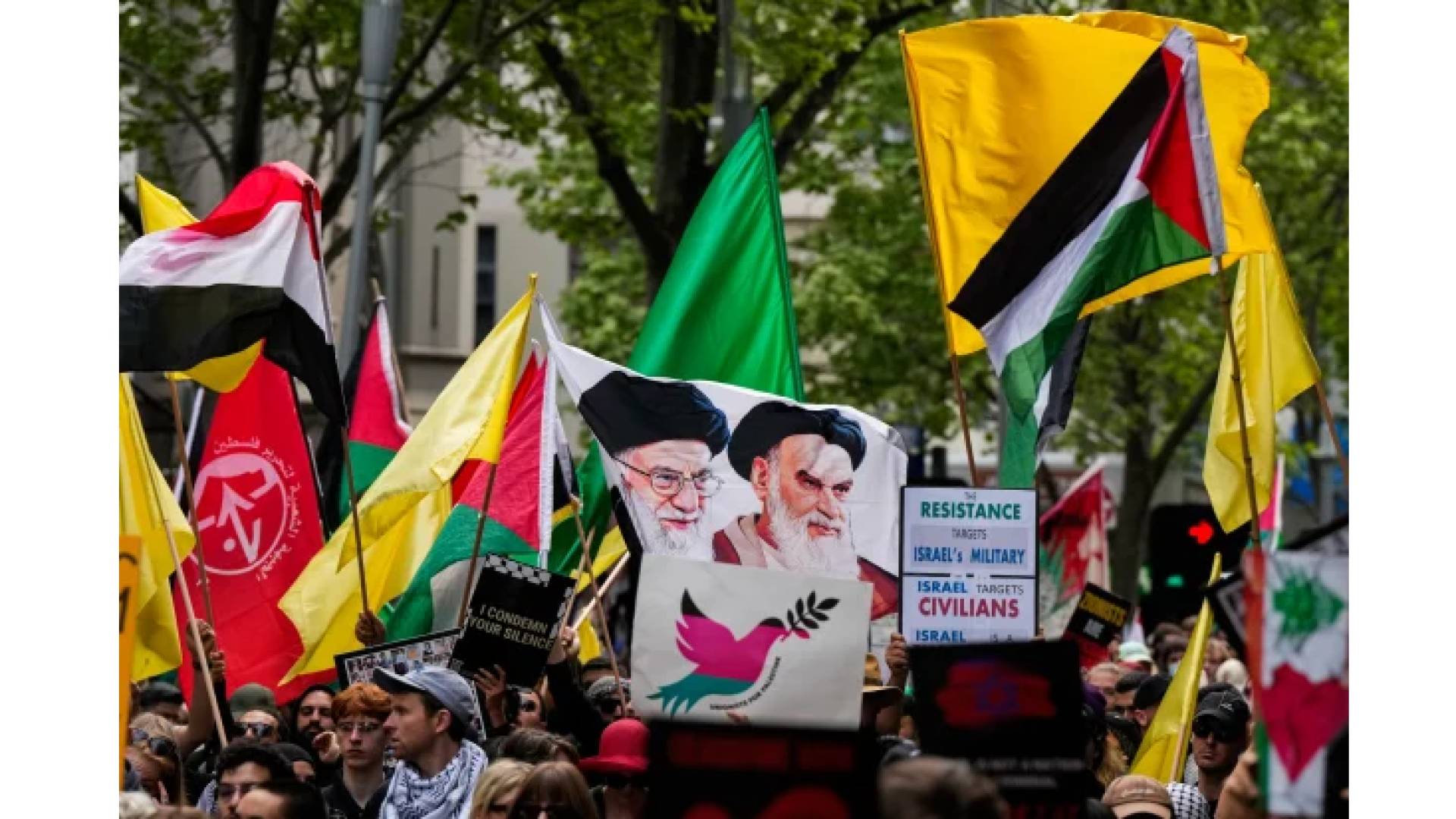
The strategic significance lies in the unprecedented scope of proposed restrictions. New South Wales and UK authorities are not merely responding to a single incident, but constructing a comprehensive legal framework that fundamentally reimagines protest rights. The proposed legislation includes banning specific chants like 'globalize the intifada', granting police expanded powers to shut down unauthorized demonstrations, and introducing penalties of up to two years in prison for displaying certain flags or symbols.
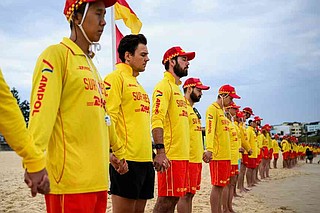
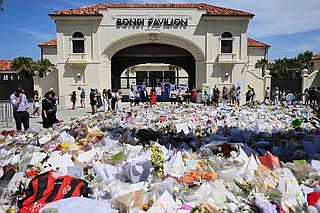
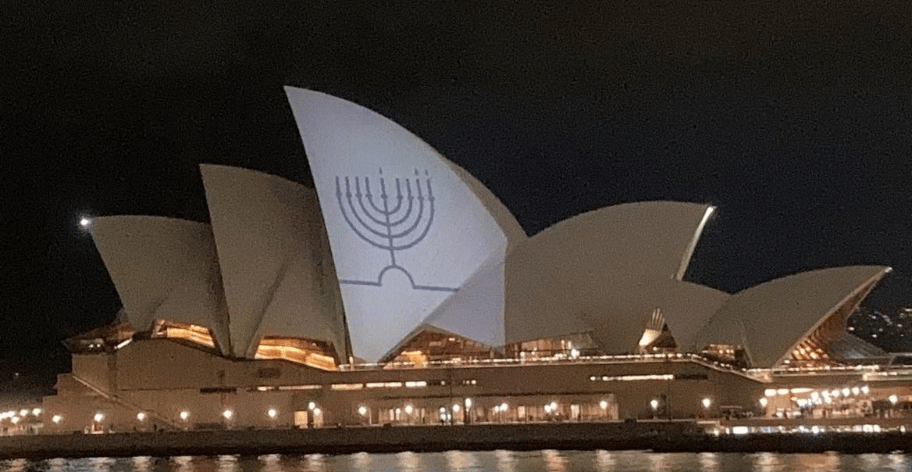
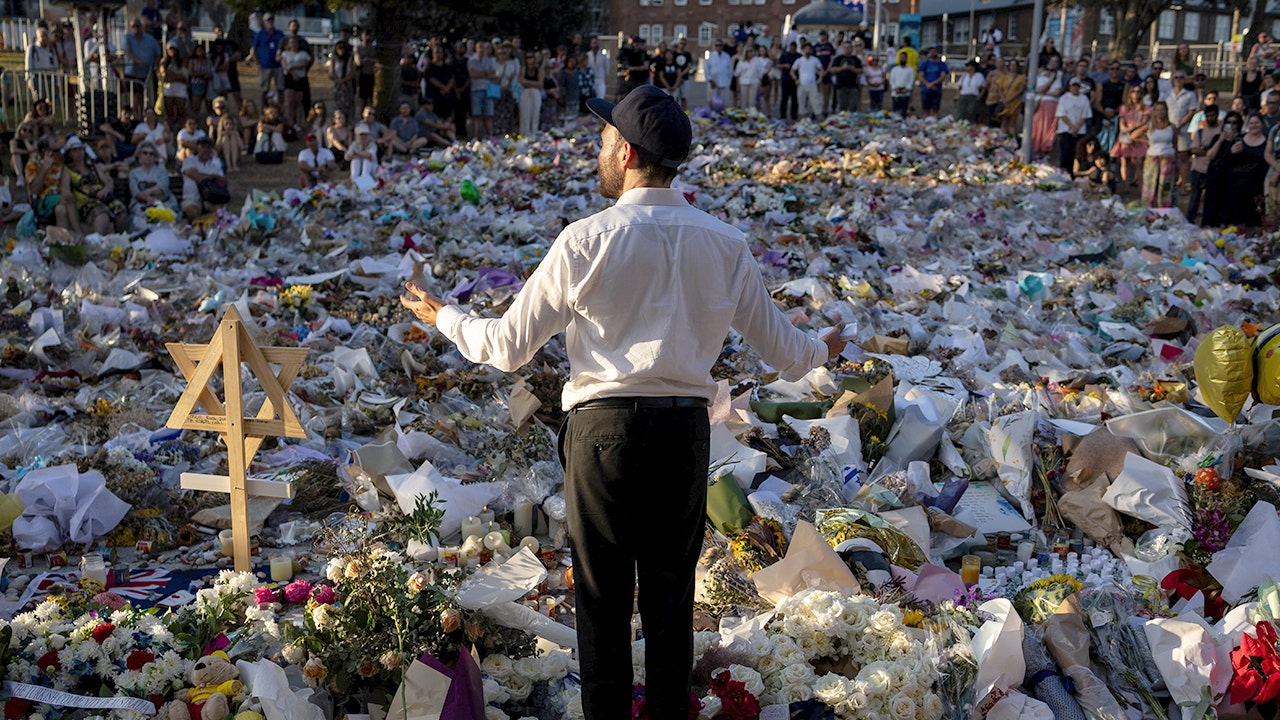
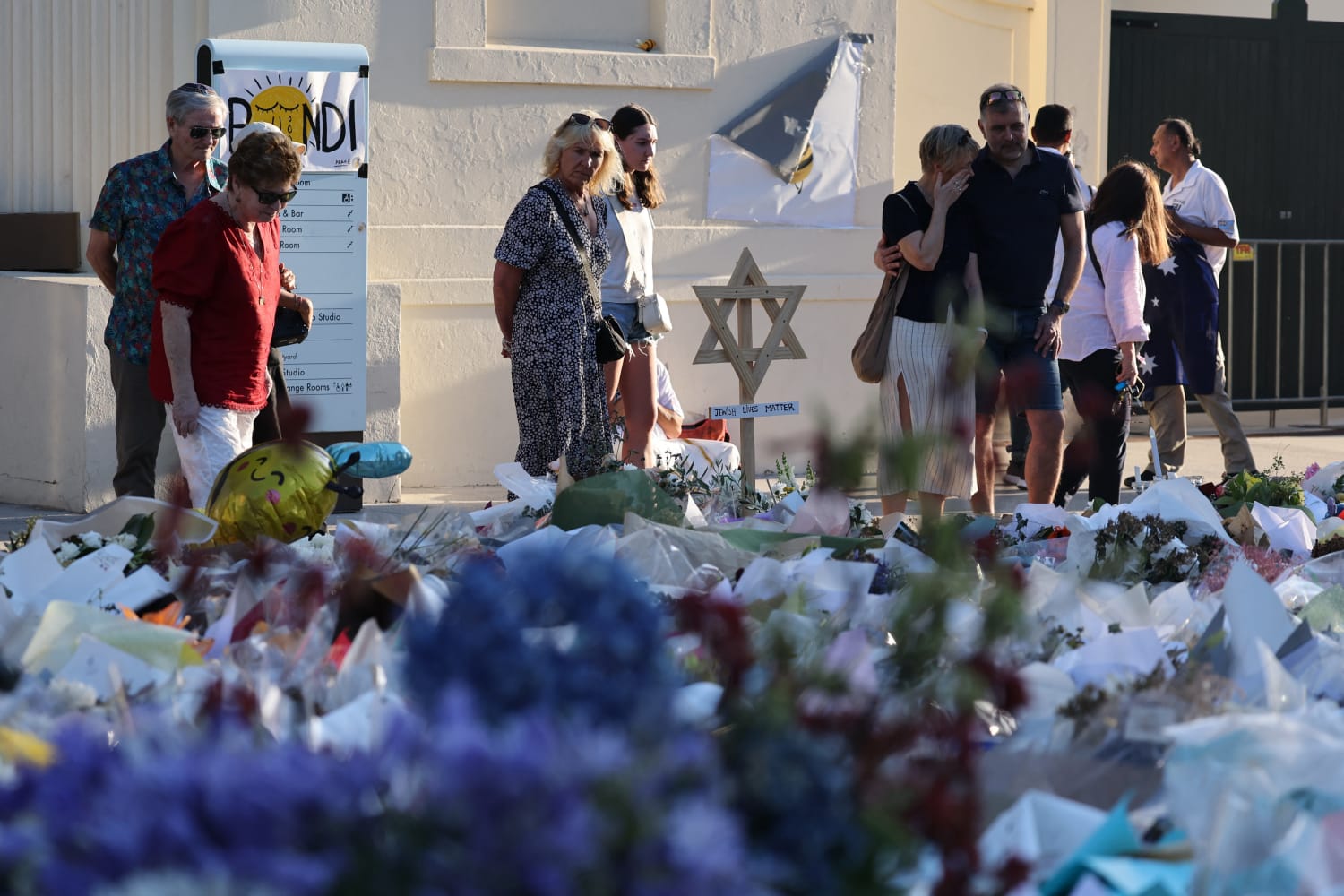
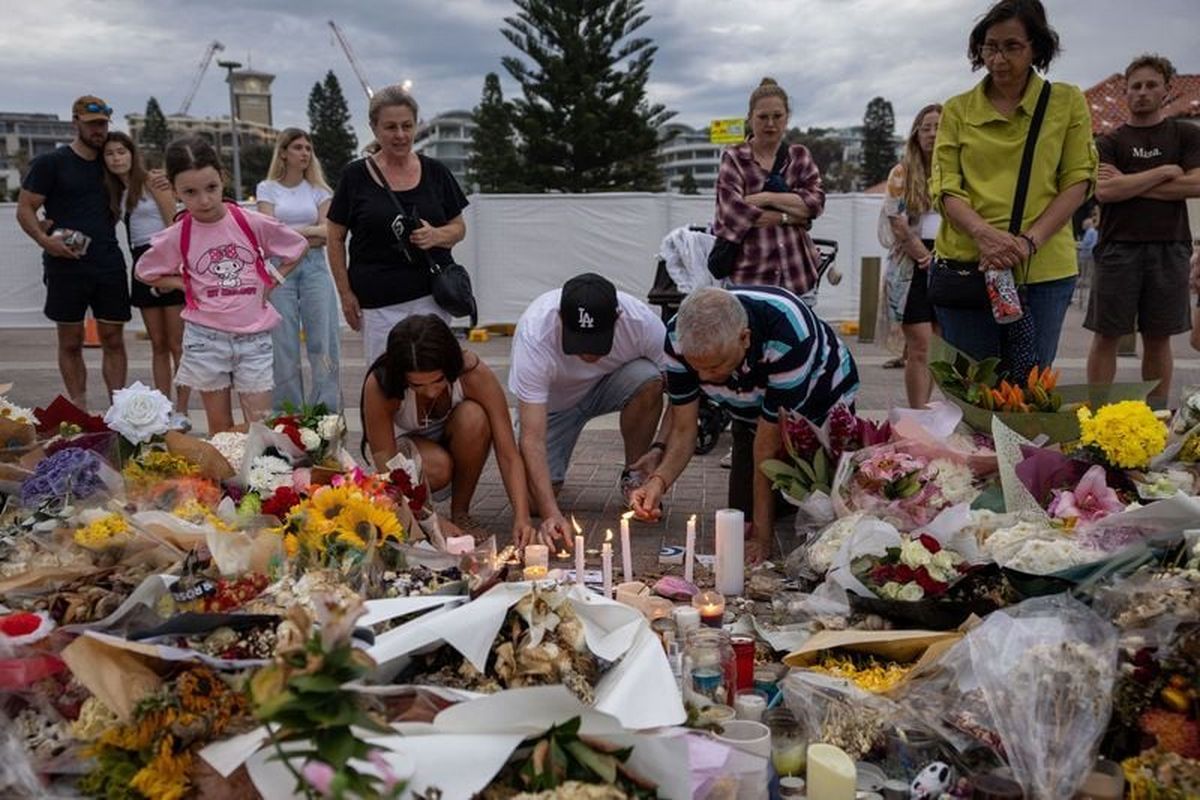
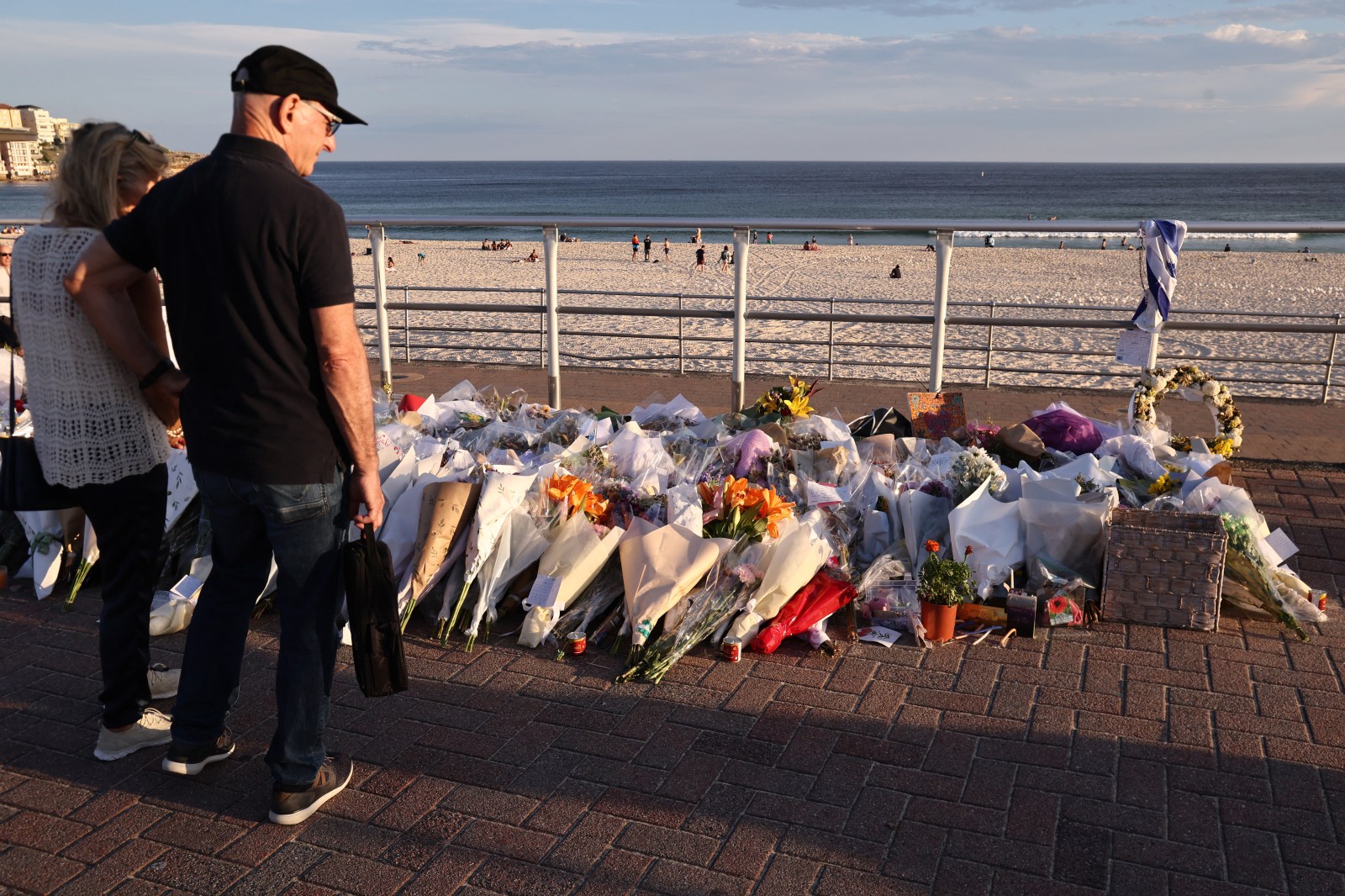
What makes these developments particularly noteworthy is the surge in antisemitic incidents - which increased more than threefold following the Hamas attack in October 2023. With approximately 117,000 Jewish residents in Australia, the government is seeking robust legal mechanisms to prevent hate-driven violence. The attack, which killed 15 people during a Hanukkah celebration, has become a pivotal moment for redefining the boundaries of political expression.
The legal landscape is now entering uncharted territory. While major Jewish organizations have welcomed these changes, civil liberties groups like Index on Censorship warn about potential overreach in criminalizing political expression. The UN High Commissioner for Human Rights has already cautioned that some protest limitation measures might conflict with international human rights obligations.
Critically, these developments represent more than a localized response - they signal a potential global precedent for managing politically sensitive demonstrations in an era of heightened geopolitical tensions. Governments are increasingly willing to prioritize perceived security concerns over traditional protest freedoms, a trend with profound implications for democratic discourse.
Questions 3
How do these new restrictions impact civil liberties?
While designed to prevent hate-driven violence, these measures raise significant civil liberties concerns. Organizations like Index on Censorship warn that criminalizing political expression could potentially conflict with international human rights obligations, creating a delicate balance between security and free speech.
What triggered these unprecedented legal reforms?
The Bondi Beach terror attack, which killed 15 people during a Hanukkah celebration, served as a catalyst. The incident, combined with a threefold increase in antisemitic incidents since October 2023, prompted governments to develop more aggressive legal frameworks for managing politically sensitive demonstrations.