


Saudi Arabia's Execution Surge: A Brutal Crackdown Masquerading as Justice
- Unprecedented capital punishment campaign exposes deep systemic challenges in Saudi judicial practices








Overview
Saudi Arabia's judicial system has reached a critical inflection point, marked by an unprecedented surge in executions that reveals profound tensions between international human rights standards and the kingdom's aggressive law enforcement approach. In 2025, the country has shattered its own execution records, carrying out 340 state-sanctioned deaths, with a staggering 232 executions directly linked to drug-related offenses.
The most disturbing aspect of this judicial crackdown is its disproportionate impact on vulnerable populations. Foreign nationals have been systematically targeted, representing the majority of those executed—182 out of 193 foreign executions were drug-related. This pattern suggests a deeply discriminatory approach that weaponizes the legal system against non-Saudi residents, effectively treating them as disposable within the kingdom's complex social hierarchy.
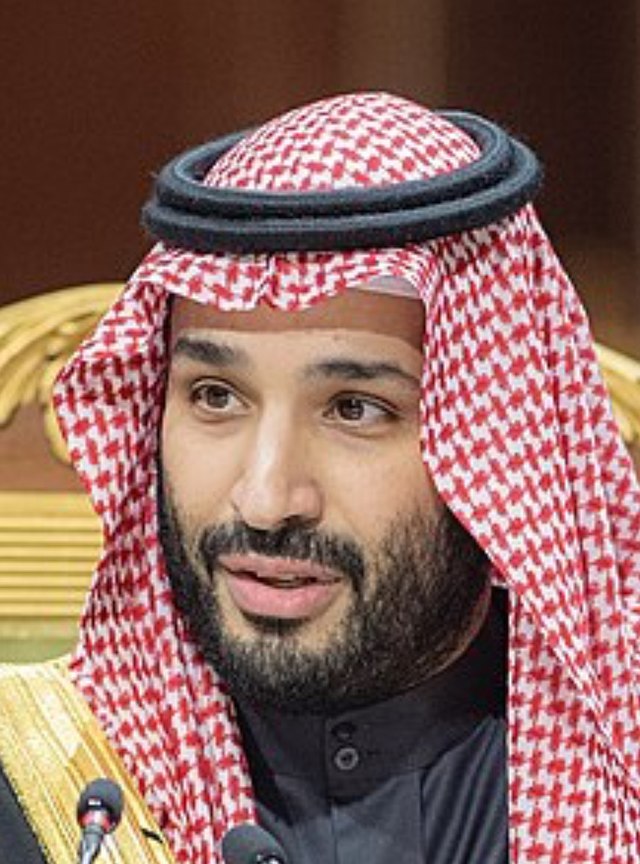
Crown Prince Mohammed bin Salman's Vision 2030 initiative stands in stark contradiction to these brutal practices. While the plan aims to present Saudi Arabia as an increasingly open and tolerant society, the execution campaign reveals a fundamentally different reality. The kingdom has positioned itself as the third-highest executor of prisoners globally, trailing only China and Iran—a ranking that severely undermines its international reputation and diplomatic efforts.
The reinstatement of drug-related executions in late 2022 coincides with Saudi Arabia's emergence as a major captagon market, creating a perverse feedback loop of enforcement and addiction. Authorities have expanded police operations, resulting in millions of confiscated pills and numerous trafficking arrests. However, the execution of individuals, including minors and those potentially coerced into drug smuggling, represents a grotesque overreach of judicial power.
International human rights organizations have consistently condemned these practices, highlighting systemic issues including:
- Potential torture-extracted confessions
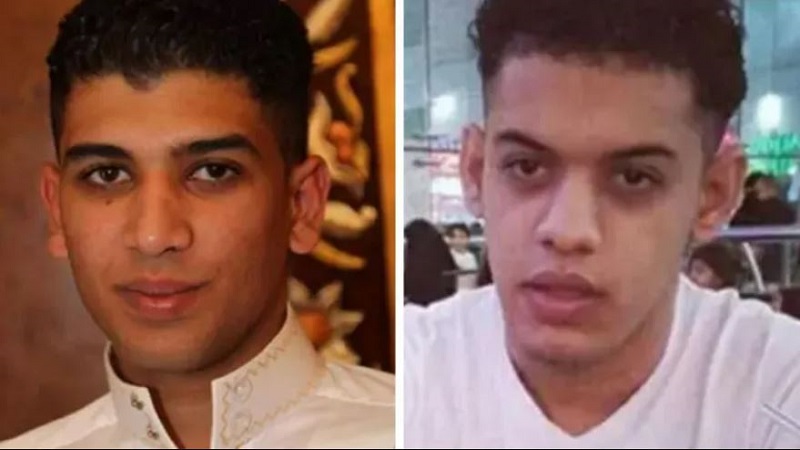
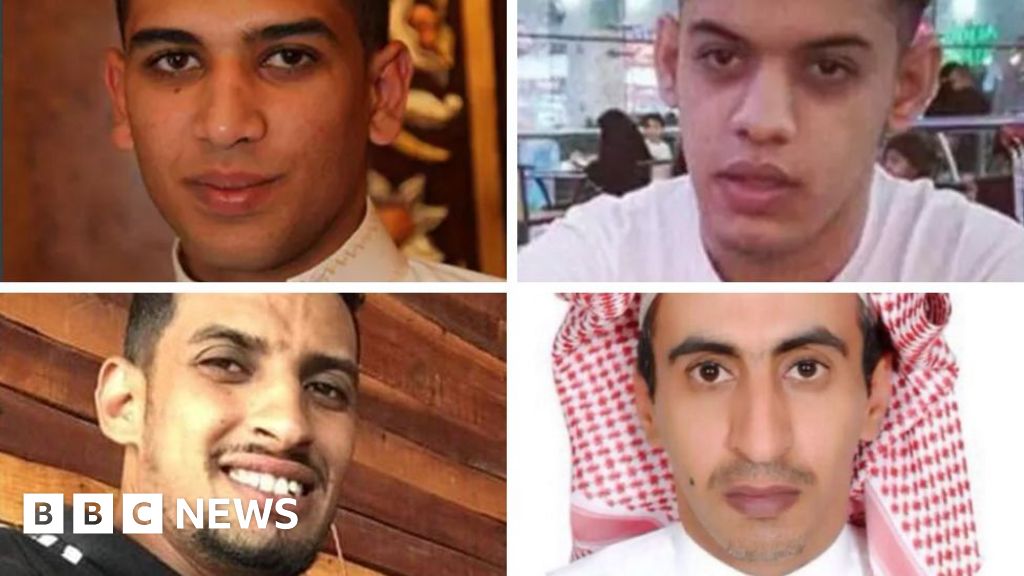
- Execution of individuals who were minors at the time of alleged crimes
- Lack of due process
- Broadly defined terrorism charges
This surge in executions is not merely a statistical anomaly but a calculated strategy of state control, demonstrating how legal mechanisms can be weaponized to suppress dissent and marginalize vulnerable populations.
Questions 3
Why are foreign nationals disproportionately affected by Saudi Arabia's execution campaign?
Foreign workers are particularly vulnerable due to limited legal protections and systemic power imbalances. In 2025, 182 out of 193 foreign executions were drug-related, suggesting these individuals are treated as expendable within the Saudi legal system, with little recourse to fair judicial proceedings.
How does this execution surge impact Saudi Arabia's international reputation?
The execution campaign directly contradicts Crown Prince Mohammed bin Salman's Vision 2030 initiative, which aims to present Saudi Arabia as a modern, tolerant society. By ranking third globally in executions and targeting vulnerable populations, the kingdom severely undermines its diplomatic efforts and international credibility.