


Fractured Unity: When Tragedy Exposes Deeper Social Tensions in Australia
- A critical moment of national reckoning with extremism, community resilience, and political trust





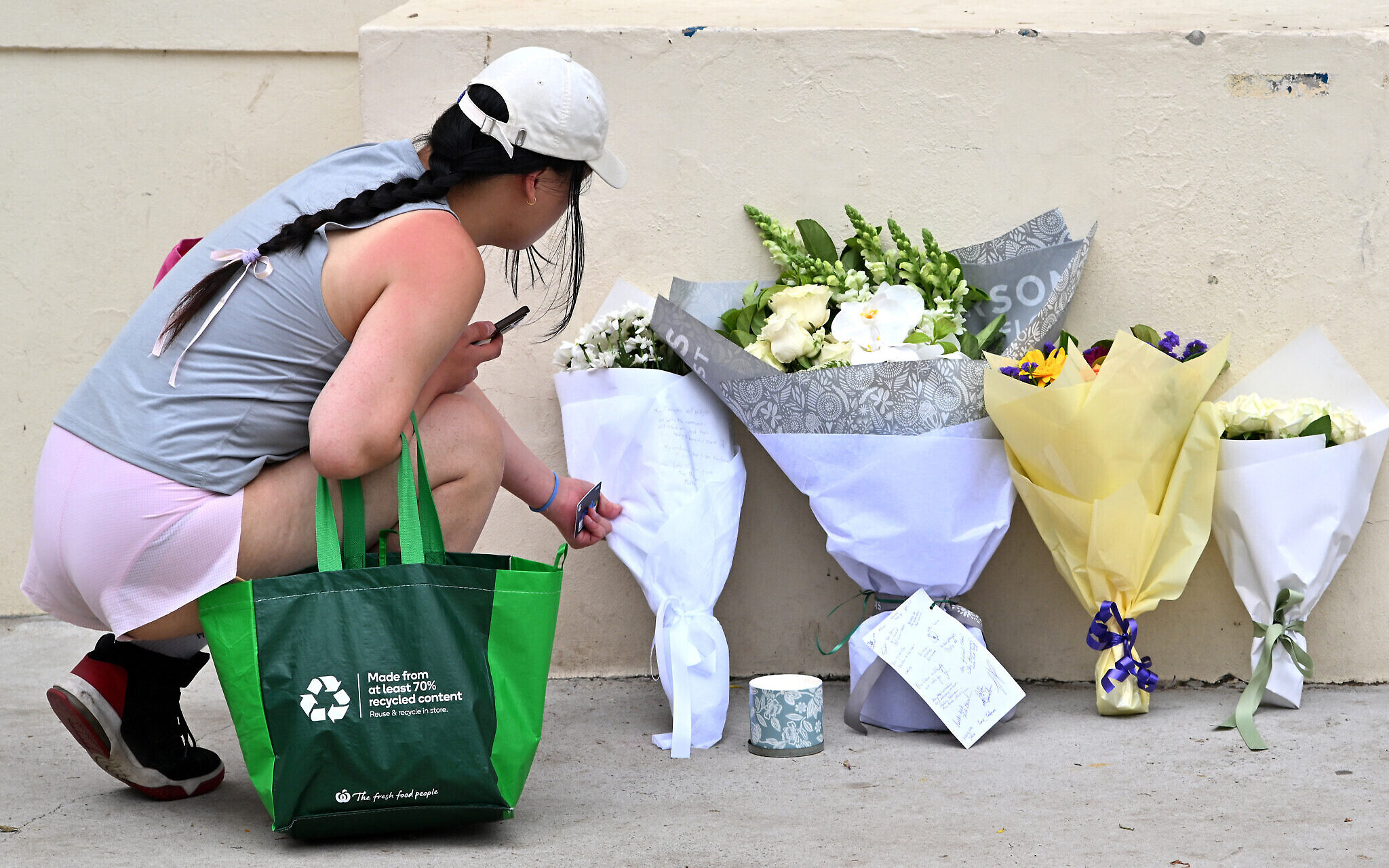
Overview
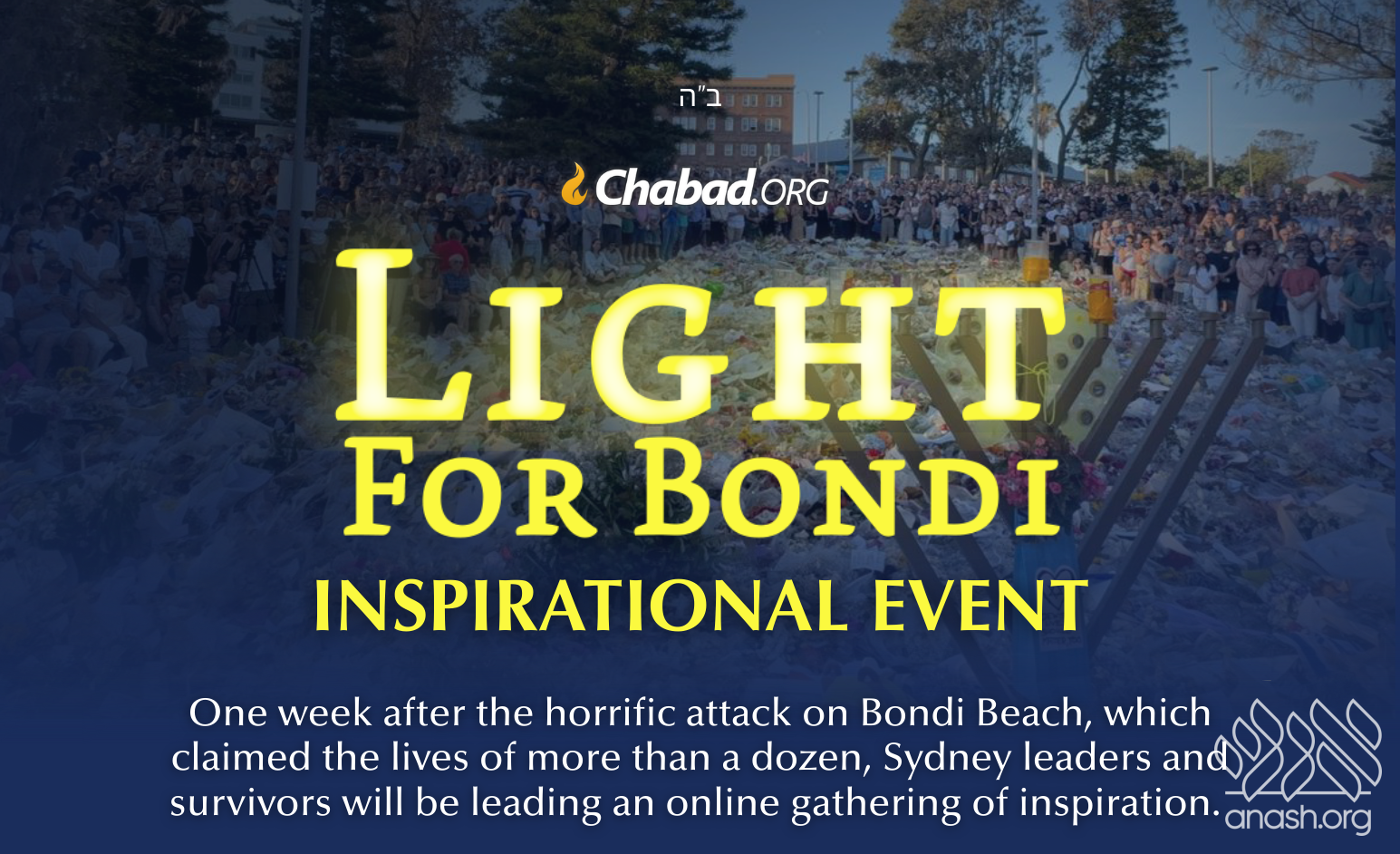
The Bondi Beach massacre represents more than a singular terrorist incident—it is a profound inflection point revealing the complex social fabric of contemporary Australian society. At its core, the attack exposes multiple layers of vulnerability: the targeted violence against the Jewish community, the underlying extremist ideologies, and the fragile social cohesion that can rapidly unravel in moments of crisis.
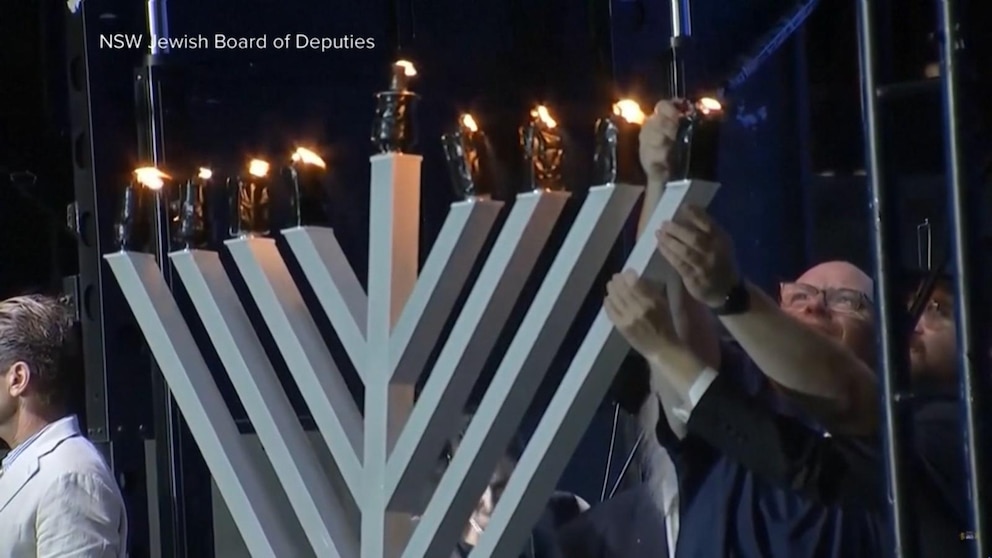
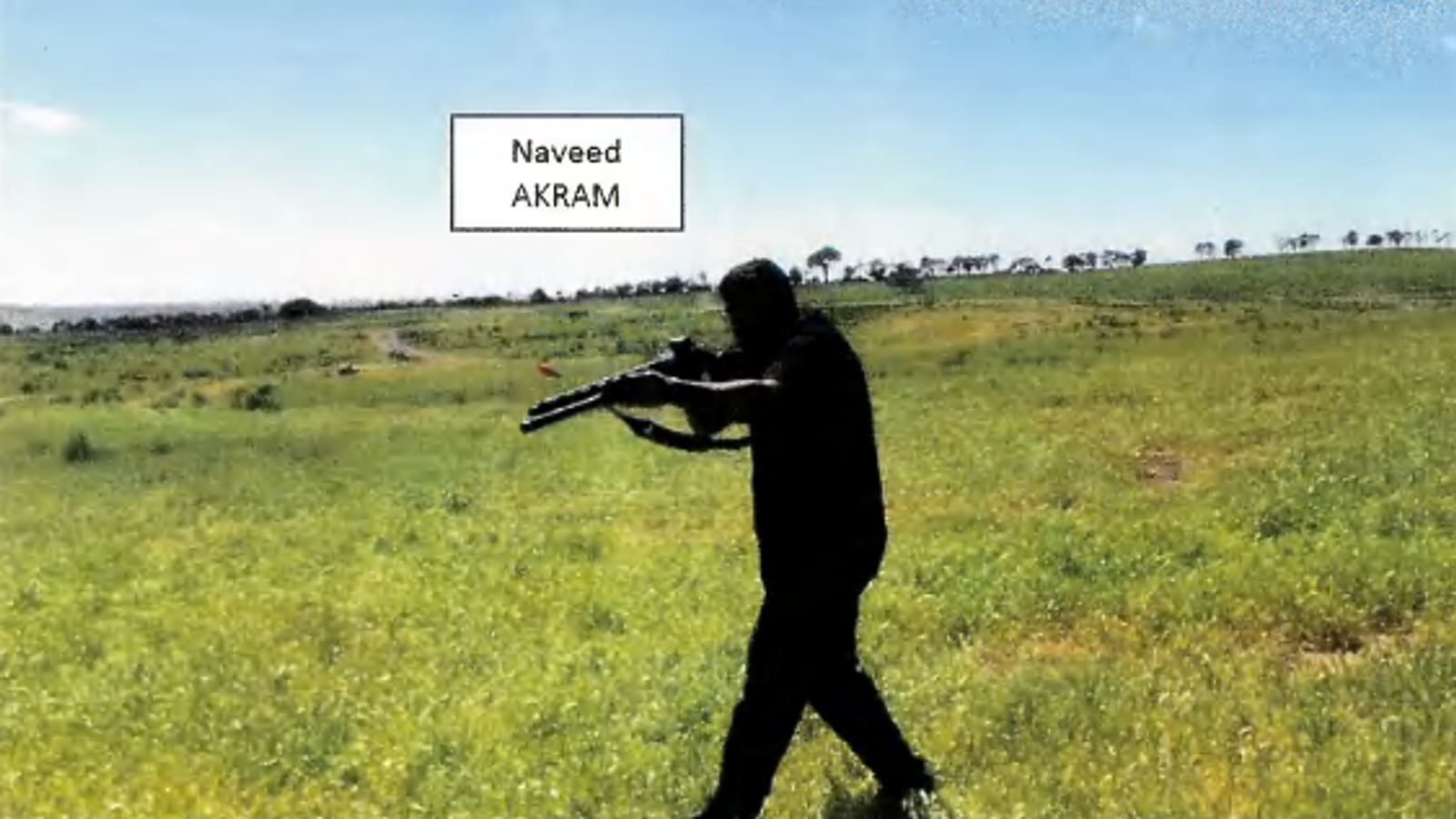
The terrorist attack, meticulously planned by Naveed Akram and his father Sajid Akram, was not a random act but a calculated assault targeting Jewish civilians during Hanukkah celebrations. Police documents reveal a chilling premeditation, including reconnaissance, video manifestos, and the deployment of homemade explosives like the notorious 'tennis ball bomb'. This methodical approach signals a deeper, more systemic challenge of radicalization and the potential for ideologically motivated violence.
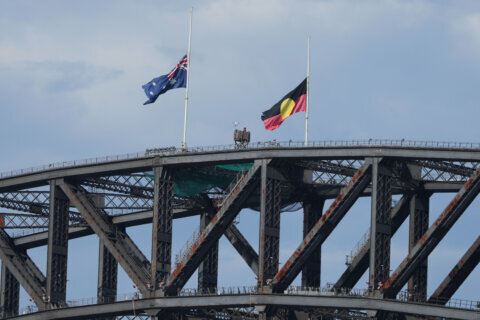
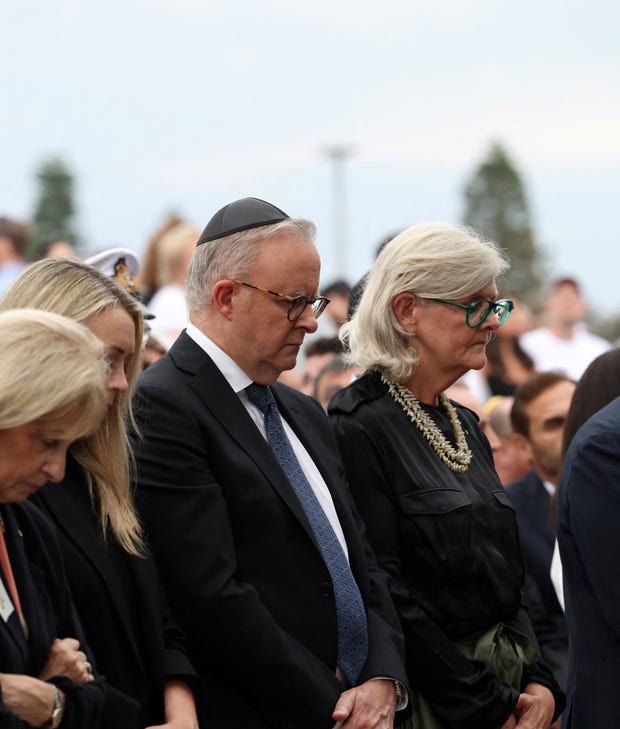
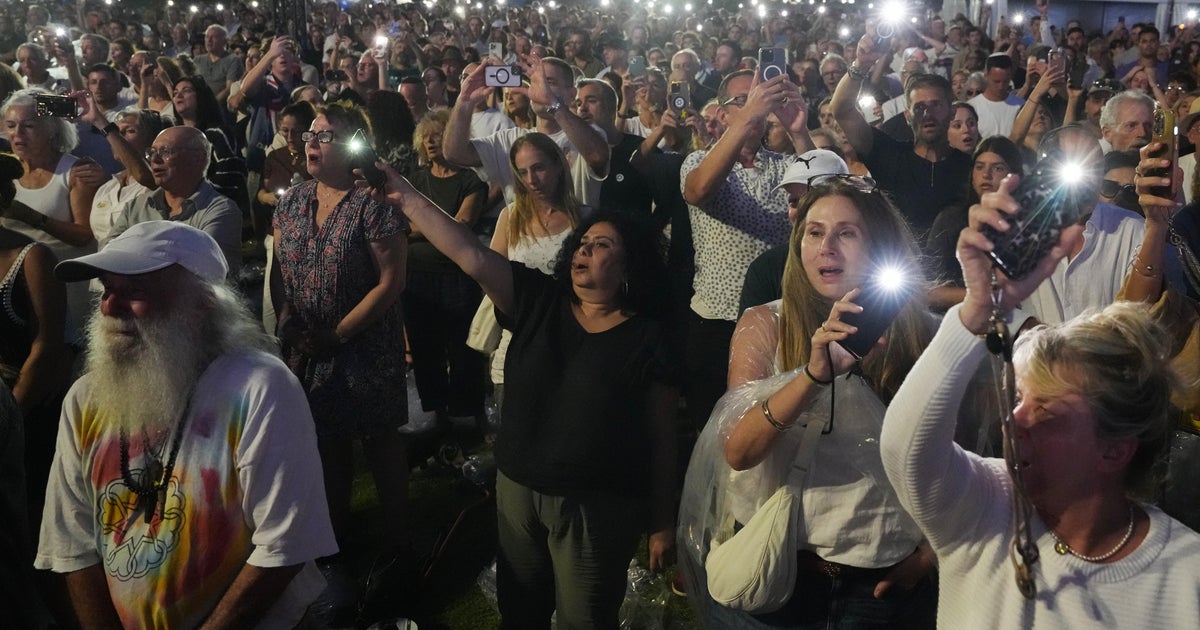
The memorial service became a microcosm of Australia's current social dynamics. The public booing of Prime Minister Anthony Albanese represents more than a spontaneous protest—it symbolizes a profound breakdown of institutional trust. Citizens are signaling their frustration with governmental approaches to community safety, hate speech, and counterterrorism strategies. This moment of collective grief transformed into a platform for expressing systemic discontent, highlighting the delicate balance between national unity and underlying social tensions.
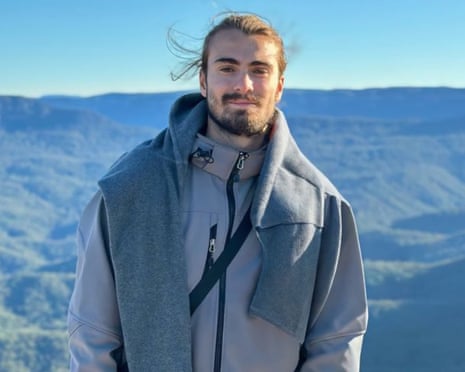
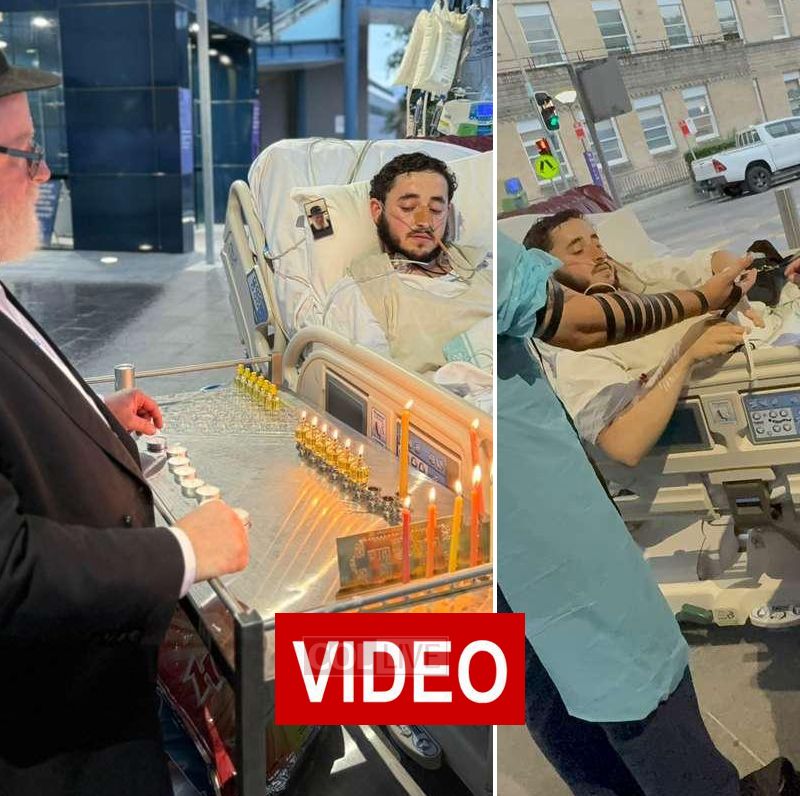
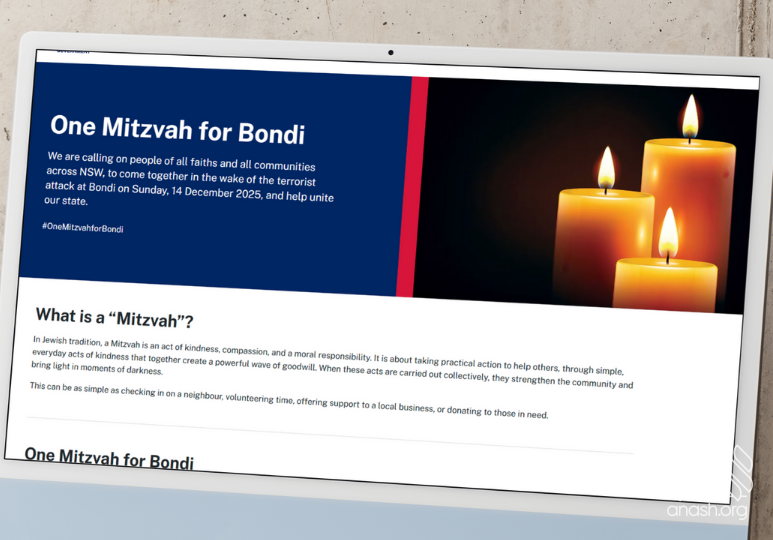
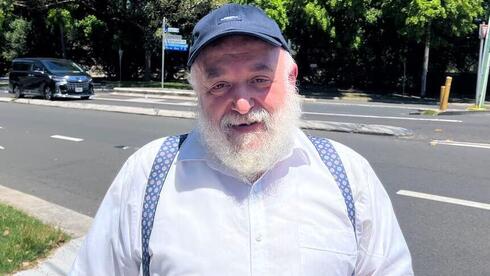
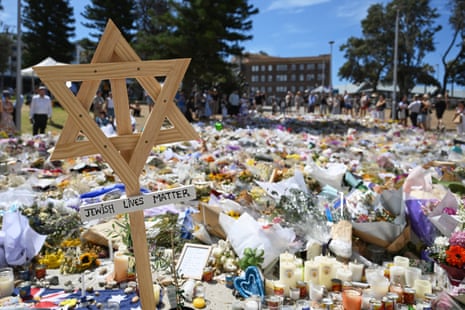
Simultaneously, the community's response, particularly within the Jewish community, demonstrates remarkable resilience. The memorial for Dan Elkayam, a 27-year-old French Jewish victim, became a powerful narrative of hope and solidarity. His workplace's initiative of 'one mitzvah for Bondi'—encouraging acts of kindness—transforms personal tragedy into a collective healing mechanism. French President Emmanuel Macron's solidarity and the unprecedented unity noted by Rabbi Koncepolski suggest that community strength can emerge even in the darkest moments.
The incident demands a nuanced understanding of counterterrorism, community resilience, and the ongoing challenge of managing extremist ideologies. It is not merely about preventing individual attacks but addressing the complex social, educational, and political ecosystems that can breed such violent radicalization.
Questions 4
How has the Jewish community responded to the tragedy?
The community has demonstrated remarkable resilience, transforming grief into solidarity. Initiatives like 'one mitzvah for Bondi' encourage acts of kindness, while memorial services have emphasized unity, with Rabbi Koncepolski noting an unprecedented sense of community connection.
What does the public booing of the Prime Minister signify?
The booing represents a significant breakdown in public trust, indicating deep frustration with governmental approaches to community safety, gun control, and hate speech policies. It suggests a complex political environment where citizens feel disconnected from leadership, especially in the aftermath of traumatic events.