
Maryland's Holiday Travel Surge Signals Robust Consumer Mobility and Economic Resilience
- Record travel season reveals consumer confidence amid strategic transportation diversification














Overview
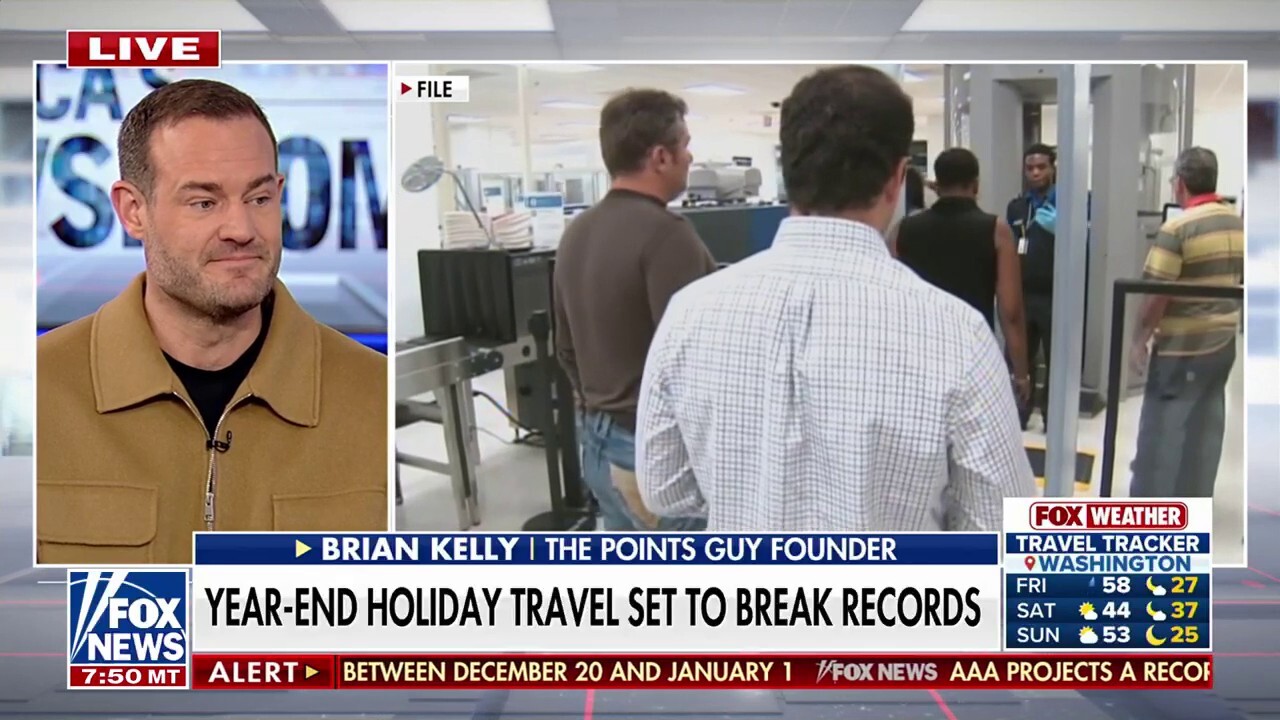
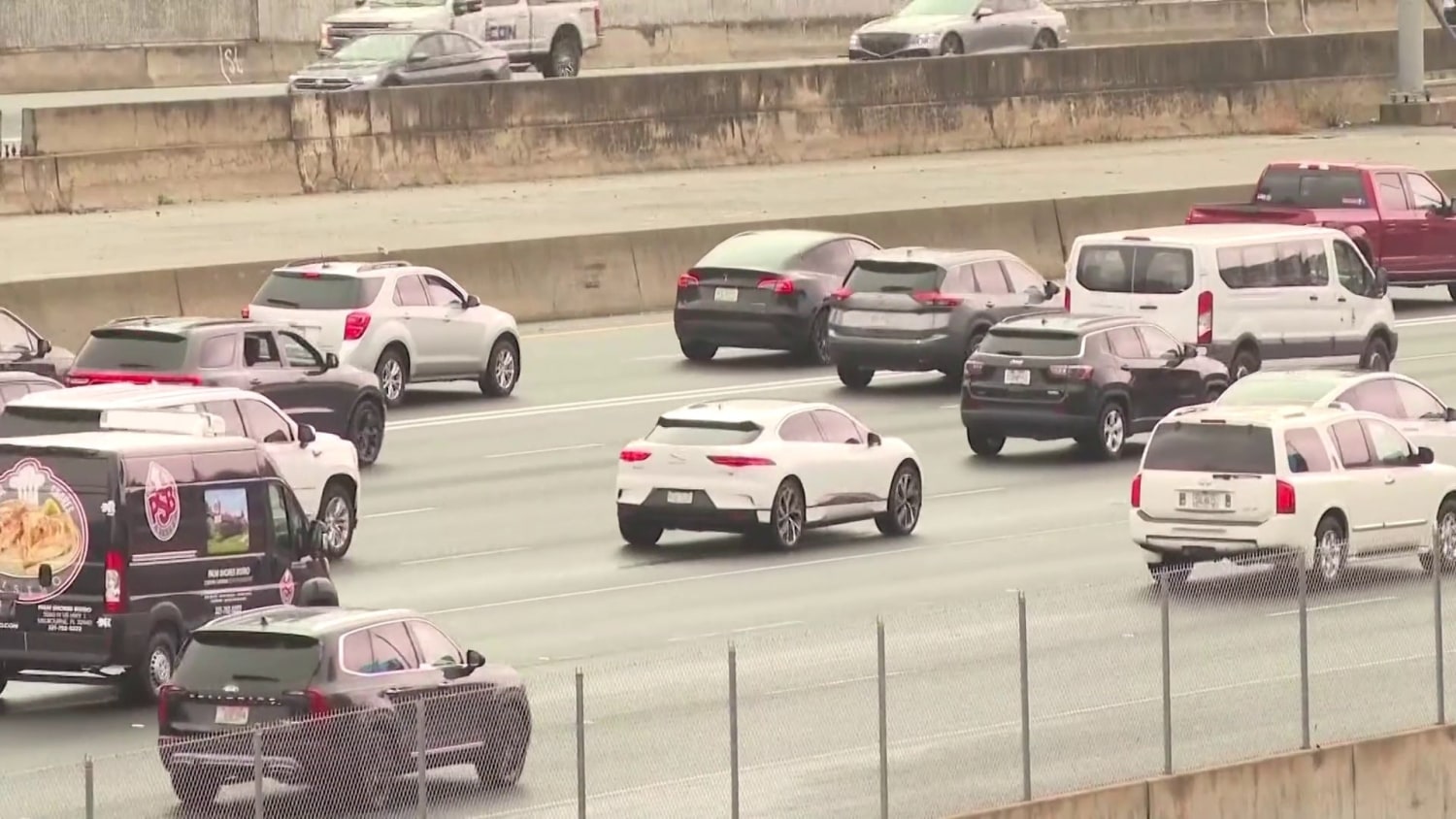
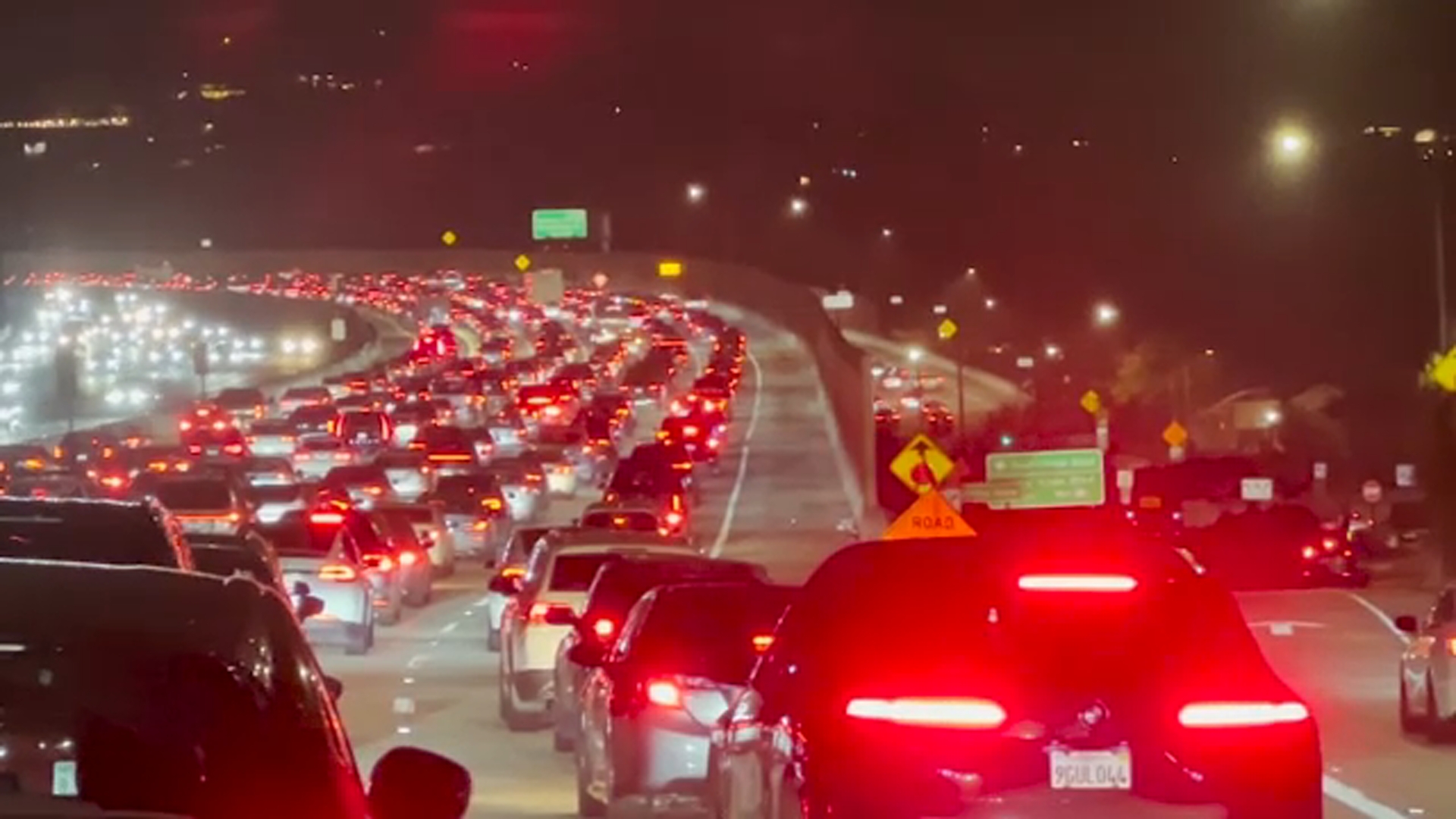
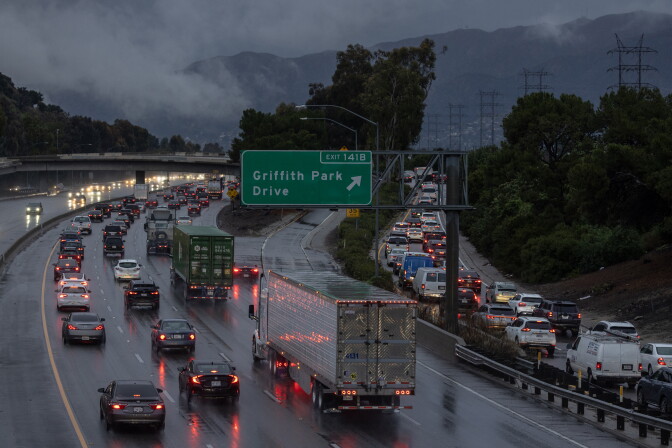
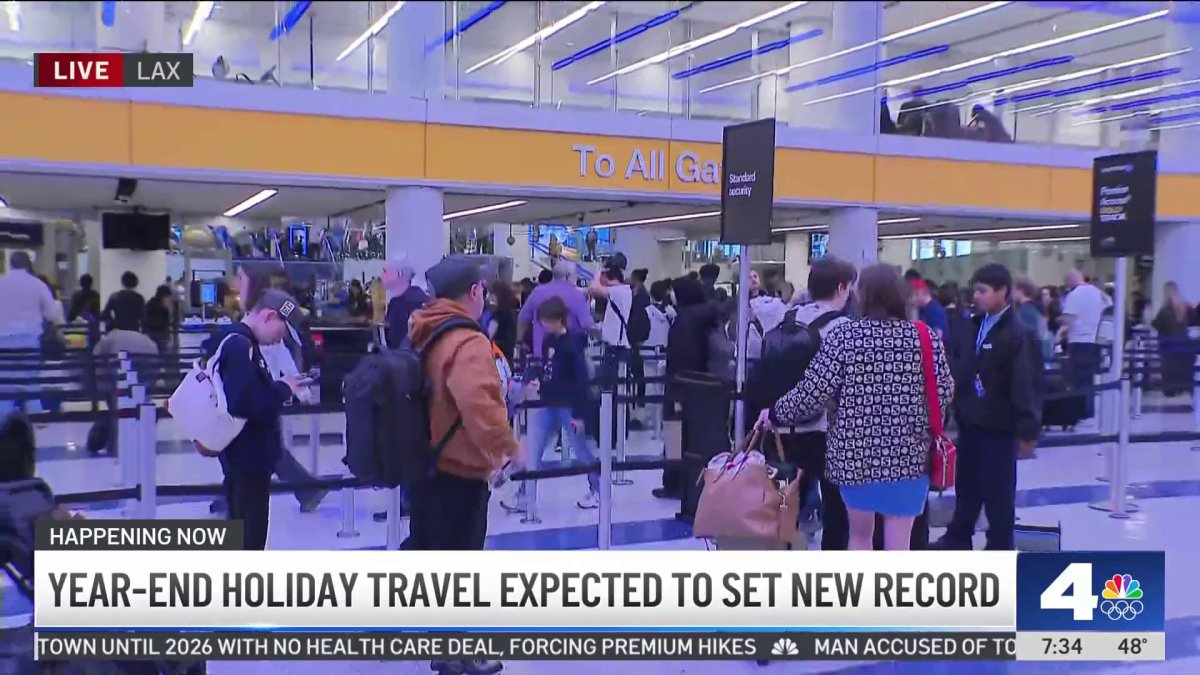
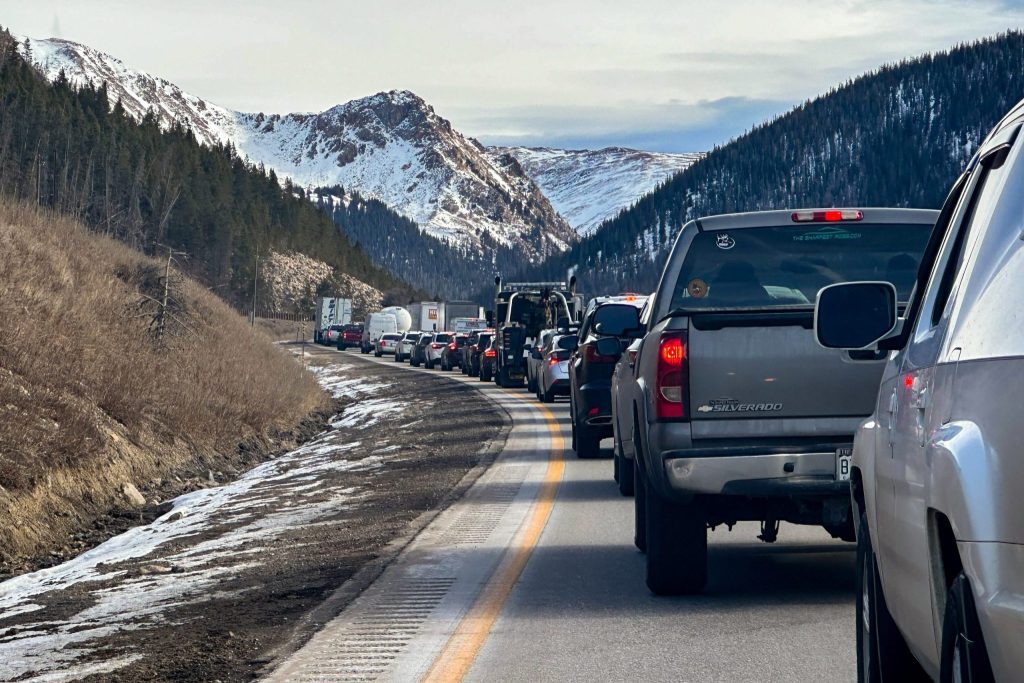
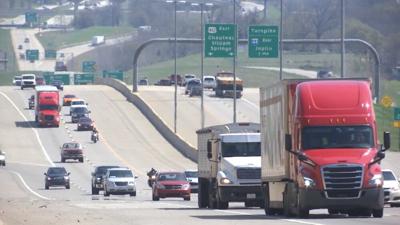
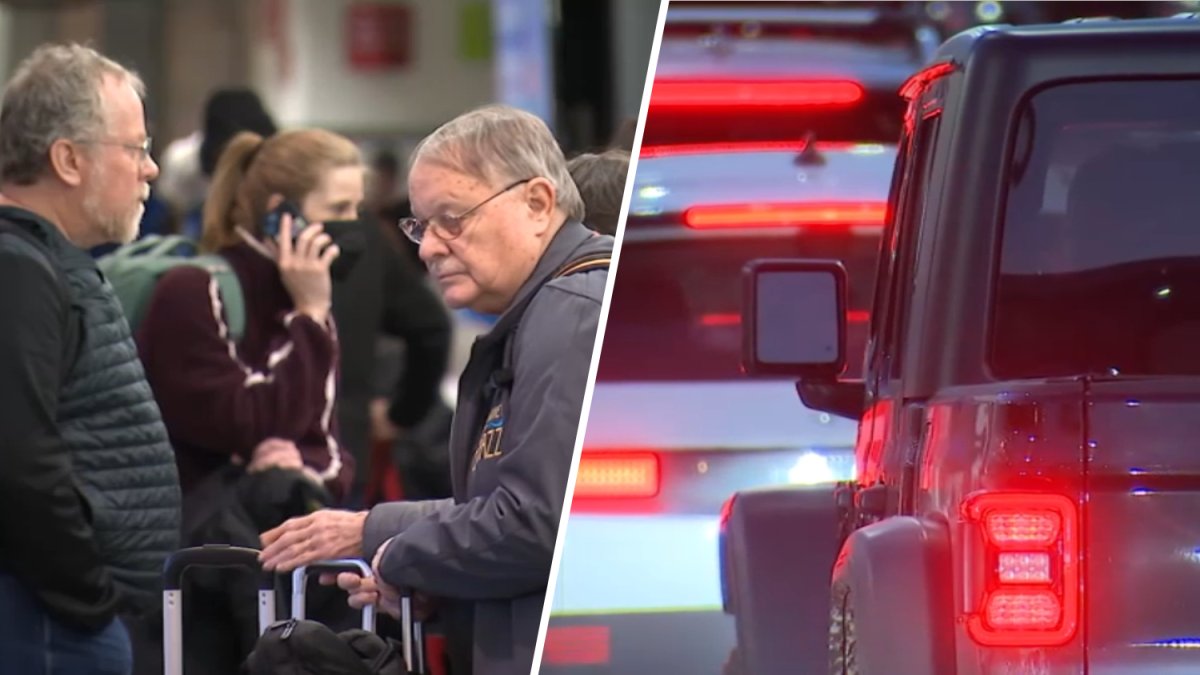
Consumer mobility is emerging as a critical economic indicator this holiday season, with Maryland's travel landscape offering a compelling snapshot of broader economic dynamics. The state's unprecedented holiday travel forecast—nearly 2.5 million residents expected to move between mid-December and New Year's Day—represents more than just seasonal movement; it's a robust signal of economic recovery and consumer confidence.
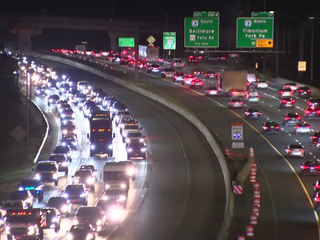
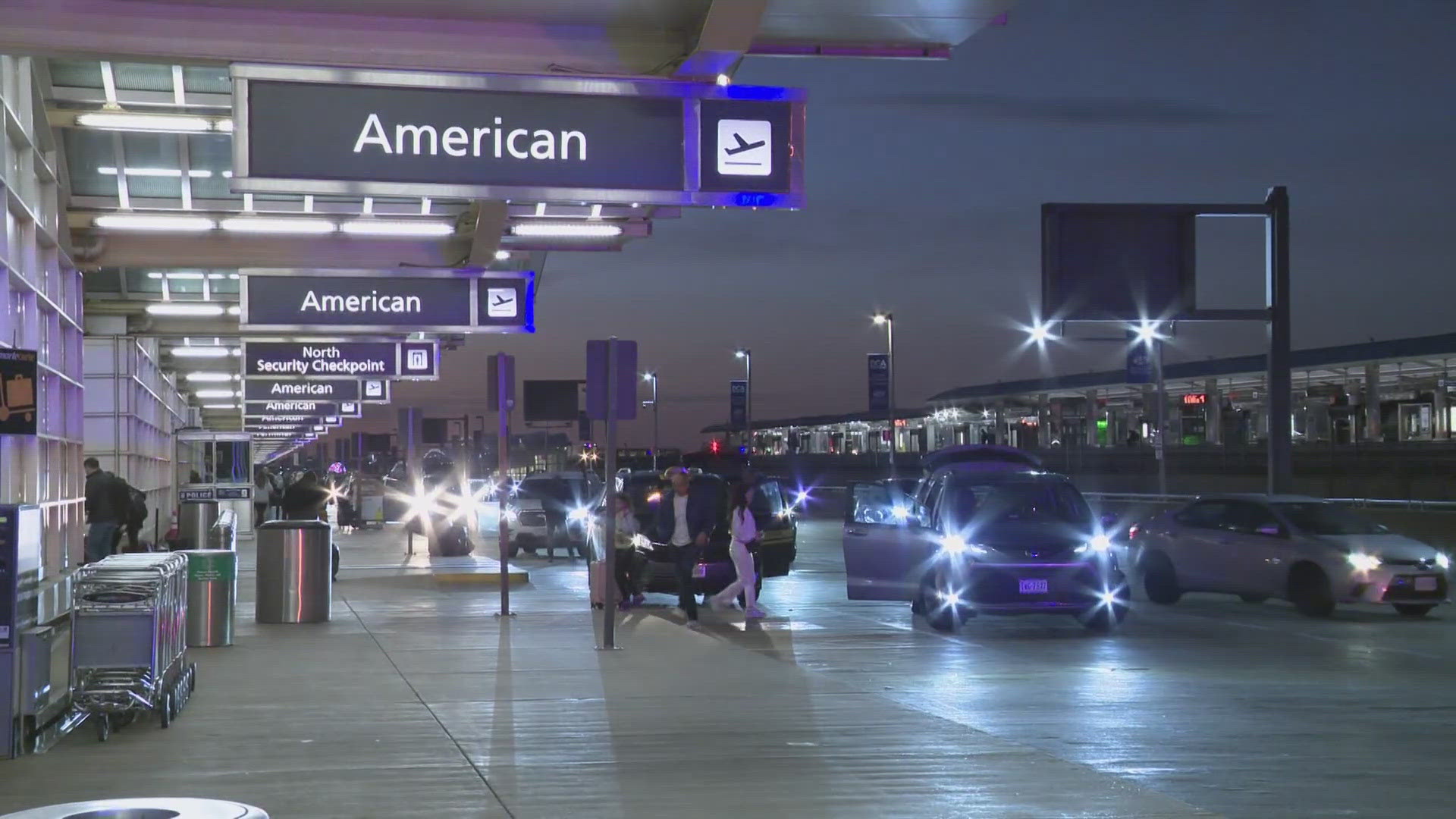
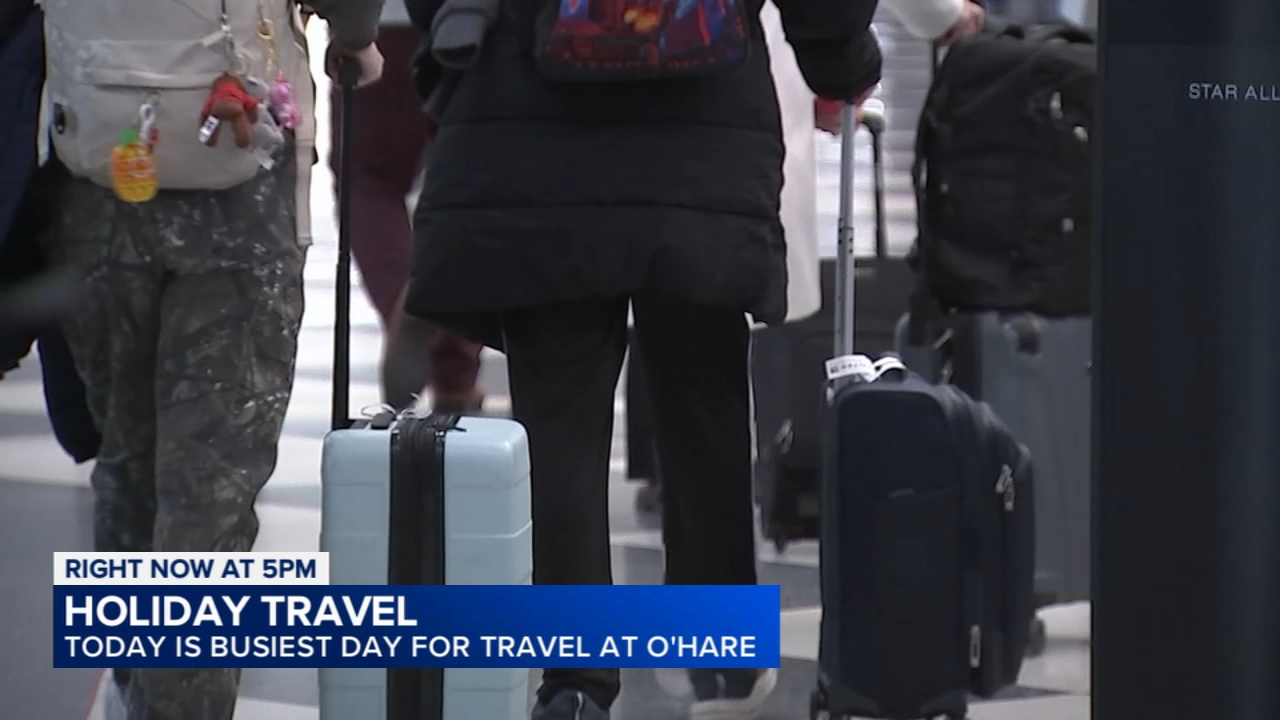
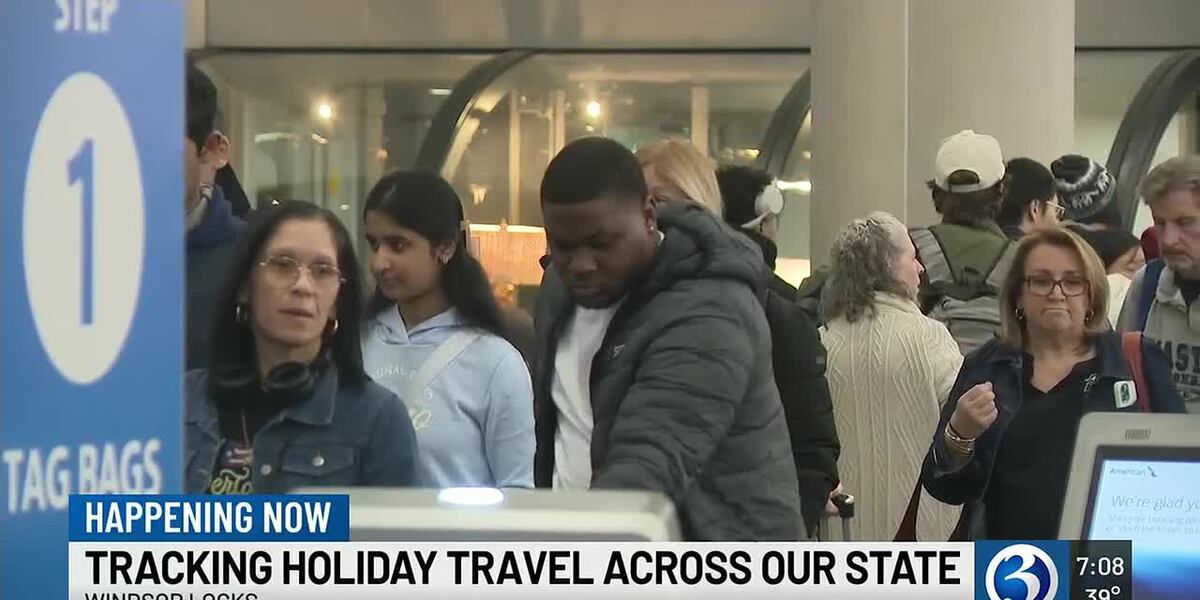
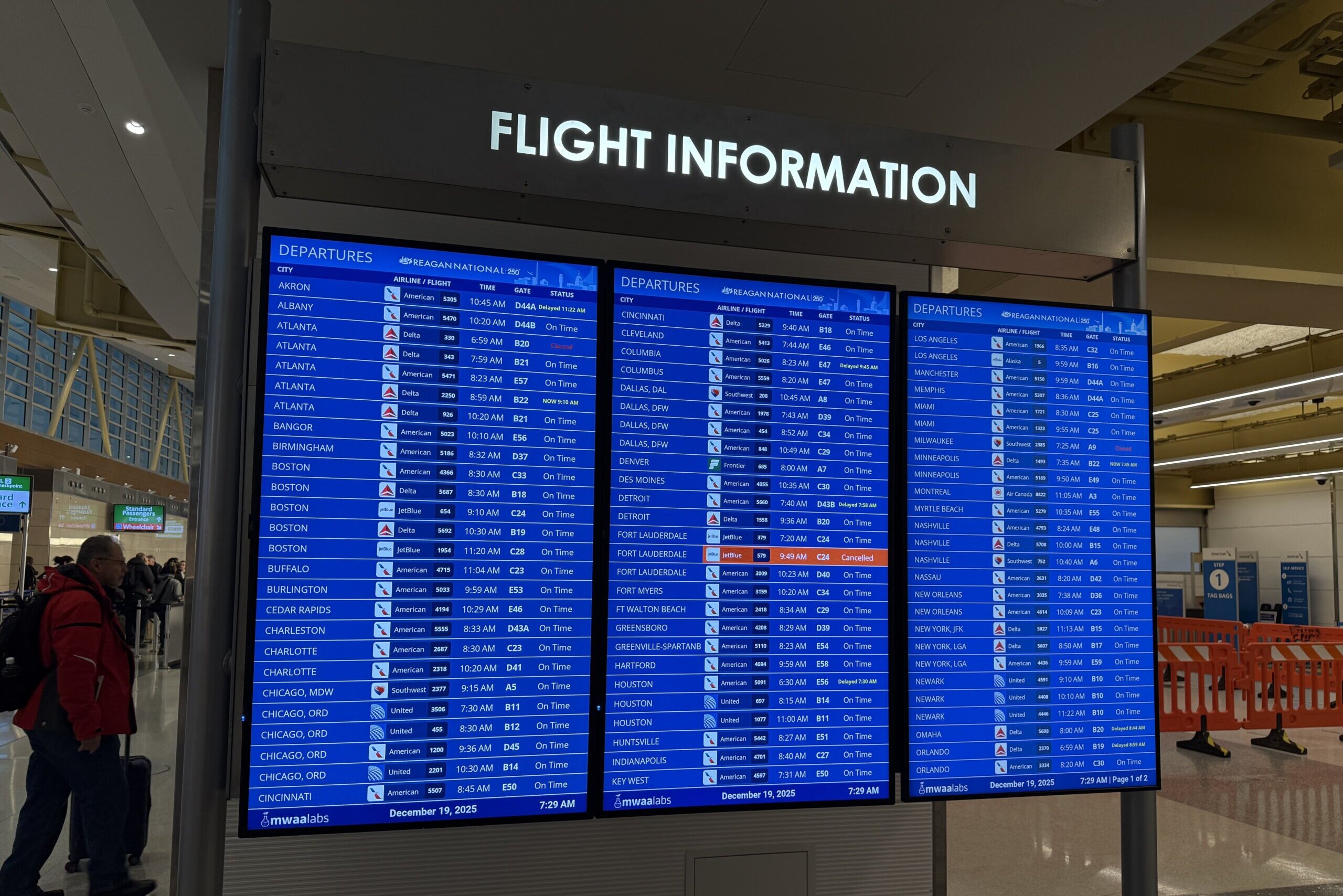
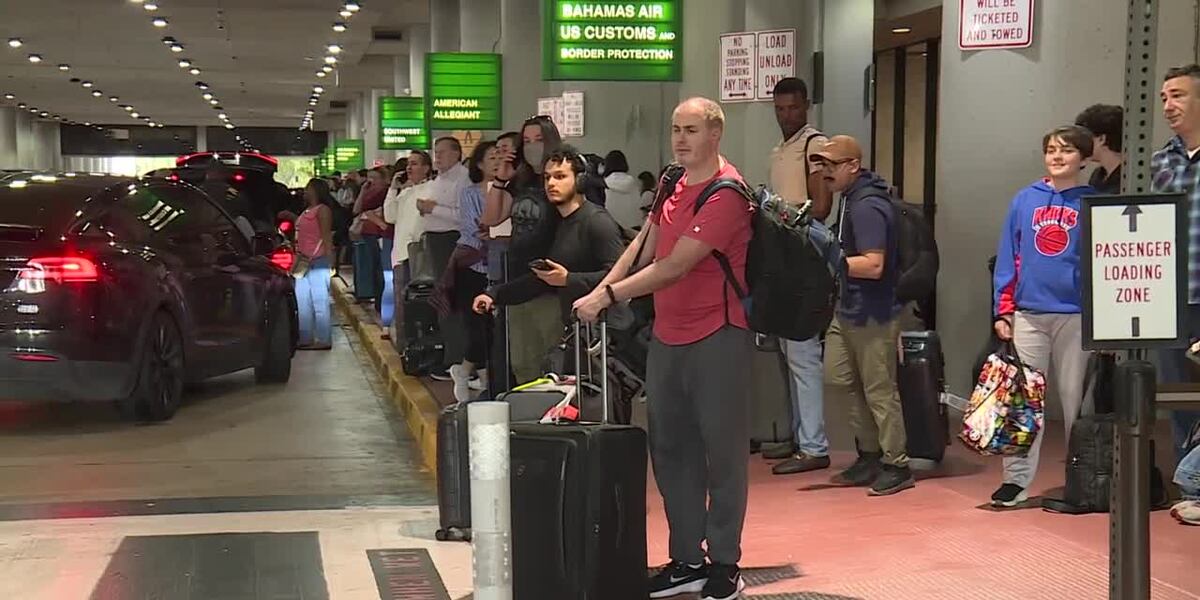
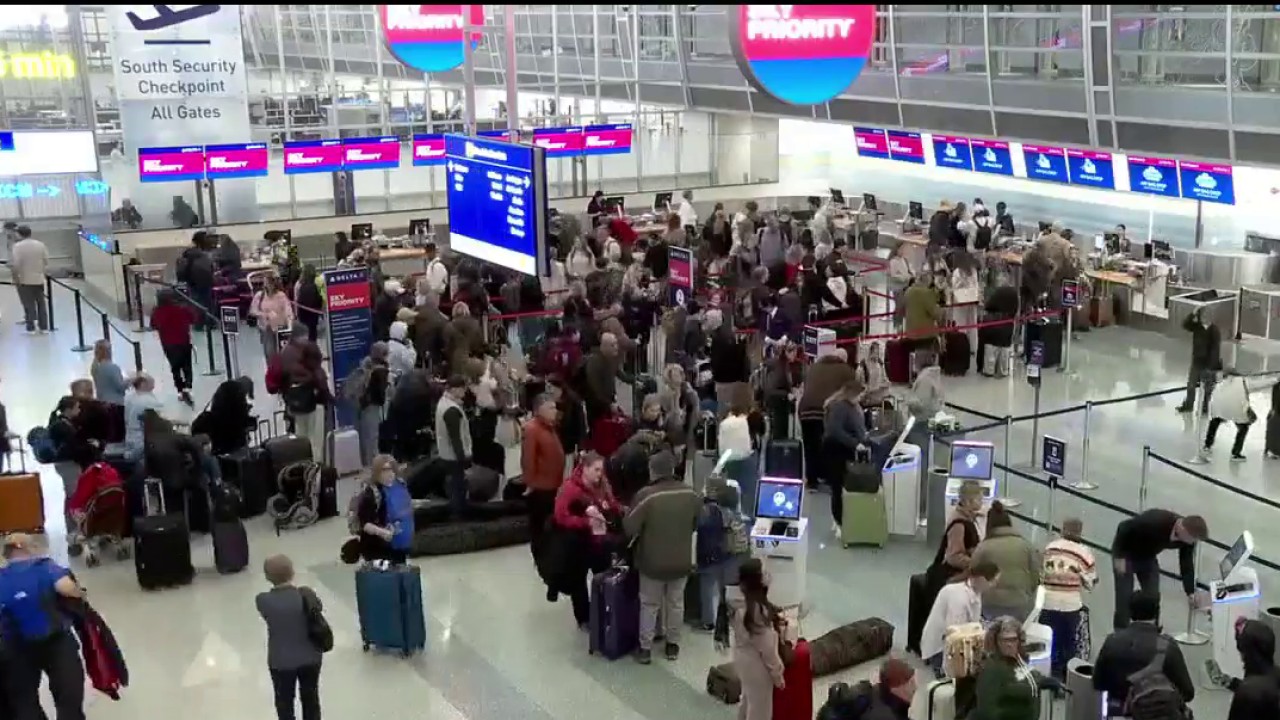
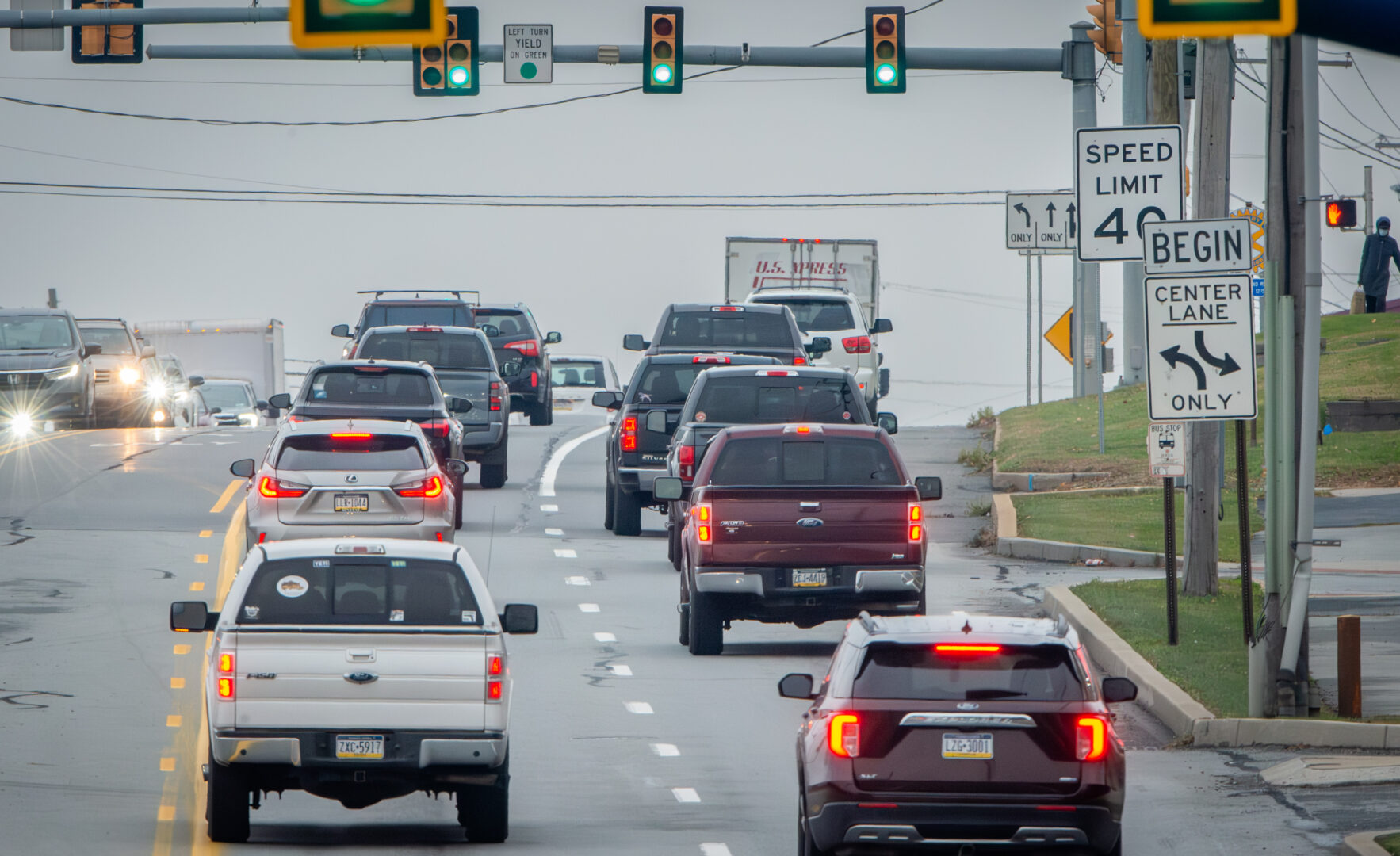
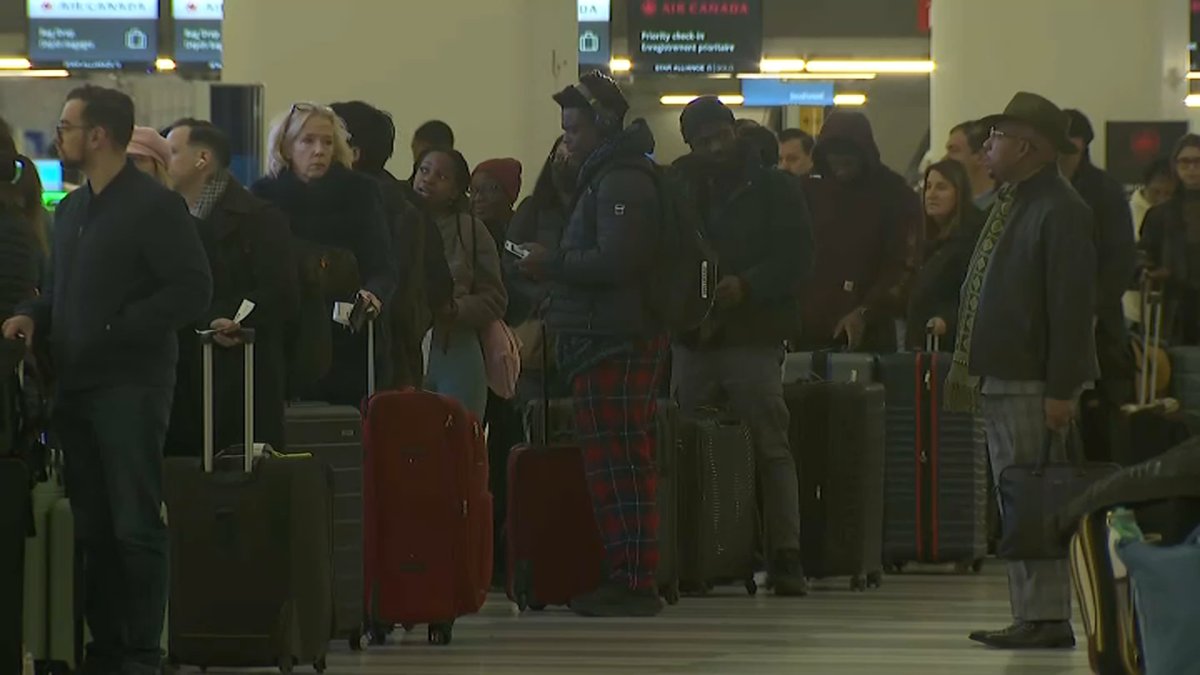
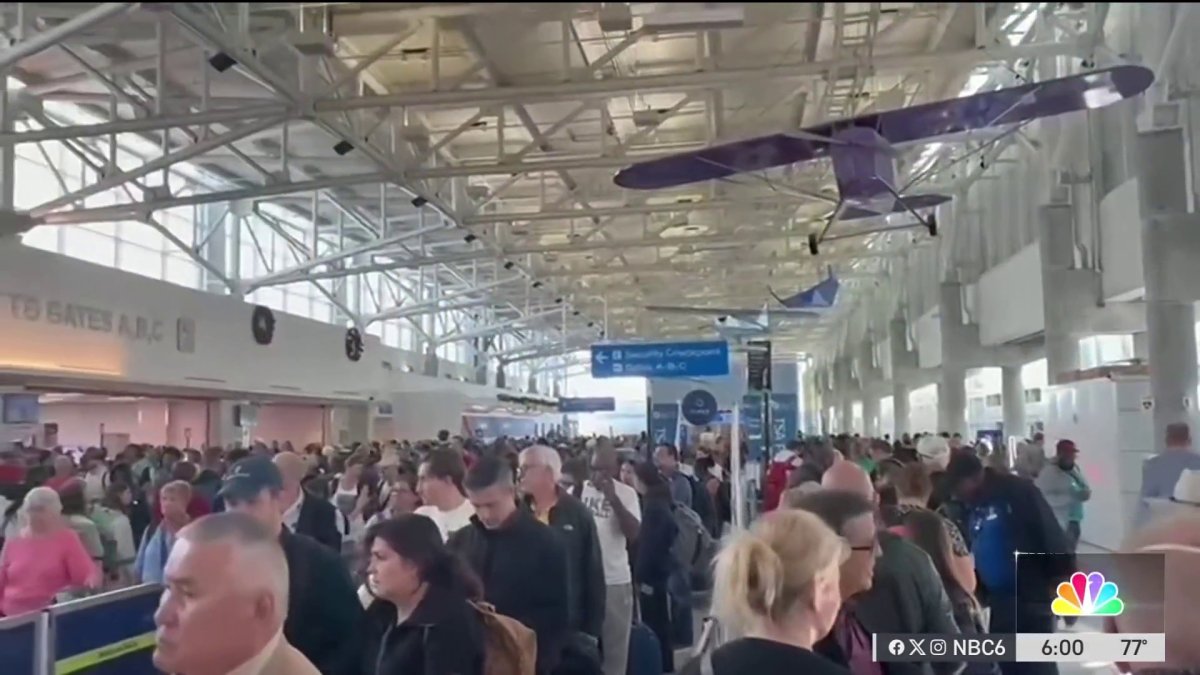
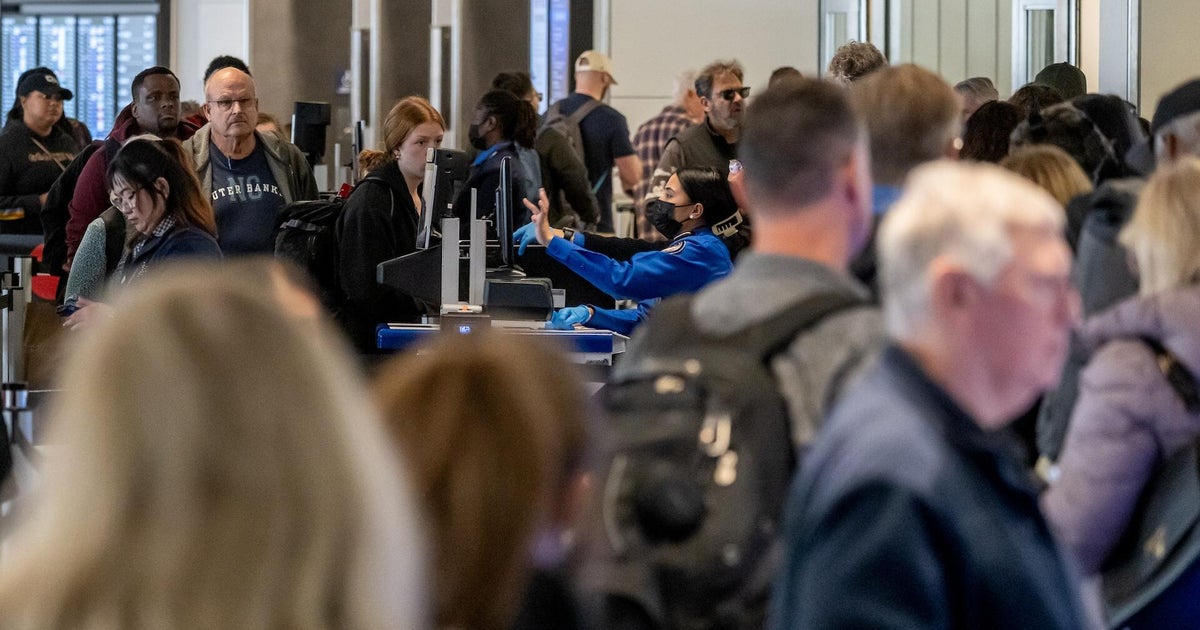
Transportation diversity stands out as a key strategic trend. While 90% of travelers will drive, the remaining 10% exploring alternative transportation methods reveals a nuanced mobility ecosystem. Baltimore's BWI Airport anticipating 440,000 travelers and Amtrak's 5% ridership increase to 34.5 million passengers demonstrate a multi-modal approach that goes beyond traditional travel patterns.
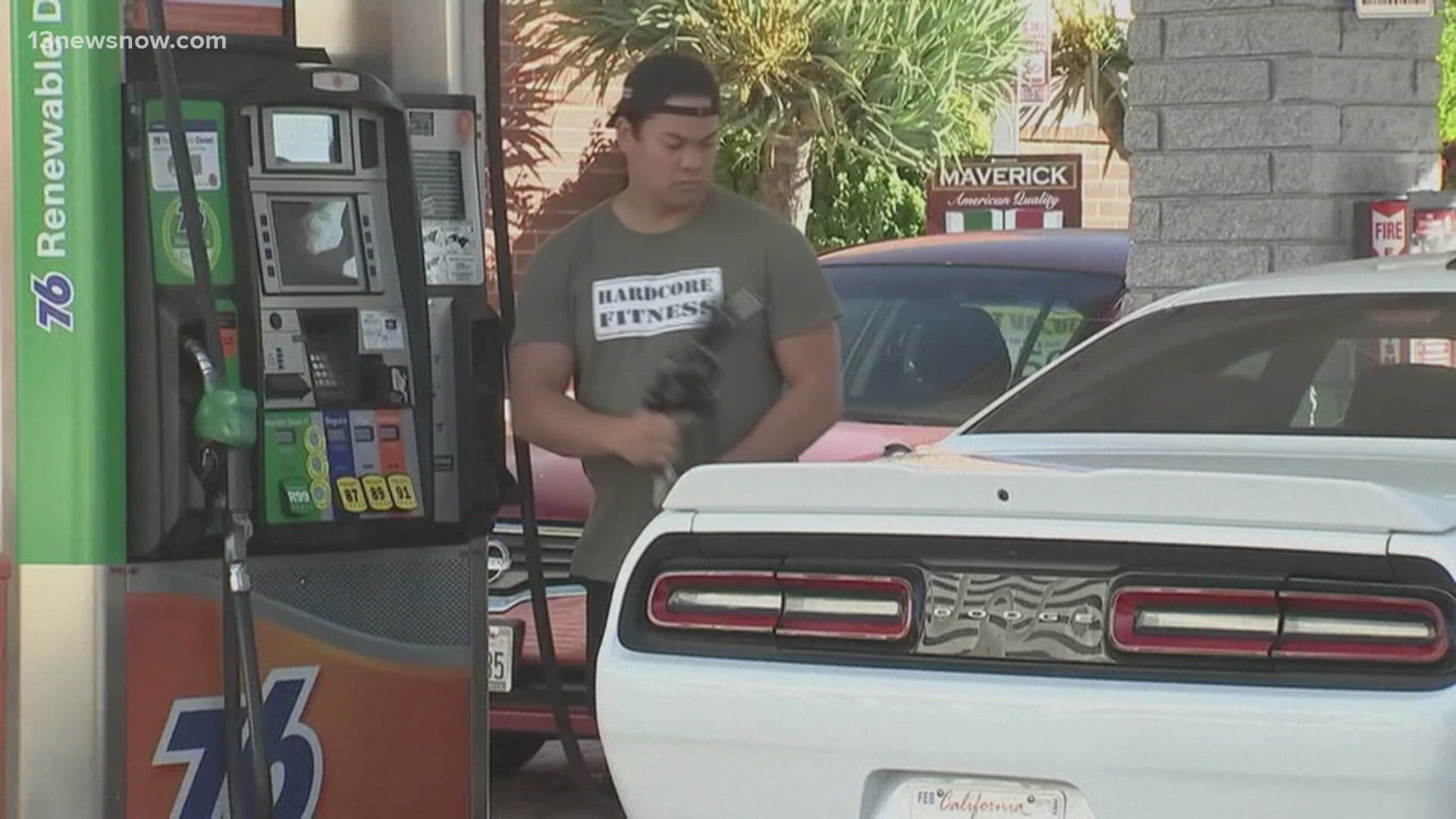
The economic implications are particularly noteworthy. Reduced gas prices (11 cents lower than last year) and stable traffic conditions create an environment that encourages travel and discretionary spending. The last-minute holiday shopping trend, combined with multiple transportation options, suggests consumers are both confident and strategic in their mobility choices.
From a retail and economic perspective, this travel surge indicates more than just seasonal movement. It represents a consumer confidence index in real-time—people are willing to invest time and resources in travel, signaling underlying economic optimism. The combination of affordable travel costs, multiple transportation channels, and robust mobility suggests a resilient consumer base ready to engage in economic activities.
Strategic recommendations for businesses include: 1) Develop flexible, multi-channel engagement strategies that accommodate diverse travel patterns, 2) Create location-agnostic customer experiences that recognize the increasing mobility of consumers, and 3) Design marketing and service approaches that align with this dynamic, movement-oriented consumer landscape.
Questions 3
What makes Maryland's holiday travel forecast significant for economic analysis?
The forecast of 2.5 million travelers represents more than just movement—it's a real-time indicator of consumer confidence. The diversity of transportation methods (90% driving, 10% alternative) and stable travel conditions suggest economic resilience and willingness to spend.
How do reduced gas prices impact holiday travel trends?
The 11-cent reduction in gas prices compared to last year creates a more affordable travel environment. This price reduction, combined with stable traffic conditions, encourages more discretionary travel and signals potential increased consumer spending.