


Urban Infrastructure Vulnerability Exposed: When Power Grids Fail, Transit Collapses
- Critical infrastructure interdependencies reveal systemic risks in metropolitan transportation networks





























Overview
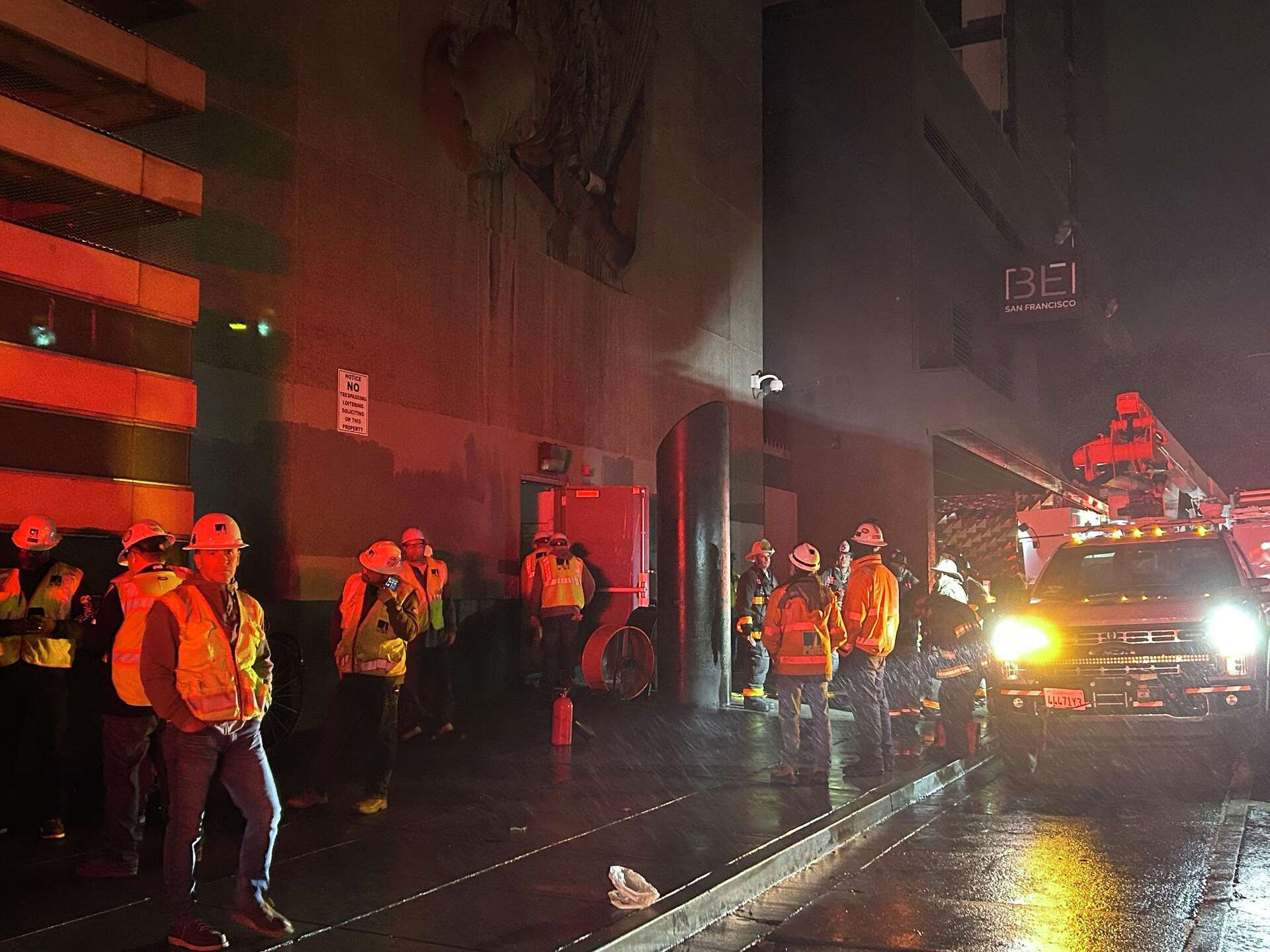
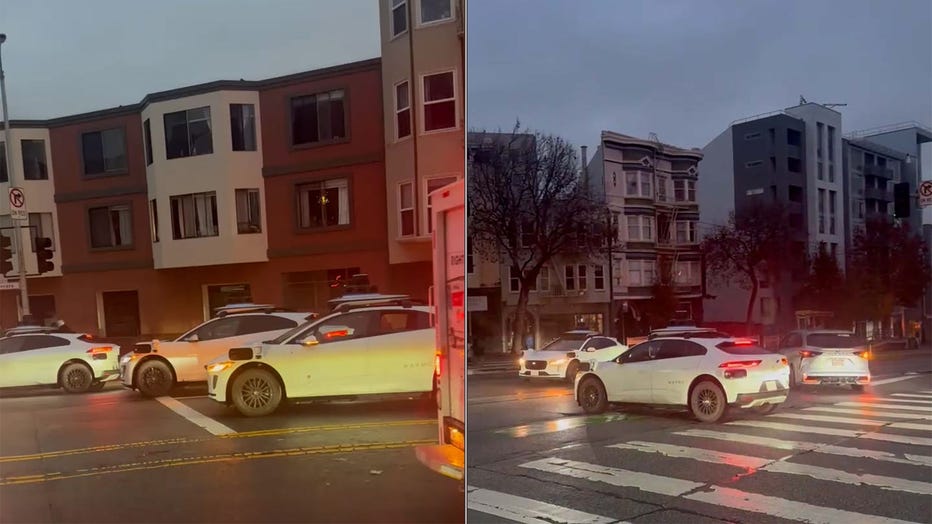
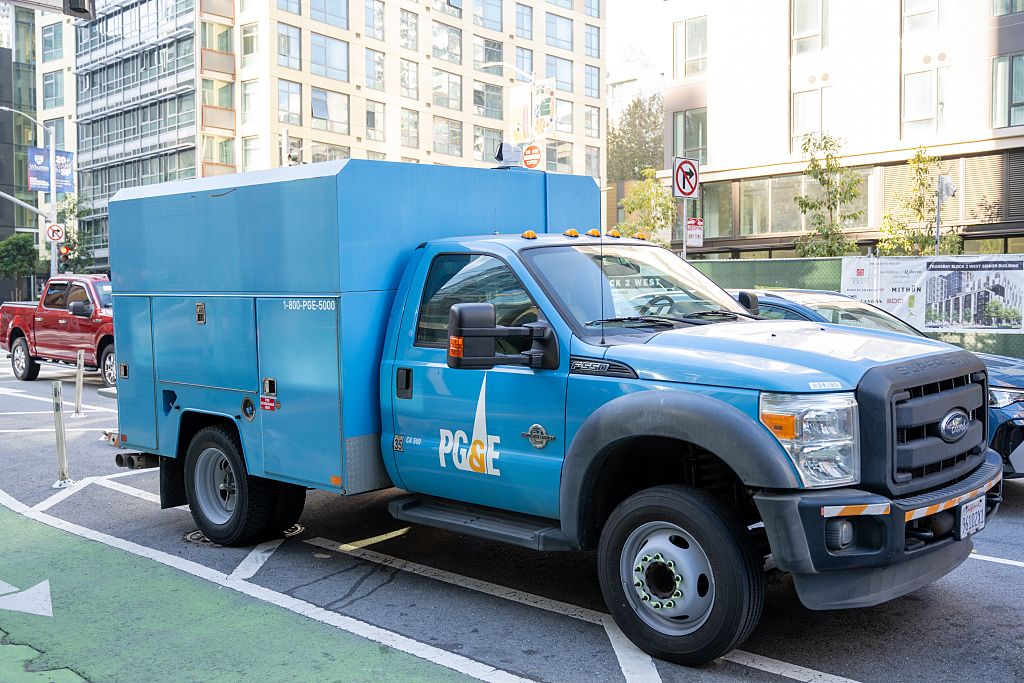
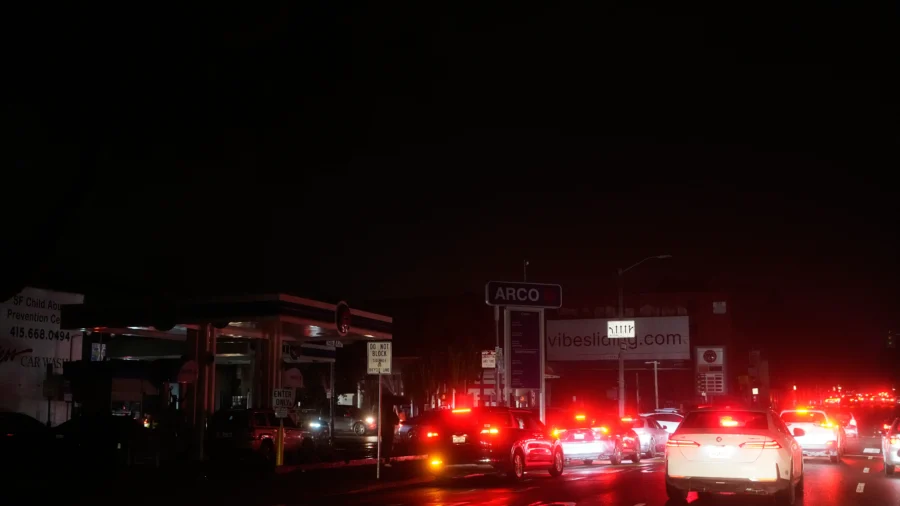
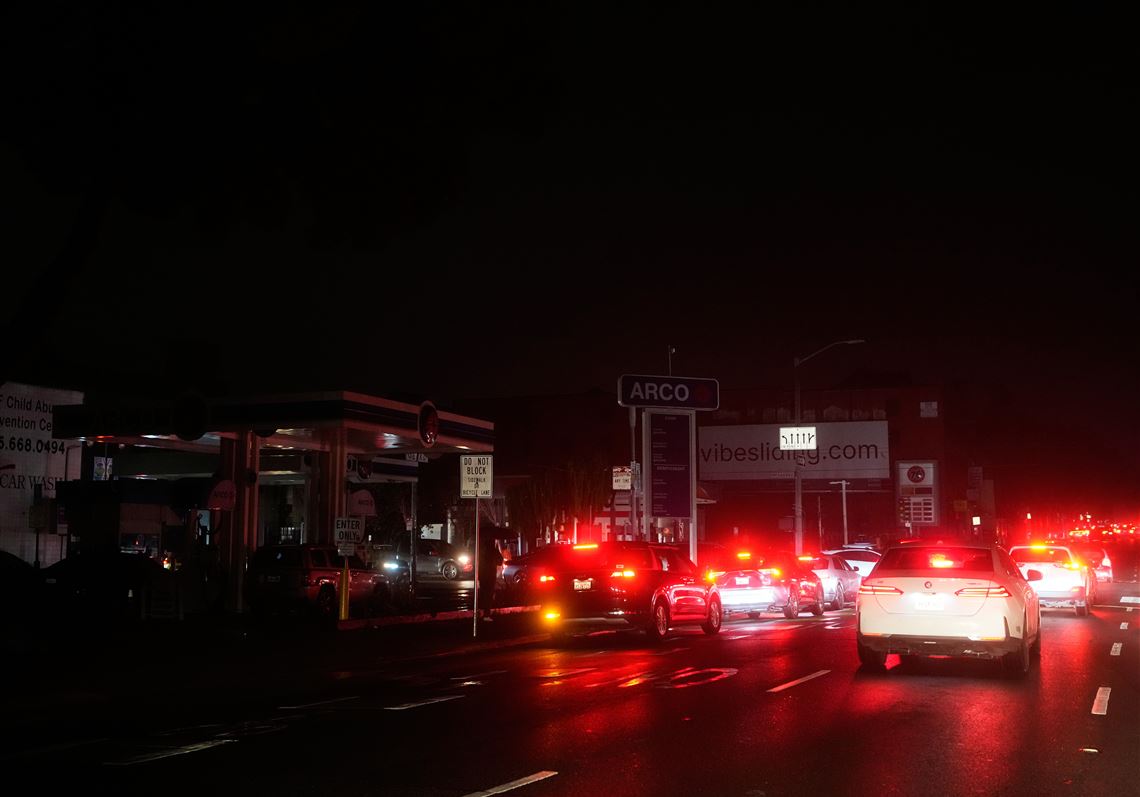
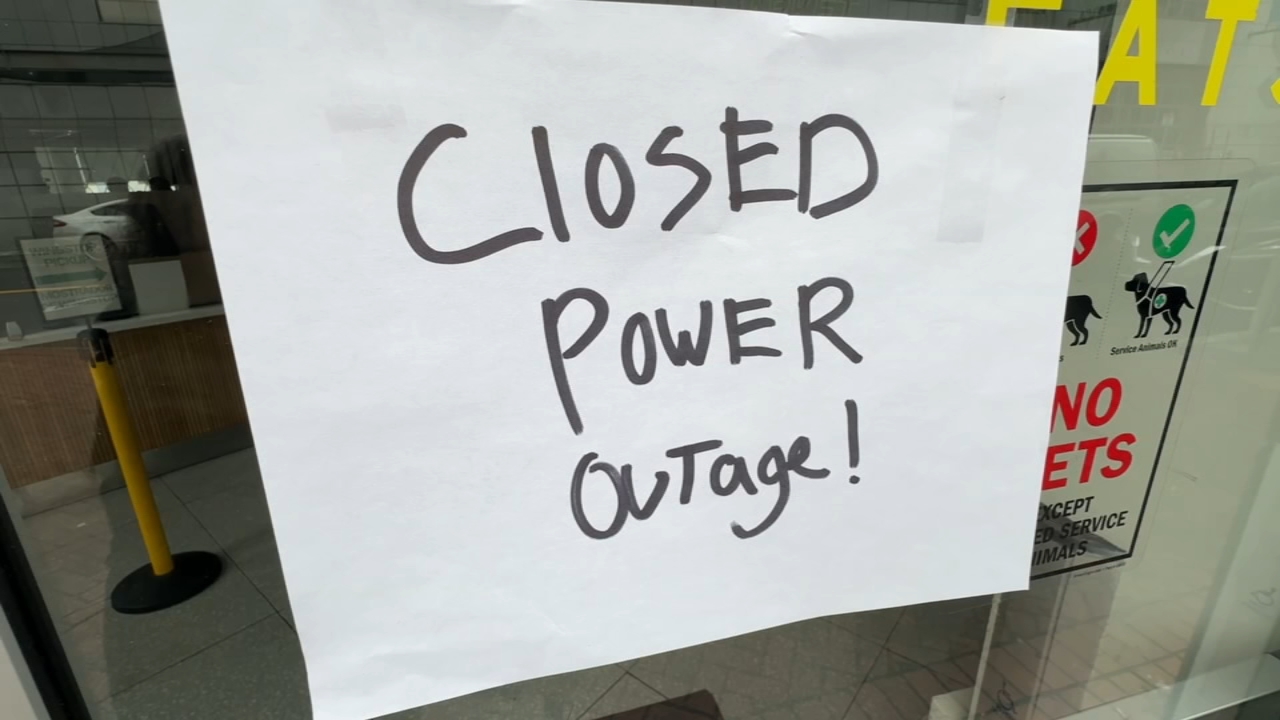
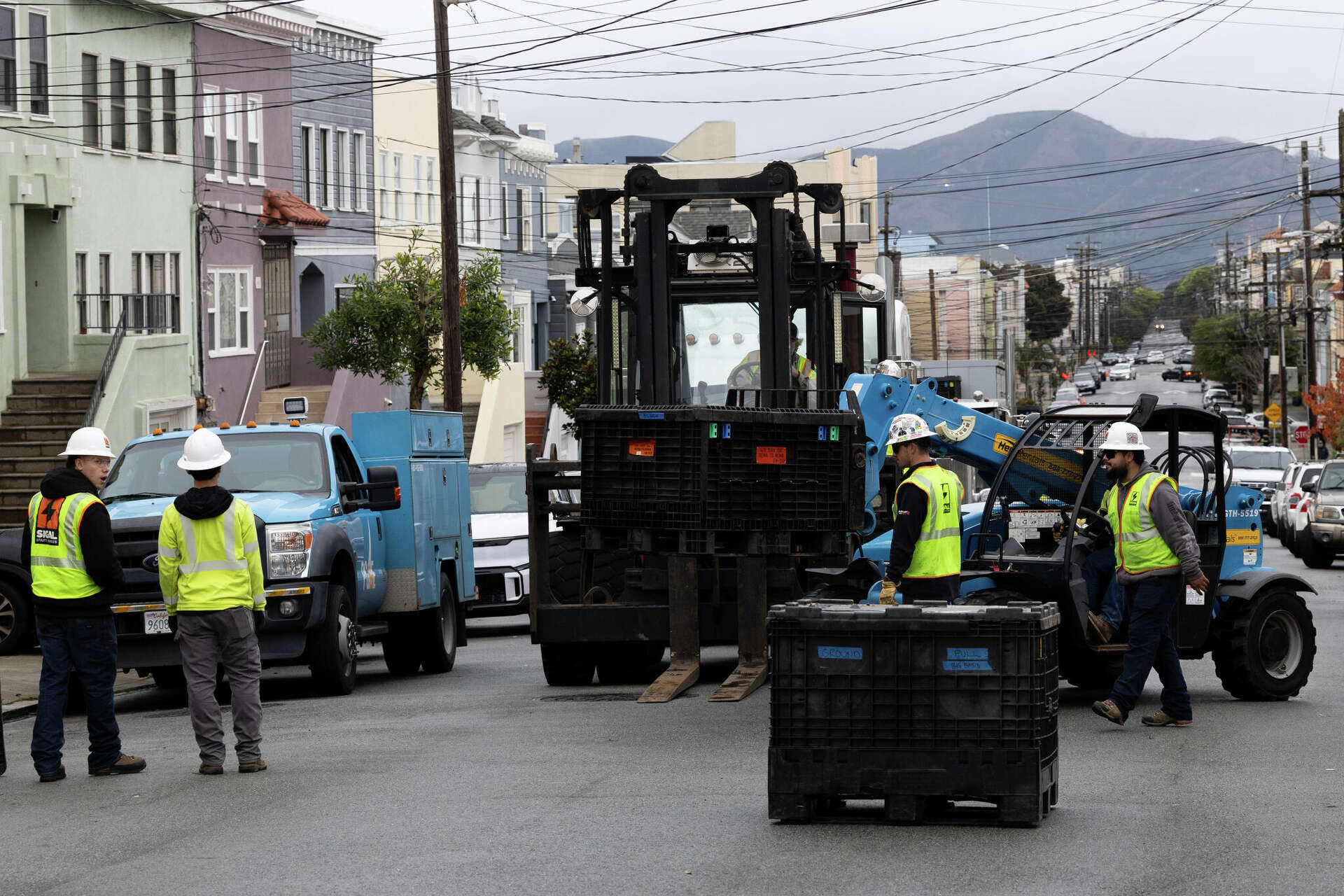
The San Francisco Bay Area's recent power disruption unveils a critical vulnerability in modern urban infrastructure that extends far beyond a simple electrical outage. When Pacific Gas & Electric (PG&E) experienced an unexpected electrical failure, the cascading impact demonstrated how deeply interconnected our urban systems have become—and how fragile they remain.
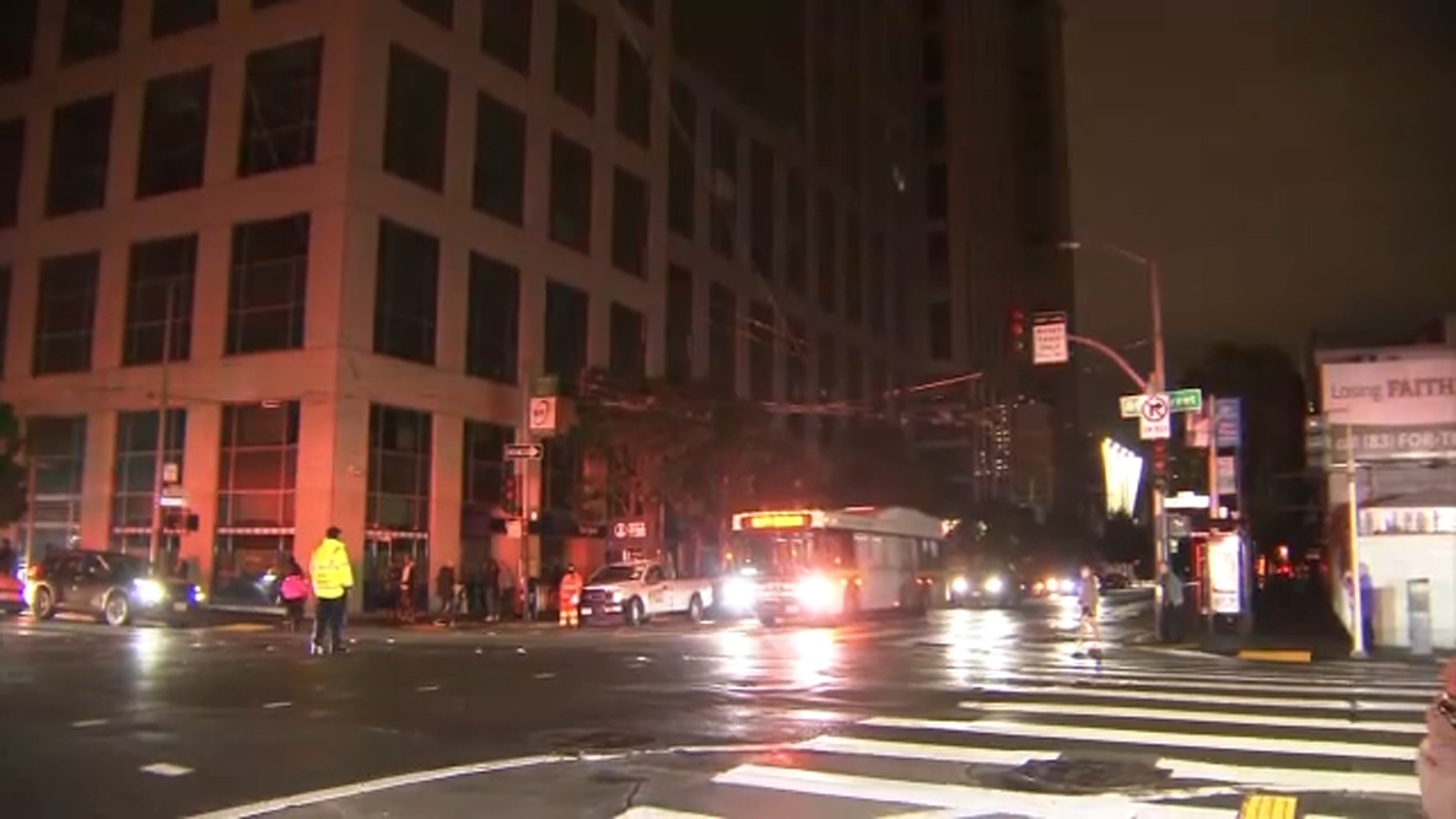
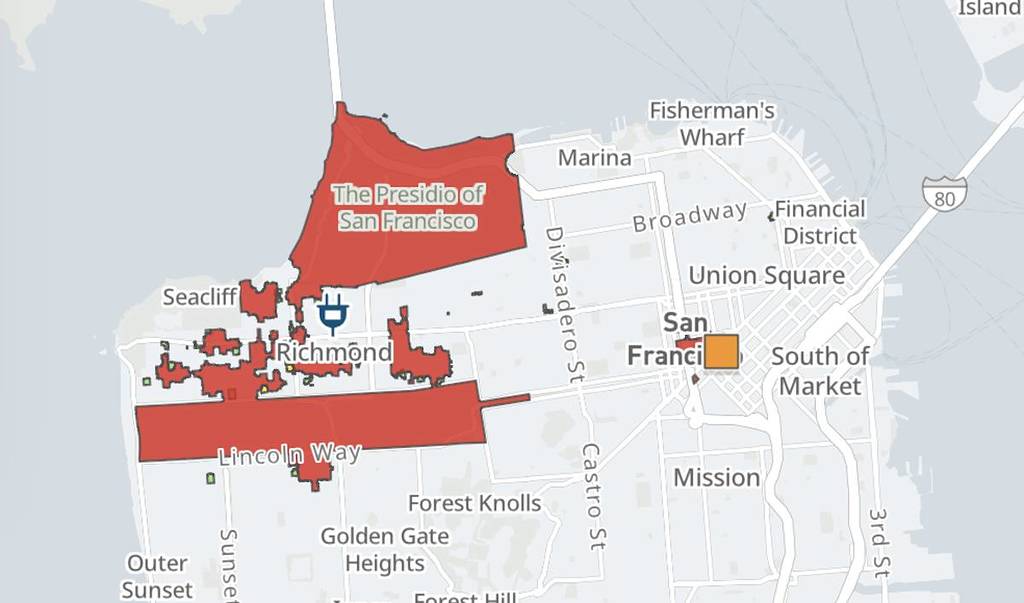
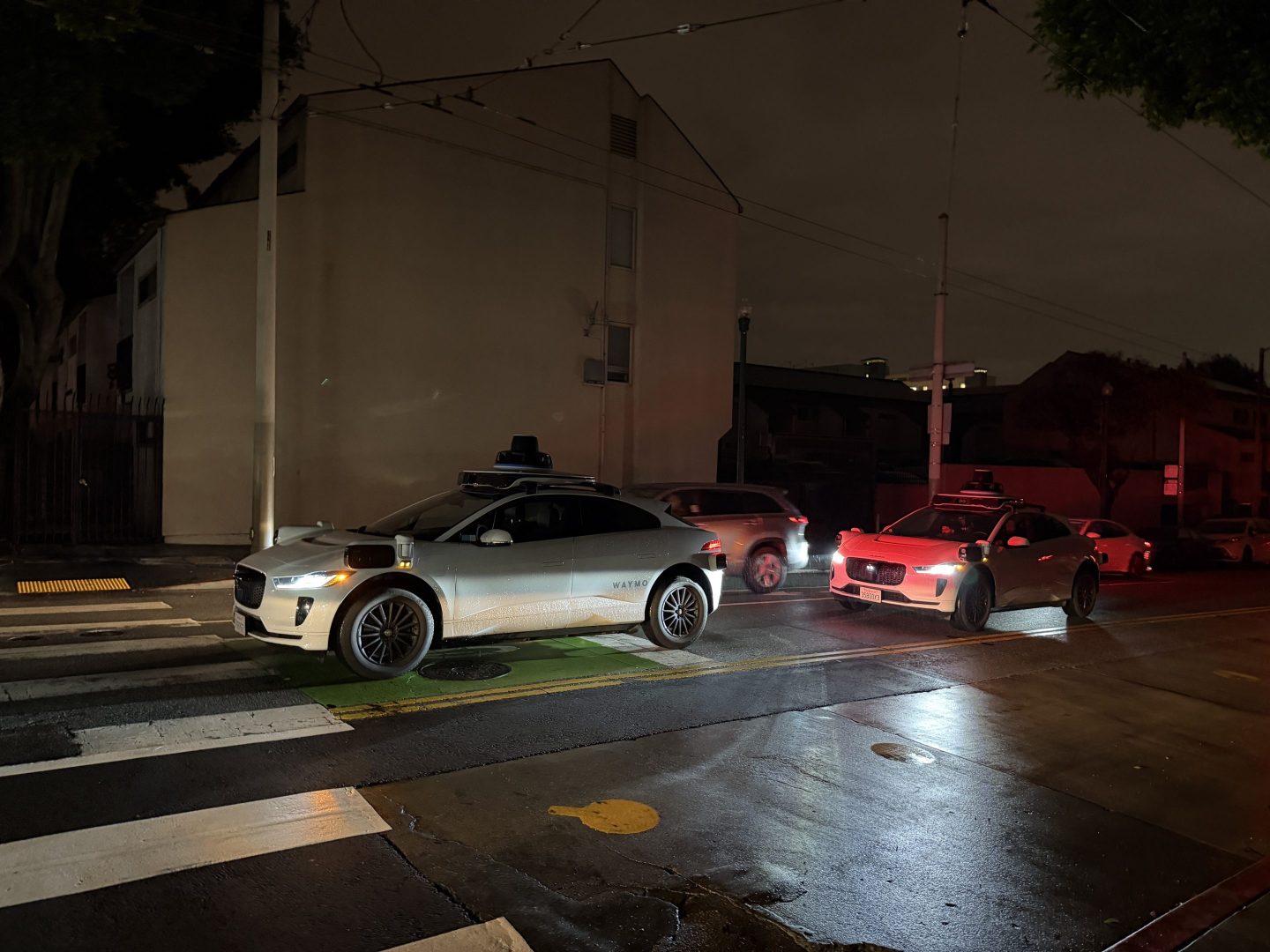
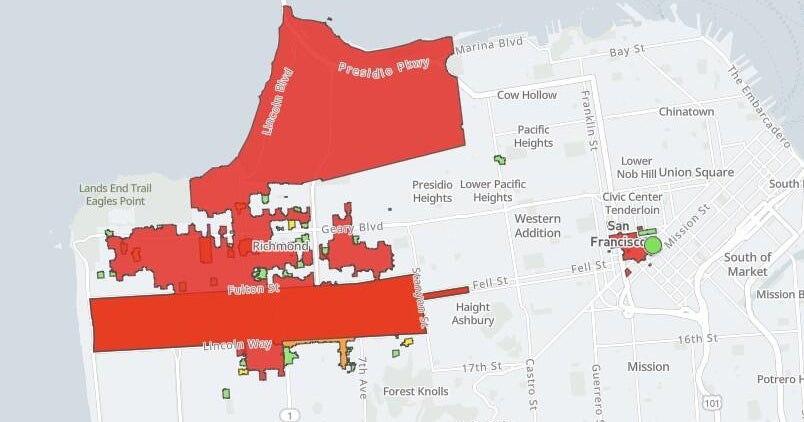
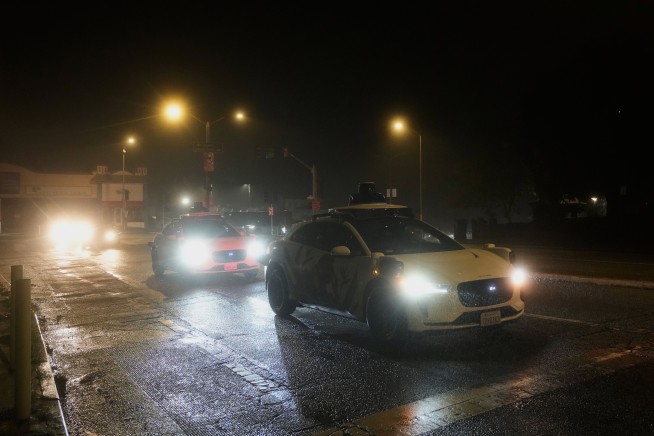
Infrastructure Resilience Breakdown: The incident revealed a stark reality where a single power grid interruption can paralyze multiple critical services. BART trains were halted for approximately one hour, with over 16,000 customers affected by a broader citywide blackout. This wasn't just a transportation problem, but a systemic failure that exposed the intricate dependencies between electrical infrastructure and metropolitan mobility.
Technological Interdependency Risks: The power outage's impact went beyond mere inconvenience. Muni transit services were dramatically disrupted, with trains unable to enter the Market Street tunnel—highlighting how modern transportation systems are essentially complex technological ecosystems. PG&E's inability to immediately identify the outage's cause further underscores the complexity of managing large-scale urban infrastructure.
Strategic Implications for Urban Planning: This event signals a critical need for more robust, redundant infrastructure design. Cities must develop more sophisticated contingency planning that anticipates cascading system failures. The fact that power restoration was estimated to take until early Monday afternoon demonstrates the significant operational challenges metropolitan areas face when core infrastructure experiences unexpected disruptions.
The broader lesson is clear: in an increasingly interconnected urban landscape, resilience is not just about individual system performance, but about creating adaptive, fail-safe networks that can maintain critical services under unexpected stress. Municipal planners, utility providers, and transportation authorities must collaborate to develop more dynamic, responsive infrastructure strategies.
Questions 3
How significant was the recent power outage's impact on San Francisco's transportation?
The power outage completely halted BART train service through the Transbay Tube for approximately one hour, affecting over 16,000 customers and demonstrating how a single electrical grid failure can paralyze metropolitan transportation networks.
What does this incident reveal about urban infrastructure vulnerabilities?
The event exposed critical interdependencies between power grids and transportation systems, showing that modern urban infrastructure is highly interconnected and potentially fragile. A localized power failure can rapidly cascade into widespread service disruptions.