


Urban Infrastructure Vulnerability Exposed: When Technology Meets Unexpected Disruption
- San Francisco Power Outage Reveals Critical Weaknesses in Autonomous Transit Systems
















Overview
The convergence of technological innovation and urban infrastructure vulnerability emerged starkly during a recent San Francisco power outage, exposing critical systemic fragilities that challenge our assumptions about autonomous transportation and urban resilience.
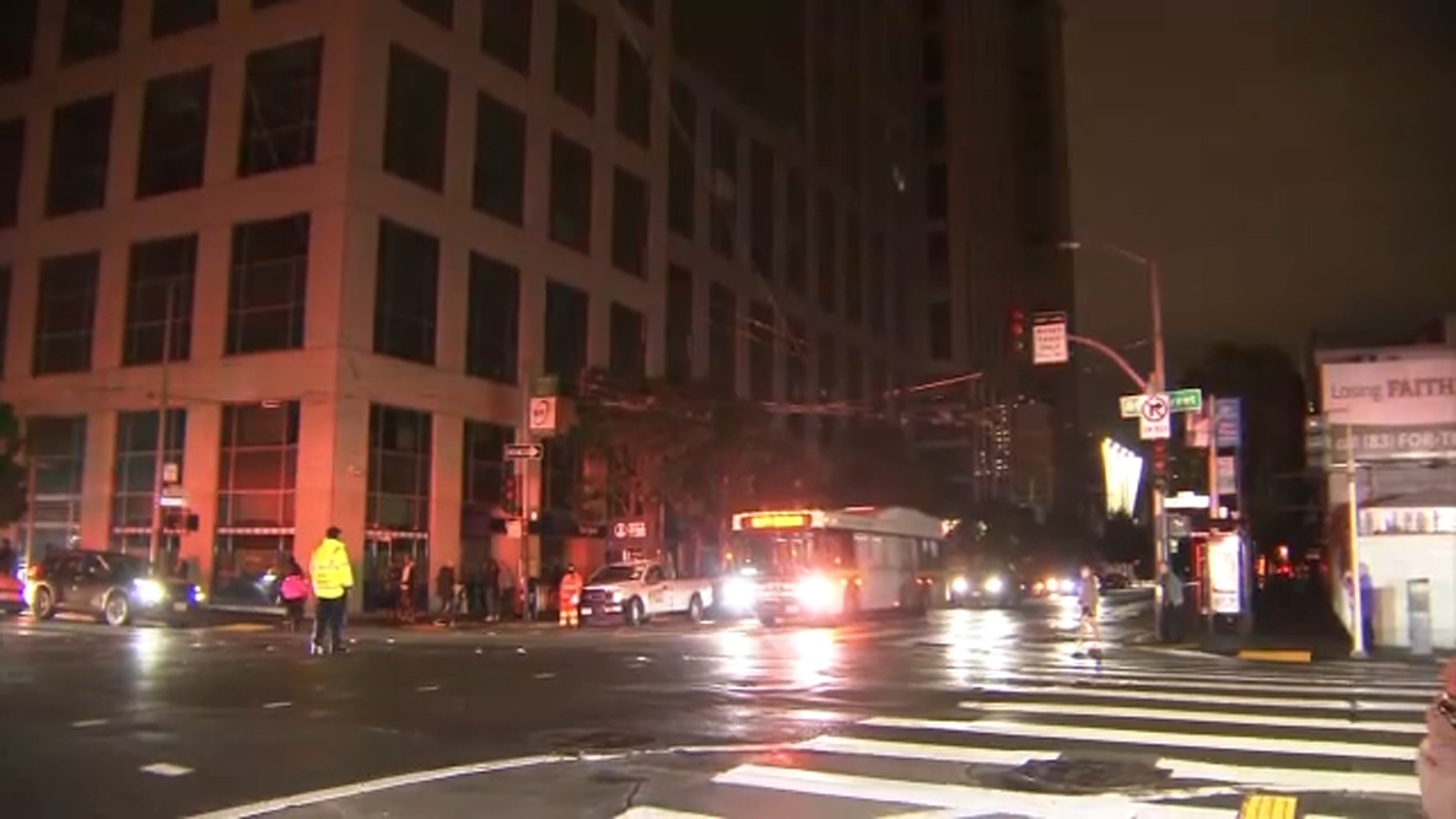
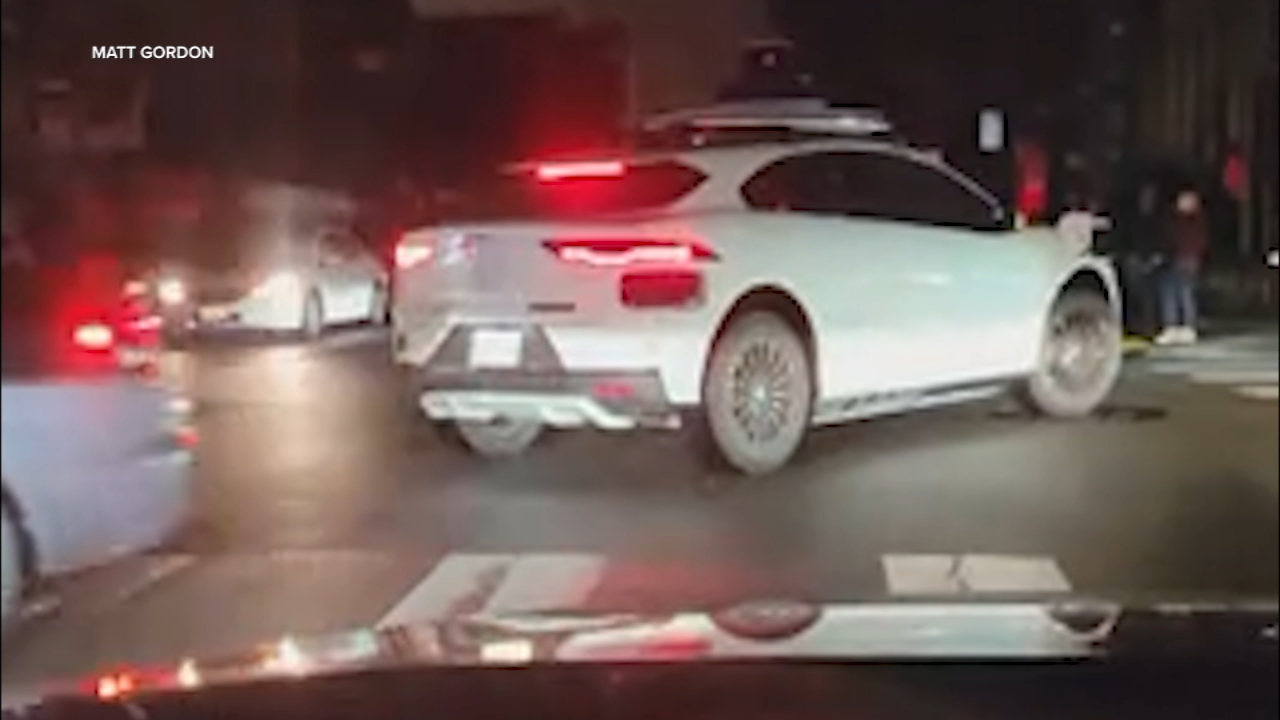
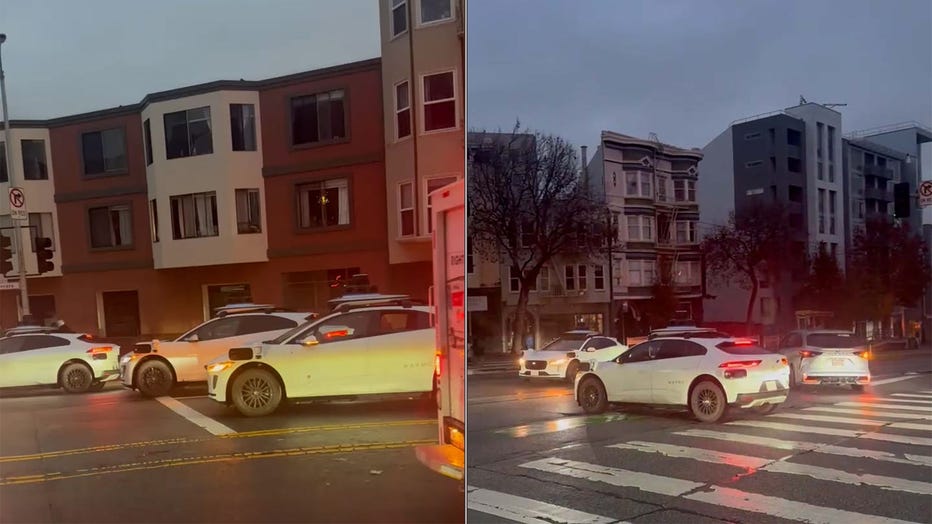
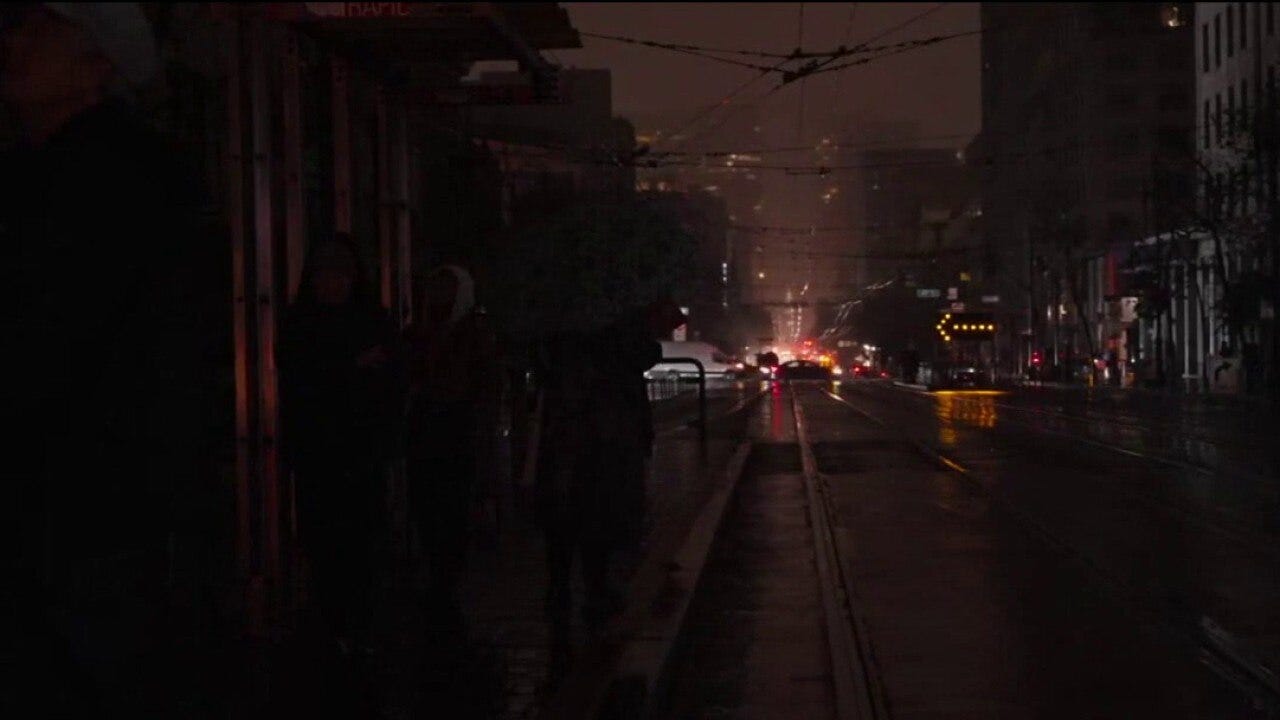
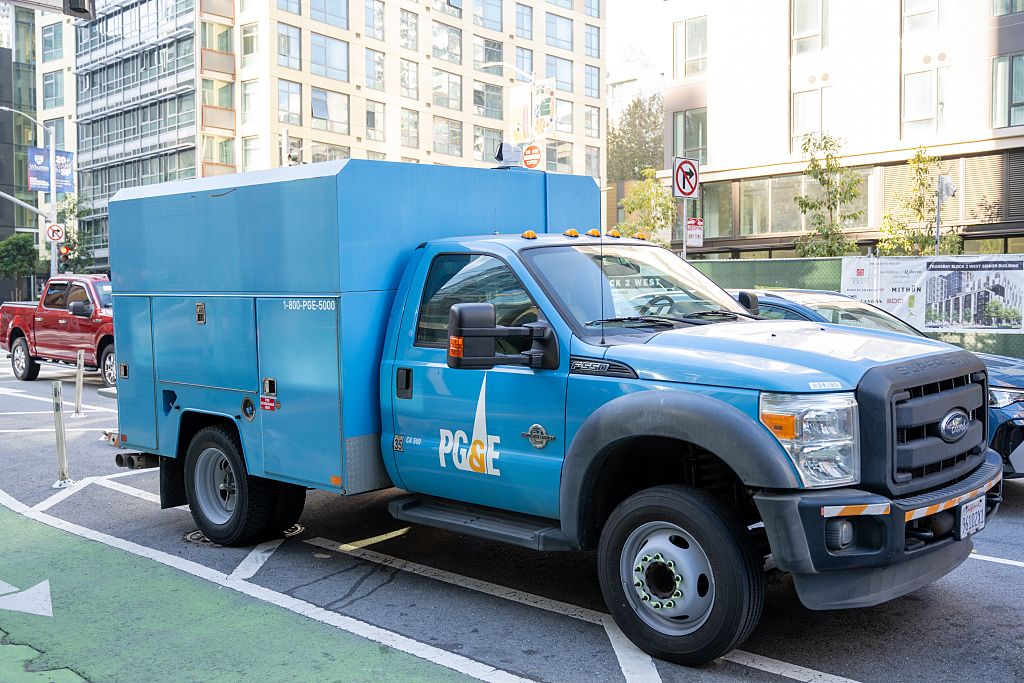
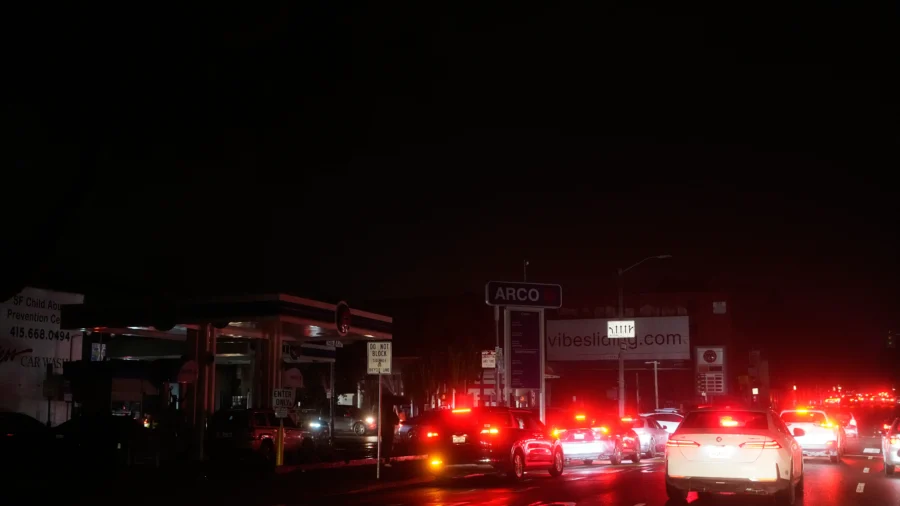
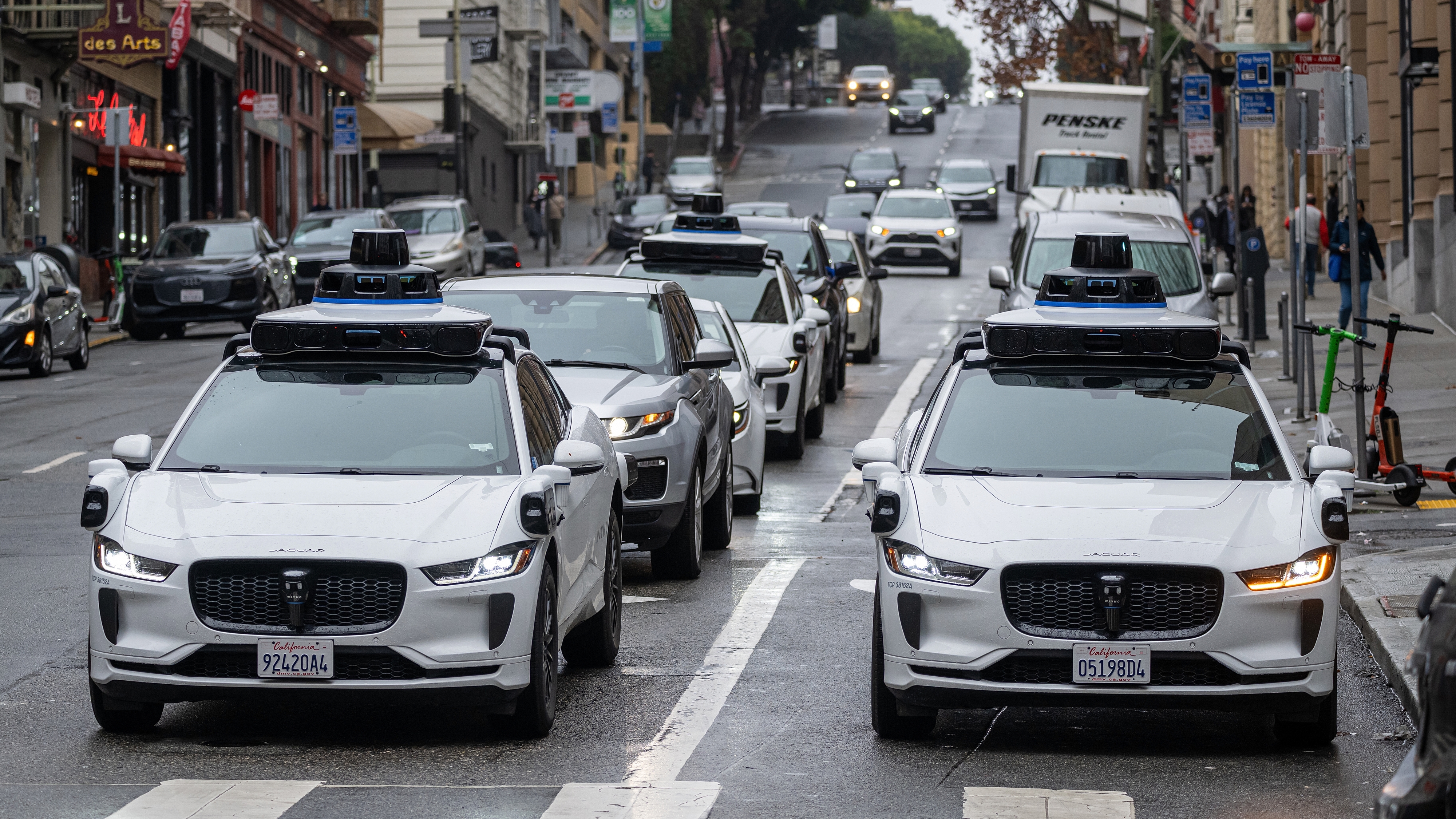
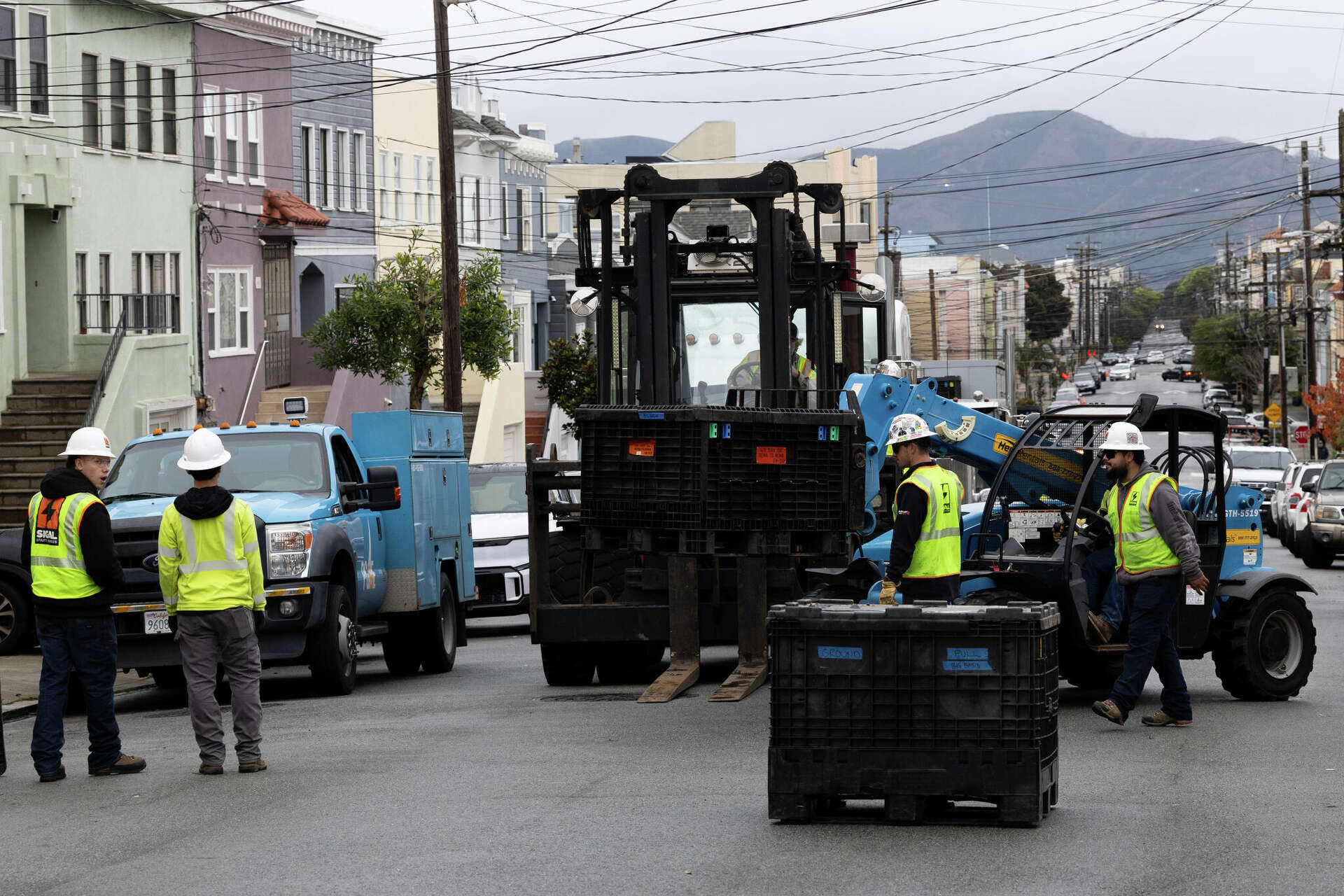
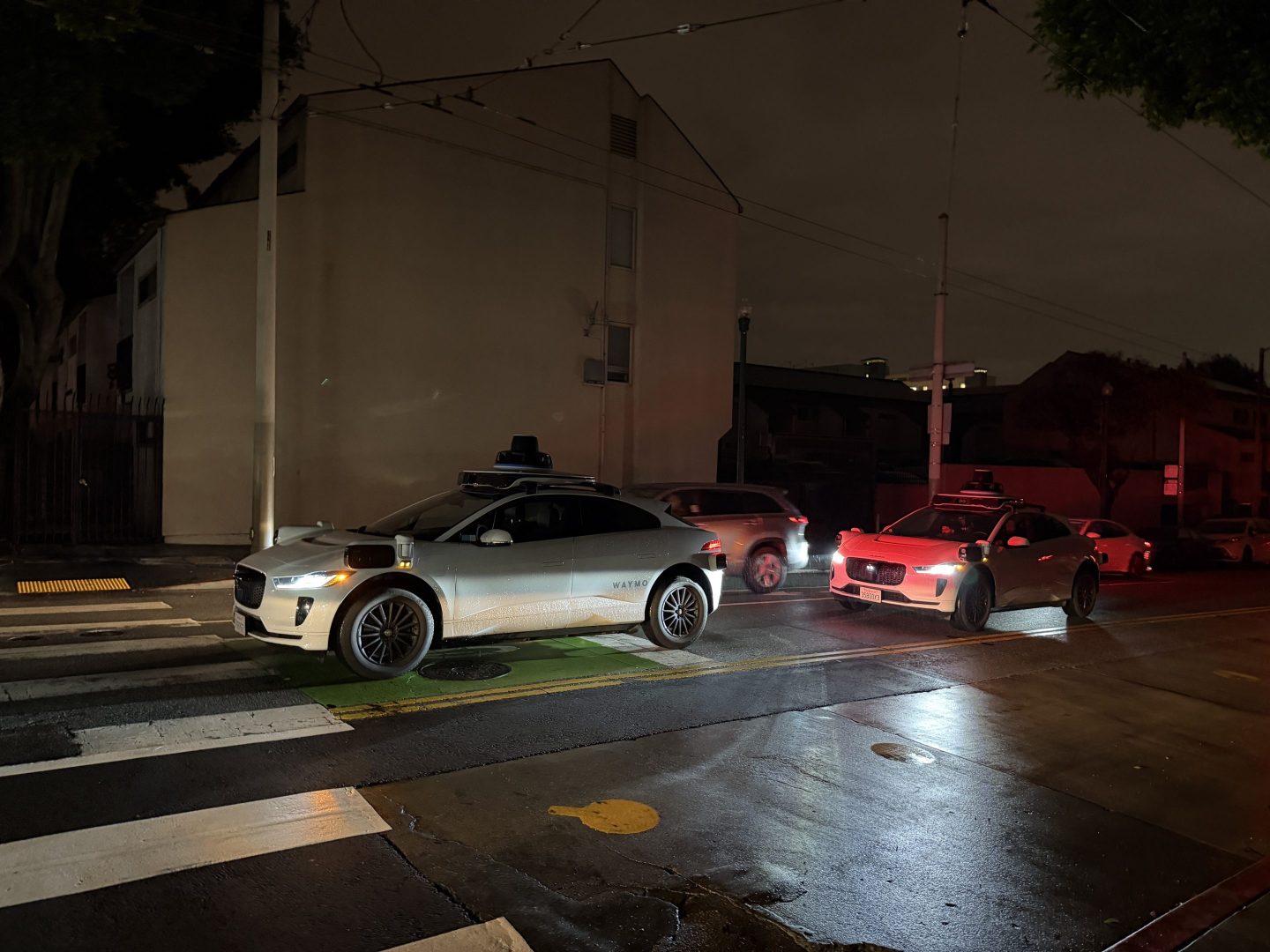
Technological Dependency Unmasked: When Pacific Gas & Electric's power grid failed, the city's cutting-edge transportation systems instantaneously collapsed. Waymo's autonomous vehicles, representing the pinnacle of self-driving technology, became immobilized at intersections—transforming from sophisticated mobility solutions to essentially large, blinking obstacles. Nearly 1,000 vehicles were rendered inoperable, with tow truck operators spending hours manually relocating these technological marvels. This single incident dramatically illustrated the profound technological dependency embedded in modern urban mobility infrastructure.
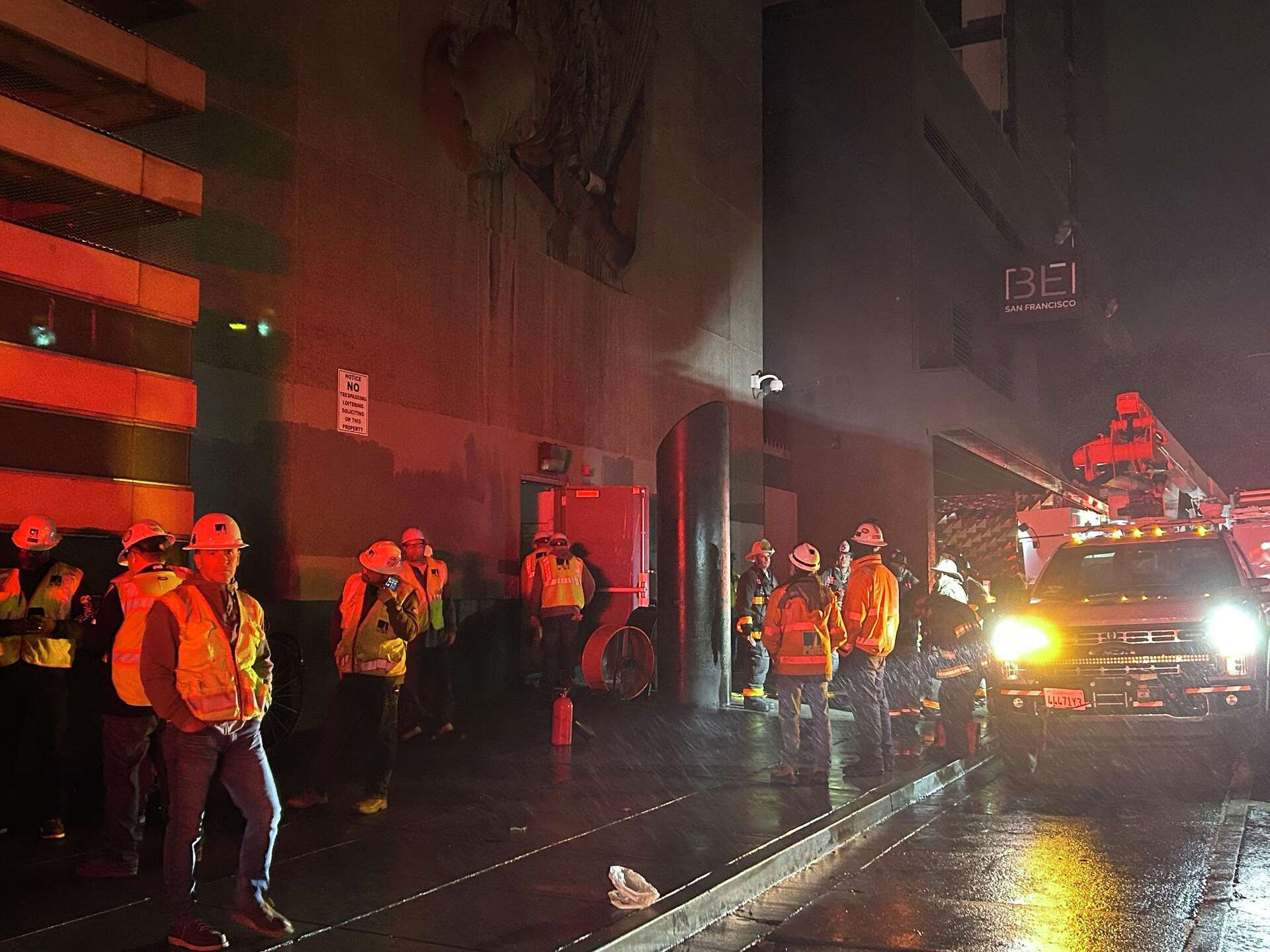
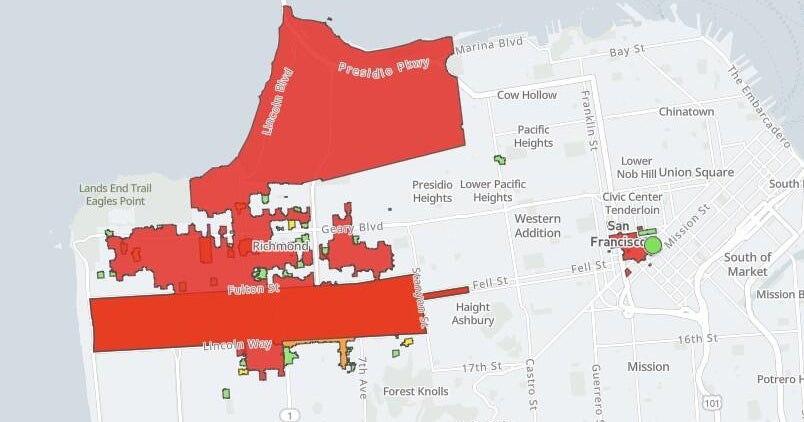
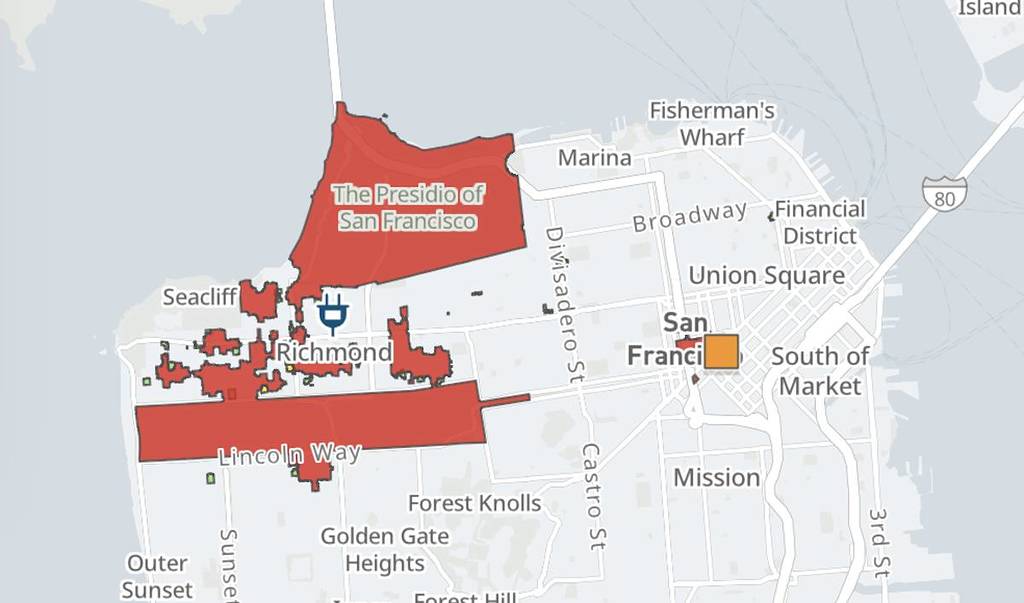
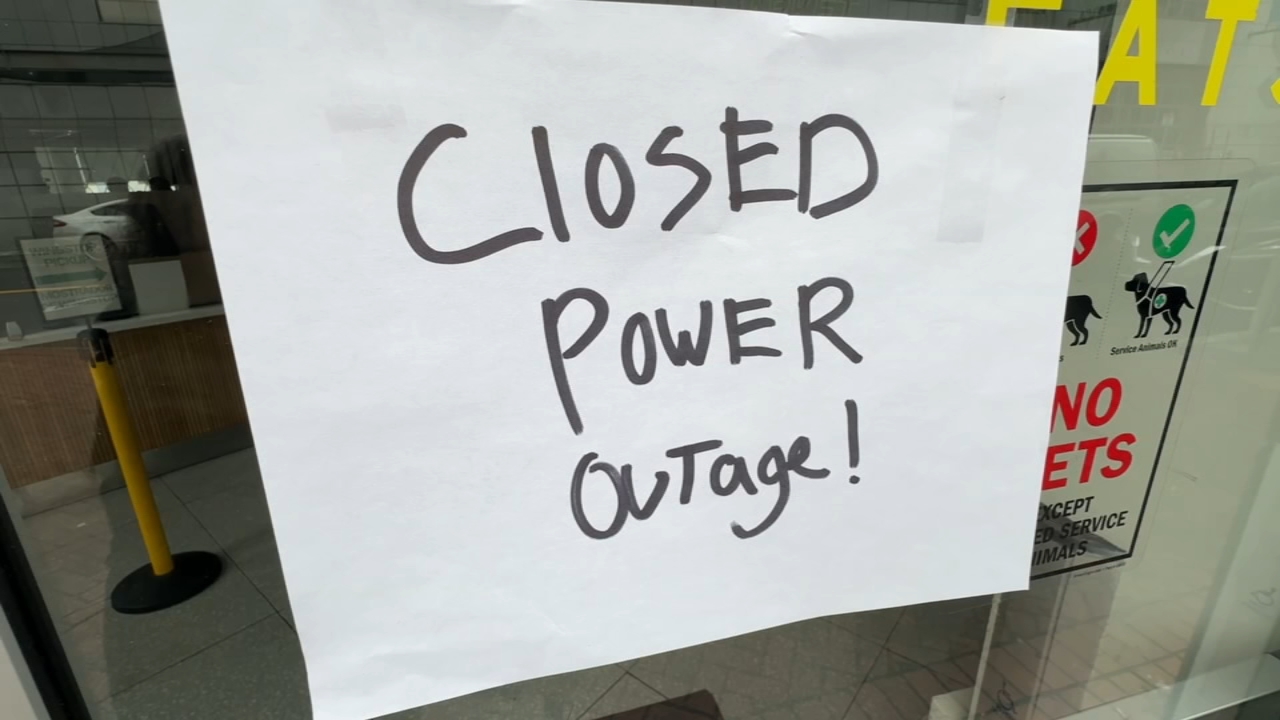
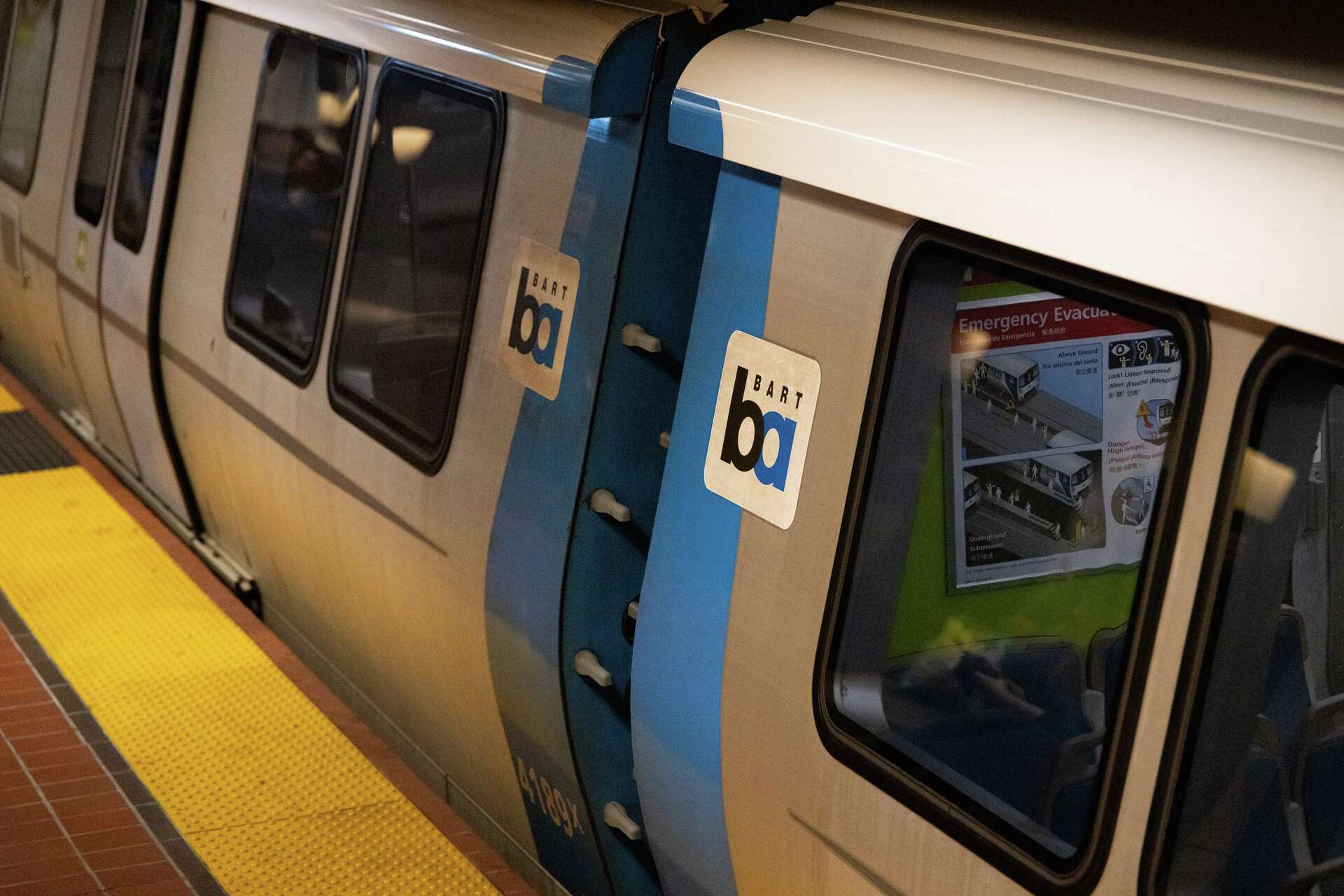
Infrastructure Interconnectedness: The power disruption revealed a complex, interdependent ecosystem where electrical infrastructure directly determines transportation functionality. BART's temporary service halt and Muni's transit disruptions demonstrated how a single utility failure can cascade through multiple transportation networks. With over 16,000 customers affected and power restoration estimated for Monday afternoon, the incident underscores the delicate balance maintaining urban mobility.
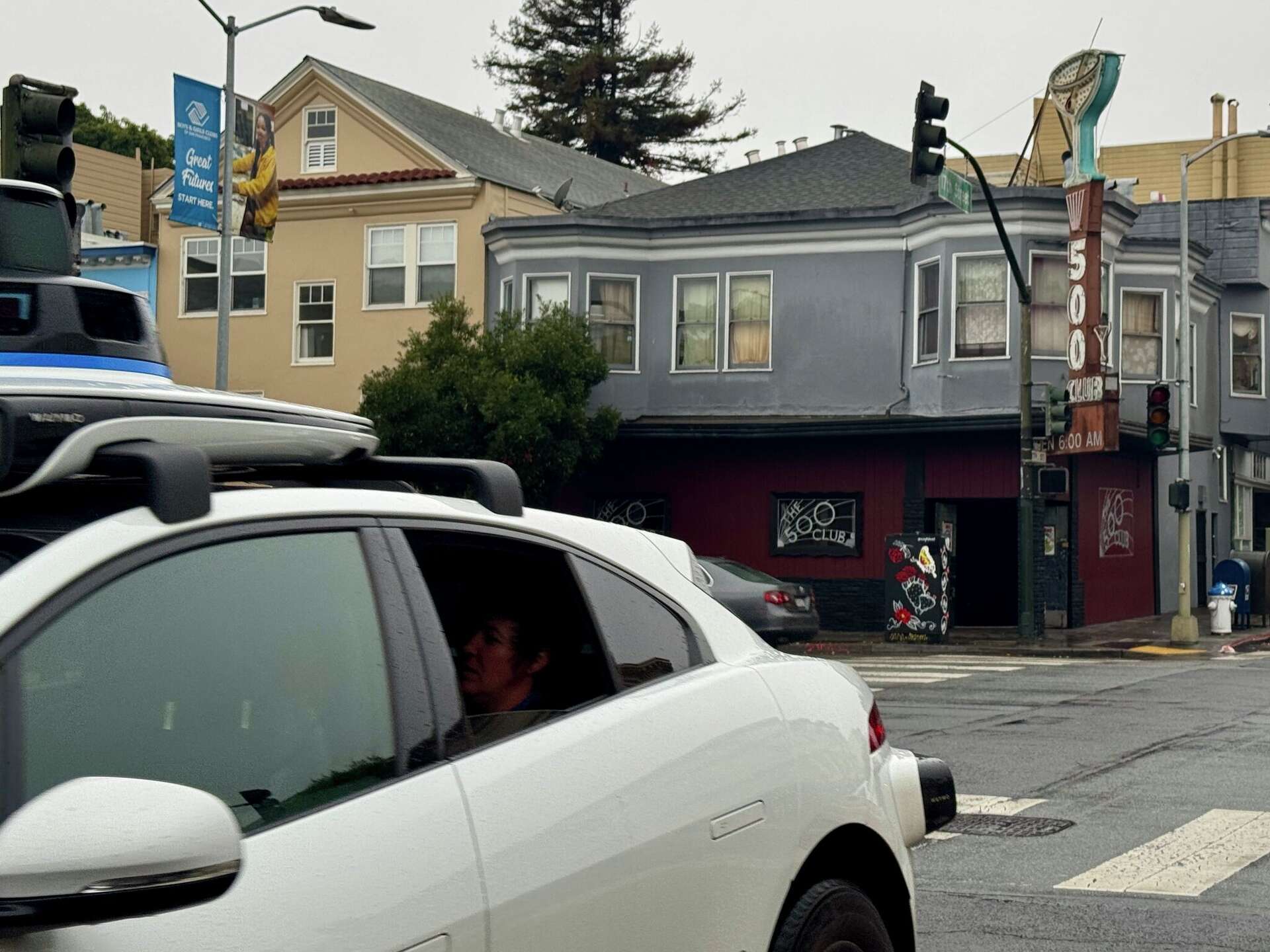
Autonomous Technology's Operational Limits: Waymo's forced service suspension highlights a critical vulnerability in self-driving technology. When standard traffic management systems fail, these vehicles cannot autonomously navigate complex urban scenarios. The San Francisco mayoral office's immediate intervention and the subsequent social media documentation of stranded vehicles exposed a significant technological gap: current autonomous systems remain highly dependent on predictable, well-managed infrastructure.
The broader implication extends far beyond this isolated incident. As cities increasingly integrate advanced technologies, they must simultaneously develop robust, redundant infrastructure capable of maintaining operational continuity during unexpected disruptions. The future of urban mobility demands not just technological innovation, but holistic system design that anticipates and mitigates potential failure points.
Questions 3
What does this incident reveal about the future of smart city technologies?
The power outage exposed the critical need for holistic system design in smart cities. Future urban technologies must not only be innovative but also adaptable, with built-in contingency mechanisms that can maintain operational continuity during unexpected infrastructure failures.
How vulnerable are autonomous vehicles during infrastructure disruptions?
The Waymo incident revealed significant operational limitations. When traffic signals failed, approximately 1,000 autonomous vehicles became immobilized, requiring manual towing. This demonstrates that current self-driving technologies are highly dependent on stable infrastructure and cannot independently navigate complex urban scenarios during unexpected disruptions.