



Urban Infrastructure Vulnerability Exposed: How Power Grid Failures Paralyze Smart City Systems
- Technological Resilience Challenged by Cascading Infrastructure Disruptions in San Francisco





Overview
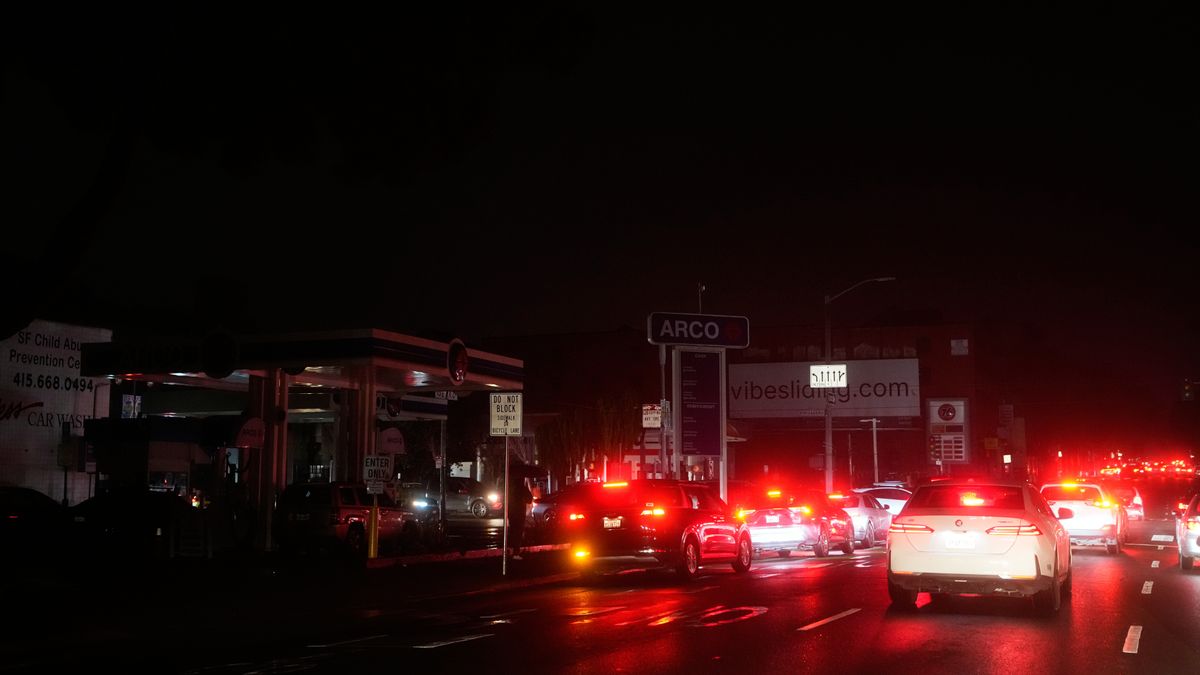
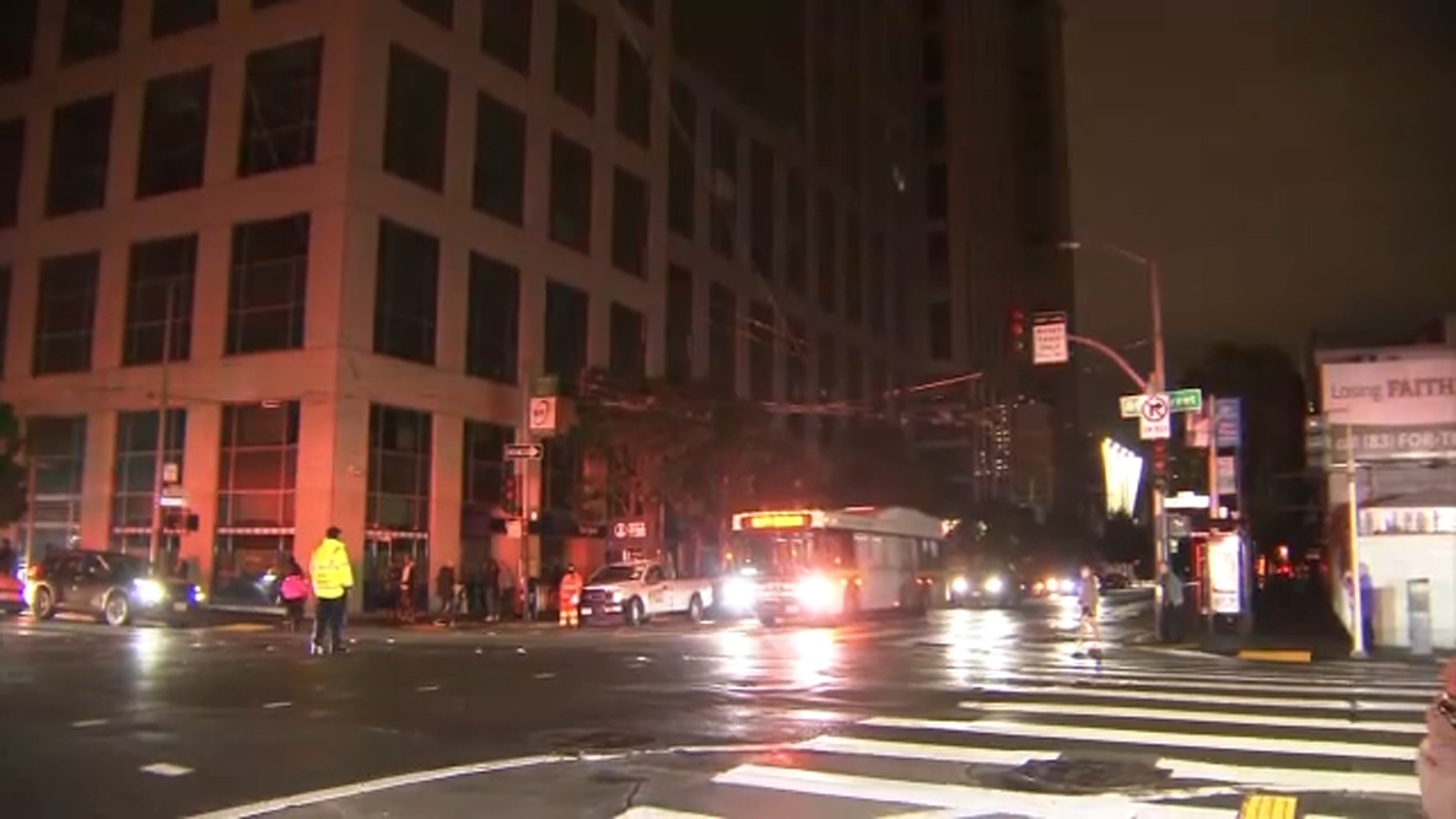
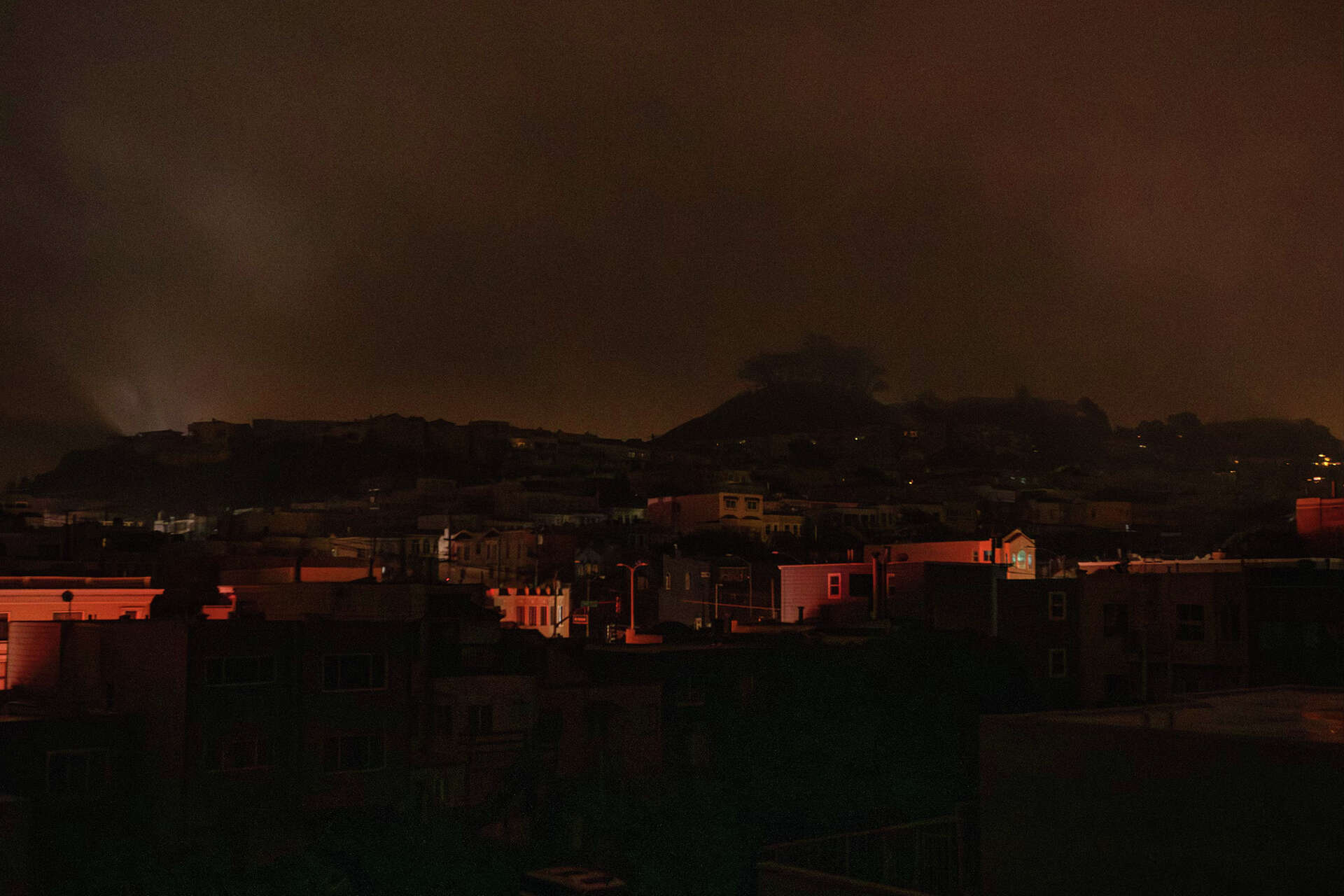
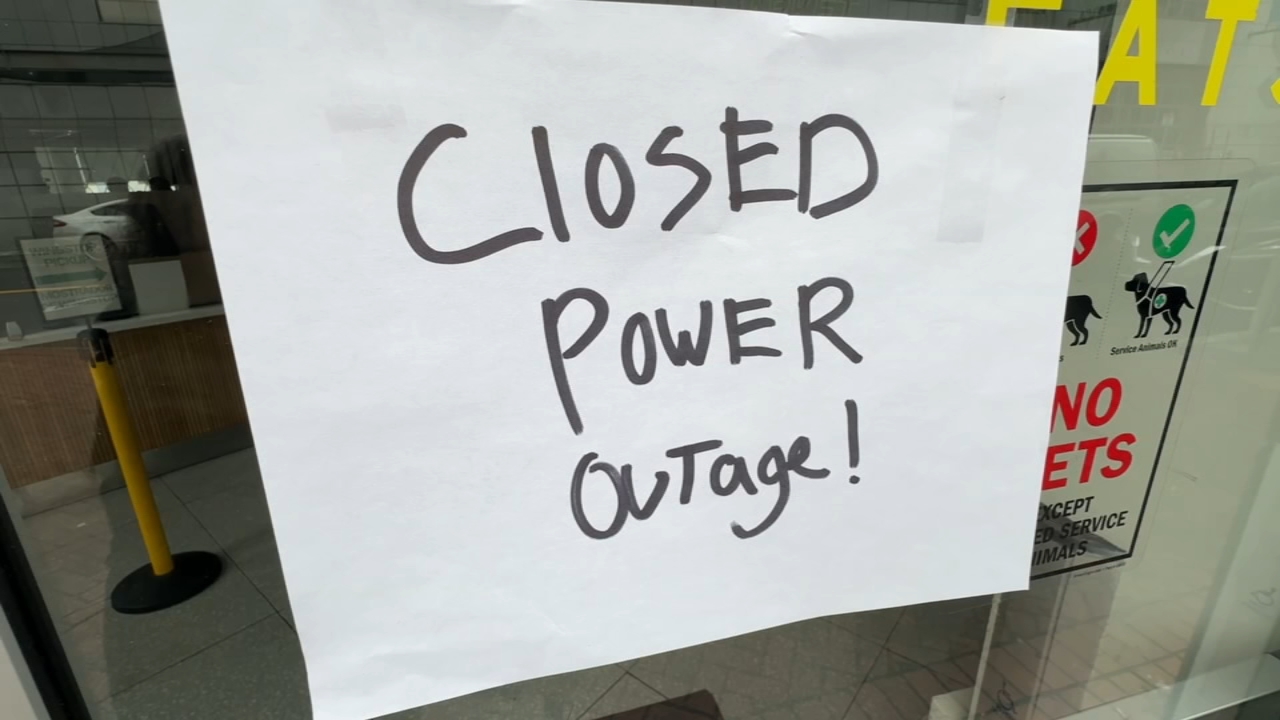
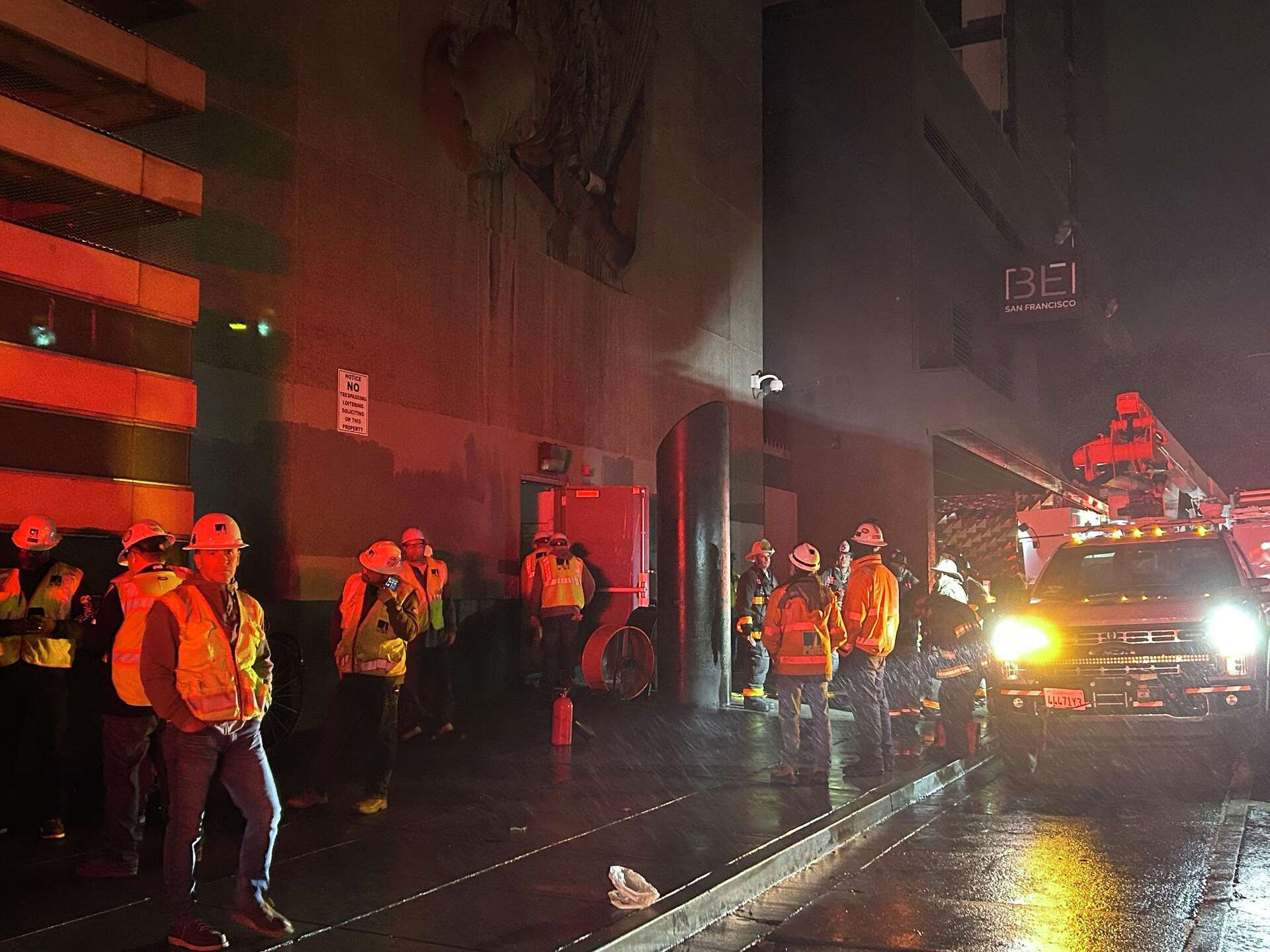
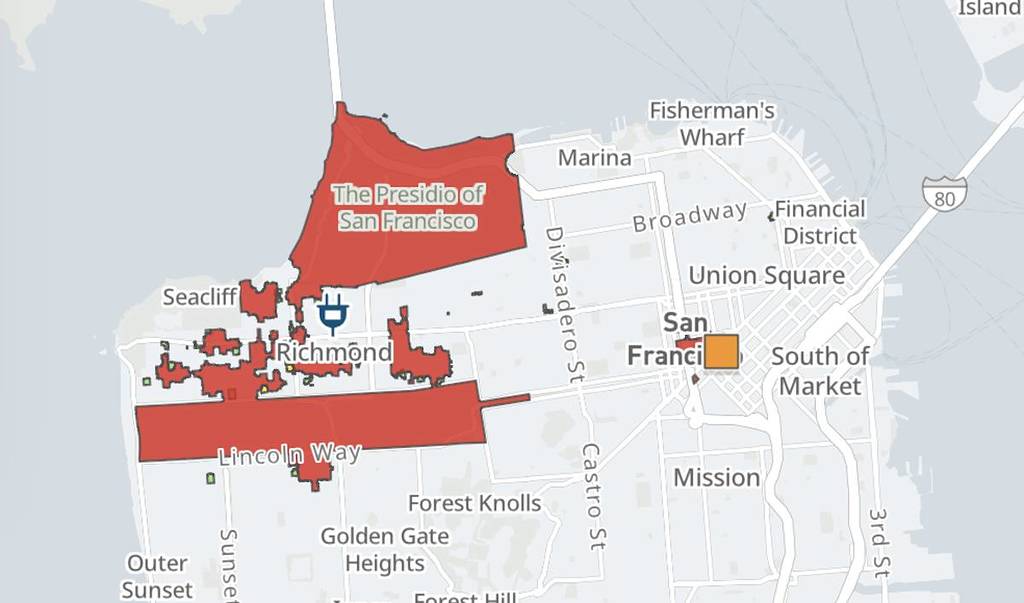
The recent power grid collapse in San Francisco reveals a critical vulnerability in modern urban technological ecosystems, demonstrating how a single electrical failure can trigger widespread systemic disruptions. On December 20, 2025, a substation fire at 8th and Mission streets triggered a cascading infrastructure breakdown that impacted approximately 130,000 customers, exposing the fragile interdependencies between power, transportation, and digital infrastructure.
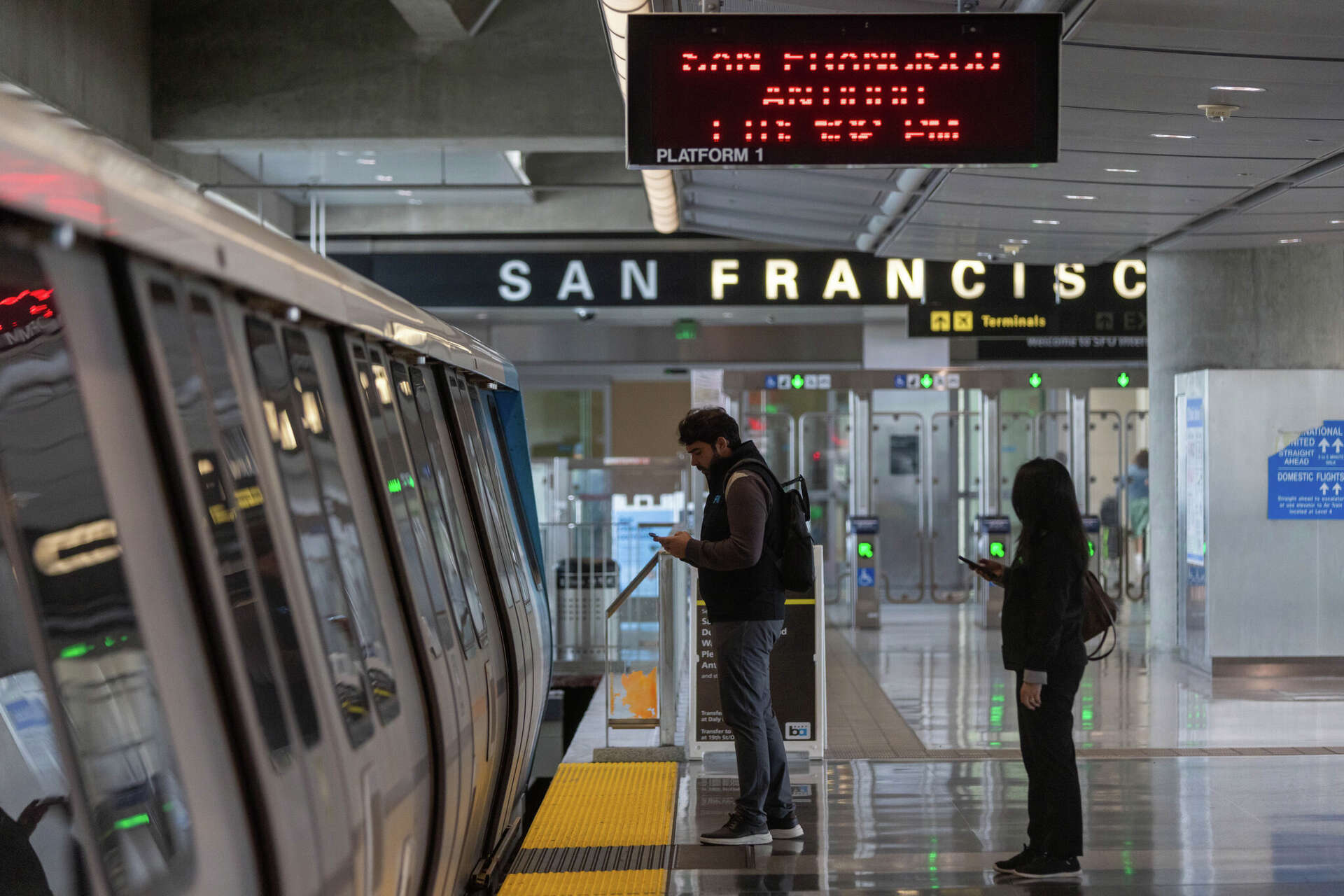
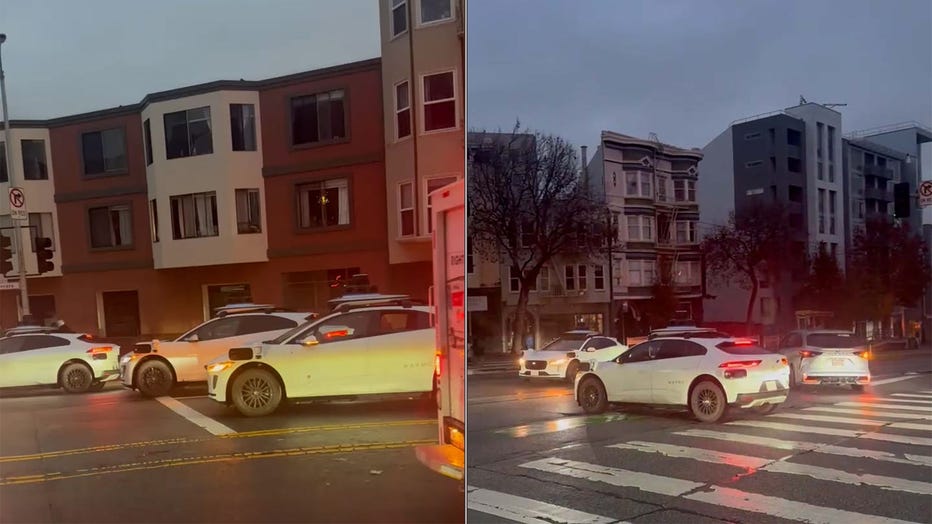
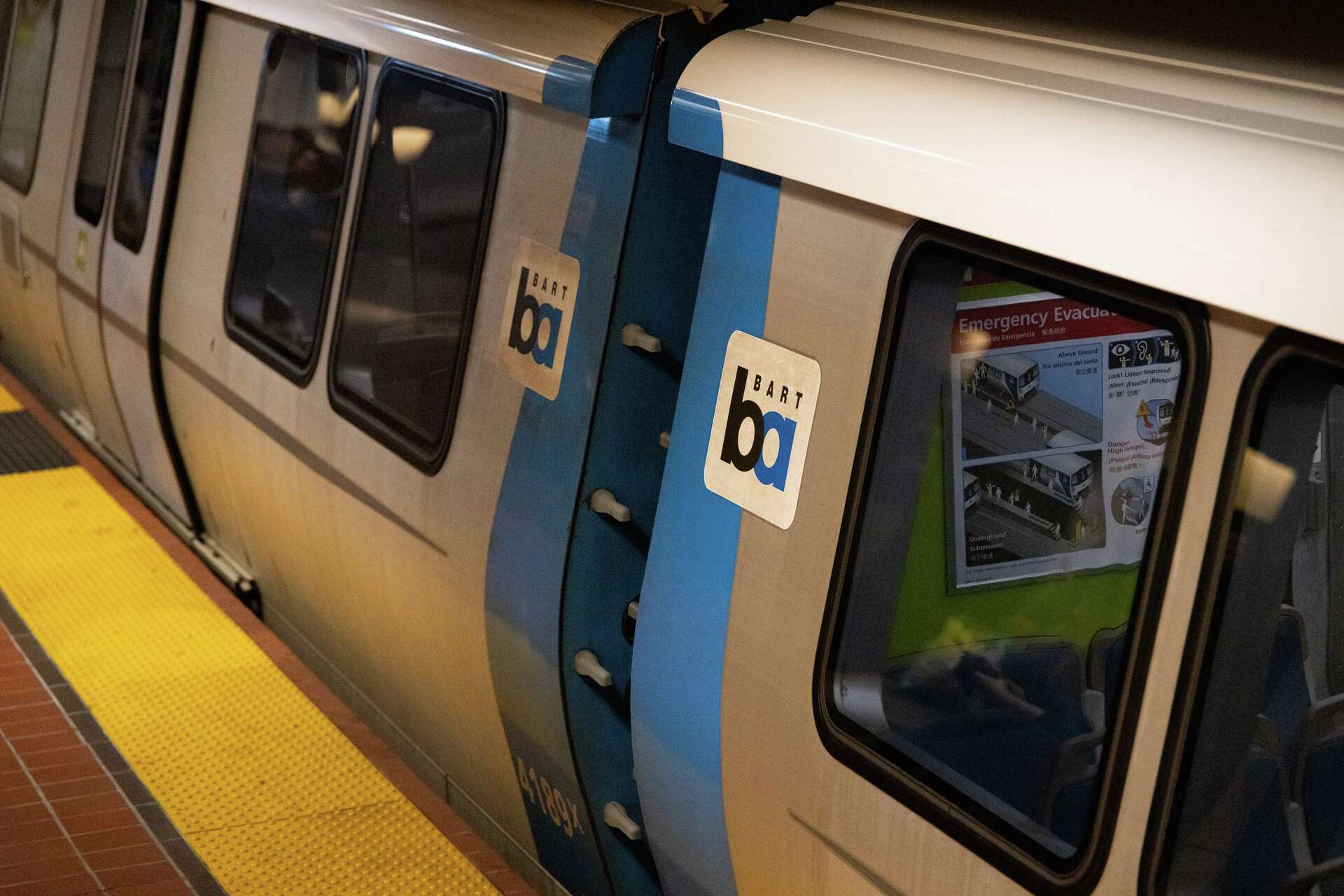
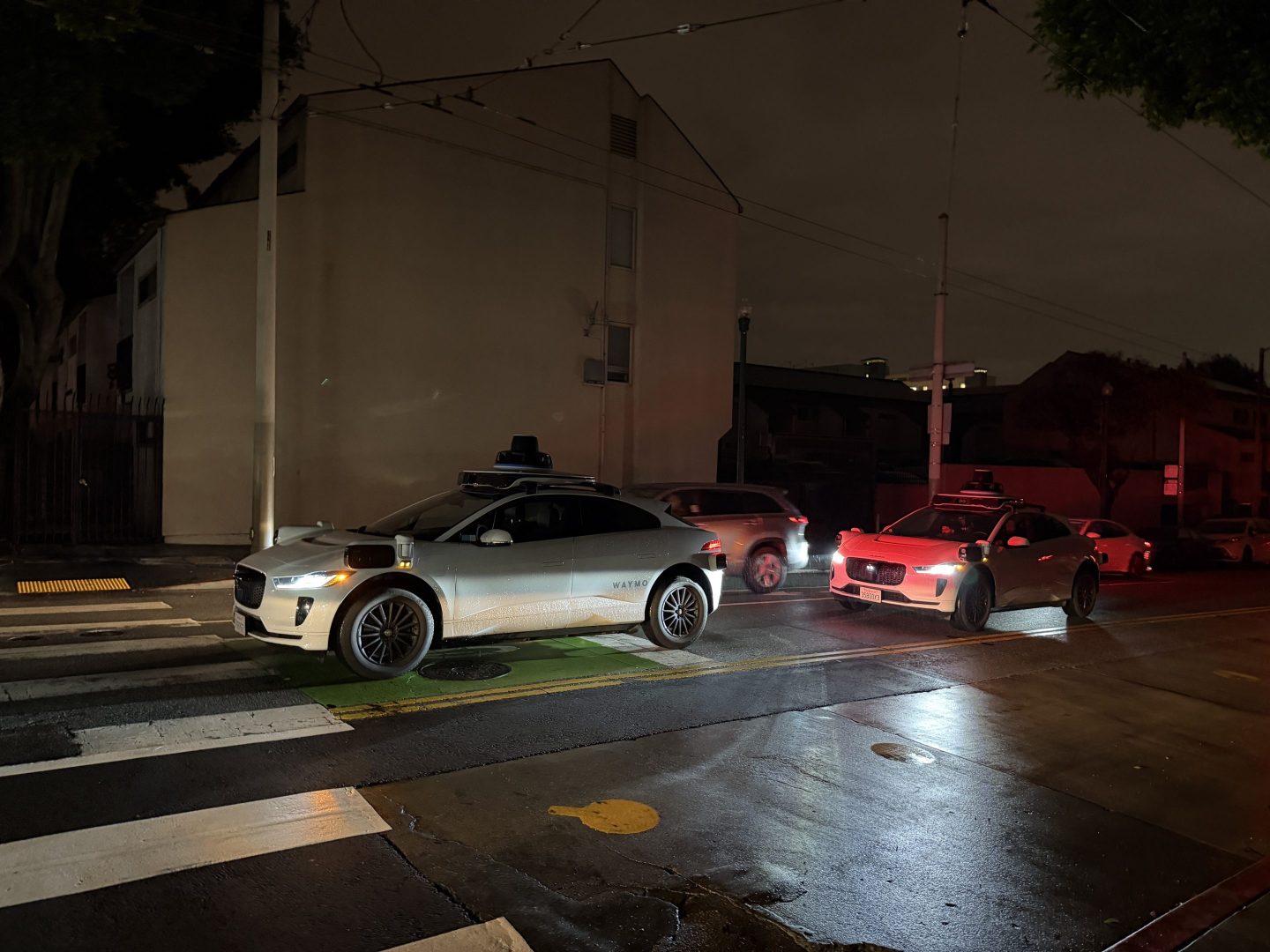
The incident highlights three profound technological vulnerabilities. First, urban transit systems like BART are extraordinarily sensitive to electrical grid instabilities, with trains halting within minutes of power disruption. The Transbay Tube service was completely paralyzed, underscoring the tight coupling between electrical and transportation networks. Second, even advanced technological systems like Waymo's self-driving cars were rendered inoperable, revealing that cutting-edge autonomous technologies remain fundamentally dependent on stable infrastructure.
Most critically, the event demonstrates the emerging challenge of infrastructure resilience in smart cities. PG&E's response—utilizing AI and machine learning to pre-position repair crews—signals a technological arms race where predictive analytics become essential for rapid recovery. The utility's ability to anticipate and mitigate disruptions through advanced computational techniques represents a nascent but crucial evolution in infrastructure management.
The broader implications are stark: modern urban systems are increasingly complex, interconnected networks where a single point of failure can trigger systemic collapse. City planners, technology companies, and utility providers must now design with radical redundancy and adaptive resilience as core architectural principles. The San Francisco blackout is not just a local incident, but a harbinger of the technological challenges facing 21st-century urban infrastructure.
Questions 3
How did the power outage impact technological systems beyond traditional infrastructure?
The blackout demonstrated profound technological vulnerabilities, particularly affecting advanced systems like Waymo's self-driving cars. These autonomous vehicles were completely paused due to navigation challenges, revealing that cutting-edge technologies remain critically dependent on stable electrical infrastructure.
What innovative approaches is PG&E using to manage infrastructure disruptions?
PG&E is leveraging AI and machine learning to pre-position repair crews in anticipation of potential disruptions. This predictive approach represents a significant evolution in infrastructure management, allowing for more proactive and rapid response to electrical grid challenges.