

Professional Sports Meltdown: When Athlete Emotions Explode Beyond the Game
- Escalating Fan Interactions Reveal Critical Boundaries in Professional Athletics

















Overview
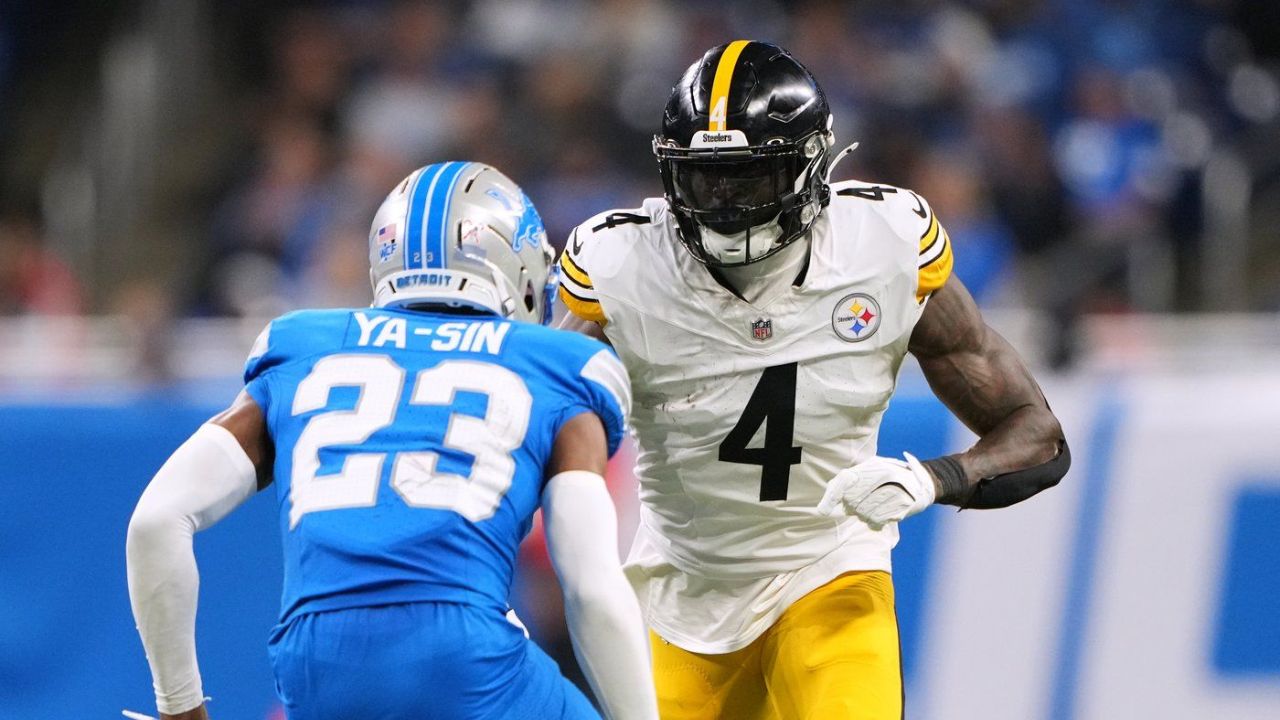
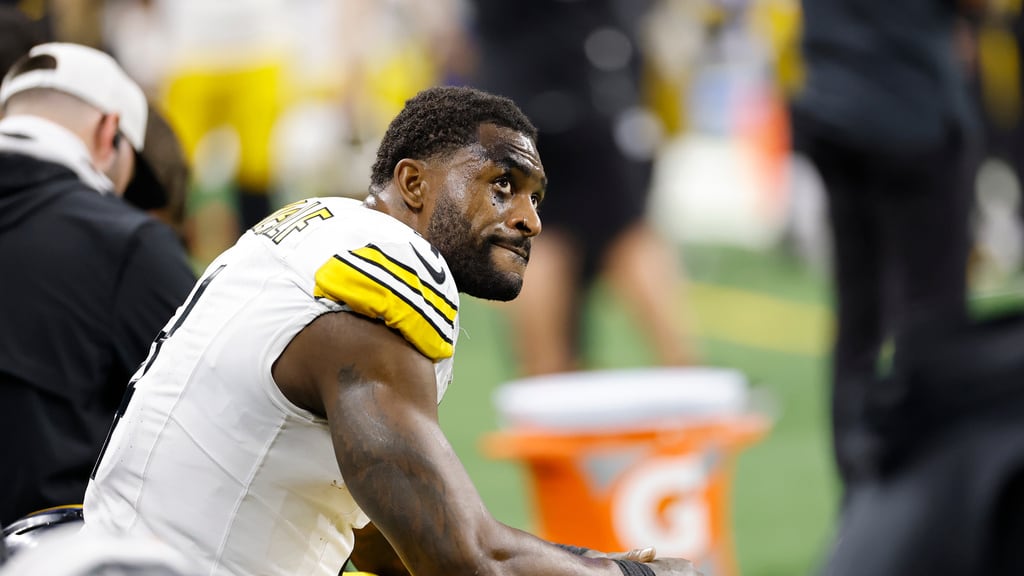
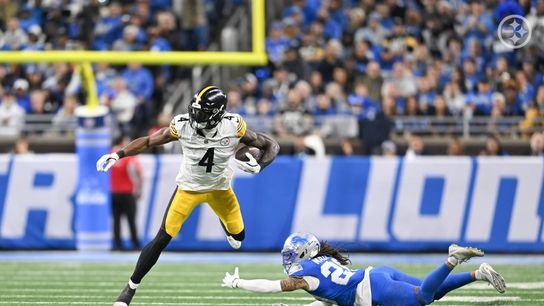
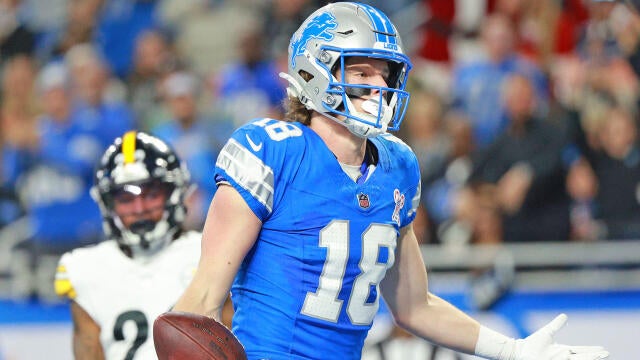
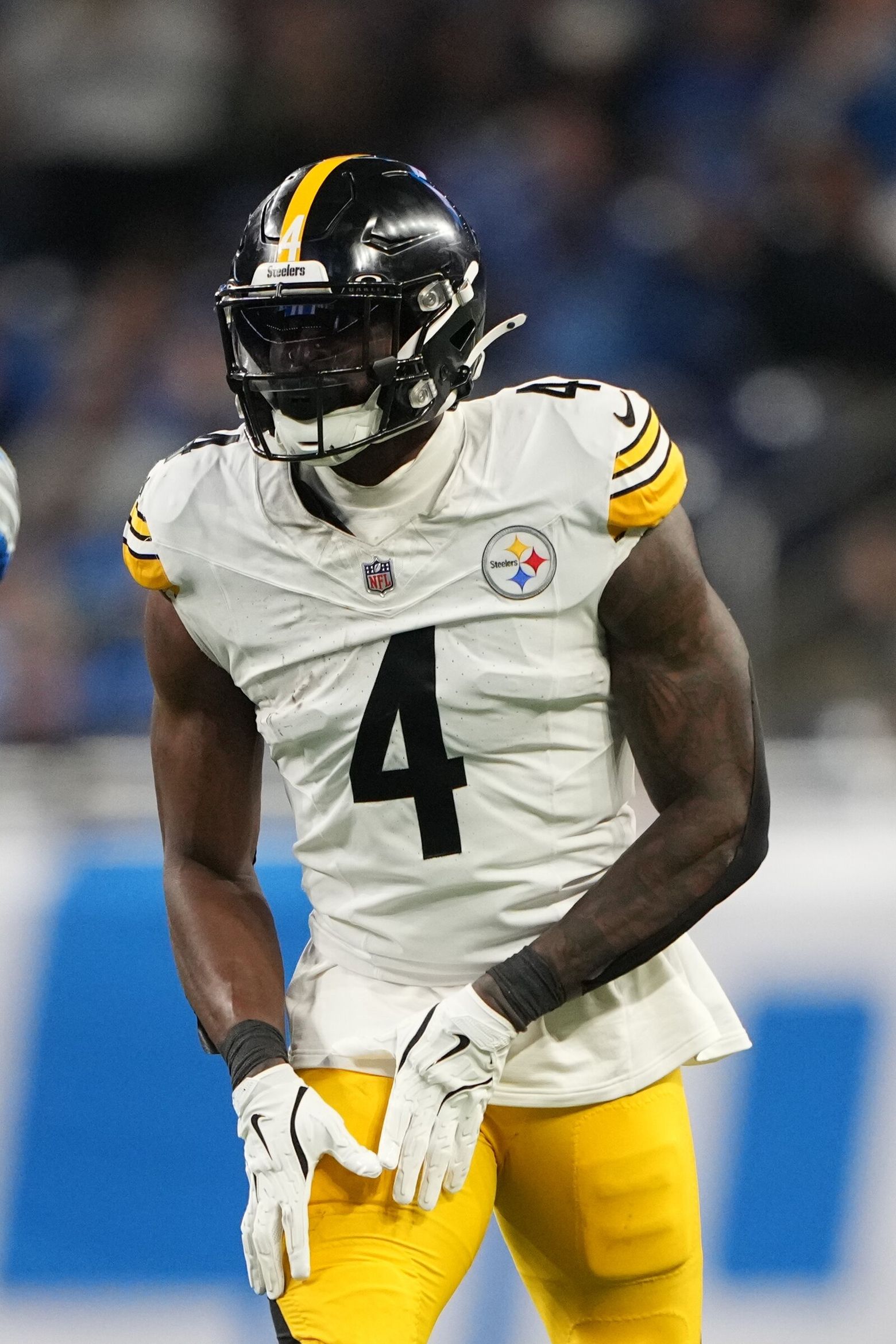
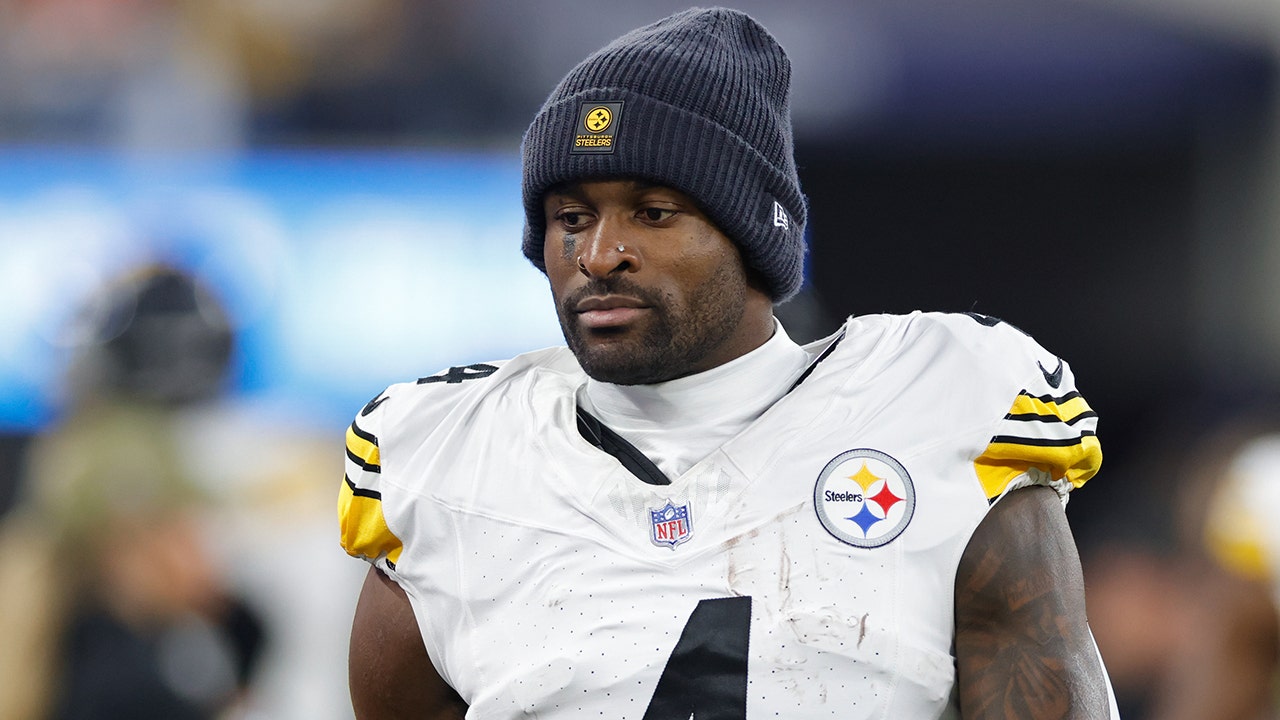
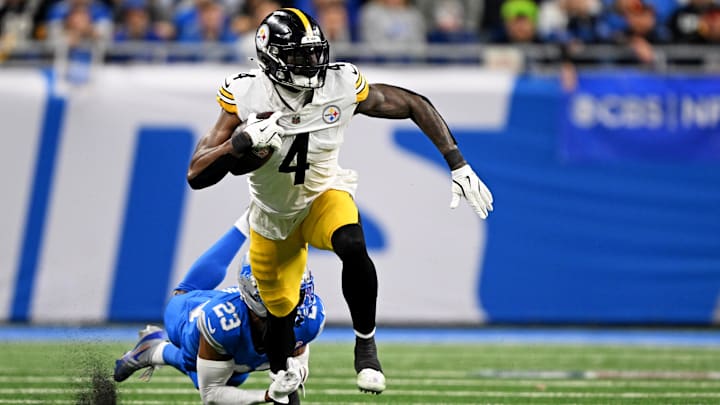
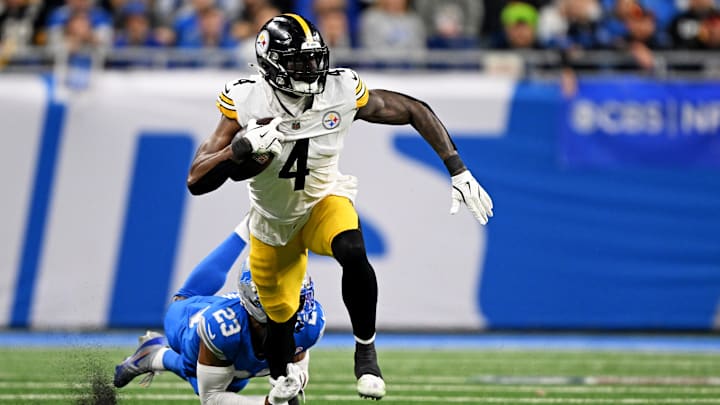
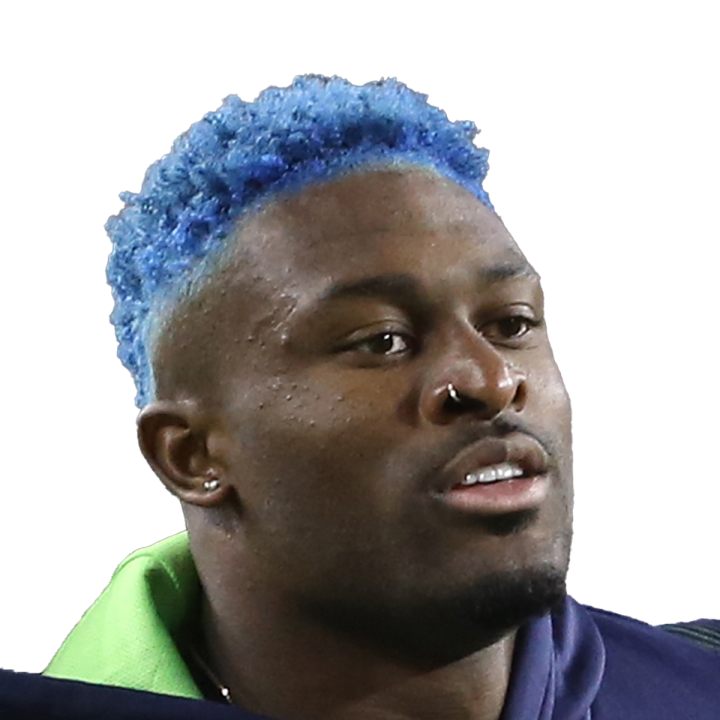
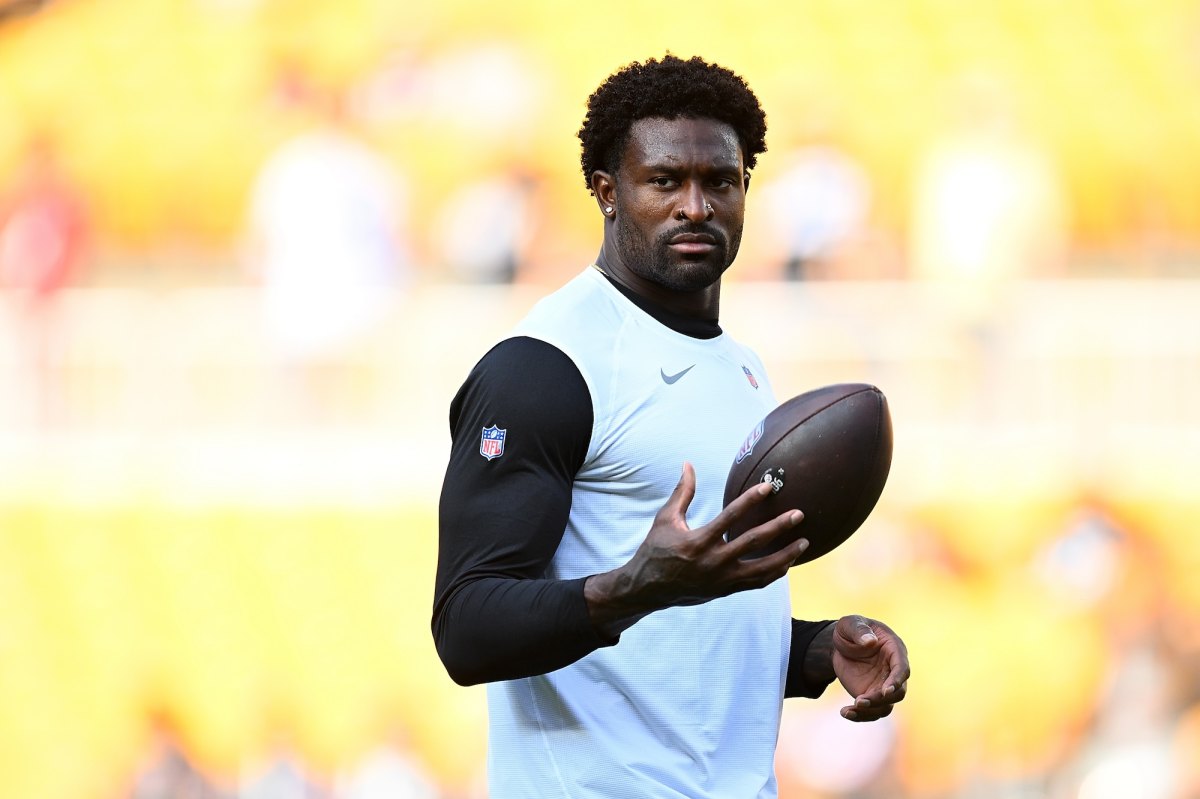
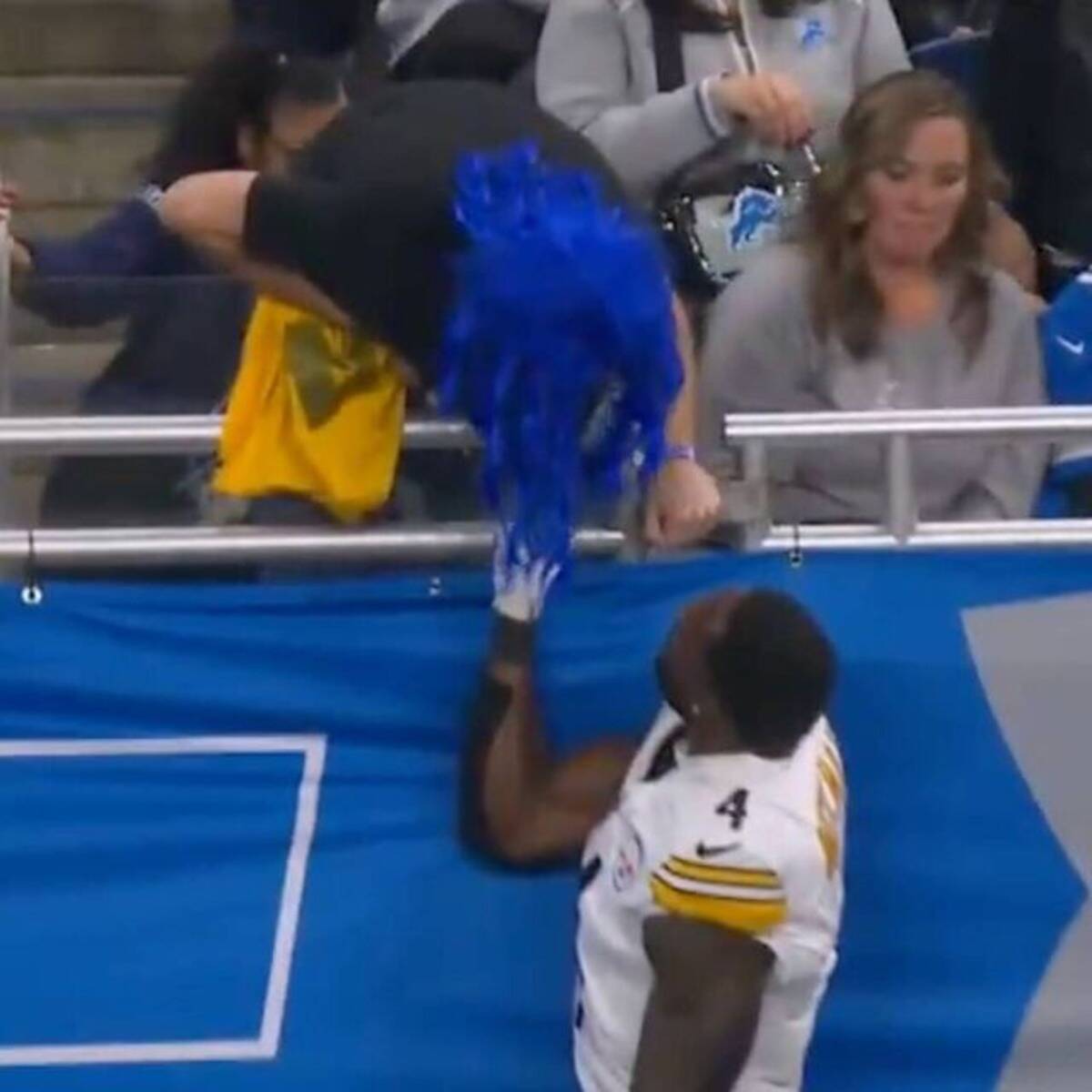
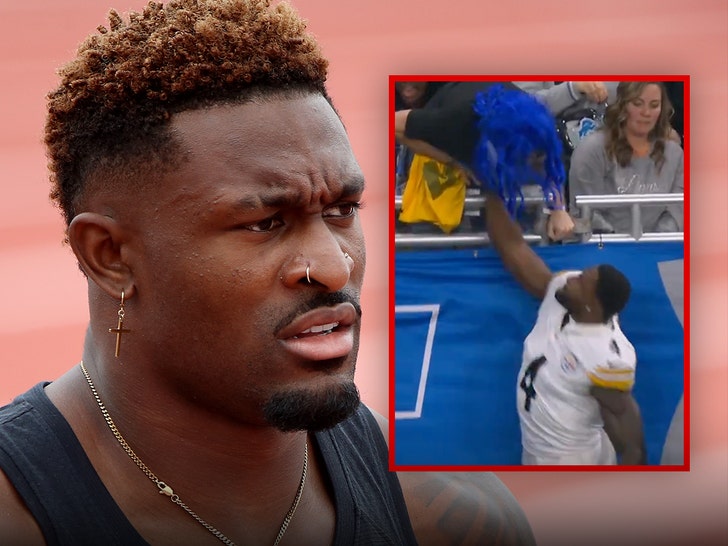
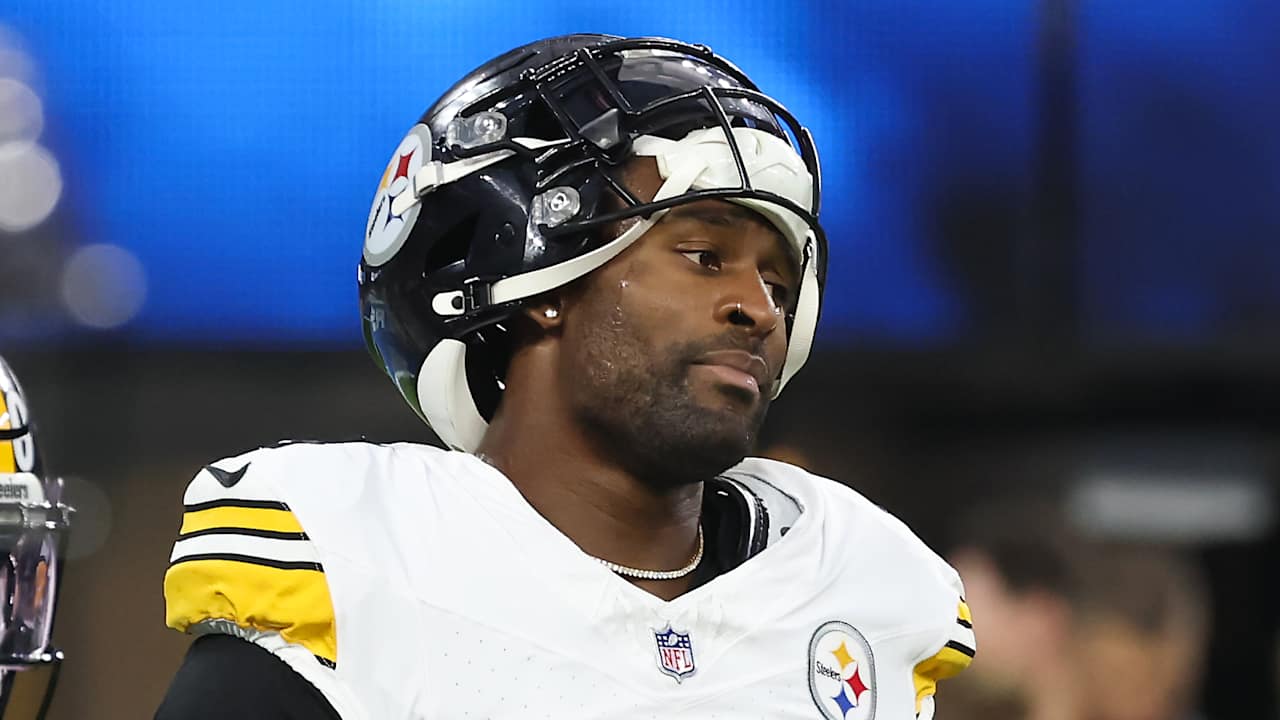
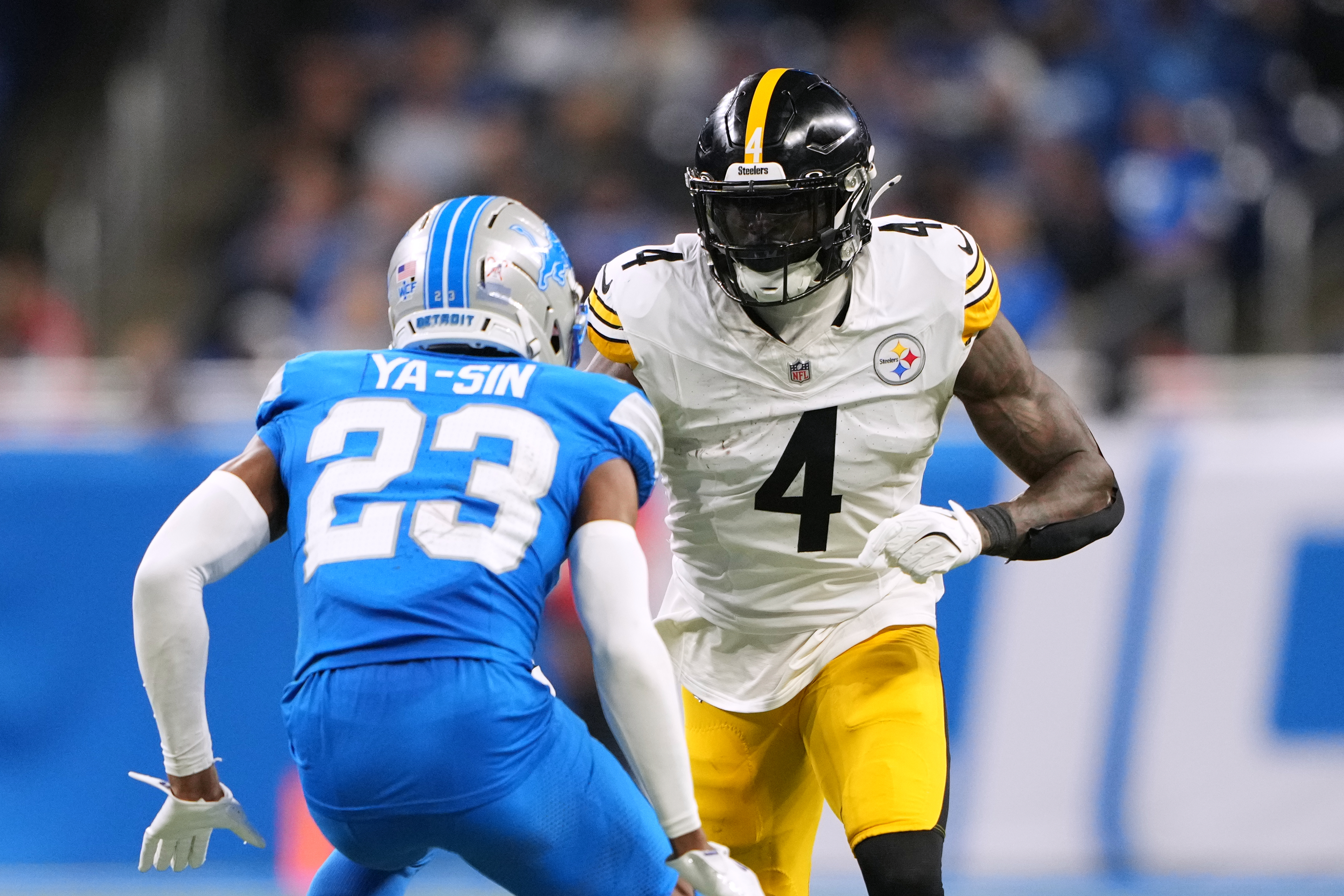
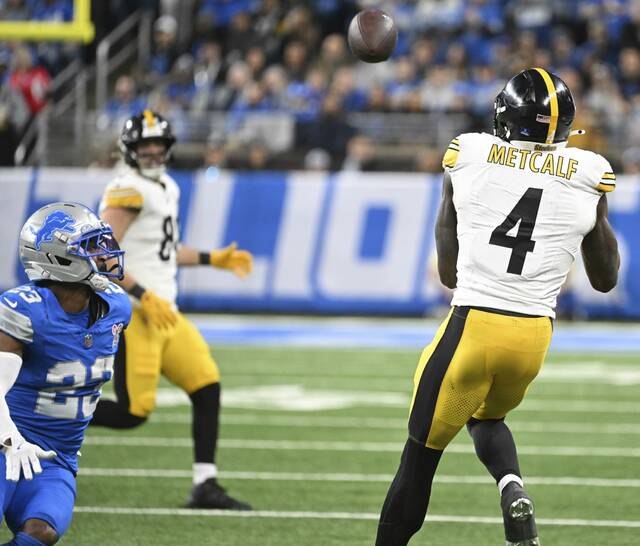
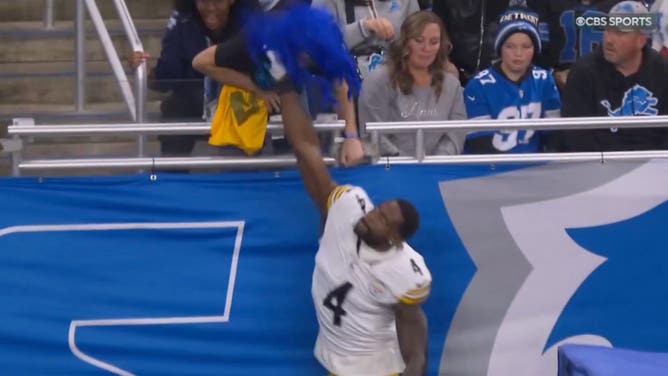
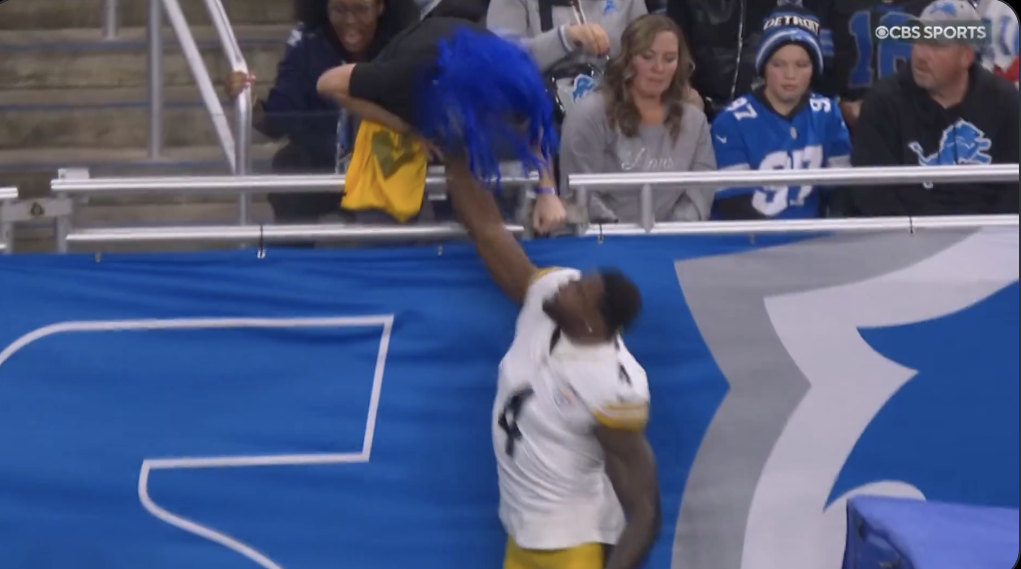
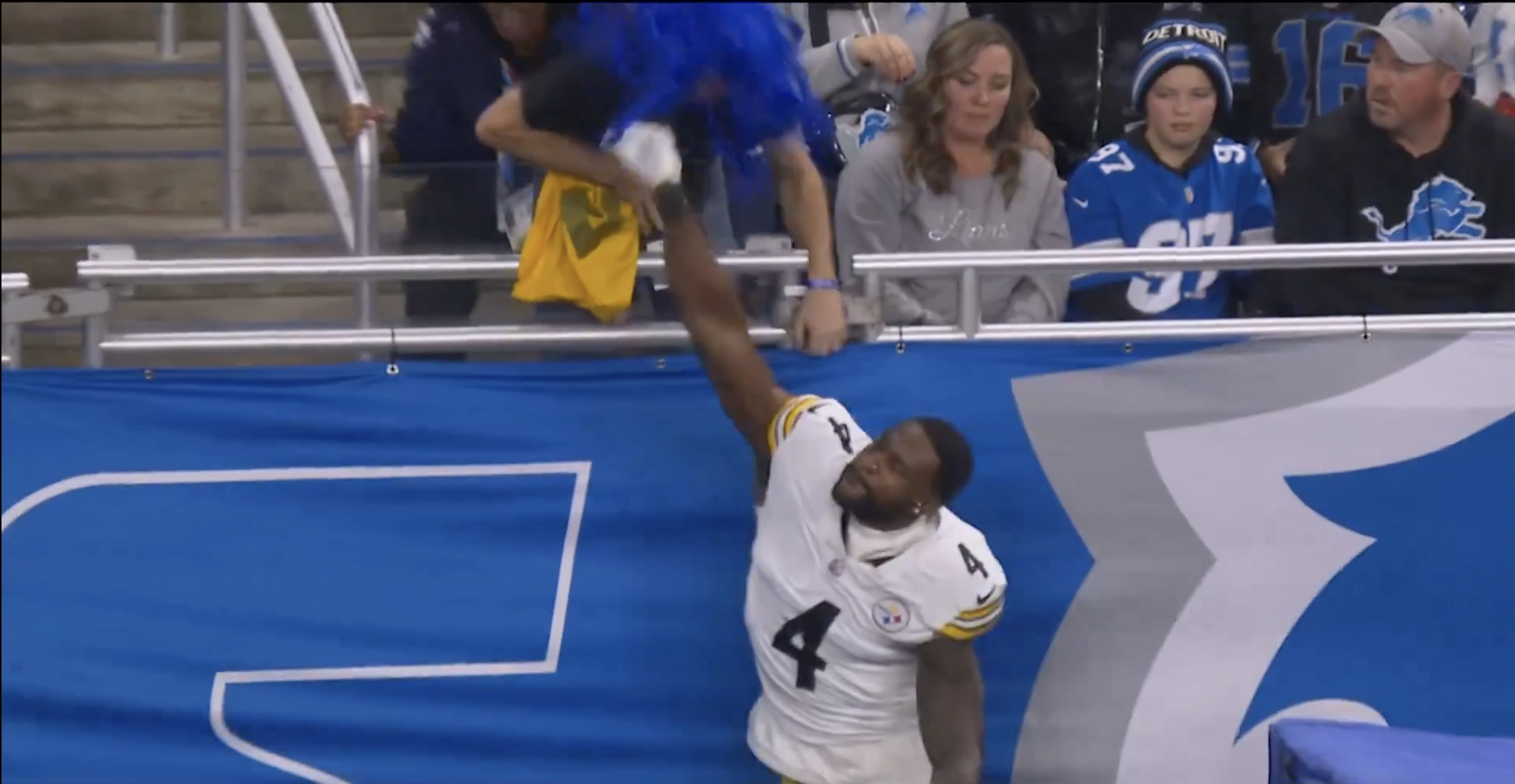
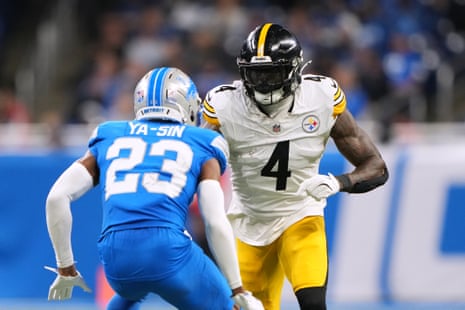
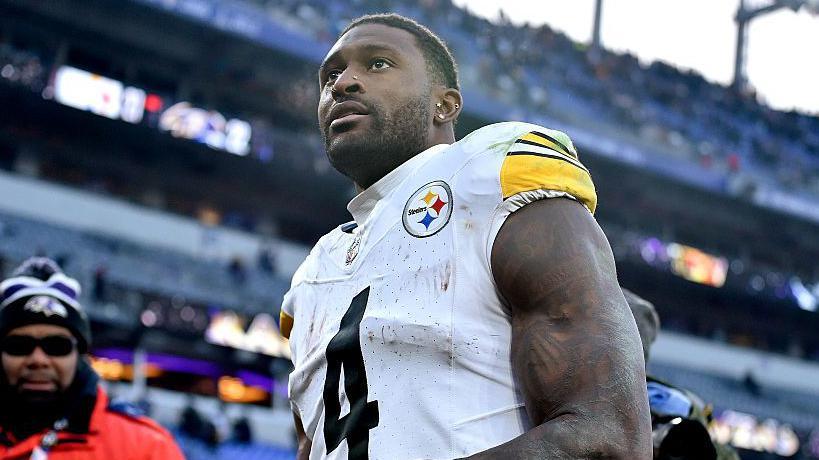
The recent incident involving DK Metcalf during a Detroit Lions game represents a critical moment of professional athlete behavior that transcends typical sports narratives. What began as a routine NFL game rapidly transformed into a high-stakes confrontation when Metcalf allegedly swung at a fan, Ryan Kennedy, after being provoked by the use of his full name.
Emotional Volatility in High-Pressure Environments emerges as the core narrative. The CBS broadcast captured a moment where professional composure dramatically fractured—Metcalf reportedly attempted to grab a fan's blue wig and subsequently threw a closed-fist punch, narrowly missing his target. This isn't merely a sports incident; it's a profound illustration of how intense competitive environments can trigger unpredictable human responses.
The systemic response reveals fascinating institutional dynamics. The NFL's compliance mechanism demonstrated remarkable restraint—no immediate ejection occurred, with rules official Gene Steratore indicating the matter would be "delivered to compliance." This suggests a nuanced approach to managing athlete-fan interactions, balancing immediate game integrity with potential future disciplinary actions.
Key contextual elements amplify the incident's significance. The confrontation happened during the Steelers' critical playoff hunt, underlining how emotional pressure can compromise professional judgment. The public nature of the interaction—broadcast live, extensively documented—transforms a momentary lapse into a potential career-defining event for Metcalf.
From an institutional perspective, this incident exposes the delicate balance between athlete passion and professional conduct. The fan interaction protocol in professional sports appears increasingly complex, with athletes navigating increasingly thin lines between competitive intensity and acceptable behavior. Kennedy's provocative action of using Metcalf's full name suggests a deliberate attempt to elicit an emotional response, further complicating the interpersonal dynamics.
Ultimately, this event serves as a critical case study in professional athlete management—highlighting the need for robust emotional regulation training, clear interaction guidelines, and sophisticated institutional response mechanisms.
Questions 4
How did the NFL initially respond to the incident?
The NFL did not immediately intervene or eject Metcalf, with rules official Gene Steratore indicating the matter would be 'delivered to compliance'. This suggests a measured approach focusing on post-game review rather than immediate on-field punishment.
What triggered DK Metcalf's confrontation with the fan?
According to reports, fan Ryan Kennedy used Metcalf's full government name, DeKaylin Zecharius Metcalf, which apparently provoked Metcalf. The incident escalated when Kennedy was holding a Steelers jersey and said something that Metcalf found offensive.