

Terror at Bondi Beach: The Unraveling of Extremist Networks and Social Fractures in Australia
- A critical examination of terrorism, public trust, and national security vulnerabilities













Overview
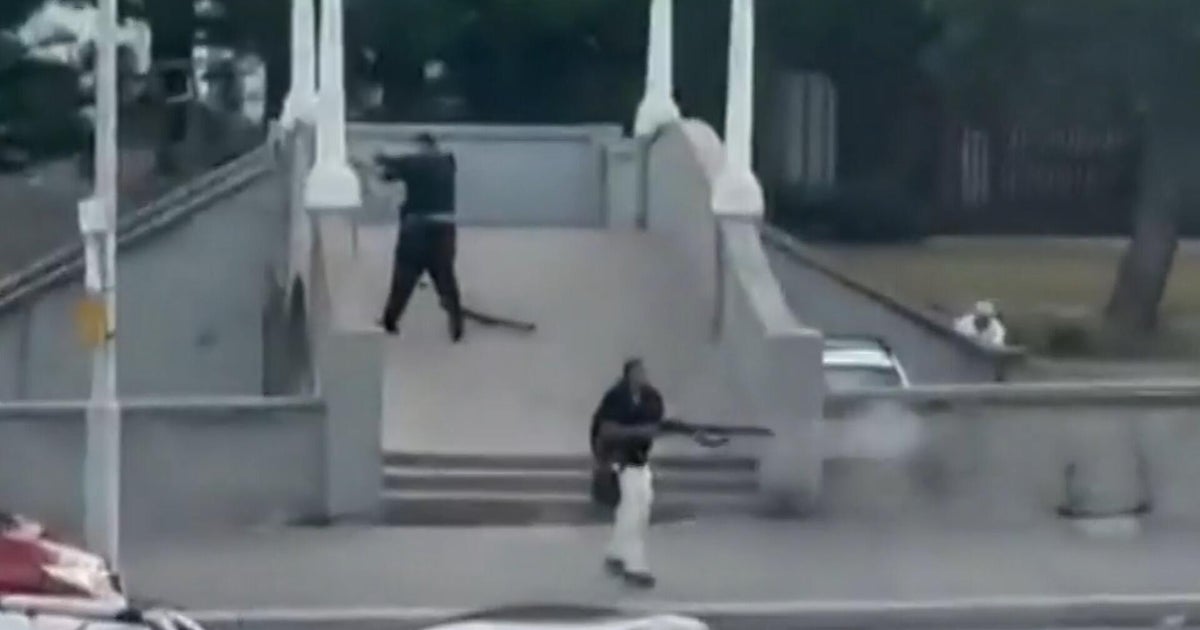
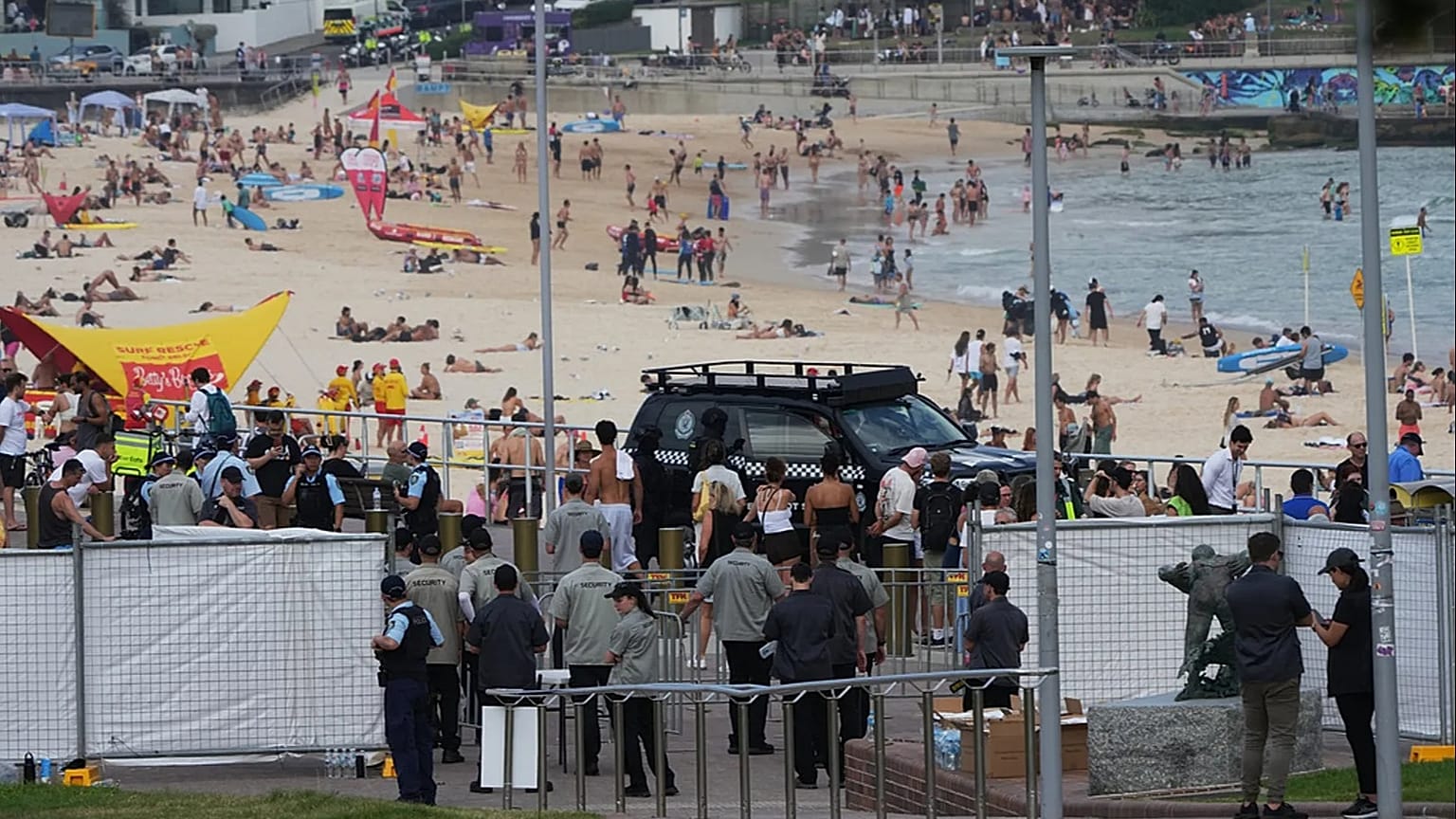
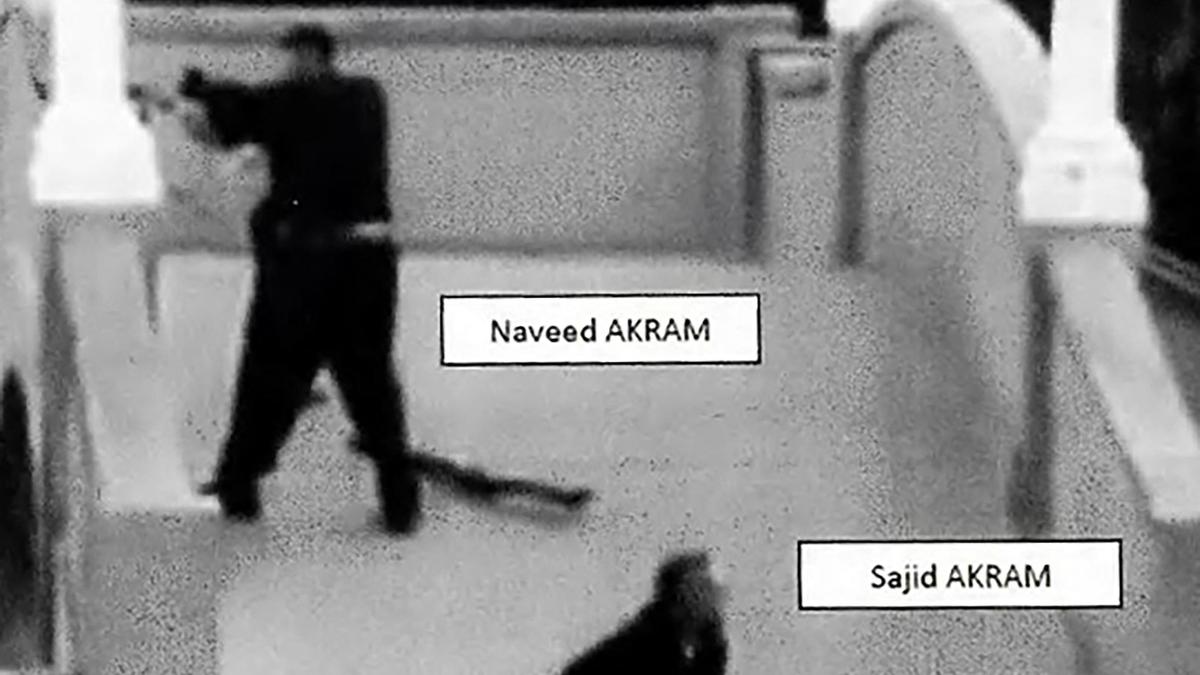
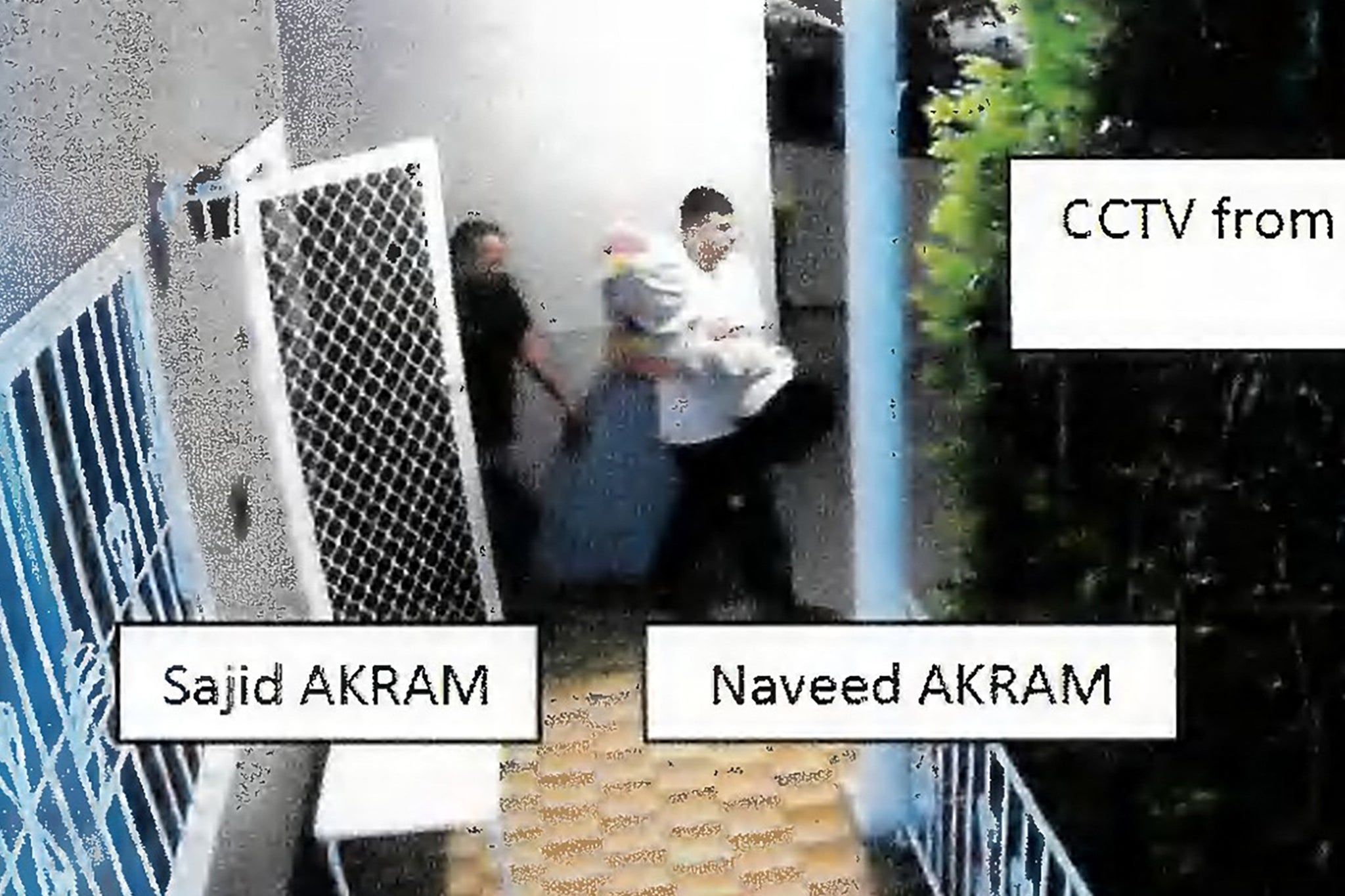
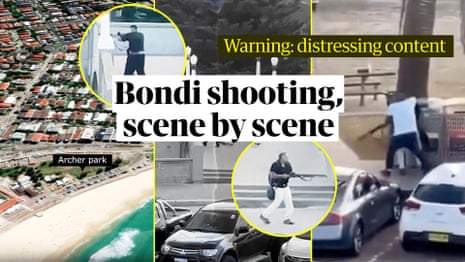
The Bondi Beach massacre represents a critical inflection point in Australia's national security landscape, exposing deep-seated vulnerabilities in counterterrorism strategies and societal cohesion. The meticulously planned attack by Naveed and Sajid Akram reveals a sophisticated terror operation that went far beyond a spontaneous act of violence, highlighting systemic challenges in detecting and preventing extremist threats.
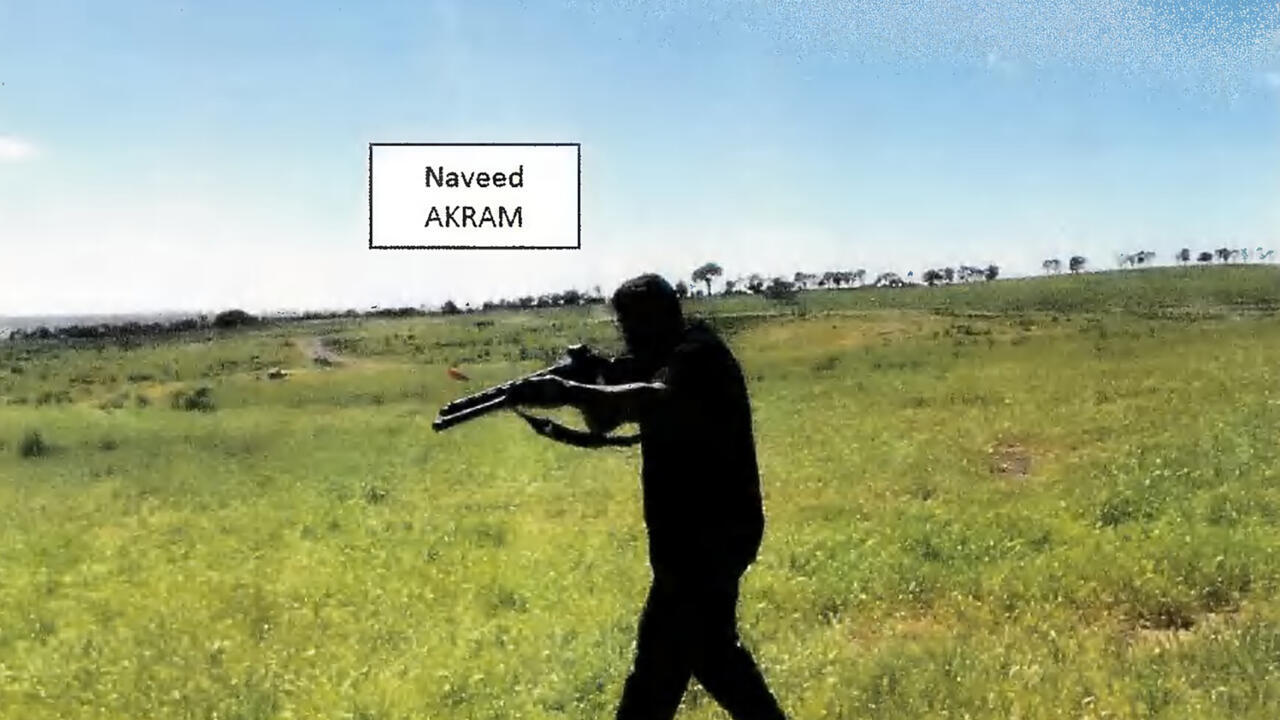
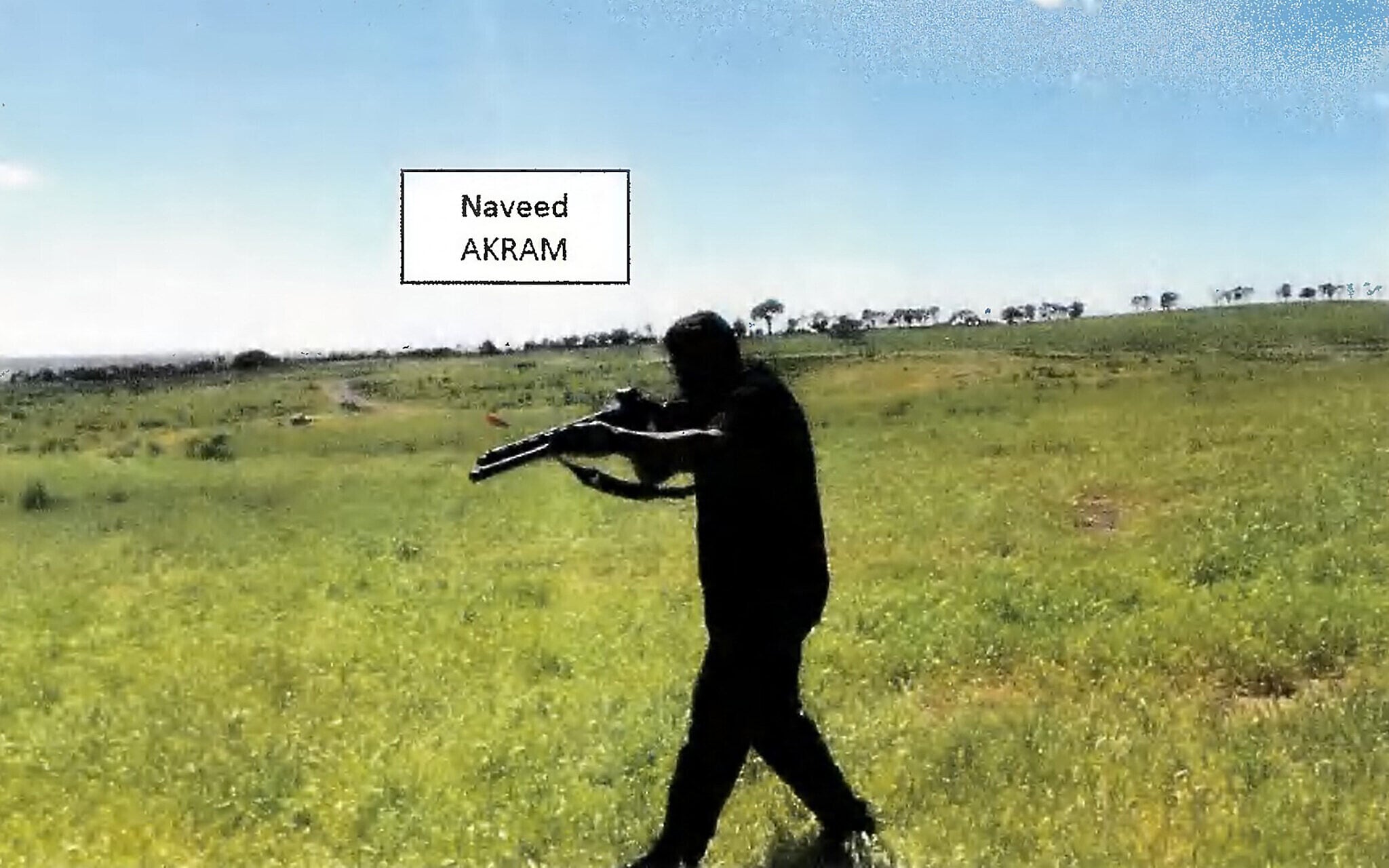
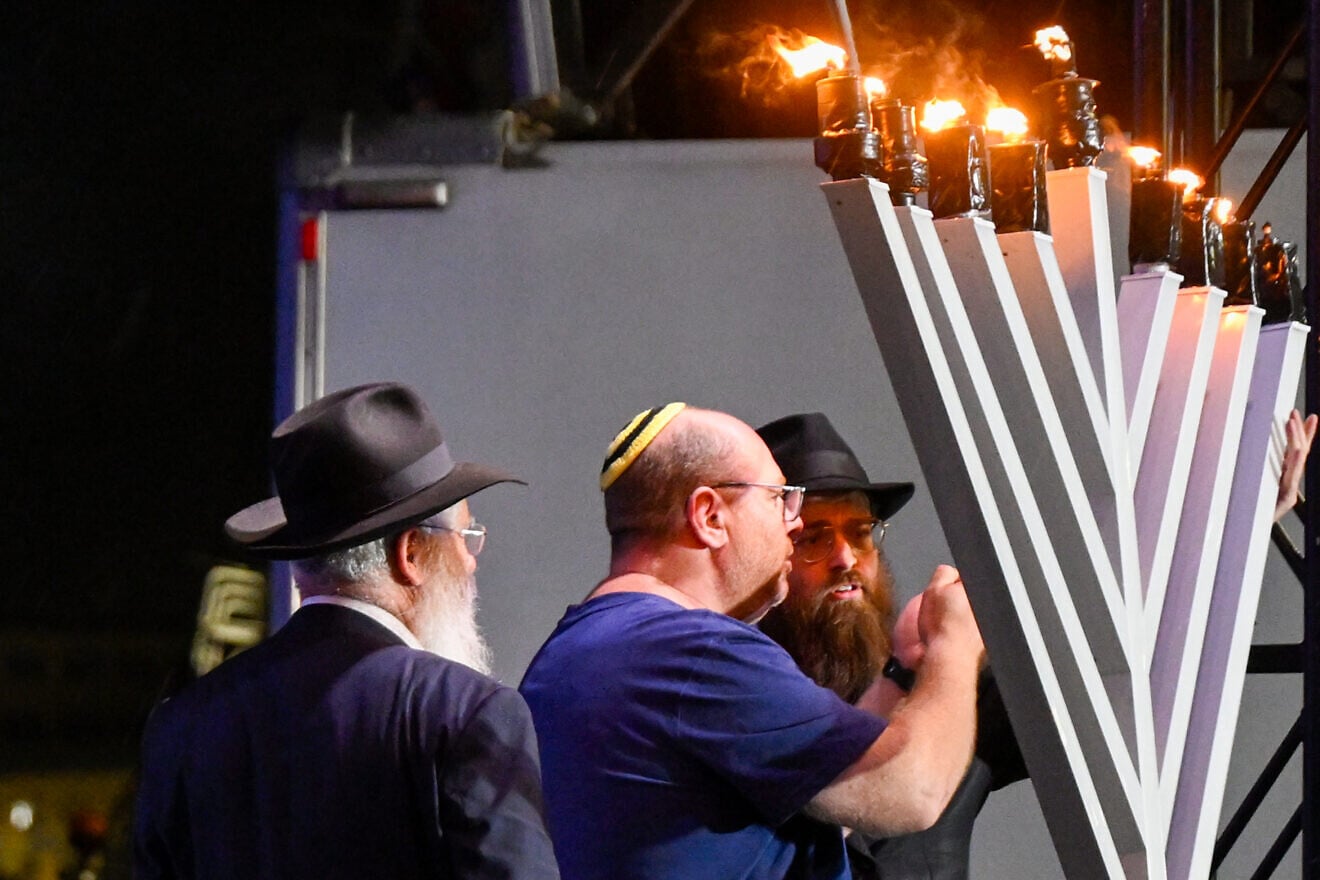
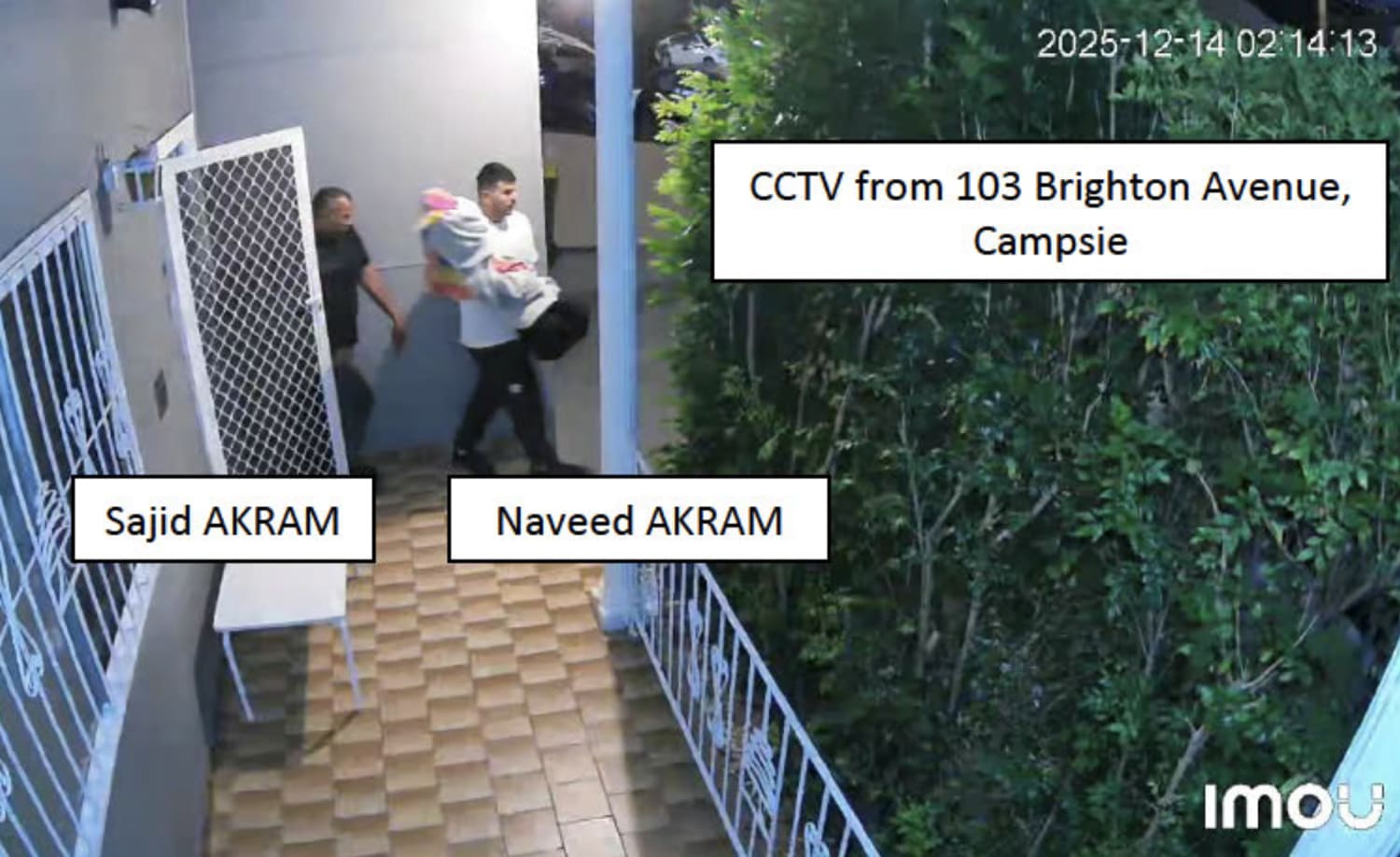
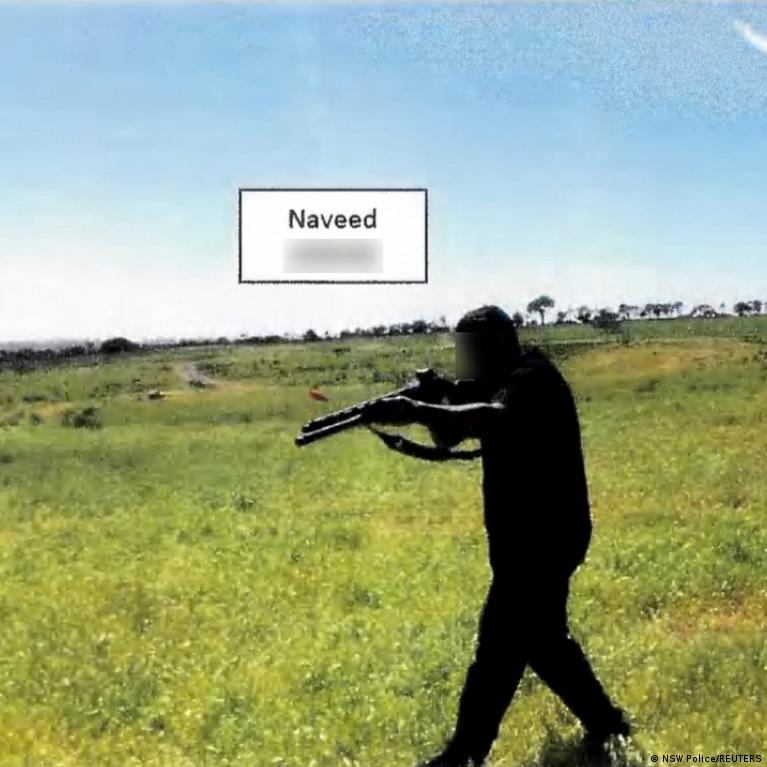
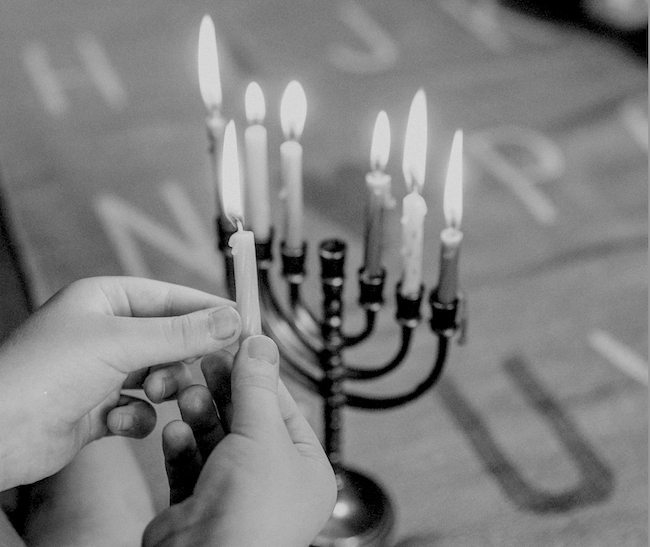
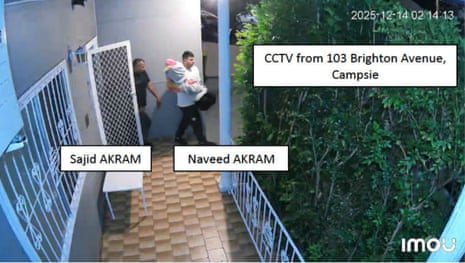
The attackers' preparation was chillingly methodical. Over several months, they conducted extensive reconnaissance, filmed a manifesto with Islamic State flags in the background, and even traveled internationally to the Philippines, suggesting a complex network of radicalization. Their attack on a Jewish cultural event during Chanukah underscores the targeted nature of their extremist ideology, resulting in 15 fatalities and exposing critical gaps in community protection mechanisms.
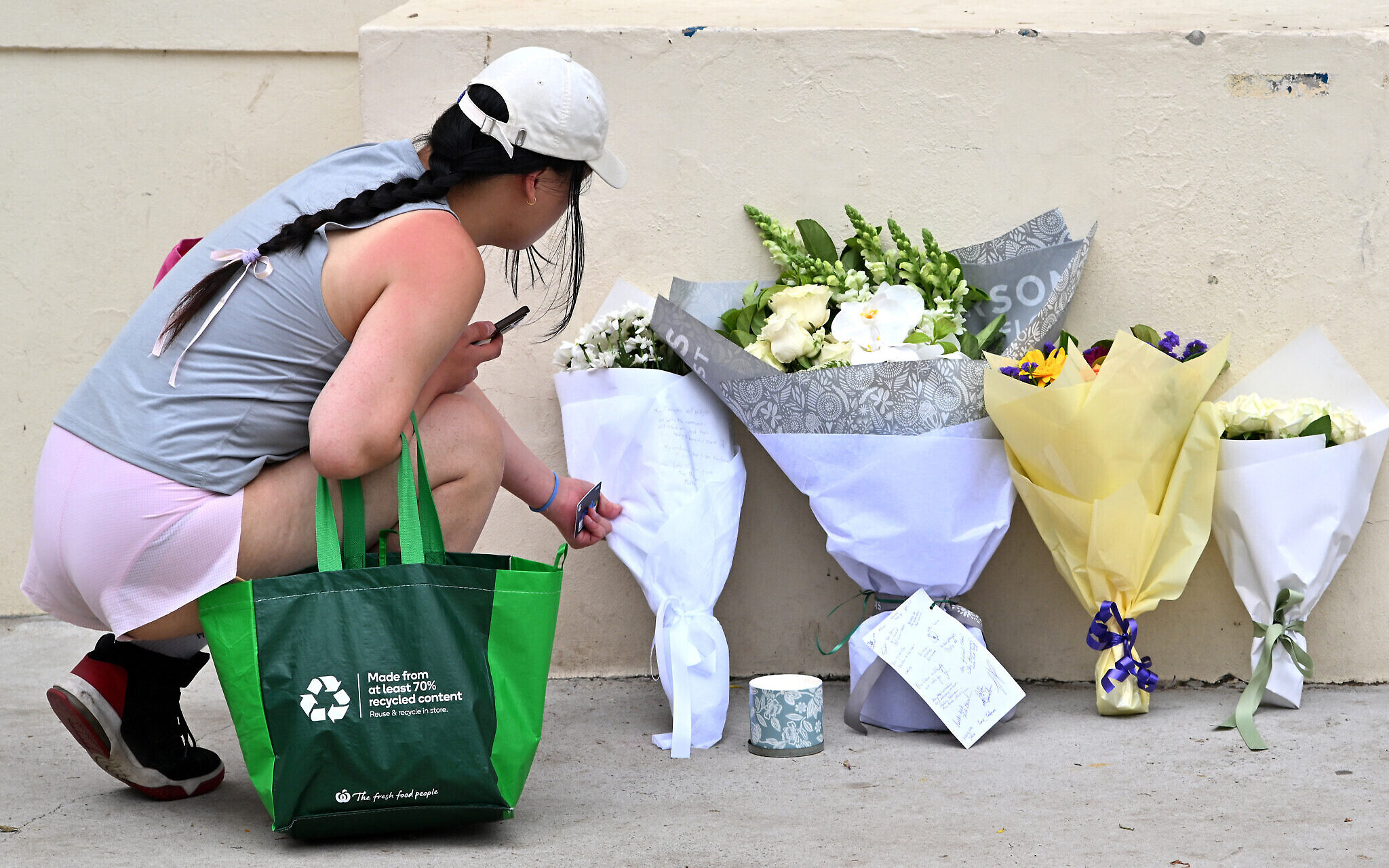
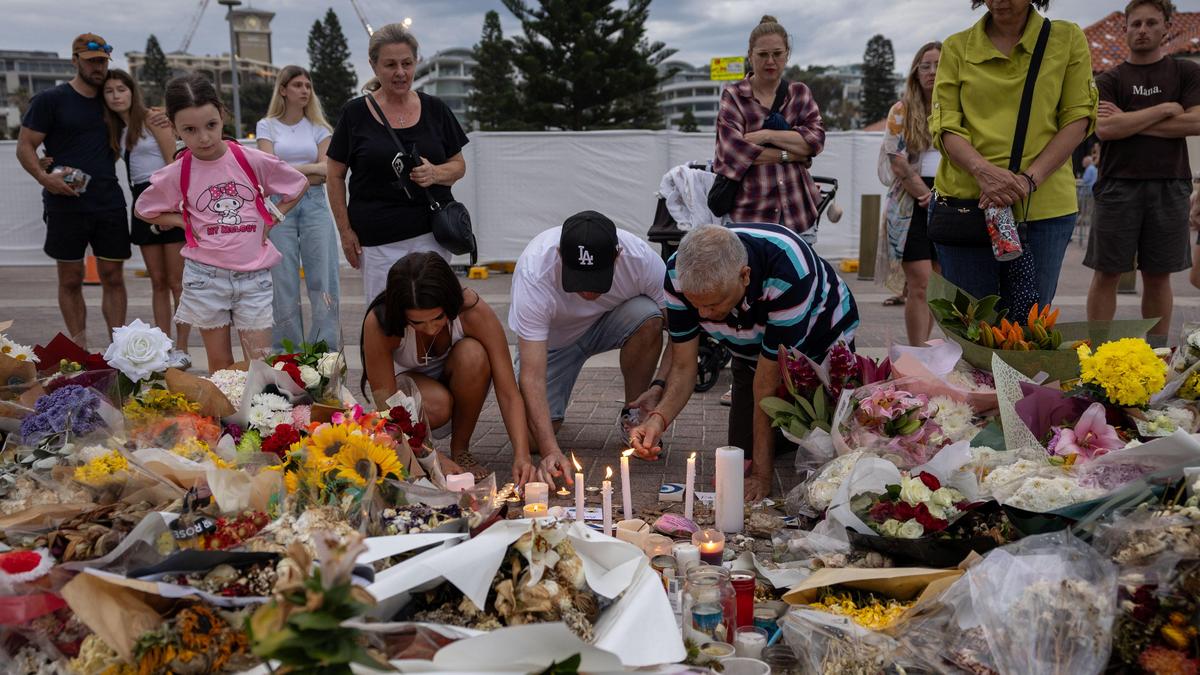
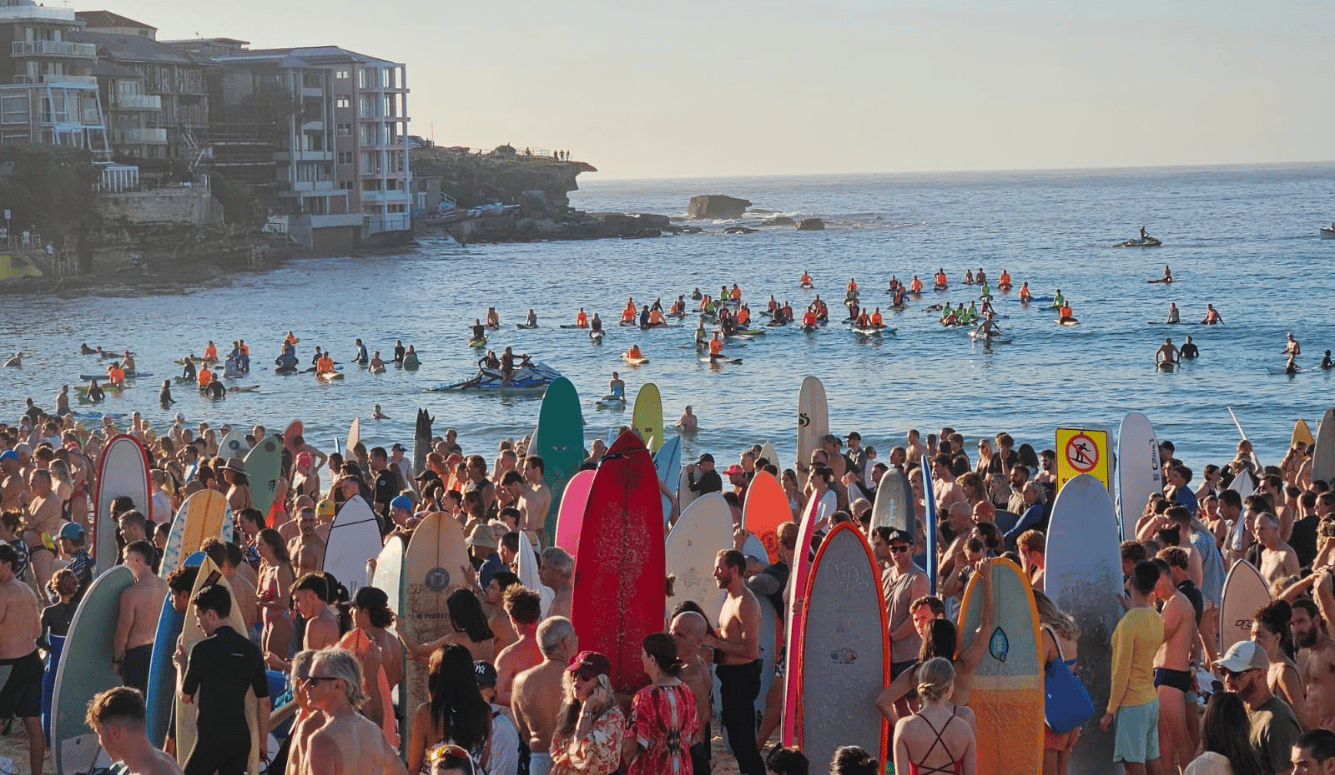
The public response further amplifies the incident's significance. Prime Minister Anthony Albanese's public booing during the memorial service signals a profound breakdown of institutional trust. This visceral reaction goes beyond a simple protest, representing a deeper societal fracture where citizens perceive governmental responses to terrorism and community safety as inadequate. The emotional landscape reveals not just a security challenge, but a crisis of confidence in national leadership.
The incident demands a multifaceted response. Law enforcement must enhance predictive intelligence capabilities, focusing on early detection of radicalization patterns. Simultaneously, community engagement strategies must be reimagined to bridge growing ideological divides. The Bondi Beach attack is not merely a terrorist incident, but a complex sociopolitical signal revealing the intricate challenges of maintaining social resilience in an era of global extremist threats.
Questions 3
How did the attackers prepare for the Bondi Beach massacre?
The Akram father-son pair meticulously planned their attack over several months, including international travel to the Philippines, conducting reconnaissance at Bondi Beach, filming an Islamic State-inspired video, and acquiring multiple weapons and improvised explosive devices.
What does the public's reaction to Prime Minister Albanese reveal about Australian society?
The booing during the memorial service signals a significant breakdown in public trust, suggesting deep dissatisfaction with governmental approaches to community safety, counterterrorism, and social cohesion.