


Bondi Beach Massacre: A Fracturing Moment in Australian Social Cohesion
- Escalating Tensions Reveal Deep Societal Fault Lines in Multicultural Australia















Overview
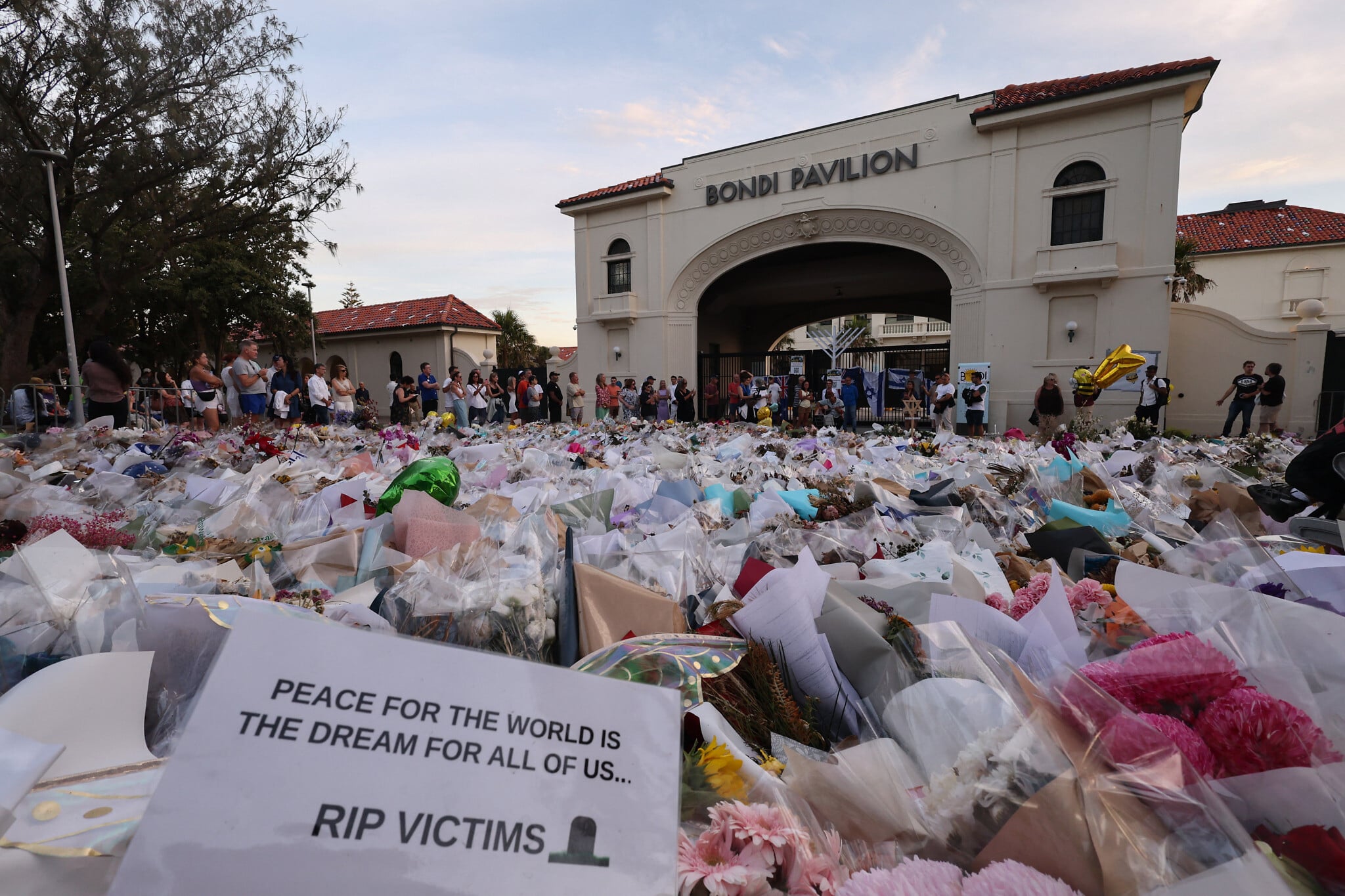
The Bondi Beach massacre represents a critical inflection point that exposes the fragile undercurrents of social tension and community resilience in contemporary Australian society. At its core, this tragic event is more than a singular act of violence—it is a complex narrative of extremism, community response, and the profound challenges of maintaining social unity in a multicultural context.
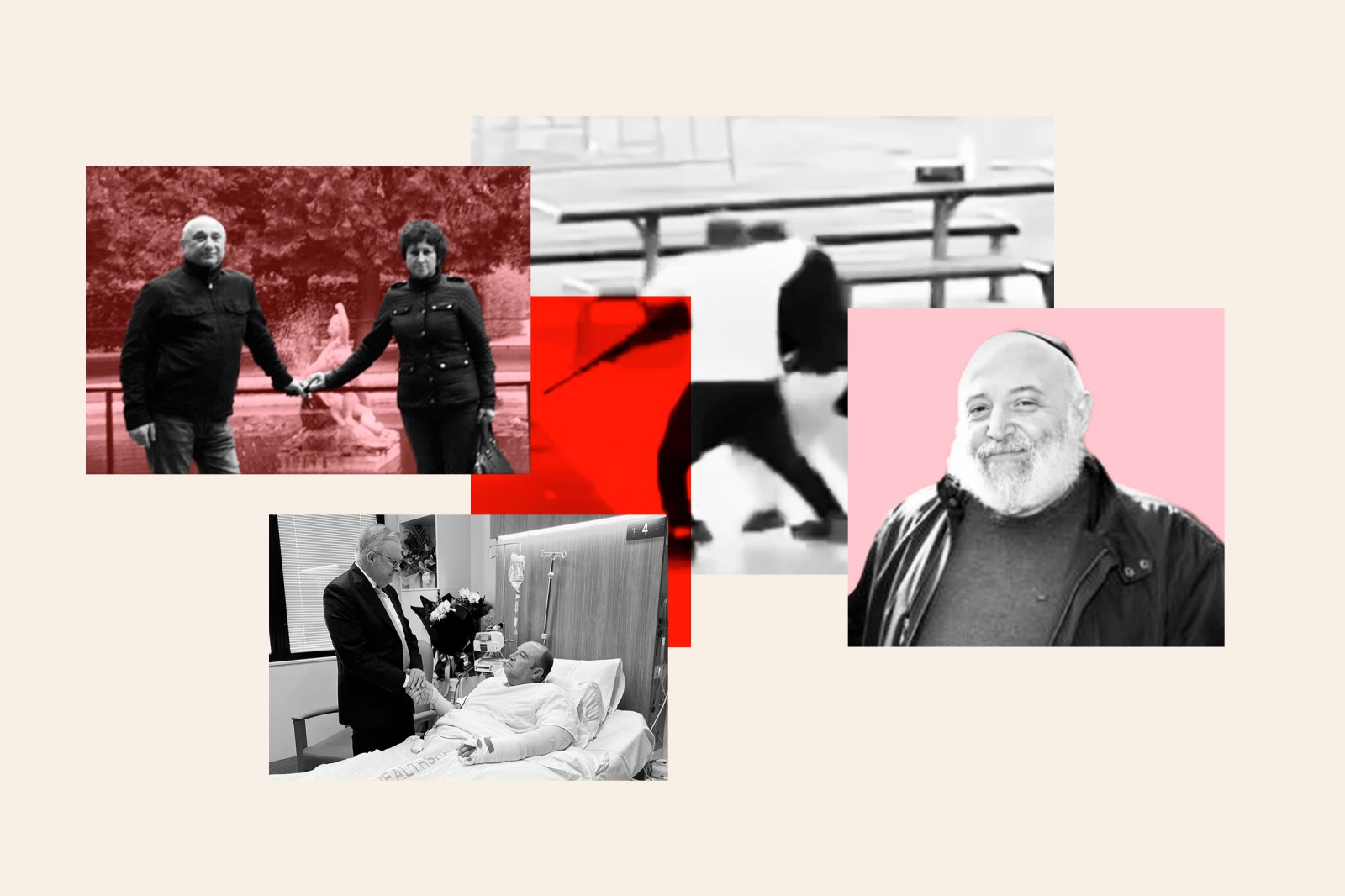
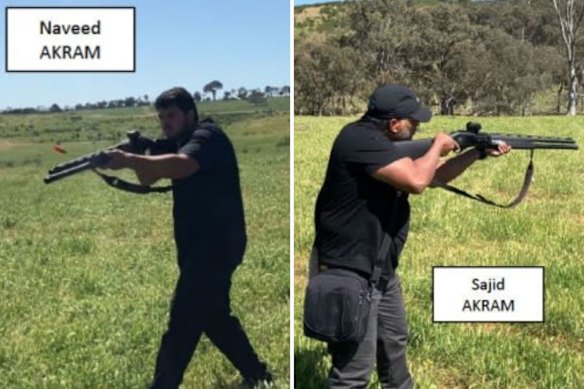
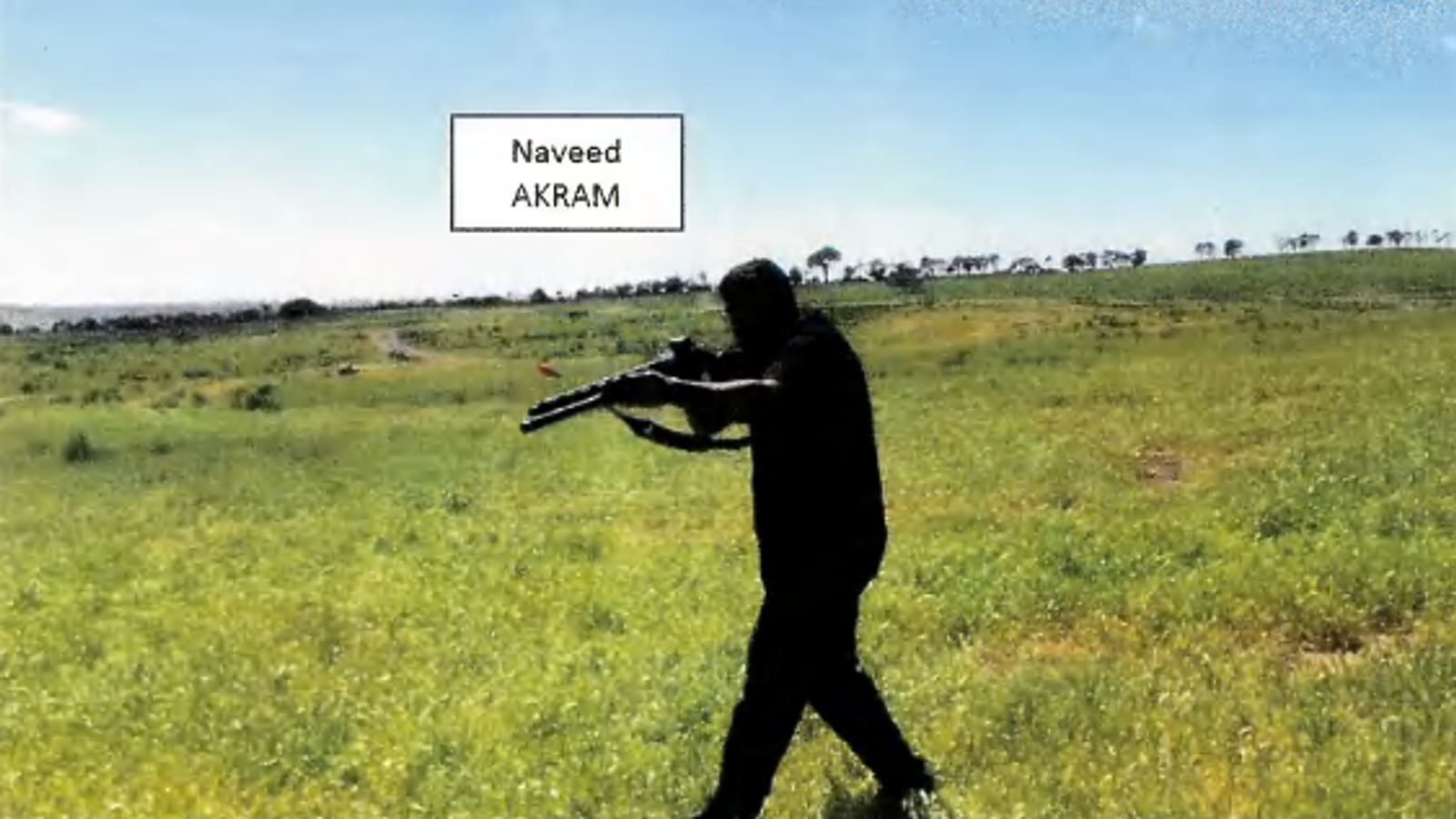
The attack, targeting the Jewish community during Hanukkah celebrations, reveals multiple layers of societal stress. The meticulously planned assault by Naveed Akram and his father, allegedly motivated by Islamic State ideology, demonstrates the persistent threat of radicalization. Their recorded manifesto condemning 'Zionists' and the strategic reconnaissance before the attack highlight a premeditated attempt to sow division and terror.
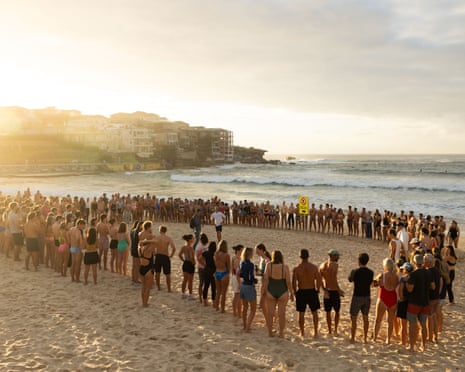
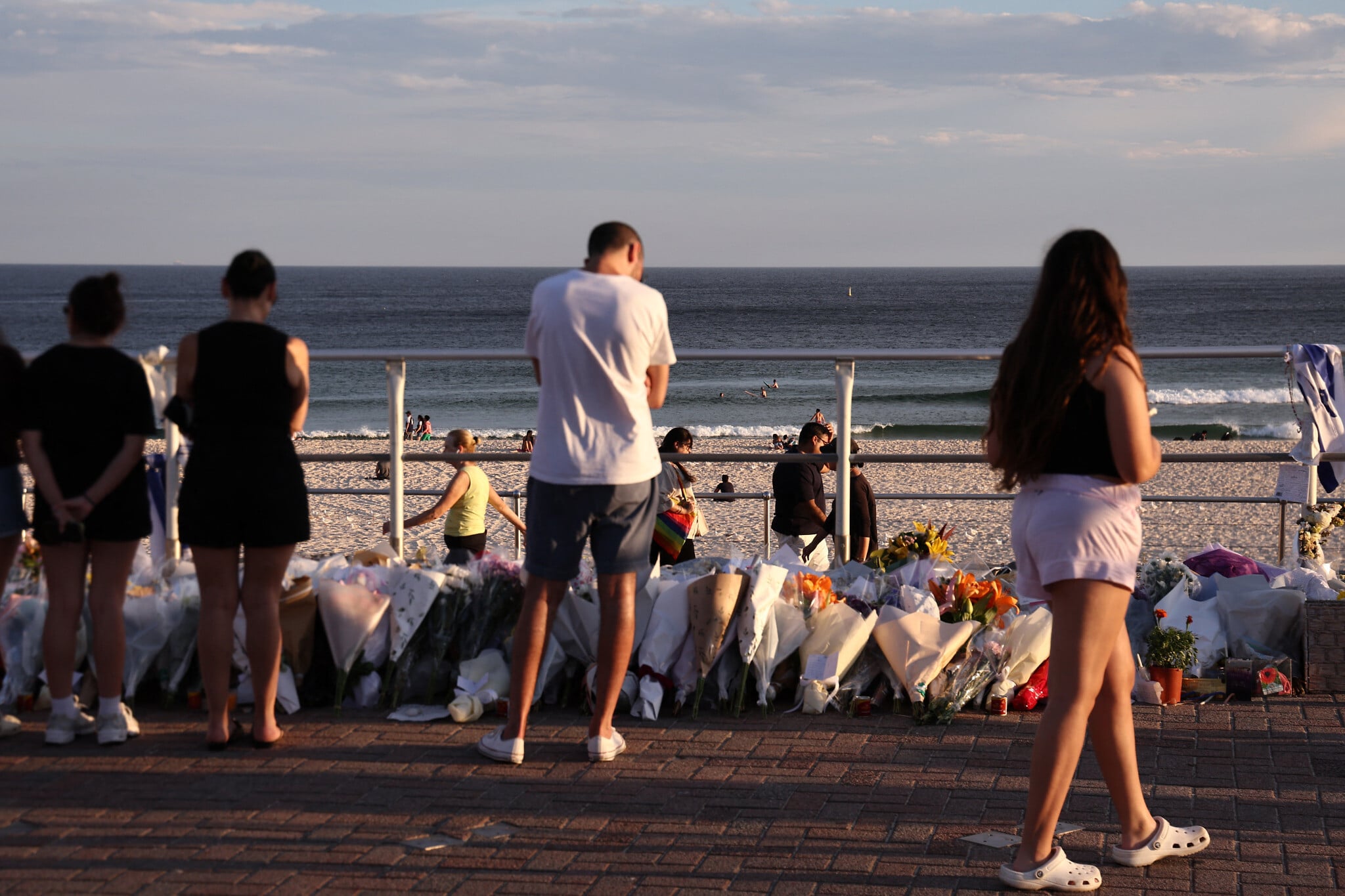
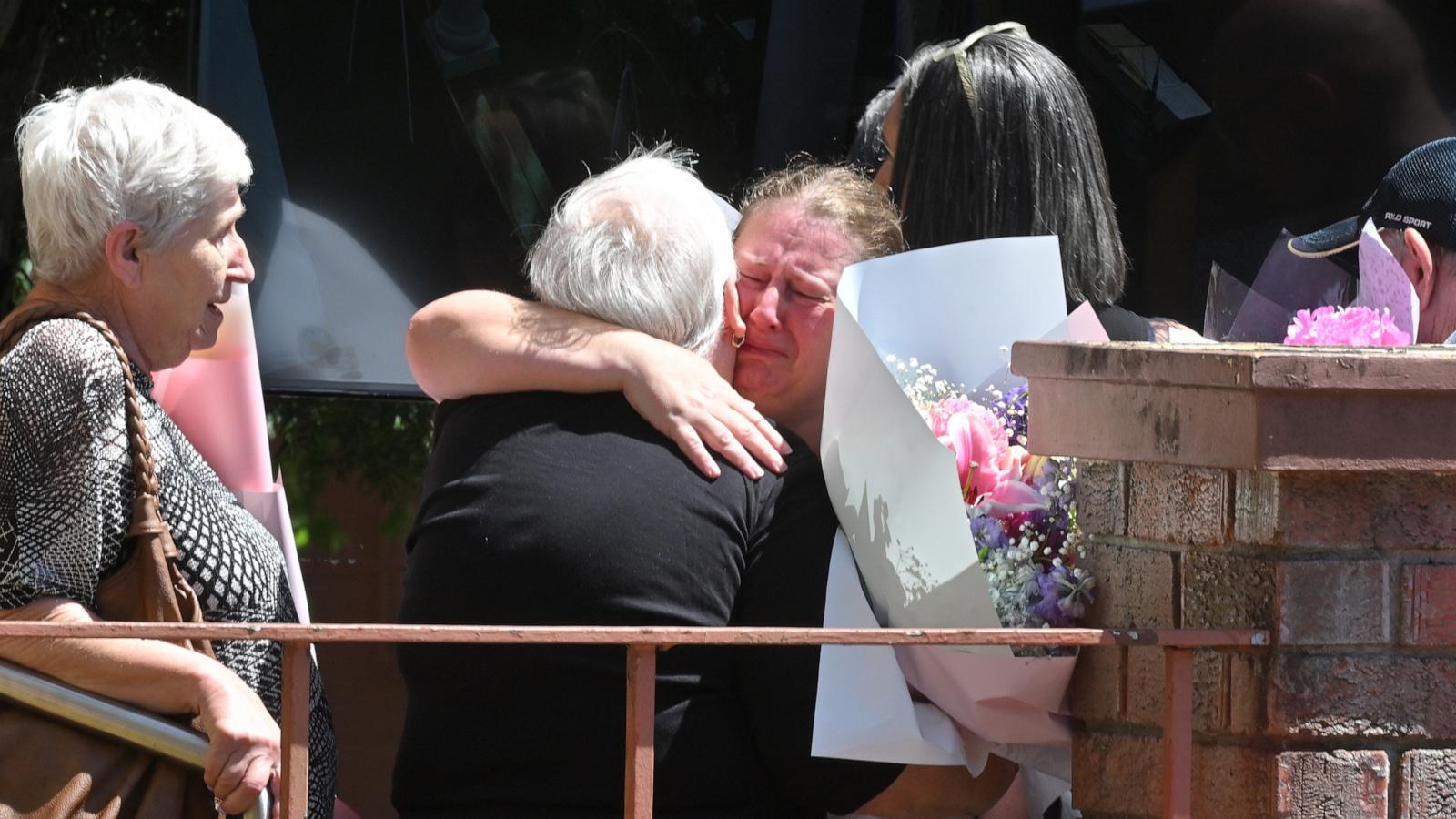
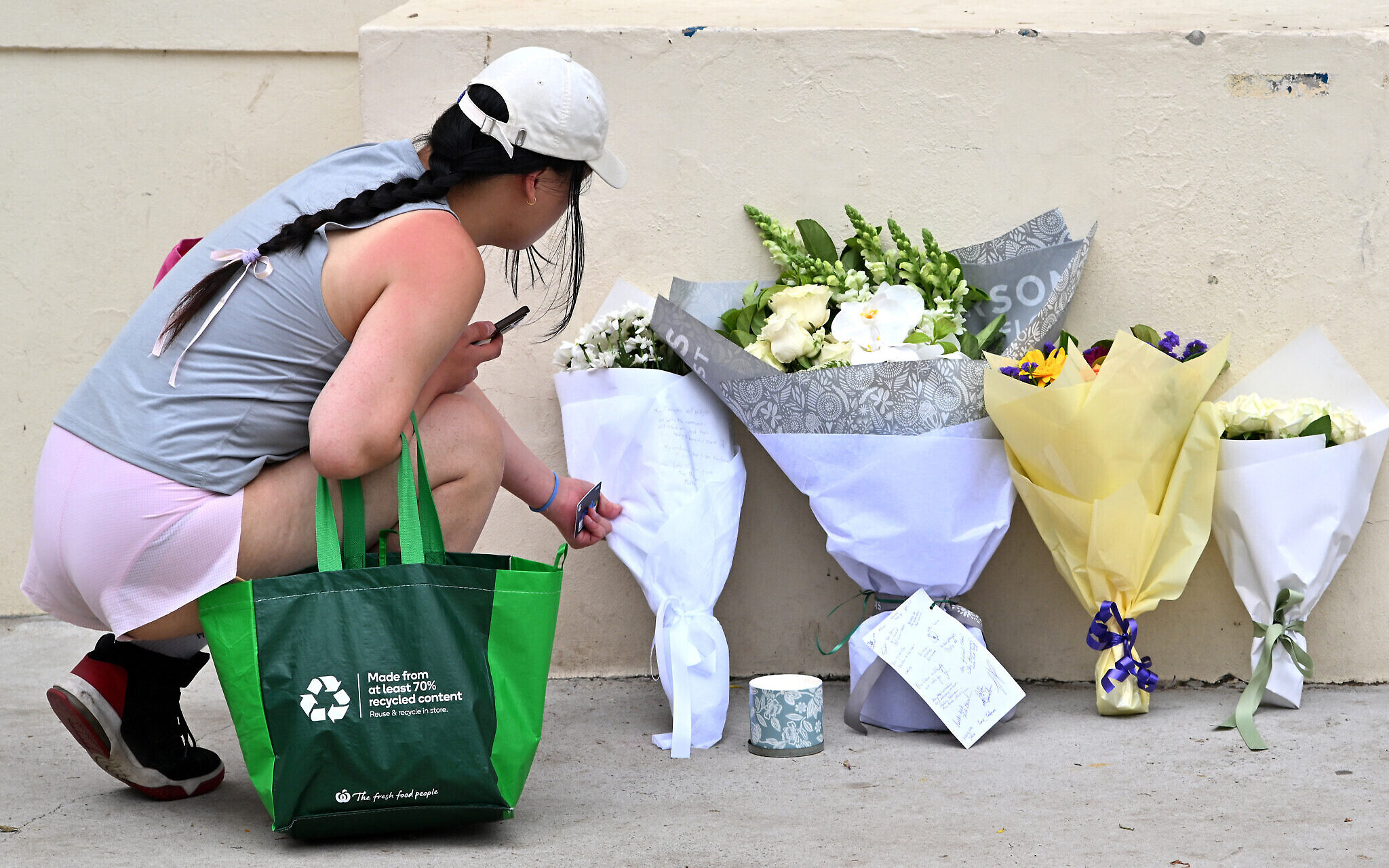
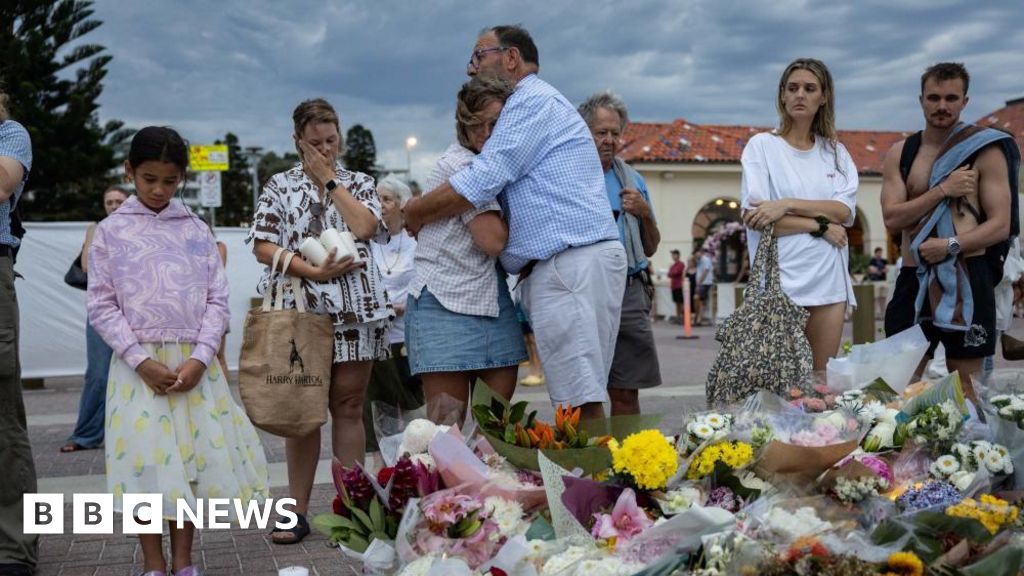
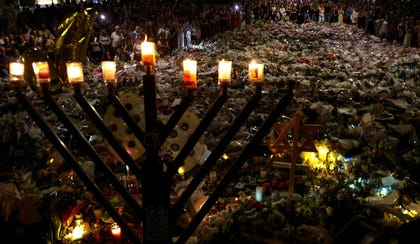
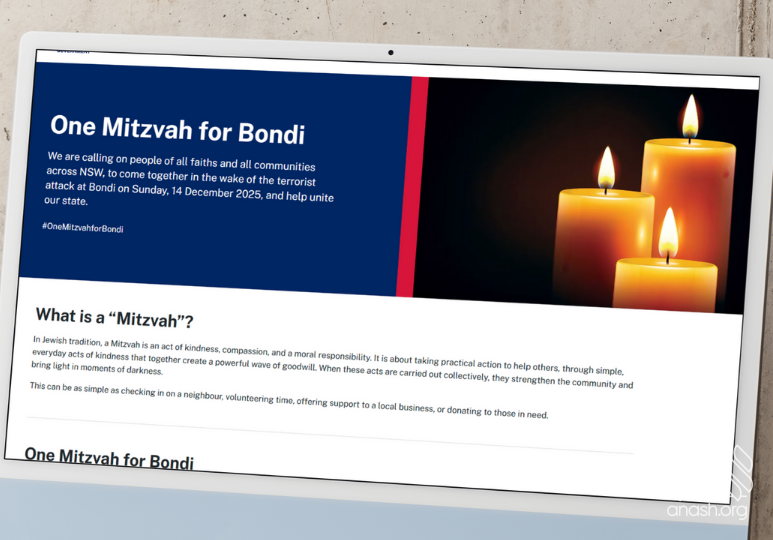
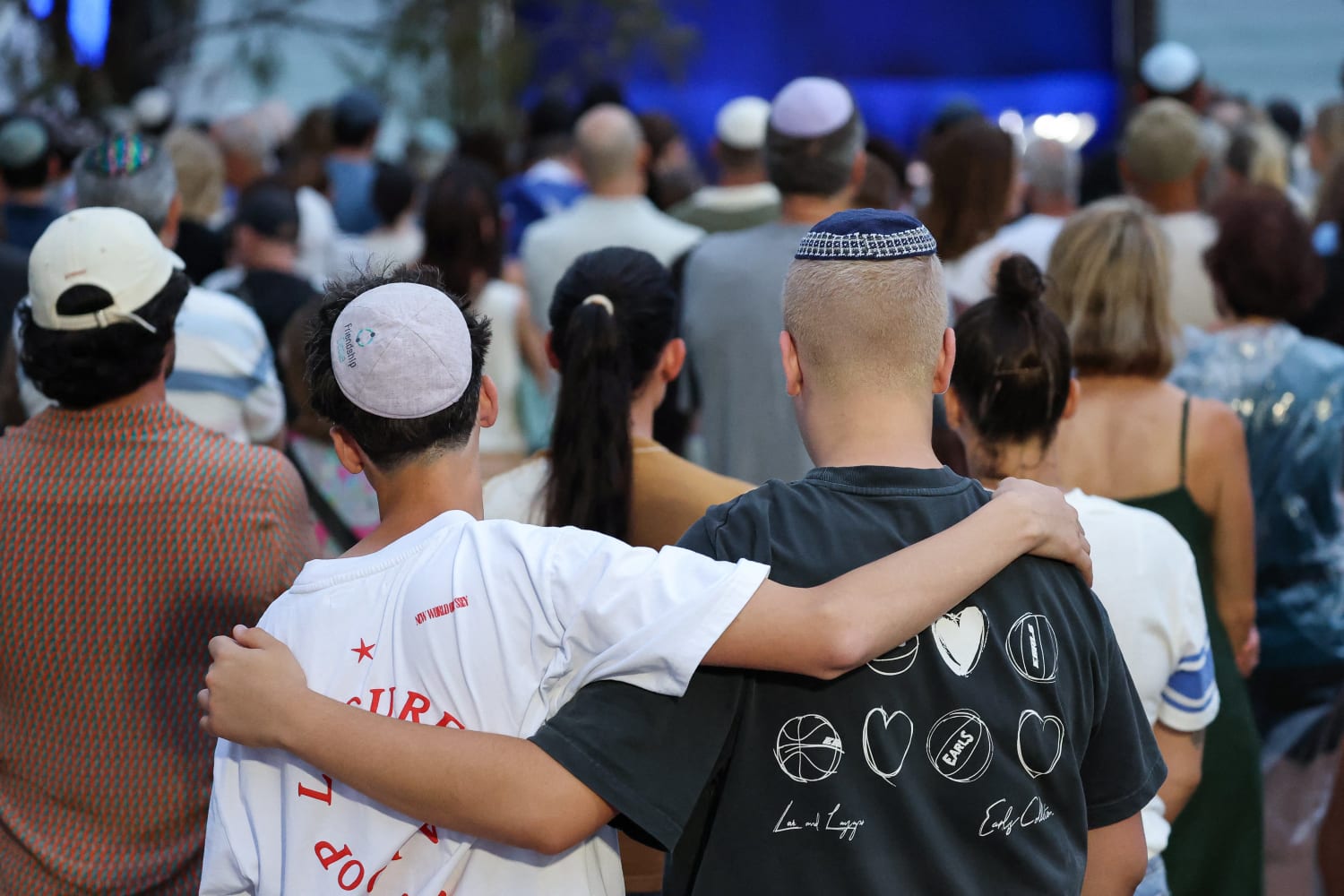
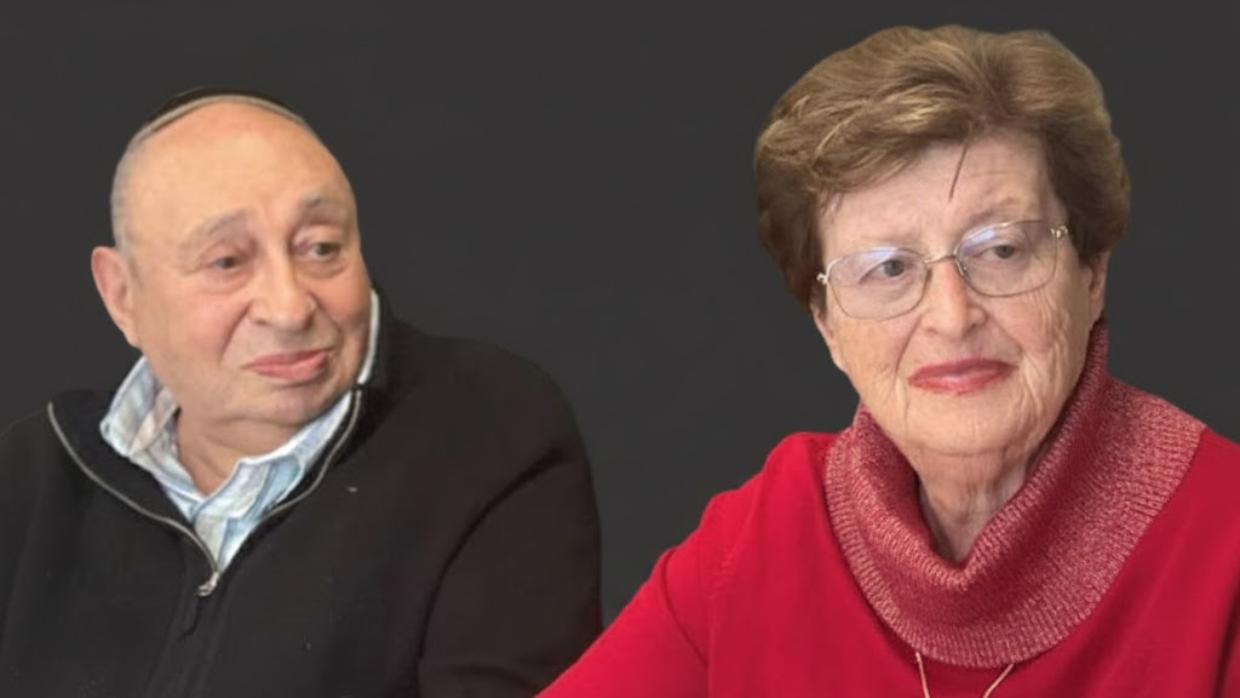
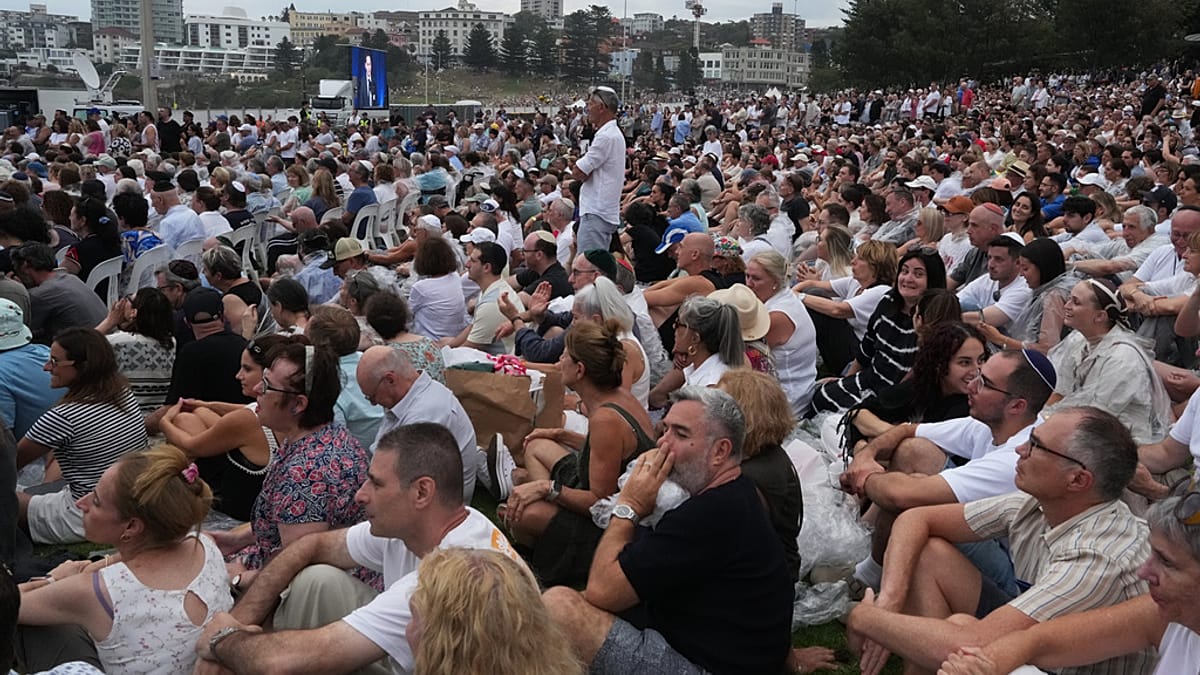
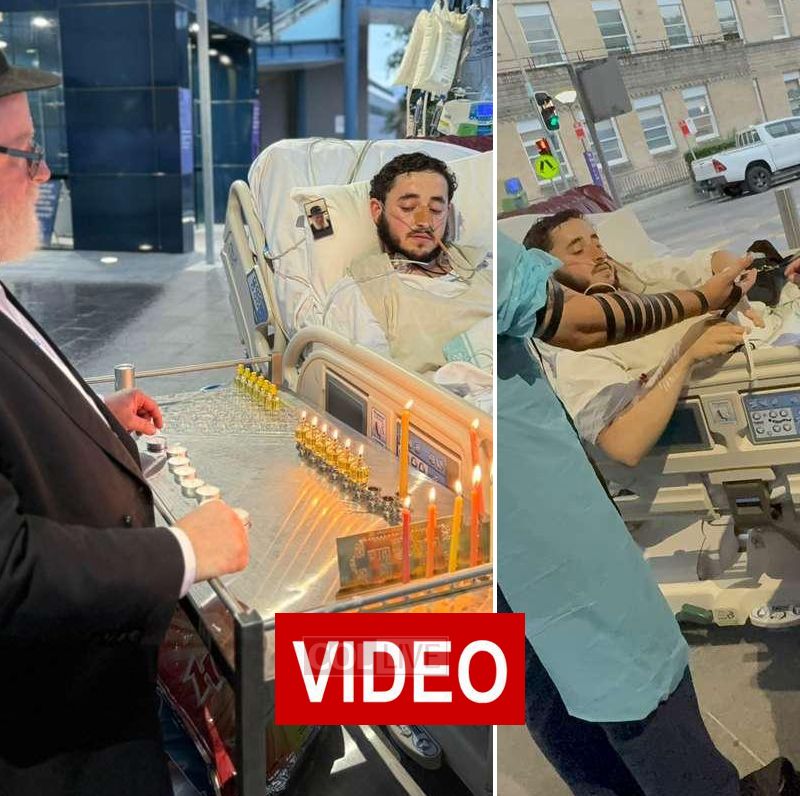
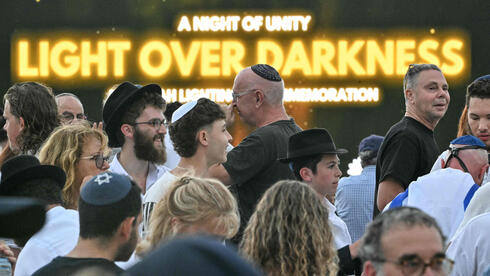
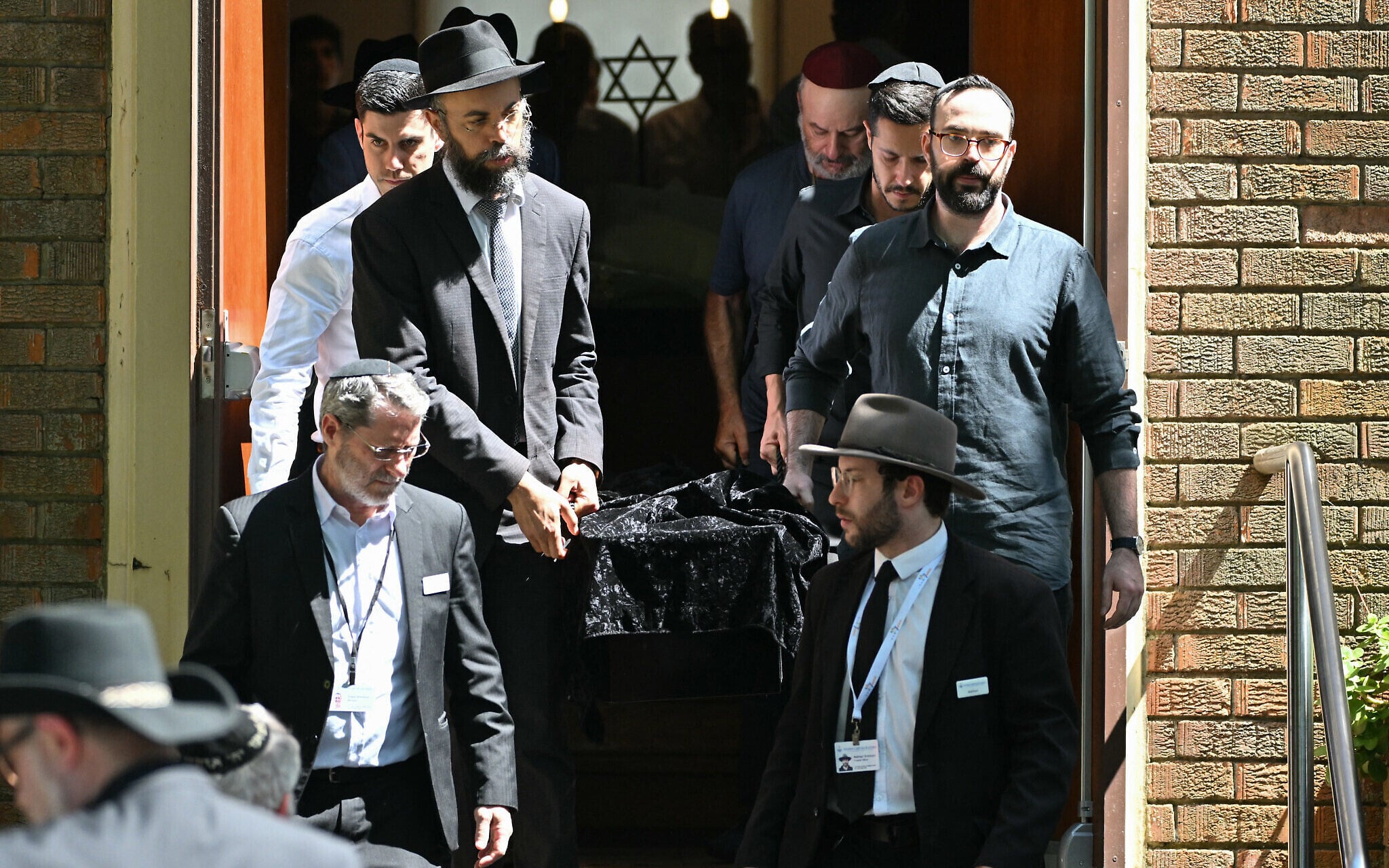
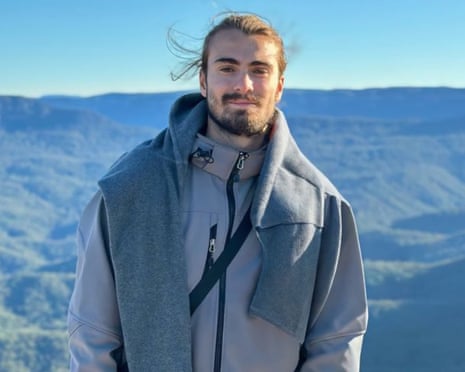
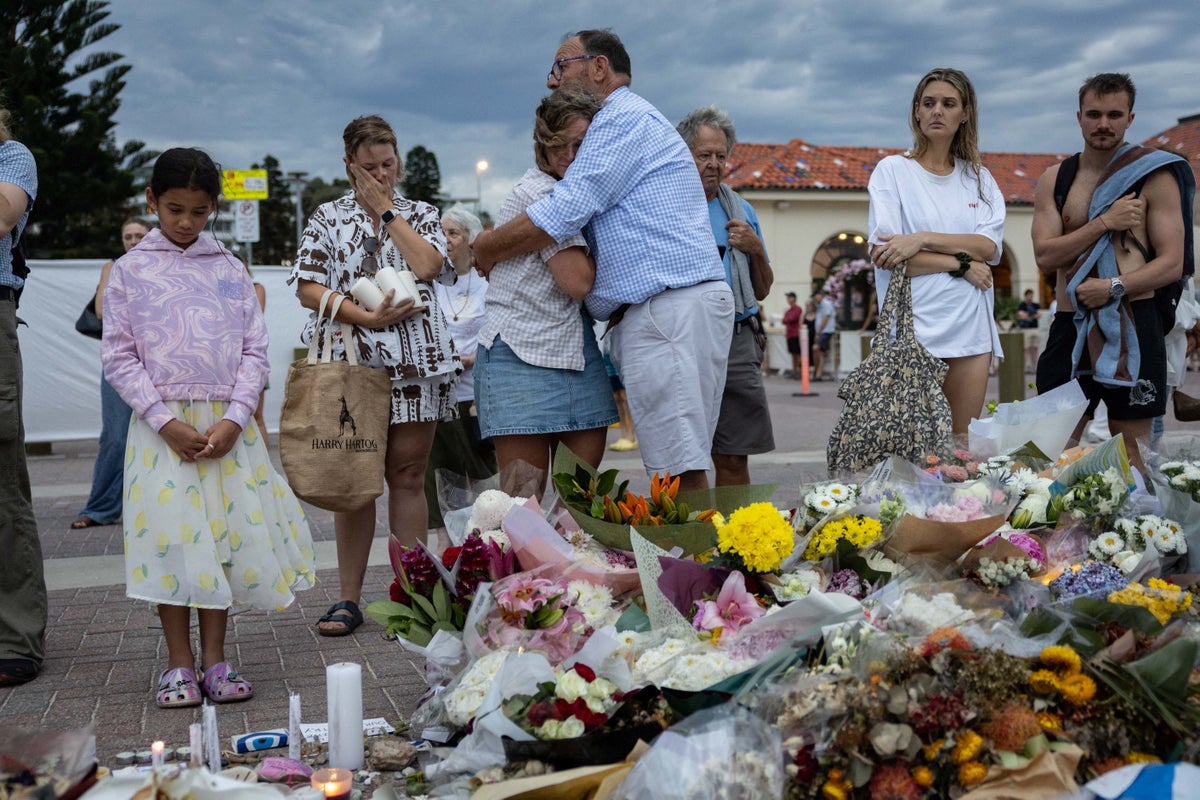
The community's response, however, offers a counternarrative of resilience. The memorial service for Dan Elkayam, a 27-year-old French Jewish victim, became a powerful symbol of collective mourning and solidarity. His life—celebrated for embracing identity and living fully—stands in stark contrast to the destructive ideology of the attackers. The initiative by his workplace, NBC Universal, to encourage acts of kindness through the 'one mitzvah for Bondi' project represents a direct, constructive response to hatred.
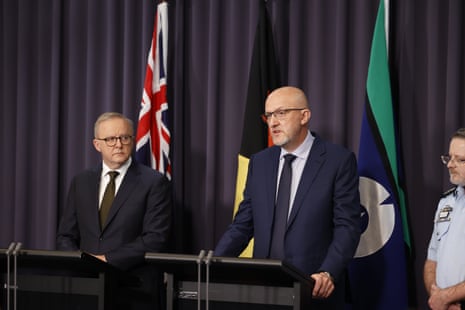
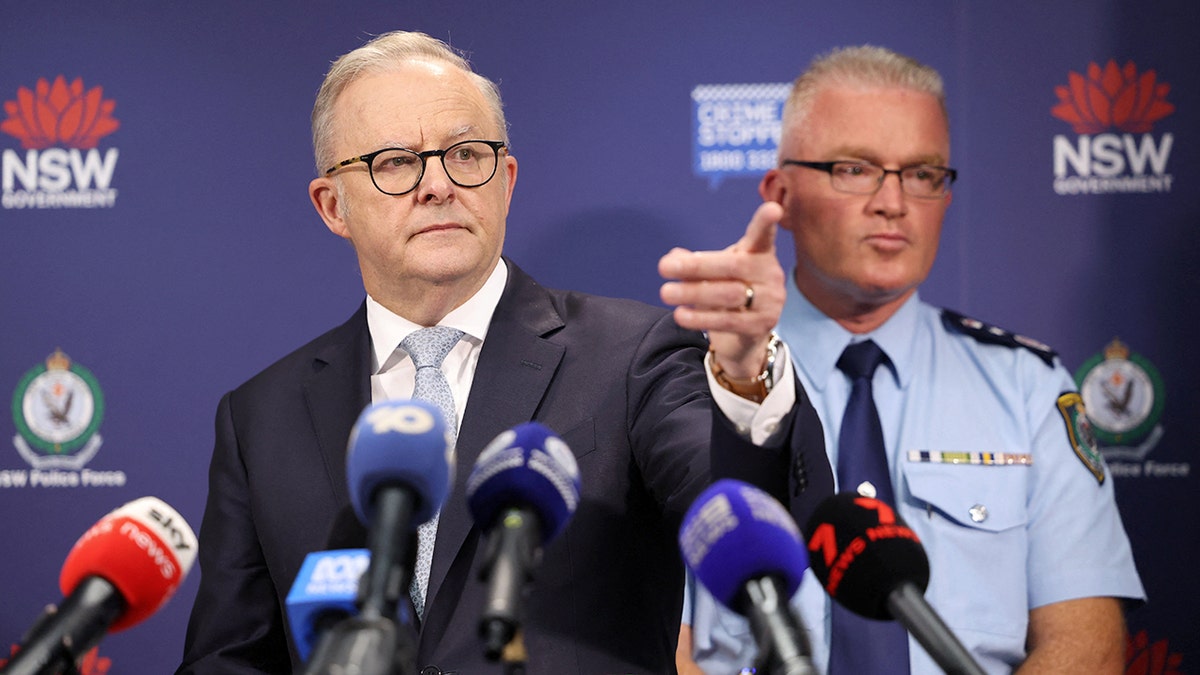
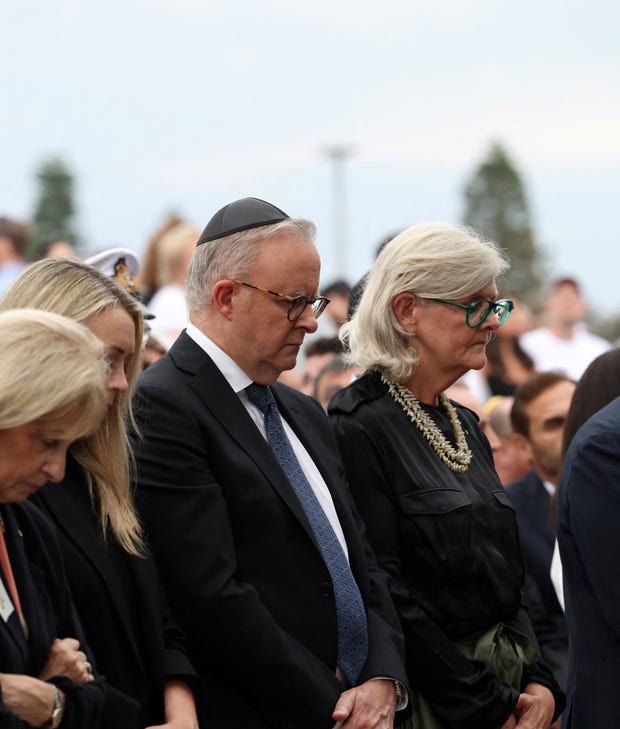
Simultaneously, the public booing of Prime Minister Anthony Albanese during the memorial service signals deeper political fractures. This unprecedented display of dissent suggests a profound breakdown in public trust, particularly around issues of community safety, gun control, and hate speech policies. The incident reveals that the massacre is not just a security failure, but a broader symptom of systemic challenges in managing multicultural tensions.
The event demands a nuanced understanding of social cohesion. It is not merely about preventing individual acts of violence, but about creating robust mechanisms for intercommunity dialogue, understanding, and mutual respect. The path forward requires proactive strategies that address the root causes of radicalization while simultaneously celebrating the diverse fabric of Australian society.
Questions 3
What does the public booing of the Prime Minister signify?
The booing represents a significant breakdown in public trust, particularly around issues of community safety, gun control, and hate speech policies. It signals deep political tension and suggests that citizens are demanding more proactive and effective governmental responses to multicultural challenges and potential extremist threats.
How has the community responded to the tragedy?
The community has demonstrated remarkable resilience. The memorial service for Dan Elkayam highlighted themes of unity and compassion, with his workplace launching a 'one mitzvah for Bondi' initiative encouraging acts of kindness. This response transforms grief into a constructive community-building effort.