



Serbia's Democratic Uprising Challenges Authoritarian Power Structures
- Gen Z-Led Protest Movement Exposes Systemic Governance Failures and Demands Radical Political Transformation





)

Overview
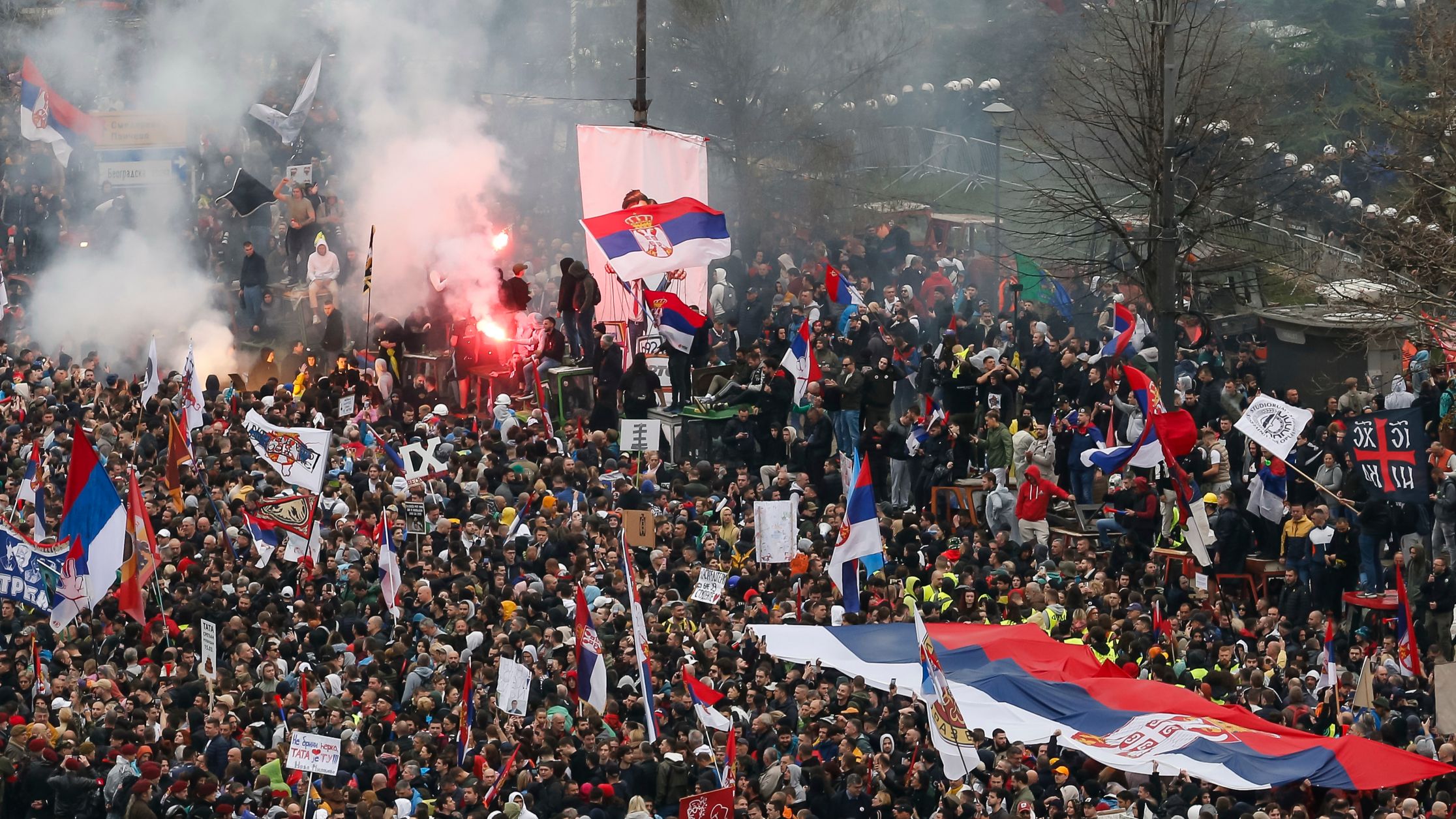
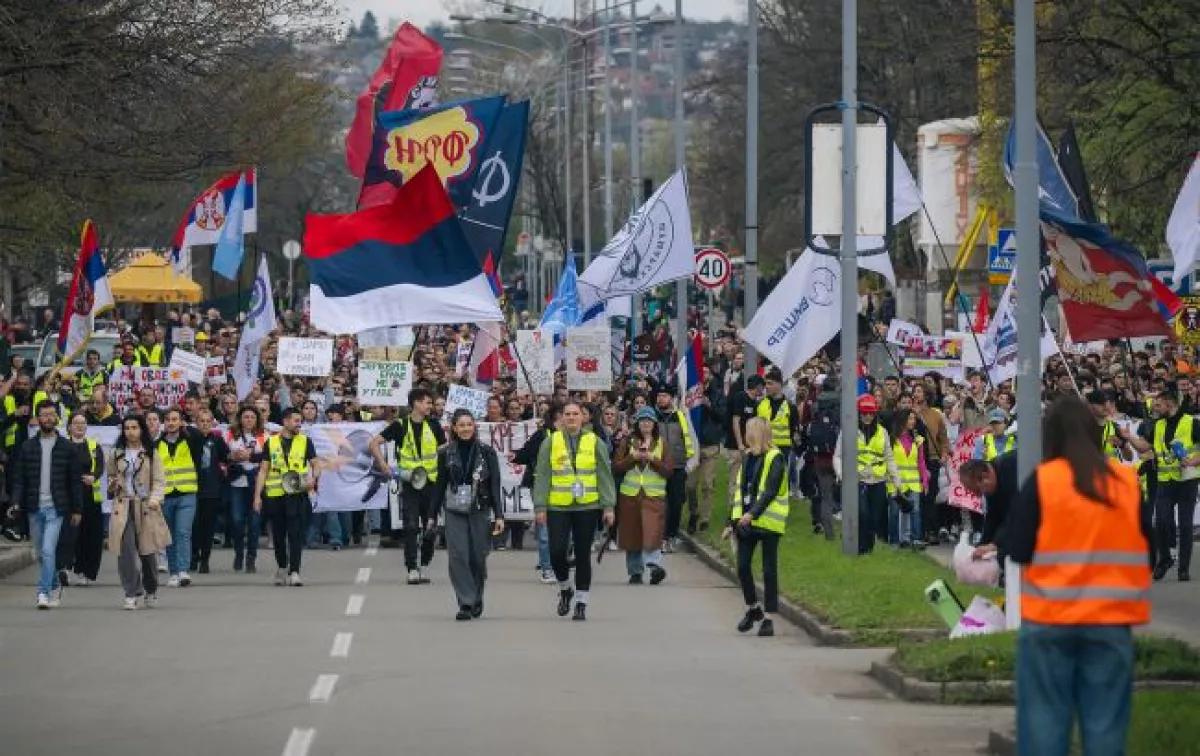
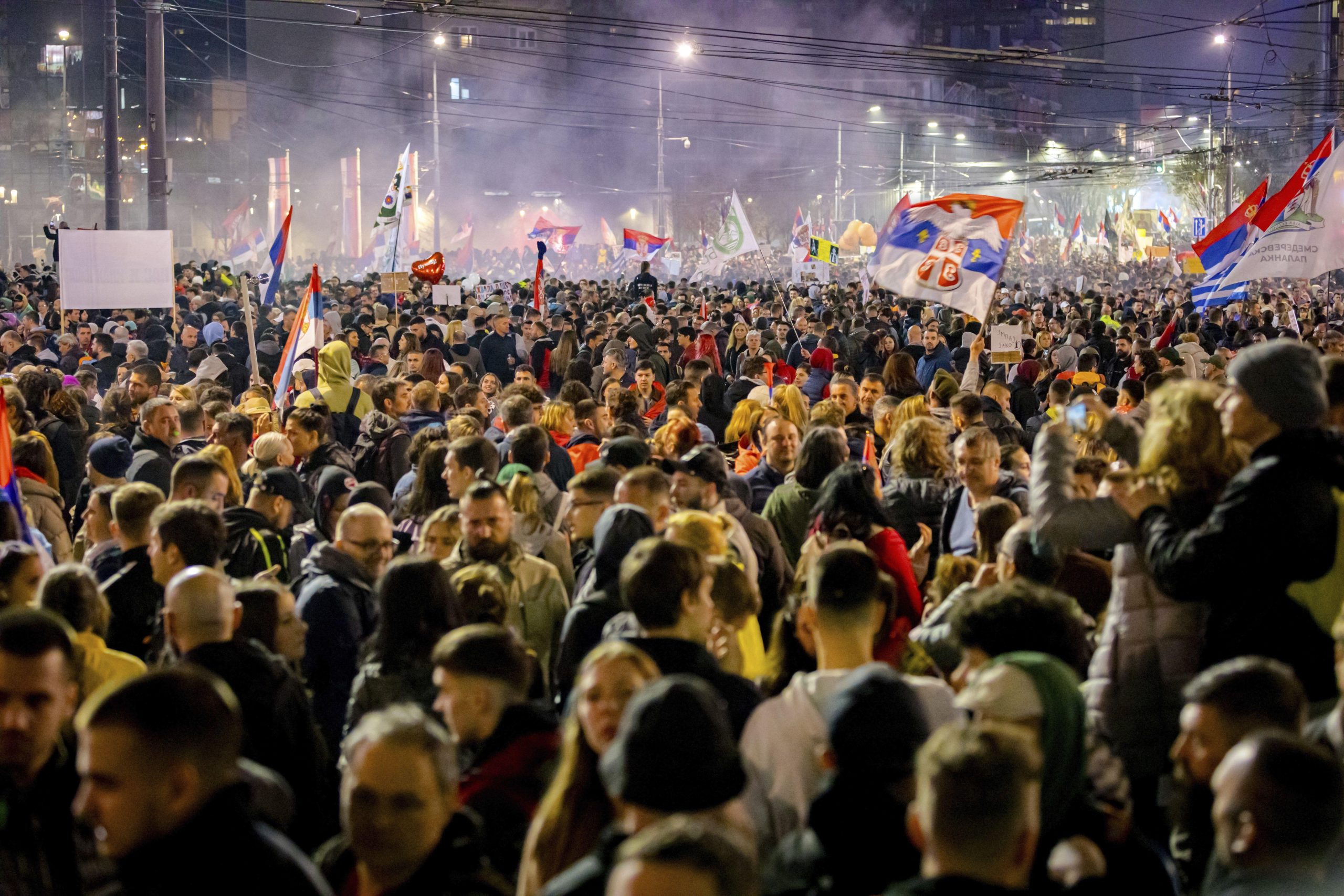
In a remarkable display of civic resistance, Serbia's 2025 protest landscape reveals a profound generational and political transformation challenging the long-entrenched power dynamics of President Aleksandar Vučić's regime. The unprecedented mass demonstrations, attracting between 275,000 and 300,000 participants, represent more than mere political dissent—they signal a fundamental reimagining of democratic engagement led by a strategically sophisticated Gen Z activist network.
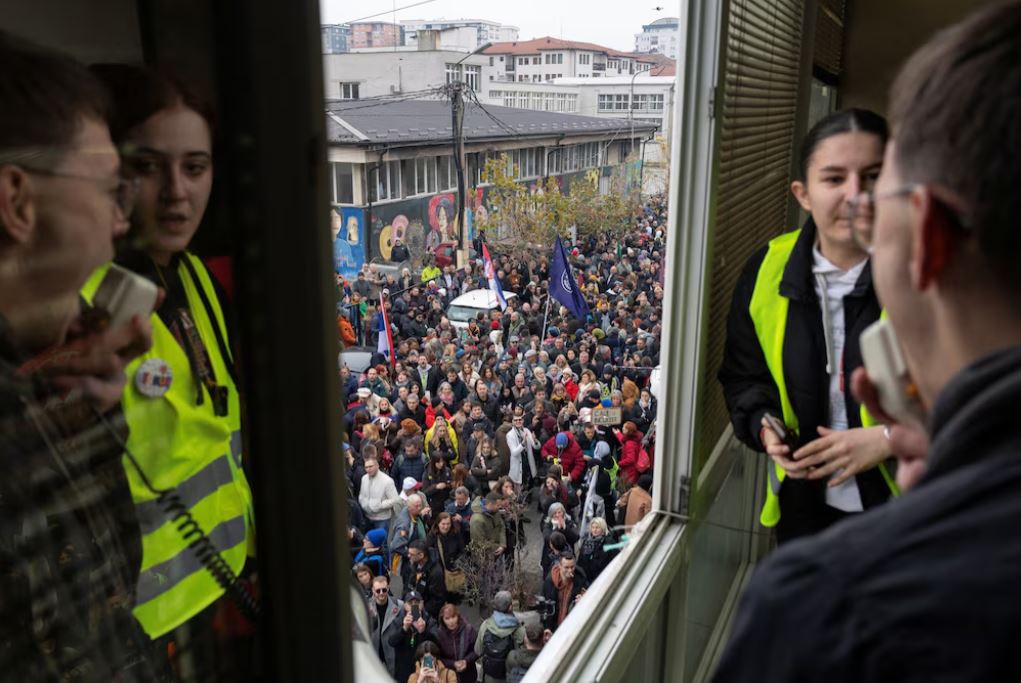
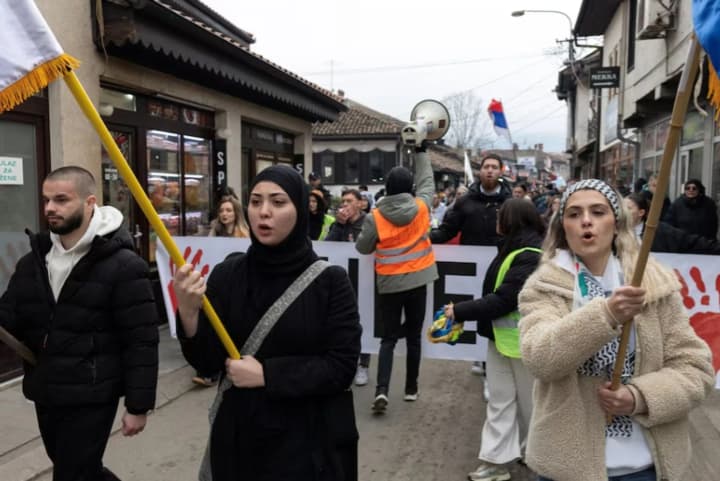
The protest movement's sophistication emerges through its decentralized, digitally-coordinated approach. Unlike traditional political movements, these activists reject mainstream political channels, viewing the existing system as fundamentally corrupt. Their tactics—ranging from daily road blockades to a strategic 13-day bicycle journey to Strasbourg—demonstrate a nuanced understanding of both local resistance and international diplomatic pressure.
The government's response reveals the fragility of its authoritarian infrastructure. By establishing the controversial 'Ćaciland' camp and employing intimidation tactics like systematic harassment, online doxxing, and physical attacks, the regime inadvertently exposes its own institutional weakness. The fact that 87 out of 170 female activists reported assault underscores the desperate nature of the government's attempts to suppress dissent.
Critically, these protests transcend traditional political boundaries. Triggered by the tragic Novi Sad railway station disaster, they represent a broader societal demand for accountability, infrastructure integrity, and transparent governance. The movement's ability to sustain momentum despite significant repression—including teacher dismissals and media suppression—indicates a deep, structural shift in Serbia's political consciousness.
The international dimension adds another layer of complexity. By organizing a diplomatic outreach to European lawmakers and consistently drawing global media attention, the protesters are internationalizing their struggle, transforming a local movement into a potential catalyst for broader regional democratic transformation.
Questions 4
How has the Serbian government responded to these protests?
The government's response has been aggressive and intimidating, establishing the 'Ćaciland' camp near the National Assembly, using systematic harassment tactics, and employing physical attacks against activists. This approach, particularly targeting women activists, reveals the regime's vulnerability and desperation to suppress the growing democratic movement.
What makes the 2025 Serbian protests unique compared to previous political movements?
The 2025 protests are distinctively characterized by a Gen Z-led, decentralized digital activism approach. Unlike traditional movements, these protesters reject mainstream political channels, use sophisticated digital coordination, and employ diverse tactics like road blockades and international diplomatic outreach. Their movement is driven by systemic accountability demands rather than traditional partisan politics.