





Currency Crossroads: Japan's Yen Volatility Signals Global Financial Tension
- Mimura's Warning Reveals Critical Forex Risk Management Challenges for International Traders






























Overview
Currency markets stand at a pivotal moment of unprecedented volatility, with Japan's top financial officials signaling deep concern about rapid exchange rate movements that could destabilize global economic interactions. The recent warning from Atsushi Mimura, Japan's chief currency official, represents more than a routine market commentary—it's a strategic signal of potential forex intervention and heightened geopolitical economic sensitivity.
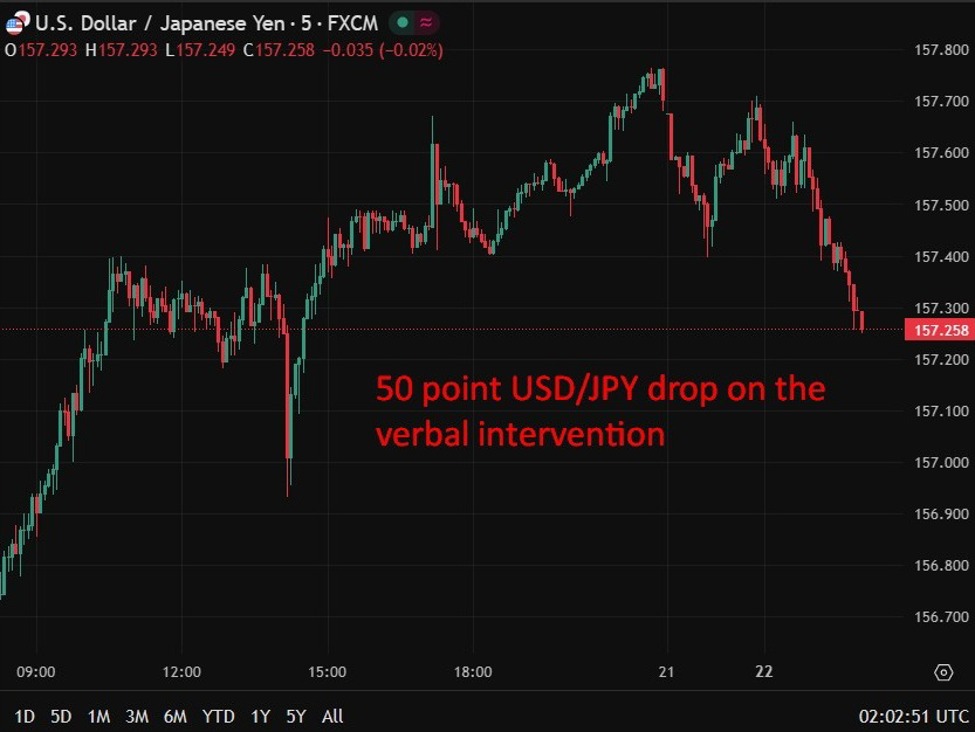
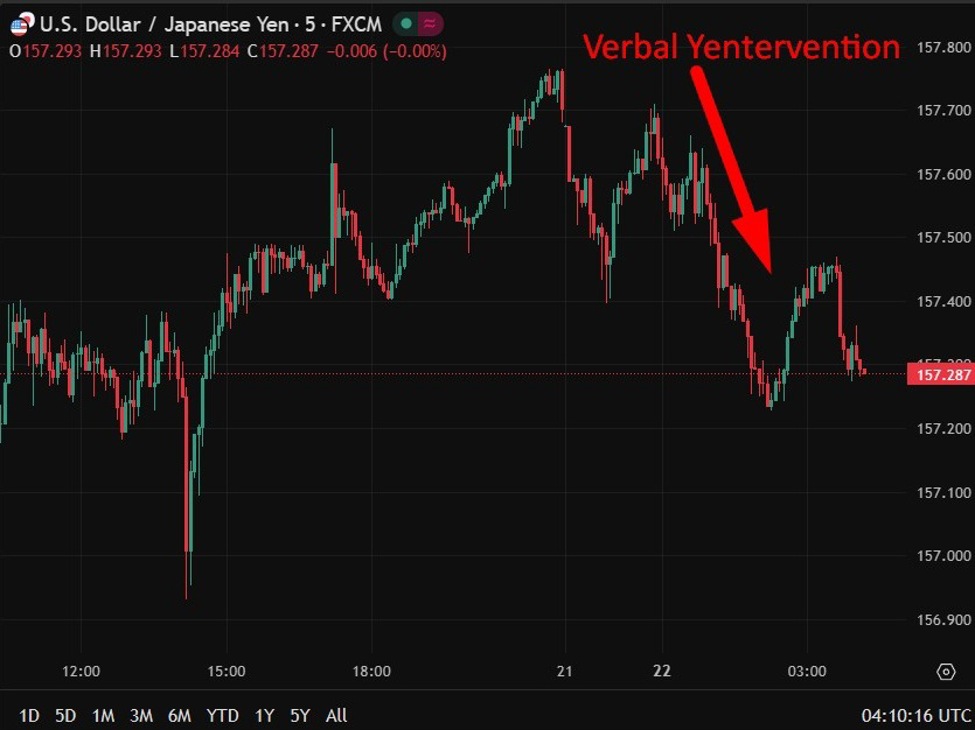
Strategic Currency Dynamics Unfolding: Mimura's explicit concern about "sudden, one-directional yen movements" reveals a critical inflection point in Japan's monetary policy landscape. The Bank of Japan's recent policy decisions have triggered unexpected currency market reactions, suggesting a complex interplay between monetary strategy and exchange rate stability. For cross-border businesses, this volatility translates into immediate and significant operational challenges.
Immediate Implications for International Trade: Currency fluctuations are not abstract financial metrics—they represent real economic friction. Sudden exchange rate changes can rapidly erode profit margins, transforming international market attractiveness within weeks. Cross-border e-commerce sellers face particularly acute risks, where pricing strategies must now incorporate unprecedented forex risk management considerations. The potential for rapid yen depreciation means sellers must develop more sophisticated hedging strategies, potentially requiring real-time currency adjustment mechanisms.
Broader Economic Signaling: Mimura's proactive communication signals a preparedness to take decisive action against excessive currency movements. This suggests Japanese financial authorities are closely monitoring global economic tensions and are ready to deploy strategic interventions to protect national economic interests. For international traders and investors, this represents a clear warning: traditional assumptions about currency stability are being fundamentally challenged.
The emerging landscape demands a new approach to international financial strategy—one that prioritizes agility, real-time risk assessment, and dynamic pricing models capable of absorbing sudden currency shifts.
Questions 3
What specific risks do currency fluctuations pose for international businesses?
Currency volatility can dramatically impact profit margins by changing the real-time value of international transactions. Businesses may face sudden increases in operational costs, reduced competitiveness, and the need to rapidly adjust pricing strategies to maintain profitability.
What does Mimura's warning indicate about Japan's current economic strategy?
The warning signals Japan's heightened sensitivity to currency market dynamics and a potential readiness for direct intervention. It suggests the Bank of Japan is closely monitoring exchange rates and prepared to take action to stabilize the yen and protect national economic interests.