



Lottery Dreams and Financial Fantasies Reveal Hidden Economic Insights
- Exploring the Psychological and Economic Undercurrents of Jackpot Speculation Among Urban Consumers










Overview
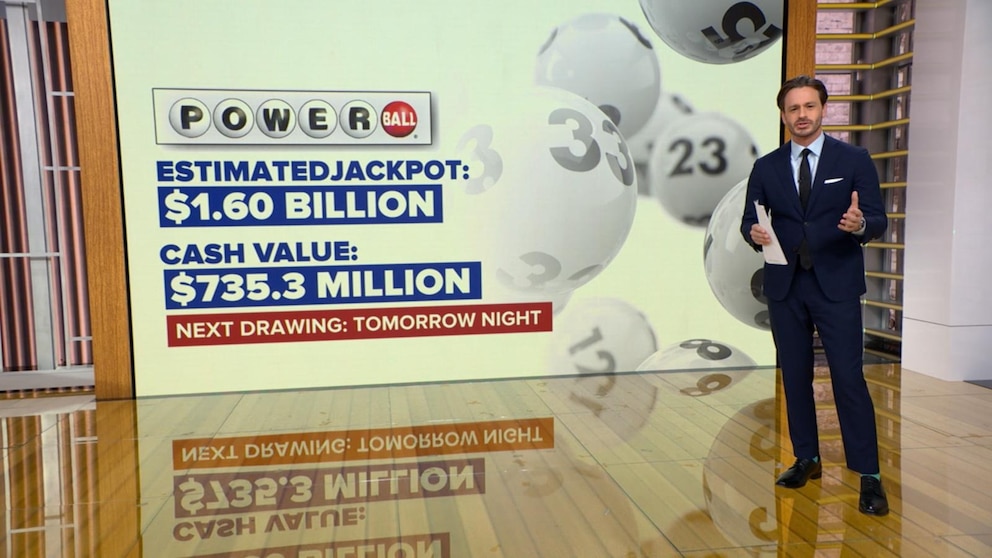
In the realm of economic psychology, even seemingly trivial narratives like how Bostonians might hypothetically spend a Powerball jackpot offer profound insights into consumer behavior, financial aspirations, and economic sentiment. While the news item appears lightweight, it inadvertently exposes critical dimensions of urban financial thinking during challenging economic periods.
Consumer Financial Psychology emerges as a key analytical lens. The hypothetical lottery spending scenario reflects deeper economic anxieties and aspirational spending patterns prevalent in metropolitan areas. Bostonians' imagined windfall expenditures aren't just random fantasies, but sophisticated economic projections that reveal underlying financial stress and strategic wealth allocation thinking.
Strategic Spending Patterns become particularly intriguing when examined through a financial optimization perspective. The narrative suggests that even in speculative scenarios, consumers demonstrate nuanced financial decision-making. They're not merely dreaming of extravagant purchases, but strategically contemplating investments, debt reduction, and generational wealth preservation—indicating a sophisticated understanding of financial mobility.
The underlying economic subtext is profound: In an era of increasing economic uncertainty, lottery fantasies serve as a psychological pressure valve. They represent a collective mechanism for exploring financial possibilities beyond current constraints. For financial strategists, such narratives provide invaluable insights into consumer economic sentiment, risk perception, and aspirational financial modeling.
Critically, this microcosm of urban financial imagination highlights the persistent gap between current economic realities and individual wealth generation potential. It underscores the need for more accessible financial education, innovative wealth creation pathways, and inclusive economic opportunities that can transform speculative dreams into tangible financial strategies.
Questions 3
What psychological mechanisms drive lottery spending fantasies?
Lottery spending fantasies represent a complex psychological coping mechanism that allows individuals to mentally explore economic mobility and wealth generation scenarios. They provide a safe, speculative space for processing financial stress and imagining alternative economic realities beyond current constraints.
What financial insights can be extracted from lottery spending hypotheticals?
Lottery spending scenarios offer nuanced insights into consumer financial priorities, including debt reduction strategies, investment considerations, generational wealth planning, and risk perception. They demonstrate sophisticated financial thinking that goes beyond mere consumption fantasies.