
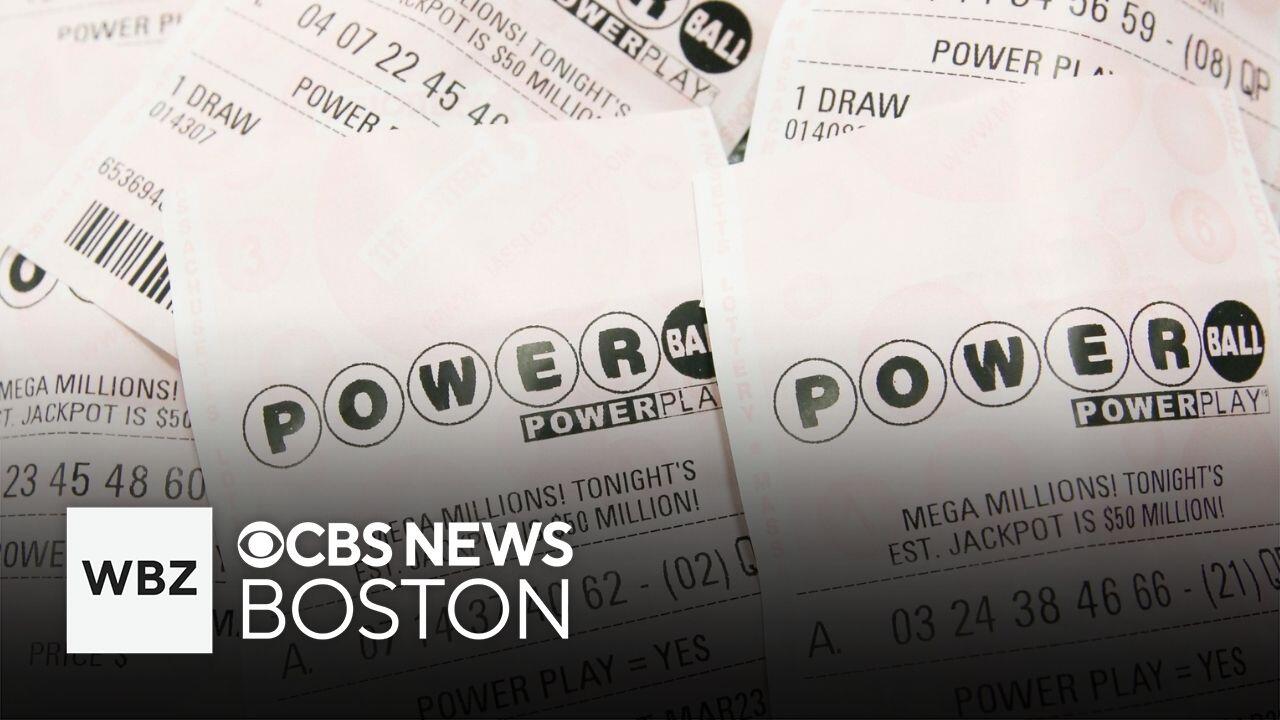


The Billion-Dollar Lottery Phenomenon: Decoding America's Massive Jackpot Obsession
- Unprecedented Jackpot Scales Reveal Deeper Economic Narratives of Risk and Aspiration















Overview
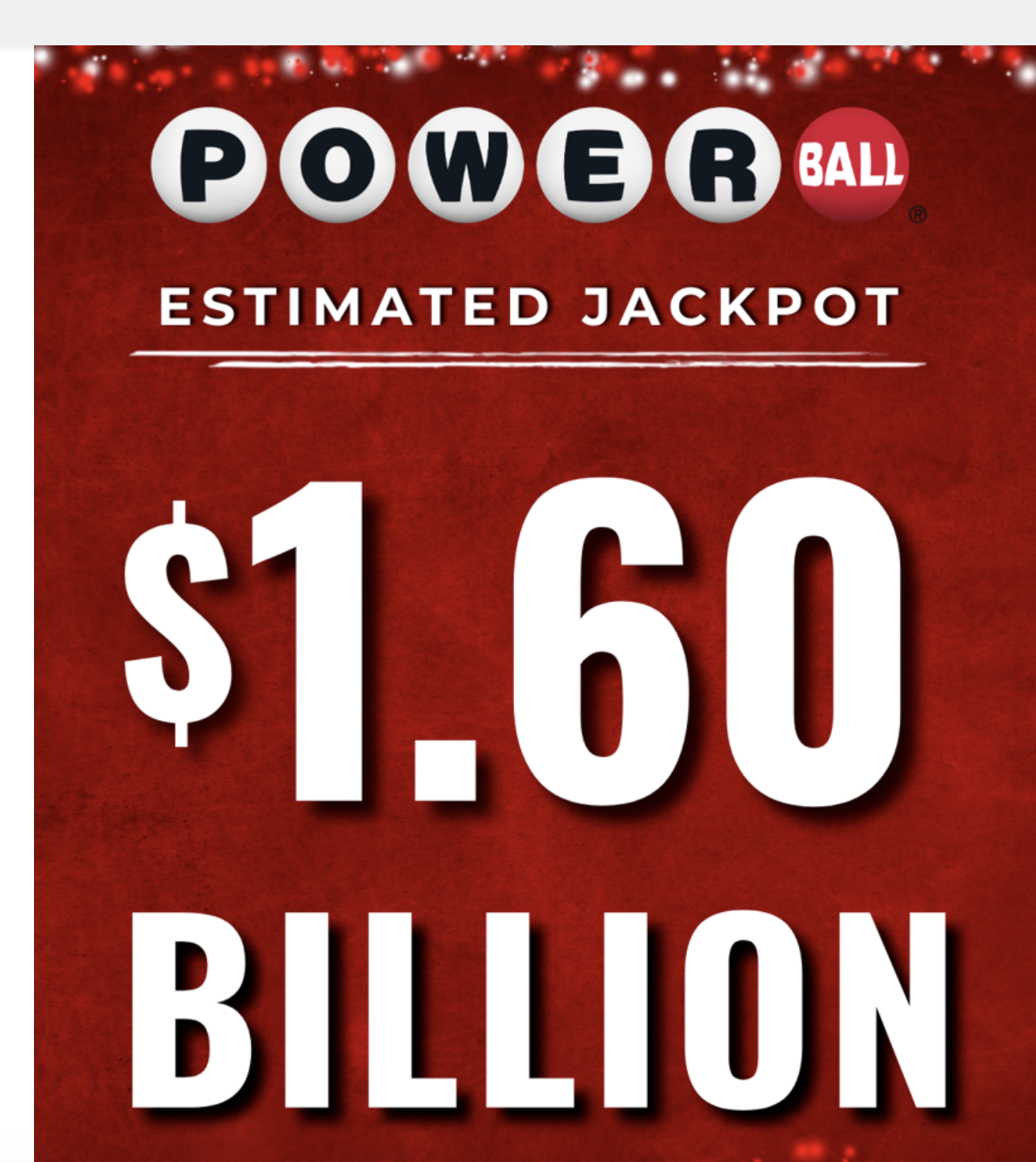
Massive lottery jackpots have emerged as a fascinating economic and psychological phenomenon, transcending mere gambling to become a complex social indicator of American financial aspirations. The current $1.6 billion Powerball prize represents more than just a potential windfall—it's a window into the collective economic imagination of a nation grappling with wealth inequality and financial uncertainty.
The staggering odds—just 1 in 292.2 million for winning—paradoxically make the jackpot more compelling. This astronomical improbability transforms the lottery from a simple game of chance into a quasi-mythical narrative of potential transformation. The prize's structure, offering either a $1.6 billion annuitized payment or a $735.3 million lump sum, reveals sophisticated financial engineering that mirrors complex investment strategies.
Critically, the lottery's expanding scale tells a broader economic story. With five of the largest jackpots in U.S. history occurring in recent years—culminating in a $2.04 billion record in 2022—these games reflect deeper societal trends. They represent a form of distributed hope, where millions participate in a collective dream of instant economic mobility. The fact that tickets are sold across 45 states, Washington D.C., Puerto Rico, and the U.S. Virgin Islands underscores the nationwide nature of this phenomenon.
The 46 consecutive drawings without a grand prize winner further amplify the psychological tension. Each drawing increases the jackpot, creating a self-reinforcing cycle of anticipation and participation. This isn't just about winning money; it's about the narrative of possibility that each ticket represents—a microcosm of the American belief in transformative opportunity.
From a financial perspective, these massive jackpots function as a unique form of voluntary, distributed economic stimulus. Participants effectively contribute to a massive, decentralized pool of capital, with the tantalizing promise of life-changing returns. The lottery has evolved from a simple gambling mechanism to a complex social and economic instrument that captures the collective imagination of risk, reward, and reinvention.
Questions 3
What financial strategies do lottery winners typically employ?
Winners have two primary options: a lump sum of $735.3 million or an annuitized prize of $1.6 billion paid over 29 years with 5% annual increases. Smart winners often consult financial advisors to manage tax implications, invest strategically, and create long-term wealth preservation plans.
How do massive jackpots impact broader economic dynamics?
These billion-dollar prizes function as a form of decentralized economic stimulus. Millions of participants collectively contribute to a massive capital pool, creating a unique financial ecosystem that reflects societal aspirations for wealth and rapid economic advancement.