



Autonomous Vehicles Tested: How Waymo Navigates Urban Infrastructure Challenges
- Robotaxi Technology Faces Critical Stress Test in San Francisco Blackout Scenario

Overview
Autonomous transportation technology stands at a critical inflection point, where real-world infrastructure challenges are exposing both remarkable capabilities and fundamental limitations. The recent Waymo robotaxi performance during San Francisco's massive blackout reveals a nuanced narrative of technological resilience and adaptive intelligence.
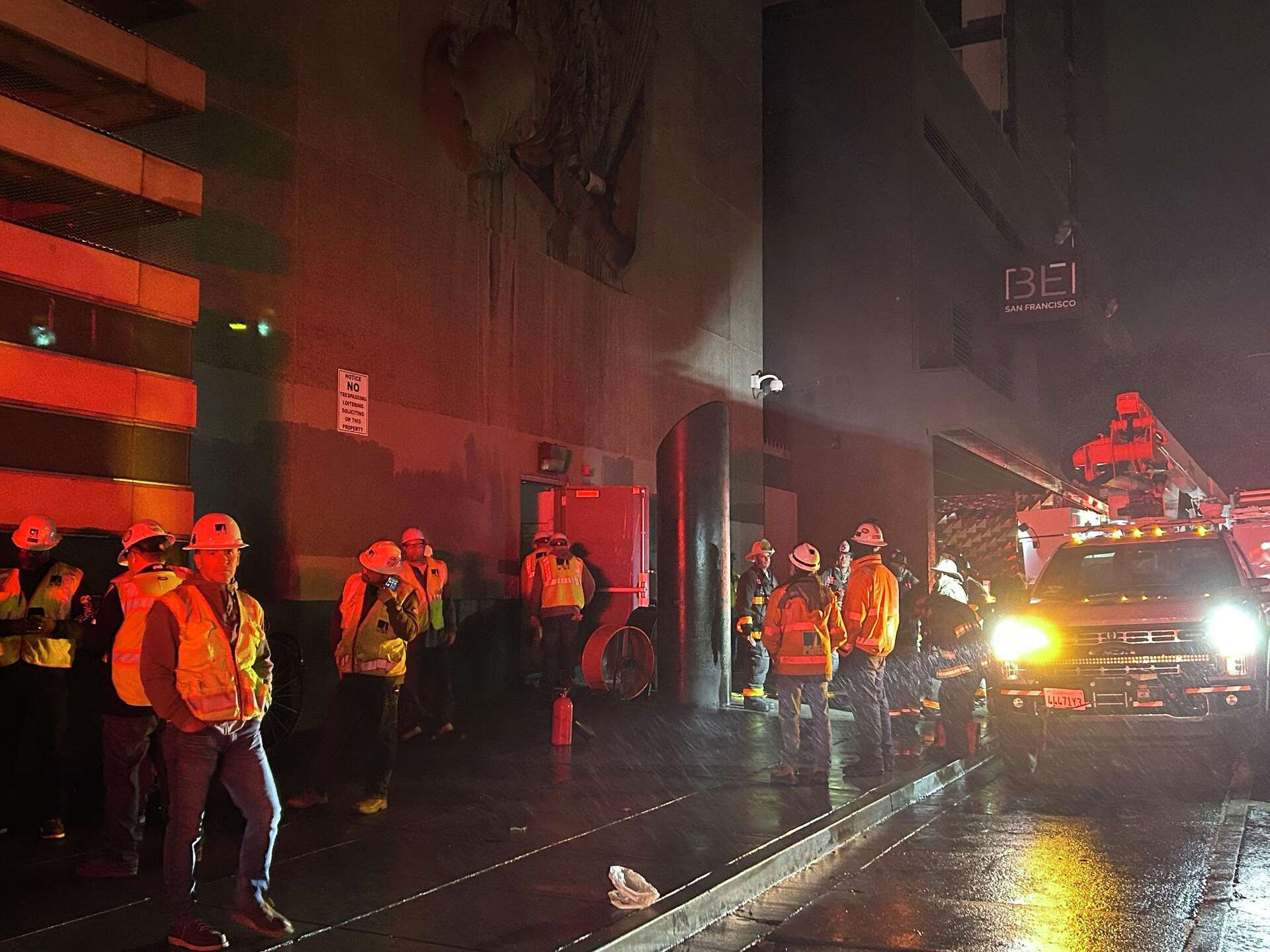
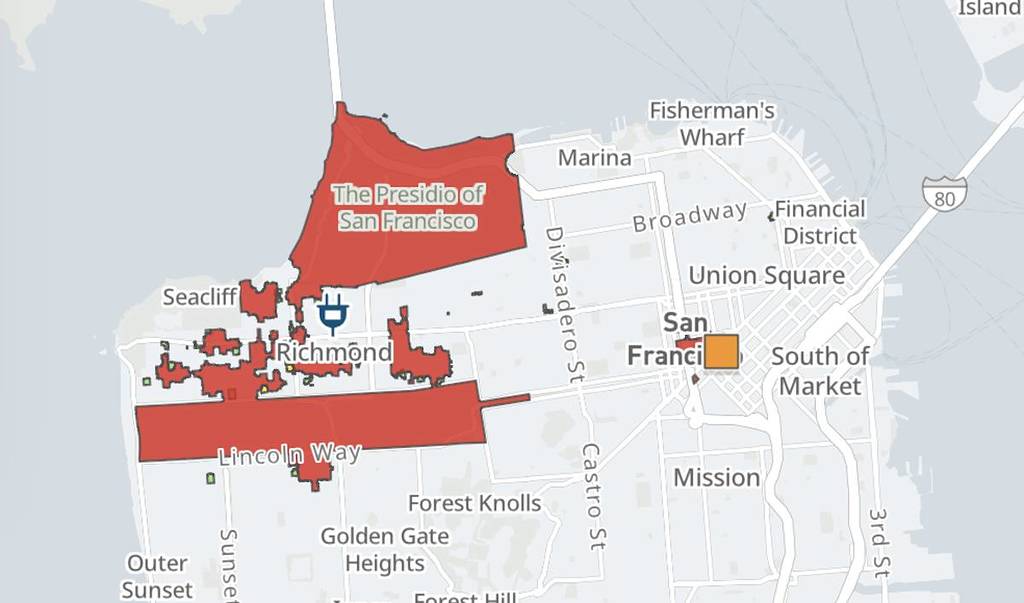
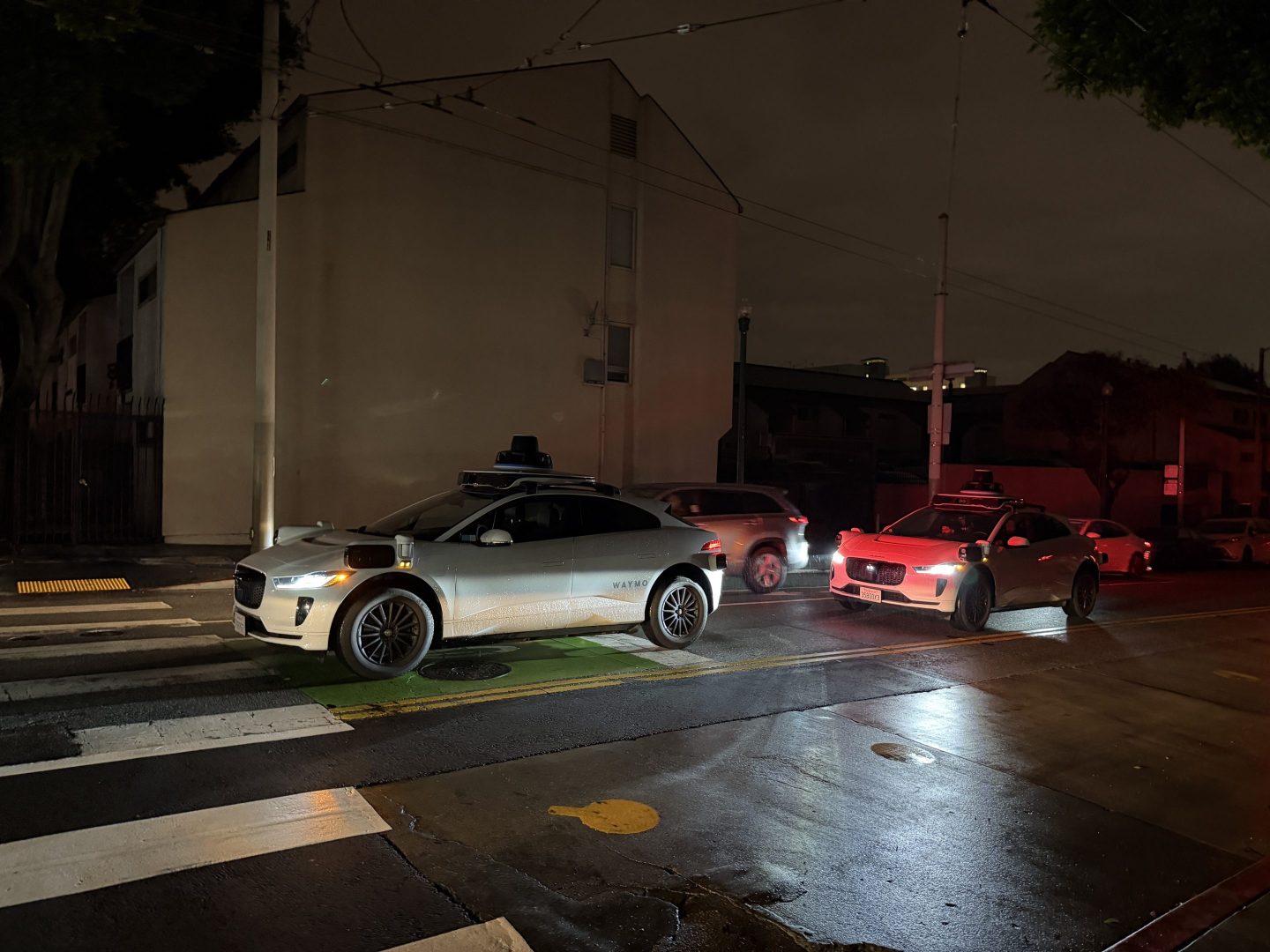
Operational Complexity Unveiled: When a Pacific Gas & Electric substation fire triggered a widespread power outage affecting 120,000 customers, Waymo's autonomous fleet demonstrated both impressive adaptability and inherent vulnerabilities. Despite the infrastructure disruption, the company managed to complete the majority of active trips, with vehicles programmed to treat non-functioning traffic signals as four-way stops. The leaked Tiger Global Management letter highlighting 450,000 weekly robotaxi rides—nearly double previous estimates—underscores the rapid scaling of autonomous transportation.
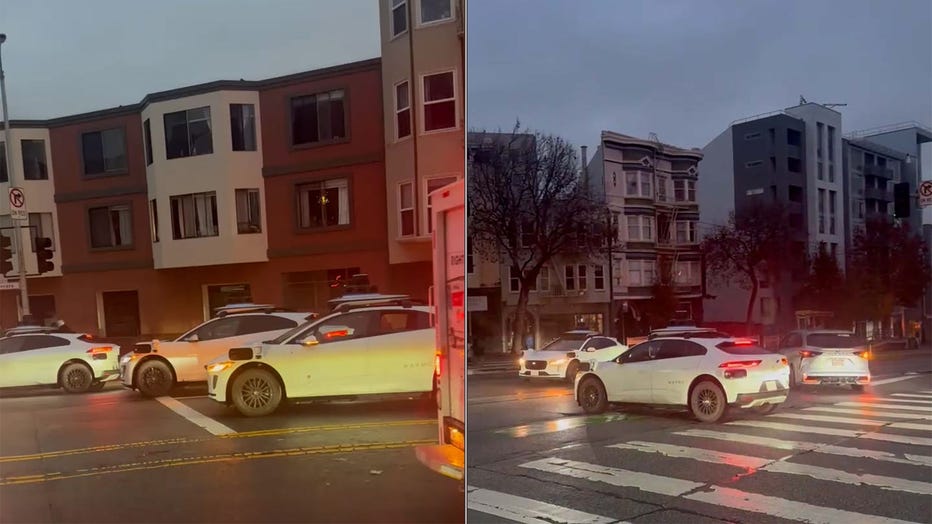
Infrastructure Interaction as the New Frontier: The blackout incident illuminates a critical challenge for self-driving technology: navigating unpredictable urban environments. Waymo's systems experienced longer-than-normal assessment times at intersections, revealing that autonomous vehicles must develop sophisticated decision-making protocols beyond standard operational scenarios. This isn't just a technical challenge, but a complex systems integration problem where artificial intelligence must interpret and respond to dynamic, potentially chaotic urban infrastructure failures.
Strategic Implications for Autonomous Mobility: The event signals a profound shift in how we conceptualize transportation technology. Autonomous vehicles are no longer theoretical innovations but practical mobility solutions being stress-tested in real-world conditions. The ability to resume service quickly after a major disruption demonstrates not just technological capability, but a strategic commitment to proving the reliability of self-driving systems.
For stakeholders in autonomous transportation, the key takeaway is clear: resilience, adaptability, and rapid response are becoming as critical as the core navigation technologies themselves. The future of mobility will be defined by systems that can gracefully handle unexpected scenarios, transforming potential points of failure into opportunities for demonstrating technological sophistication.
Questions 4
How did Waymo's autonomous vehicles respond during the San Francisco blackout?
Waymo's robotaxis were programmed to treat non-functioning traffic signals as four-way stops, allowing them to continue operating despite infrastructure disruption. While experiencing longer assessment times, the majority of active trips were successfully completed, demonstrating the system's adaptive capabilities.
What are the key challenges for autonomous vehicles in urban environments?
Autonomous vehicles must develop sophisticated decision-making protocols to navigate unpredictable urban infrastructure failures. This includes interpreting non-standard scenarios like power outages, handling complex intersection dynamics, and maintaining operational reliability under unexpected conditions.