

Texas A&M Volleyball Shatters Collegiate Dynasties with Breakthrough National Championship
- Emerging program disrupts traditional volleyball power structures through strategic innovation and team culture









Overview
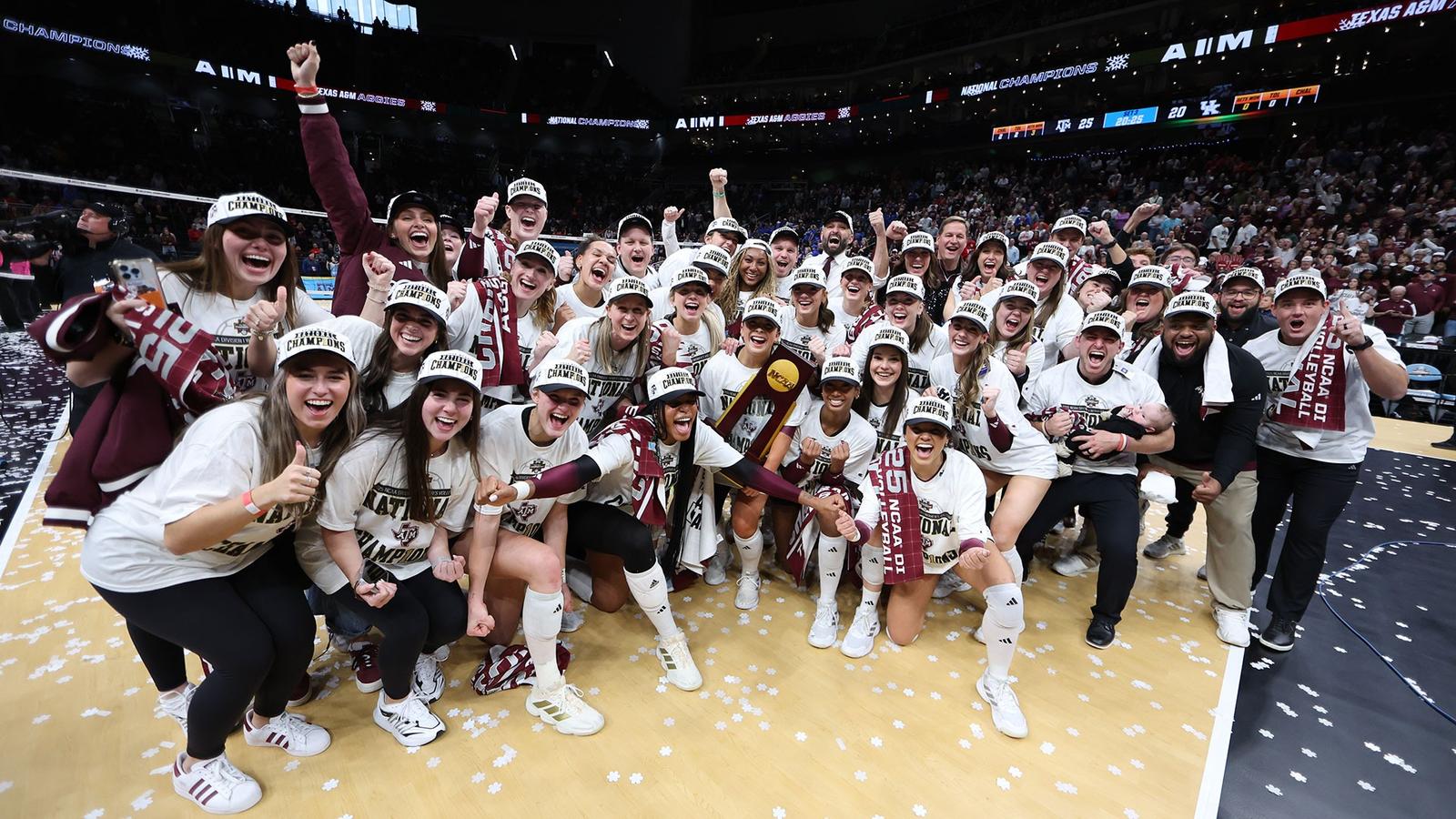
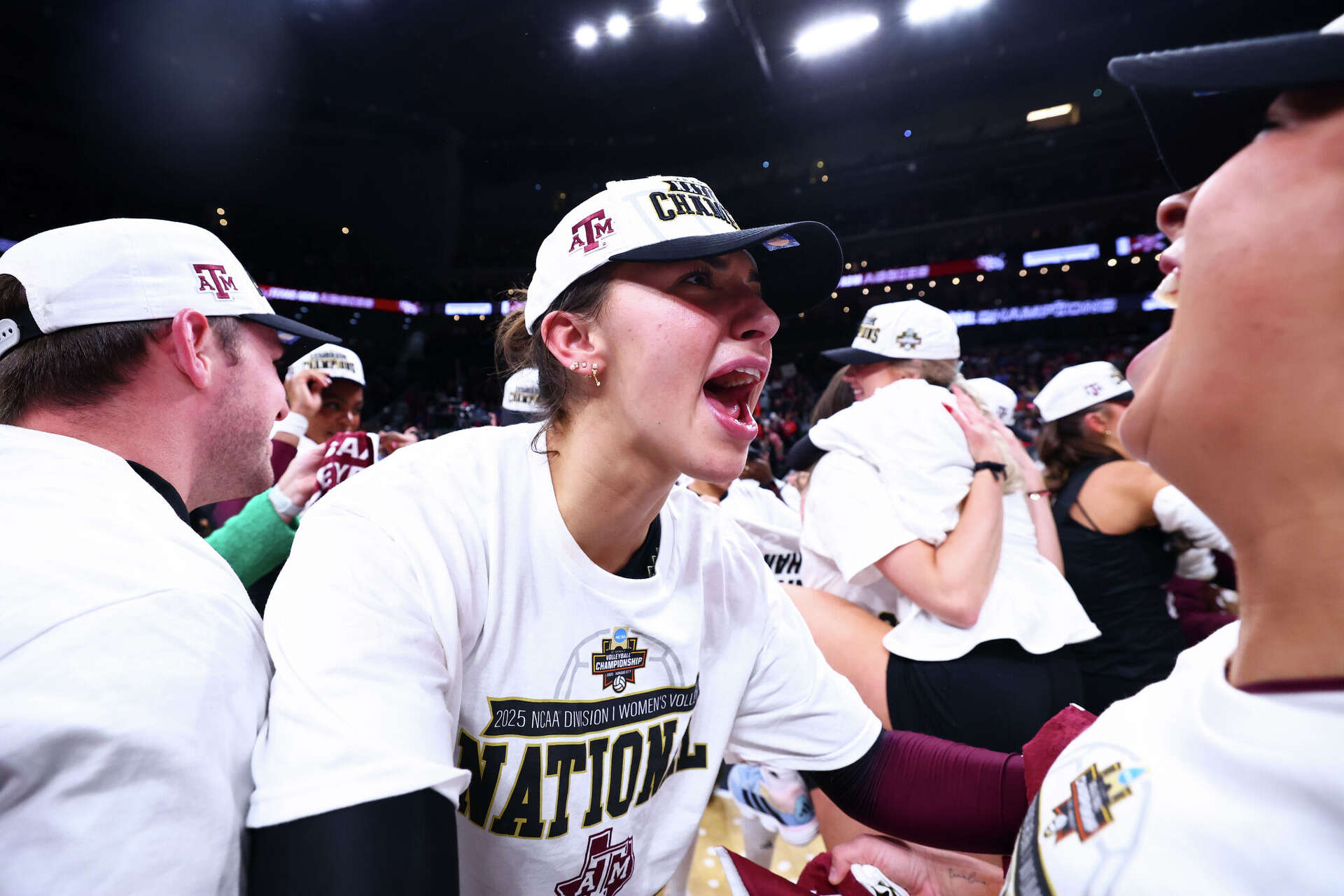
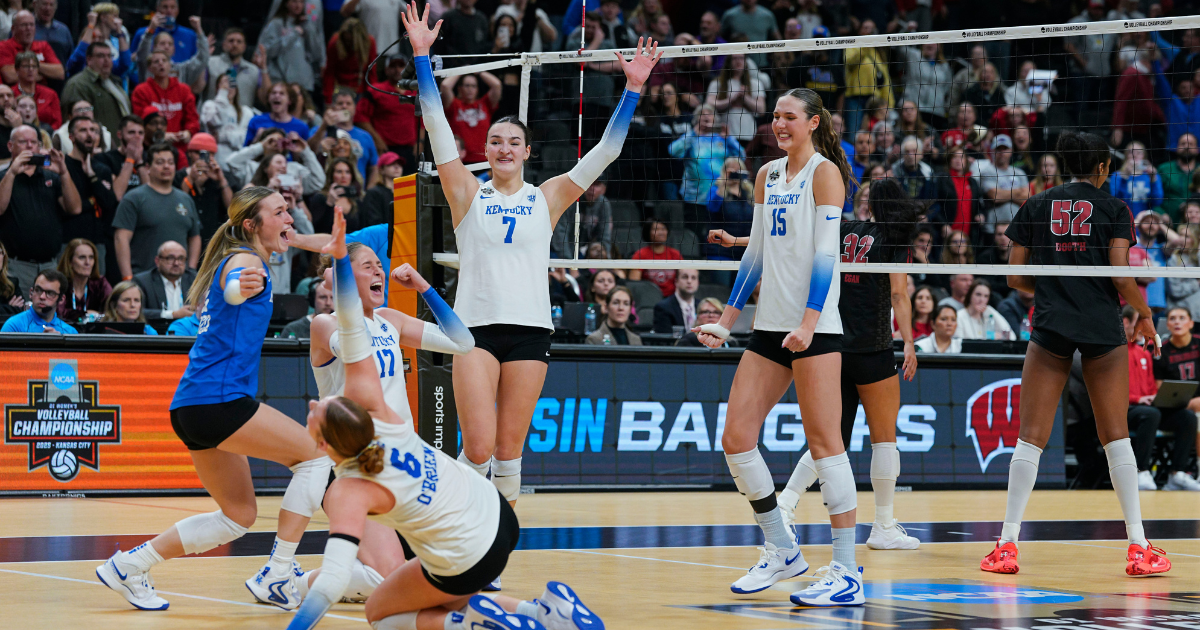
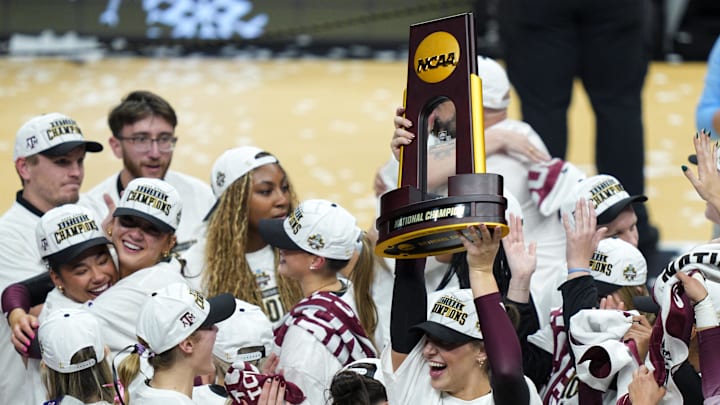
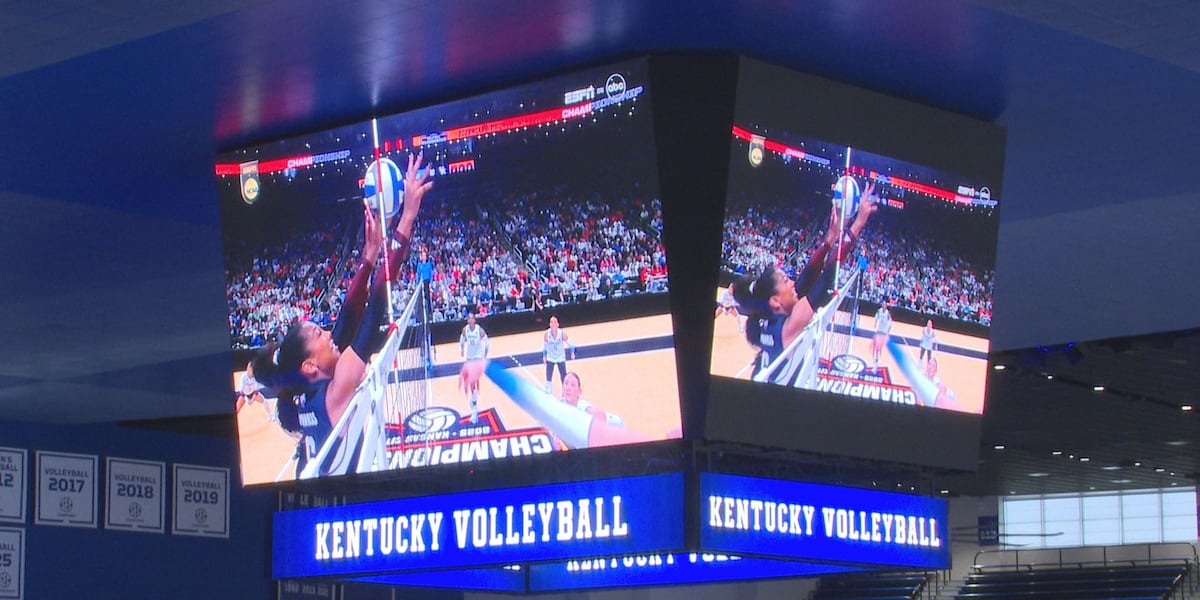
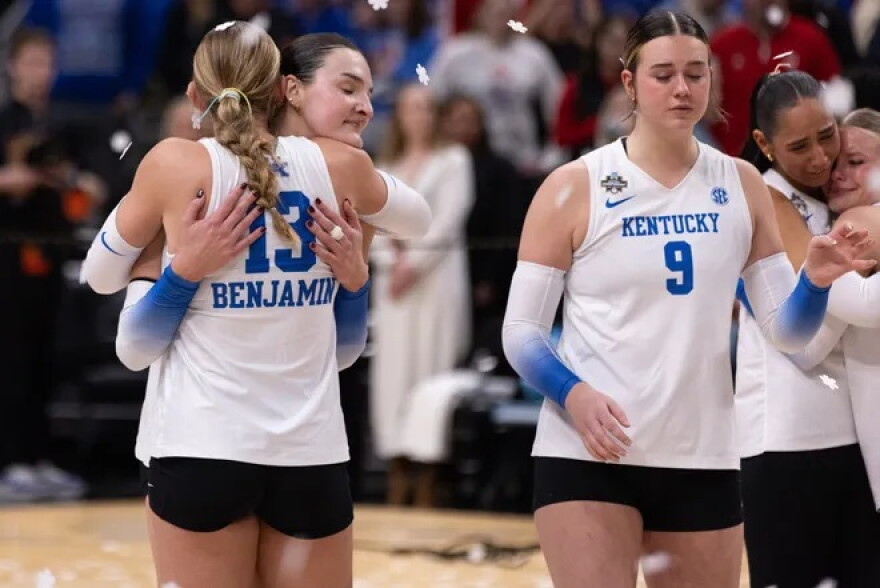
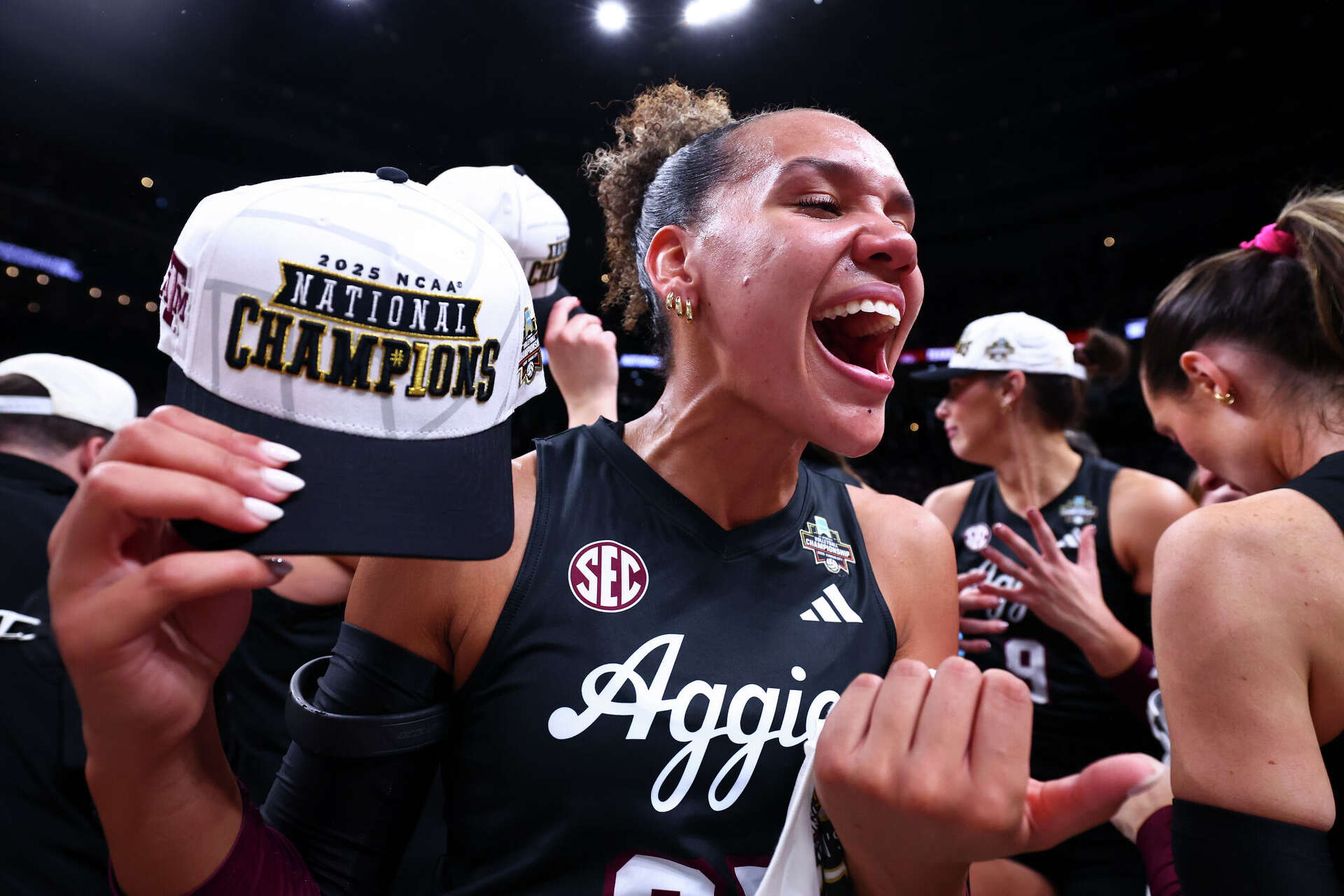
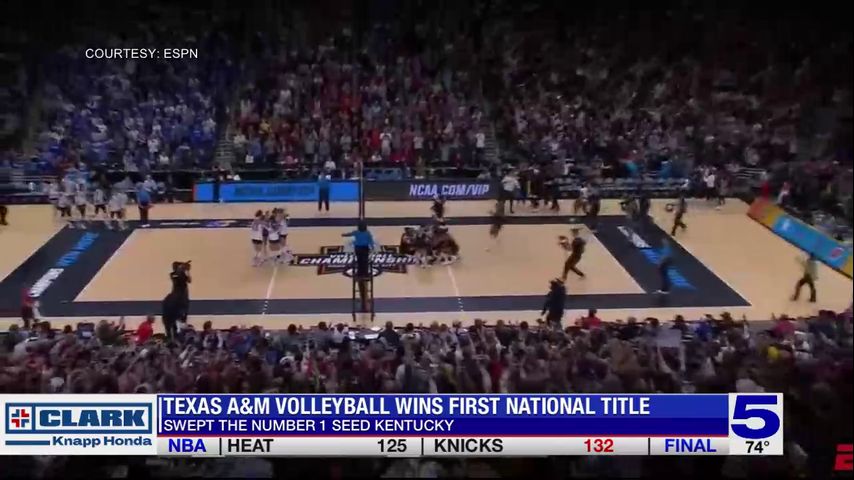
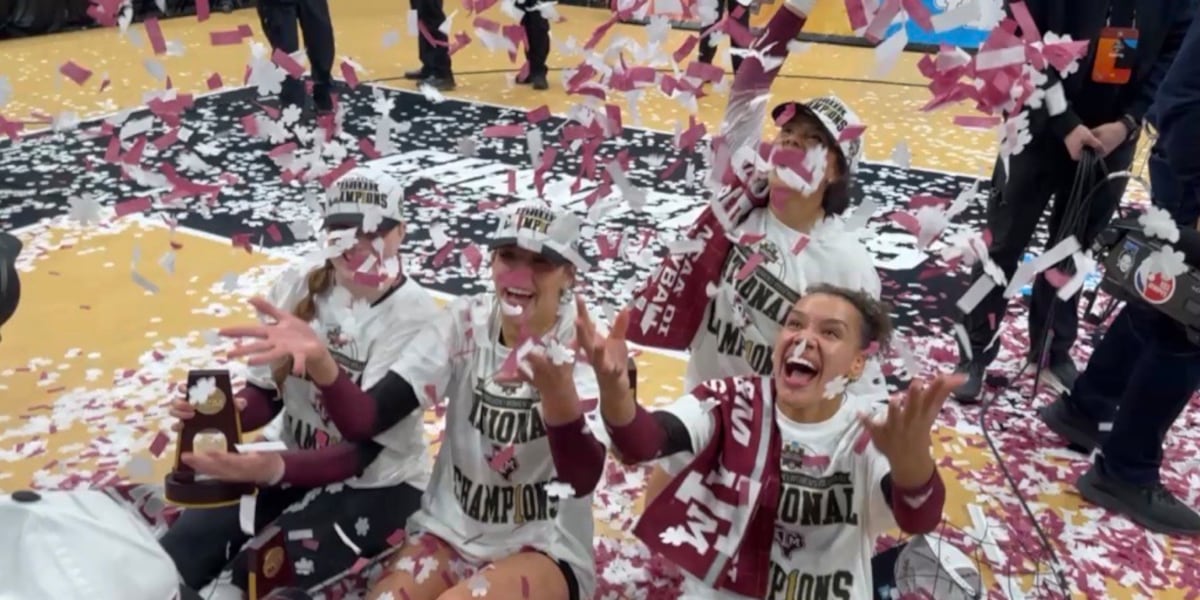
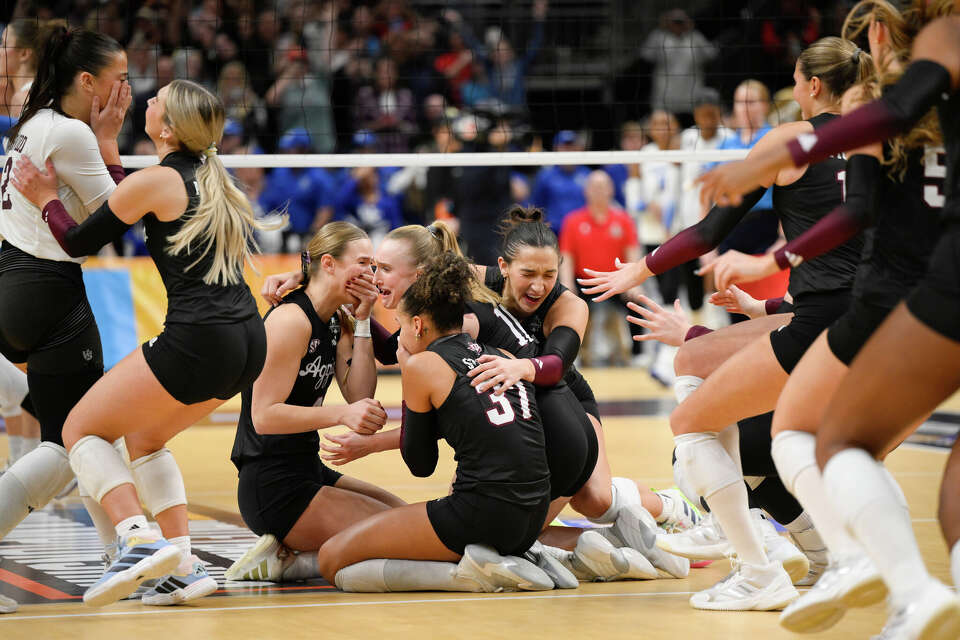
In a stunning display of athletic prowess and strategic transformation, the Texas A&M volleyball program has dramatically reshaped the landscape of collegiate women's volleyball by clinching its first national championship. The Aggies' decisive 3-0 victory against the top-seeded Kentucky Wildcats represents more than just a singular triumph—it signals a fundamental shift in competitive dynamics within collegiate athletics.
The championship victory is particularly remarkable for its comprehensive nature. Coach Jamie Morrison has engineered a breakthrough that goes beyond a single tournament win, positioning Texas A&M as an emerging force capable of challenging long-established volleyball powerhouses. For nearly 16 years, programs like Stanford, Penn State, Nebraska, and Texas dominated the national stage. Now, the Aggies have shattered those traditional hierarchies through a combination of strategic recruitment, innovative team development, and a culture of relentless commitment.
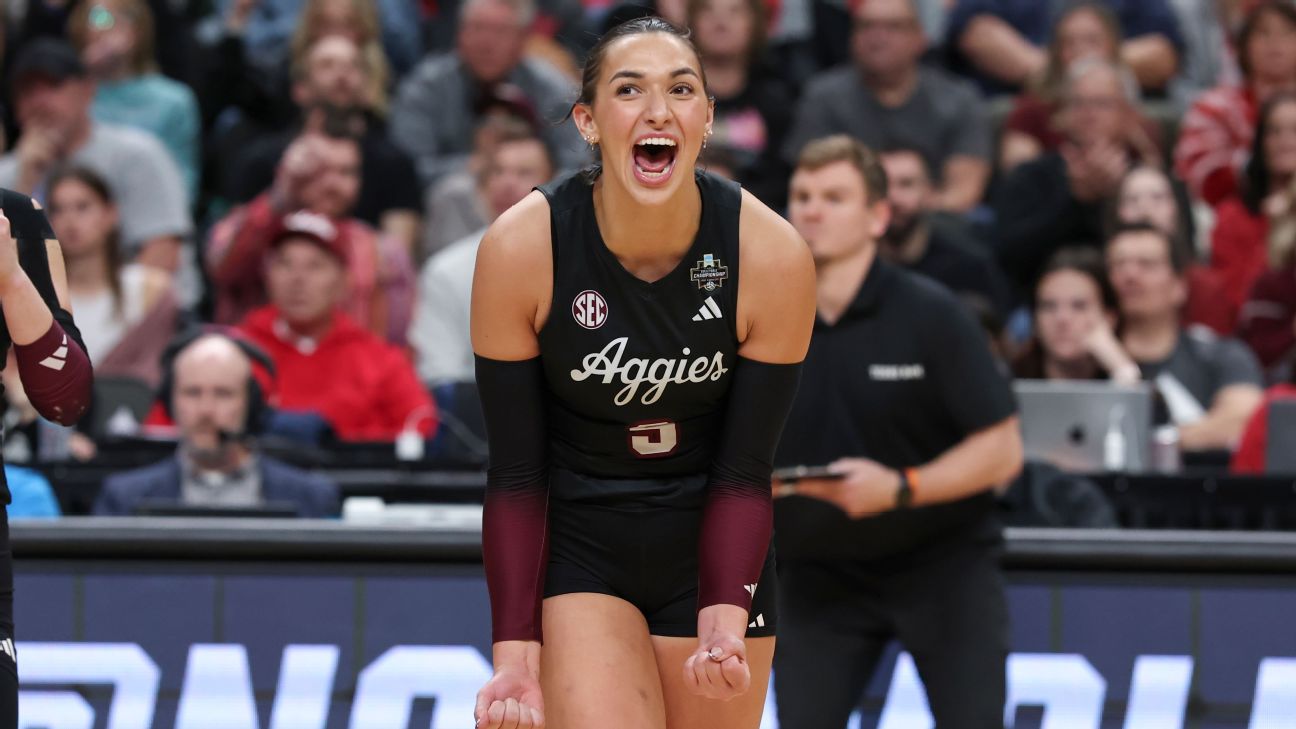
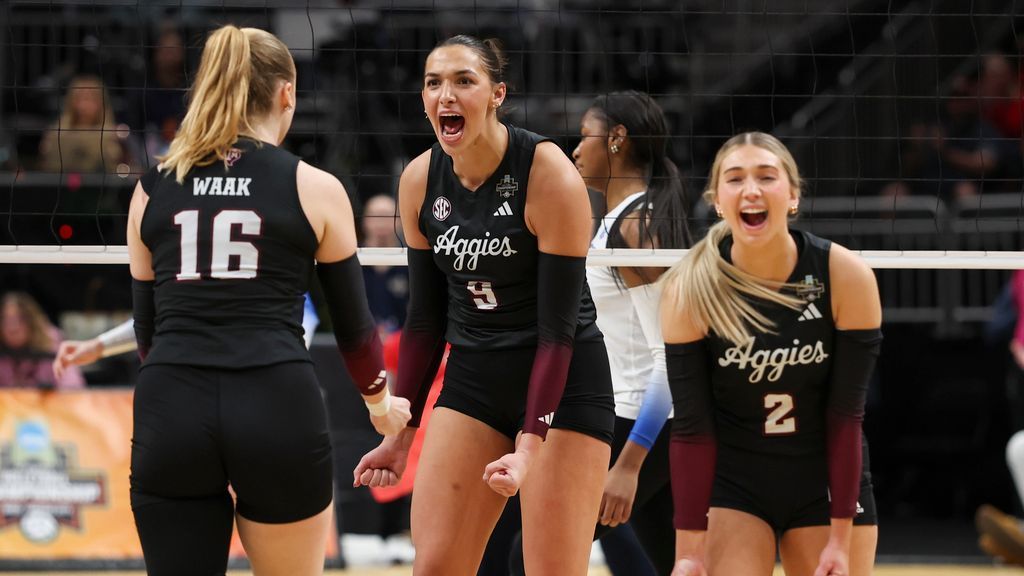
Key to their success was an exceptional performance that forced Kentucky to its lowest hitting percentage of the season at .148. Players like Logan Lednicky (11 kills) and Kyndal Stowers (10 kills, Most Outstanding Player) demonstrated not just individual brilliance, but a collective approach that systematically dismantled their opponents. The team's strategic depth was evident in how they overcame initial challenges, using strong service pressure and precise offensive execution to control the match's momentum.
Looking forward, the program's potential appears even more promising. Despite losing nine senior players, including several All-American athletes, Coach Morrison remains confident in the team's ability to recruit, develop talent, and maintain competitive excellence. The championship is viewed not as a culmination, but as the beginning of a sustained competitive strategy. With six sophomores and one senior expected to form the core of the 2026 team, Texas A&M is positioning itself for continued success through a long-term developmental approach.
This victory transcends a single sporting achievement—it represents a blueprint for how emerging programs can challenge established athletic dynasties through strategic vision, cultural cohesion, and unwavering commitment to continuous improvement.
Questions 3
What makes this championship significant beyond the immediate victory?
The win represents a potential paradigm shift in collegiate volleyball, showing that emerging programs can successfully challenge long-standing dynasties through strategic development, talent cultivation, and a forward-looking approach to team building.
How did Texas A&M overcome traditional volleyball powerhouses?
Through a combination of strategic recruitment, innovative coaching by Jamie Morrison, and a team culture focused on continuous improvement. They defeated three No. 1 seeds, demonstrating their ability to systematically challenge established programs through skill, preparation, and collective team performance.