


Wrestling Rivalries Reveal Strategic Performance Dynamics in Collegiate Athletics
- Competitive Matchups Highlight Recruitment, Coaching, and Institutional Resilience



Overview
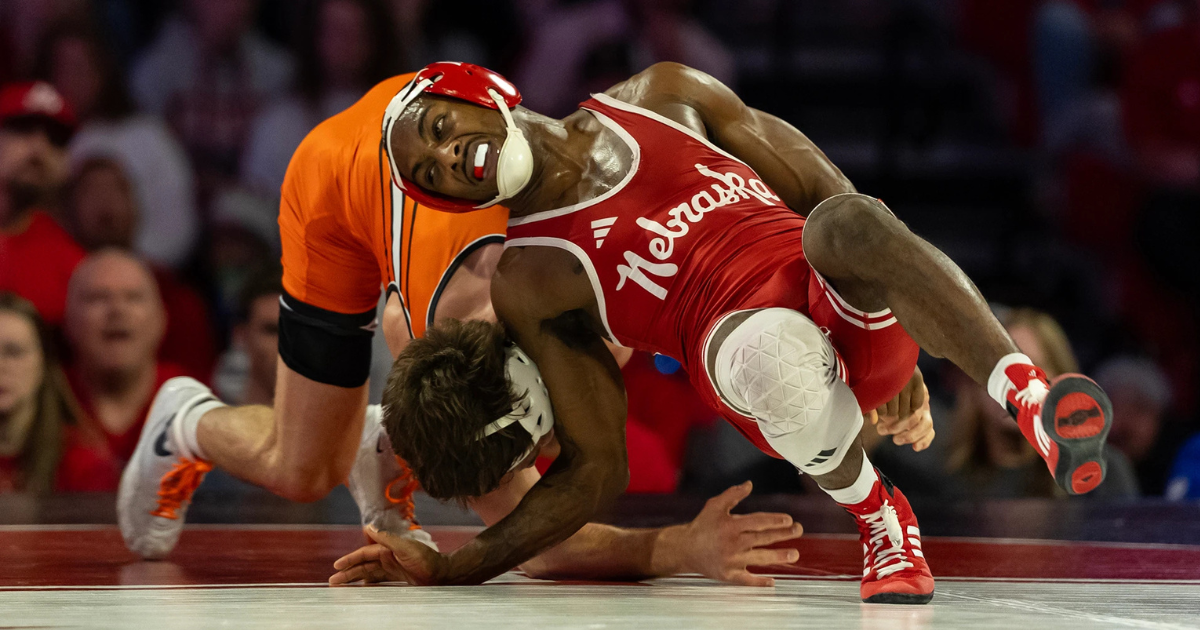
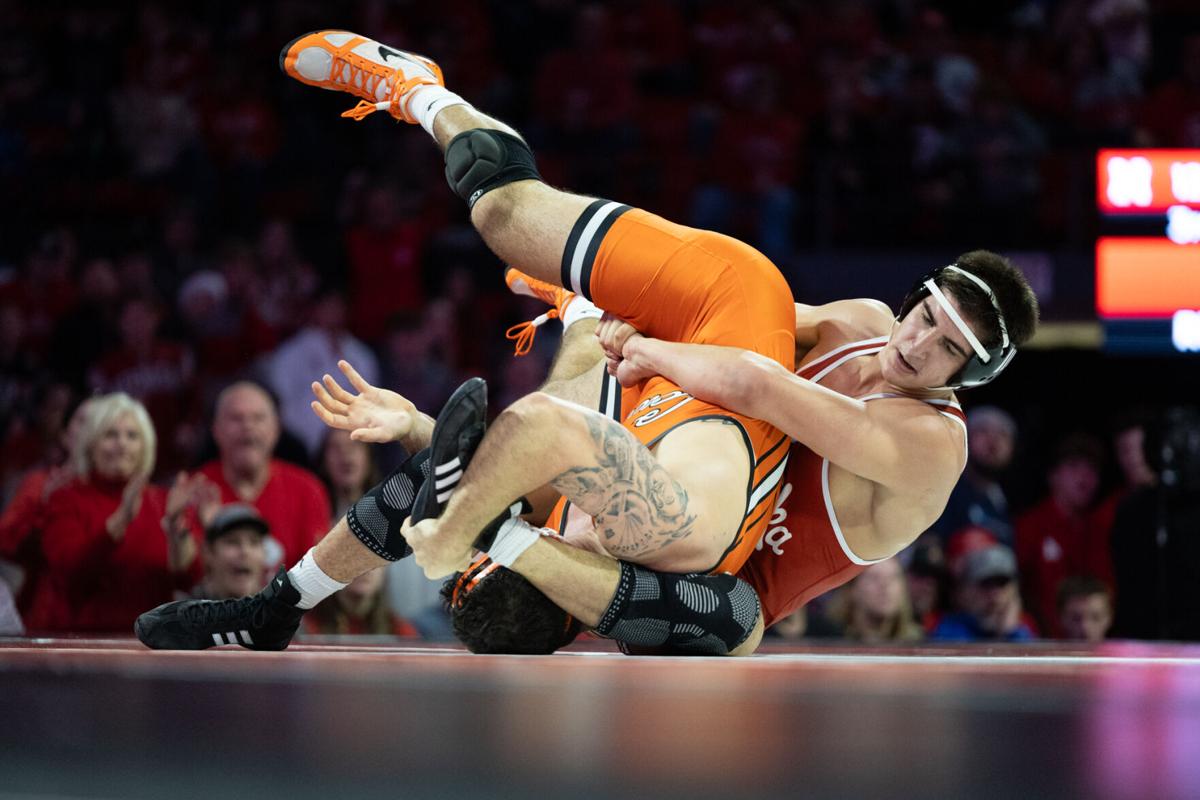
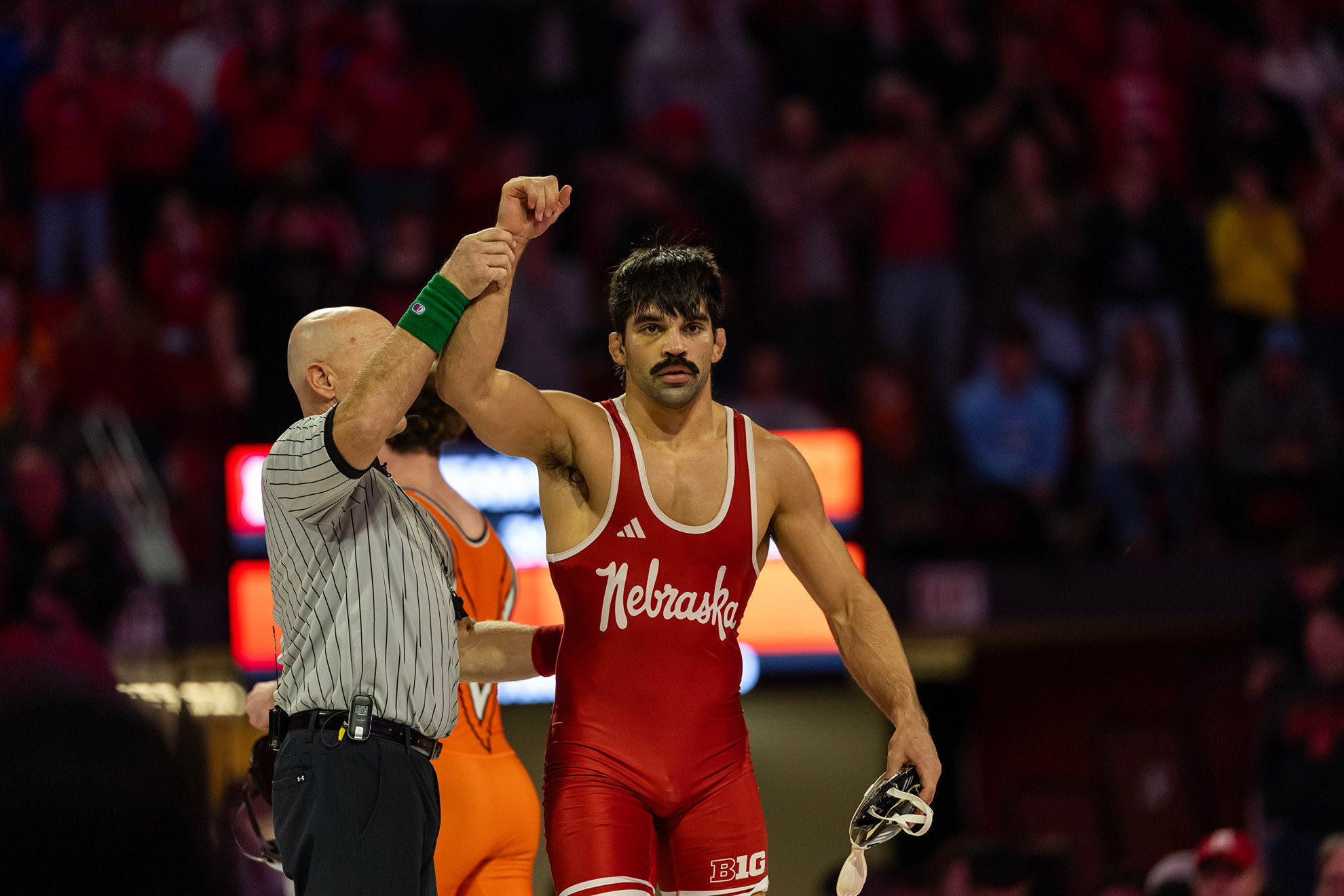
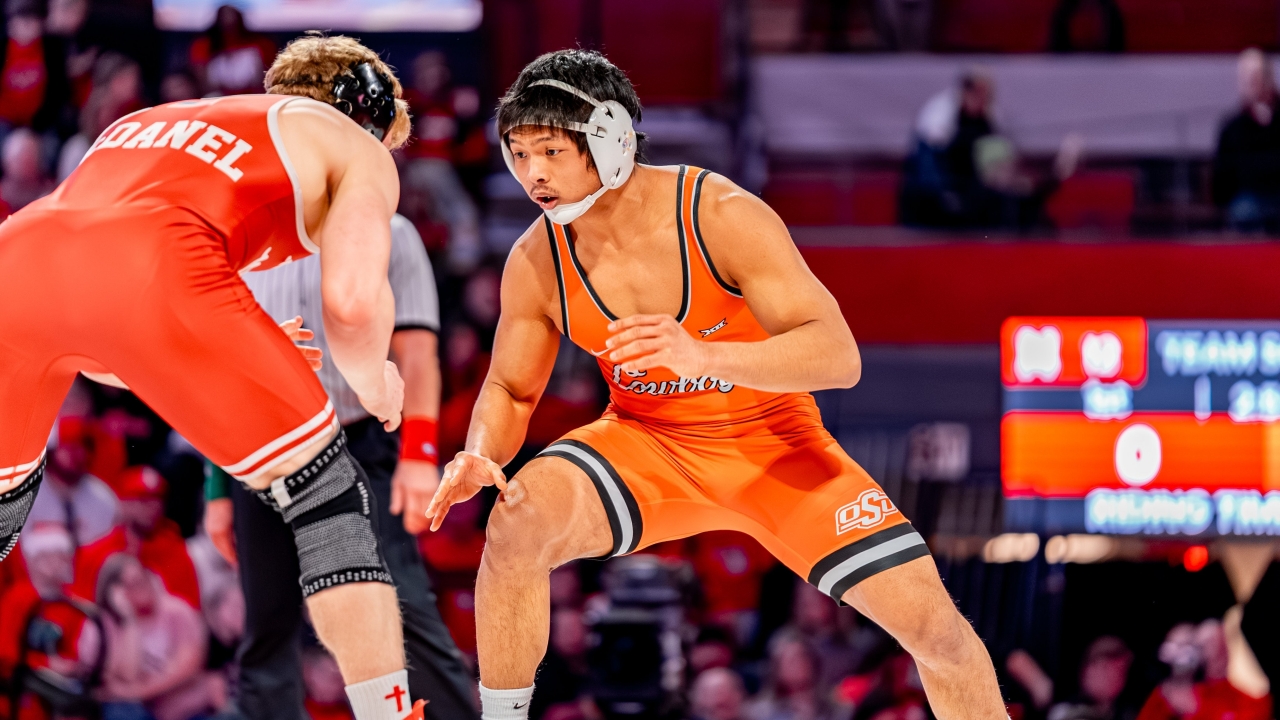
In the high-stakes world of collegiate wrestling, the ongoing rivalry between Nebraska and Oklahoma State offers a compelling narrative of strategic performance and institutional dynamics. The recent wrestling dual between these two powerhouse programs reveals far more than just athletic competition—it illuminates the intricate mechanisms of talent development, coaching strategy, and institutional resilience.
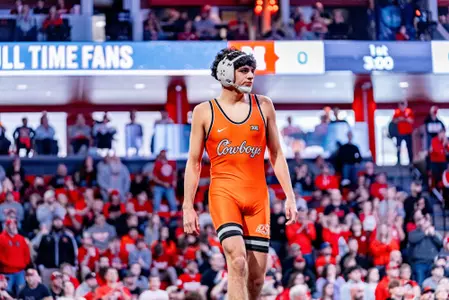
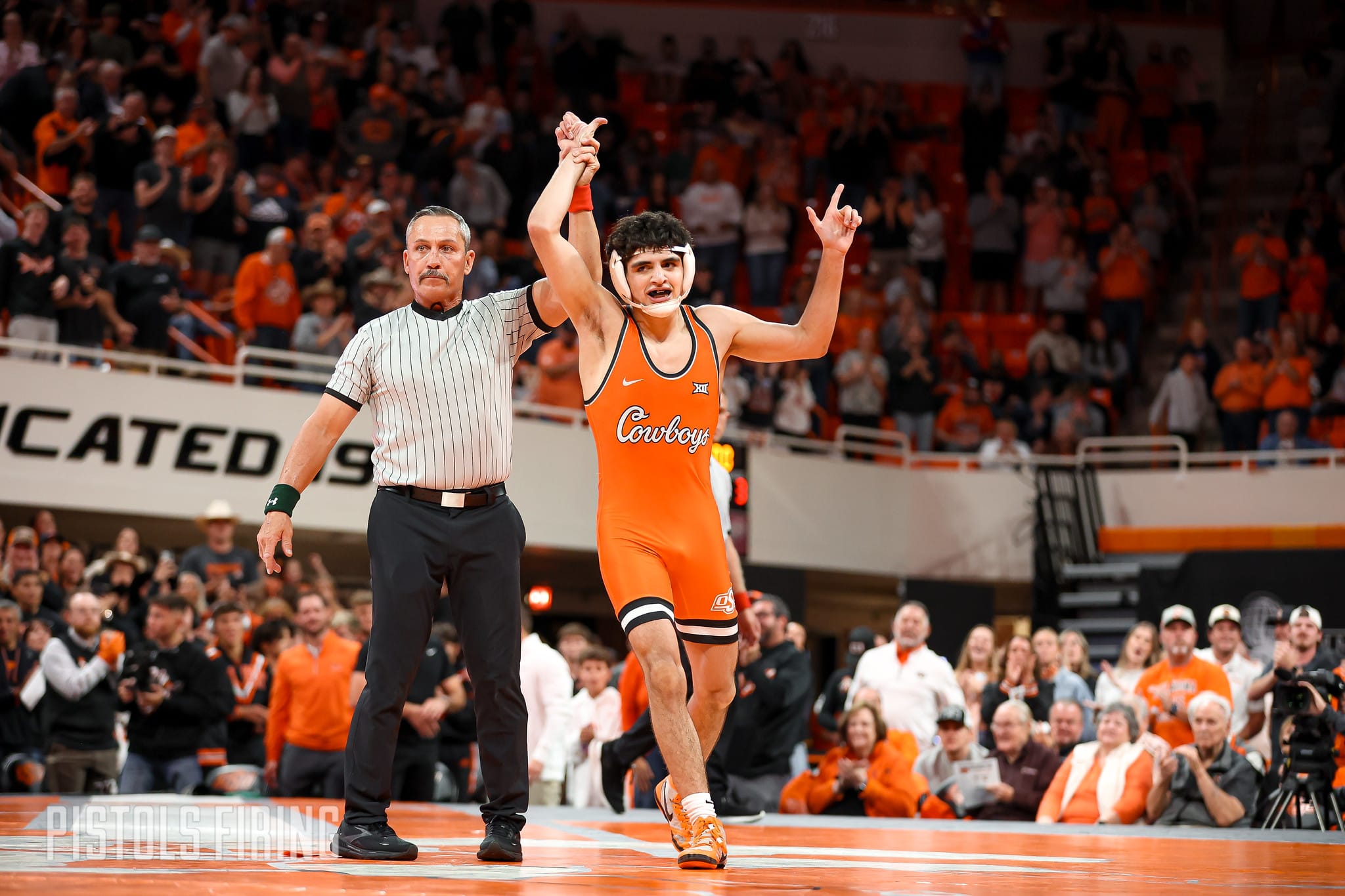
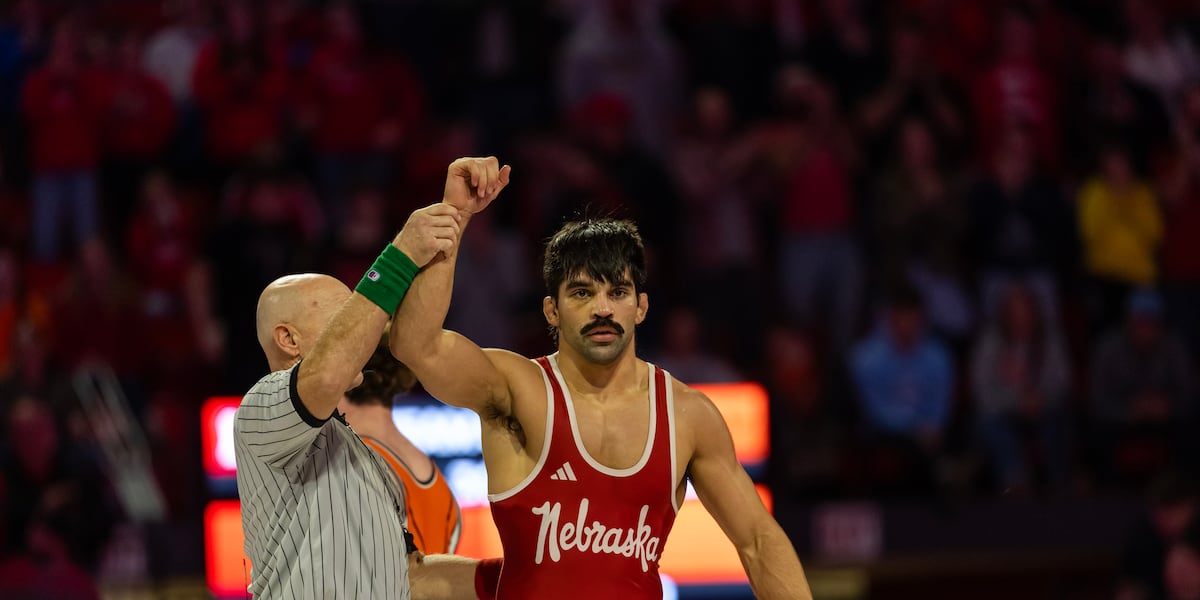
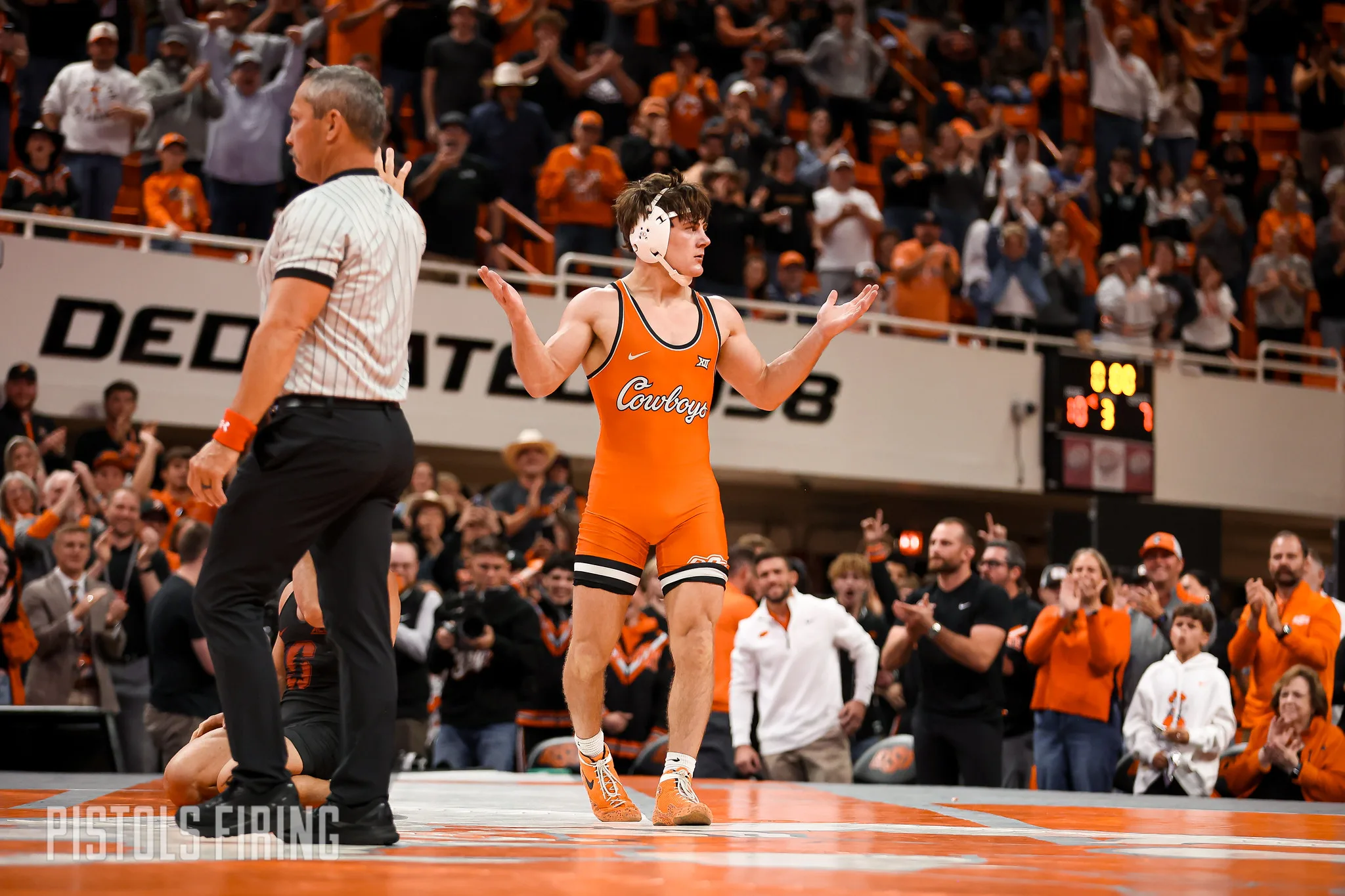
The Oklahoma State Cowboys, led by coach David Taylor, demonstrate a masterclass in strategic team building. With an impressive historical record of 52-4-1 against Nebraska and a recent 33-6 victory at the National Duals Invitational, the team exemplifies systematic excellence. Their second-ranked recruiting class, featuring eight wrestlers ranked in FloWrestling's Top 100, underscores a deliberate approach to talent acquisition and development. This isn't just about winning matches; it's about creating a sustainable pipeline of athletic talent.
The upcoming dual at the Devaney Sports Center becomes a microcosm of broader competitive strategies. Key matchups like Sergio Vega versus Brock Hardy at 141 pounds represent more than individual contests—they symbolize the nuanced chess match of collegiate athletics. Despite Nebraska's sixth national ranking, Oklahoma State's consistent dominance suggests a deeper institutional advantage. Coach David Taylor's first season has already brought renewed energy, demonstrating how leadership can rapidly transform a program's trajectory.
The record crowd and intense interest in this match highlight the cultural significance of collegiate wrestling. It's not merely a sport, but a complex ecosystem of talent development, institutional pride, and strategic competition. Each match represents an opportunity for athletes to showcase individual brilliance while contributing to a larger team narrative.
Ultimately, this rivalry transcends the wrestling mat. It's a testament to the power of strategic recruitment, coaching innovation, and institutional commitment to athletic excellence. The ability to integrate transfers, develop young talent, and maintain a competitive edge speaks to the sophisticated management required in modern collegiate sports.
Questions 3
What makes the Oklahoma State wrestling program unique?
Oklahoma State's program stands out through strategic recruitment, featuring a second-ranked recruiting class with eight wrestlers in FloWrestling's Top 100. Under Coach David Taylor's leadership, they've achieved a 13-1 dual record, won a Big 12 title, and successfully integrated transfers and freshmen into competitive positions.
What role does coaching play in collegiate wrestling success?
Coaching is crucial in collegiate wrestling. David Taylor's first season demonstrates how leadership can rapidly transform a program, bringing renewed energy and strategic vision. Effective coaches manage talent recruitment, develop individual wrestlers, and create a cohesive team culture that extends beyond individual match outcomes.