


Kansas State's Strategic Coaching Rebuild Signals Deeper Talent Networking Playbook
- Emerging talent recruitment strategy reshapes collegiate sports management ecosystem










Overview
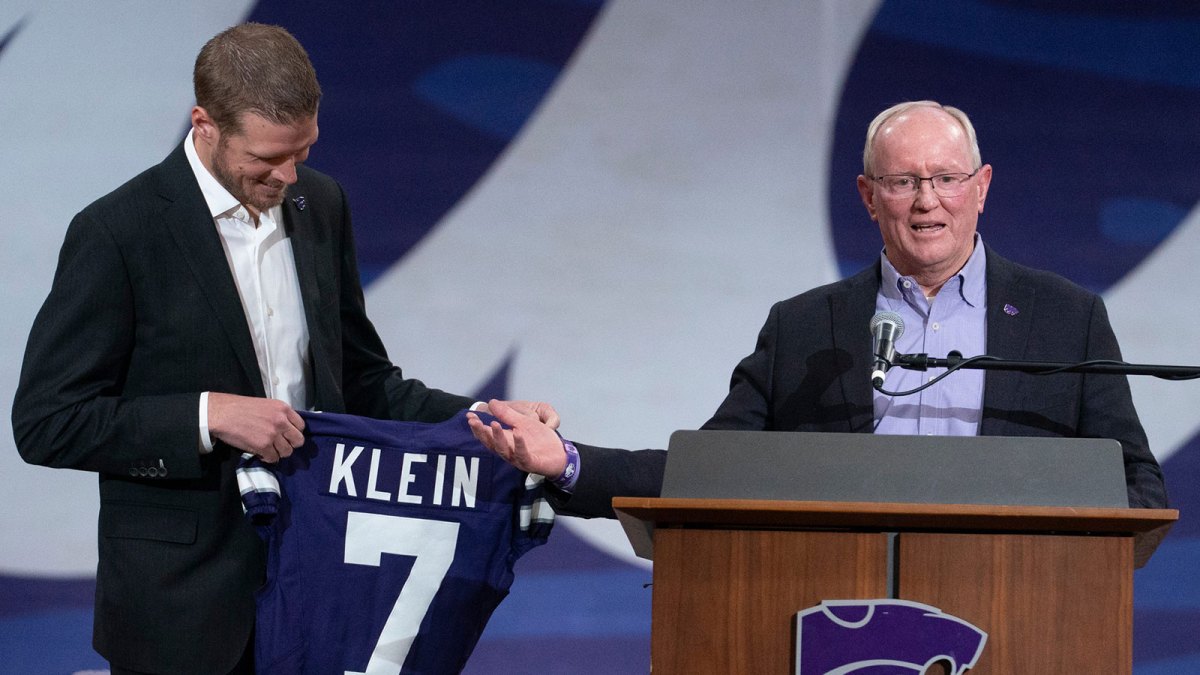
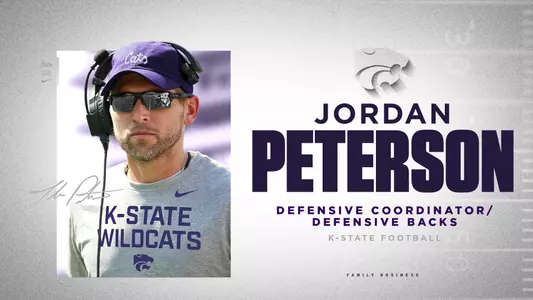
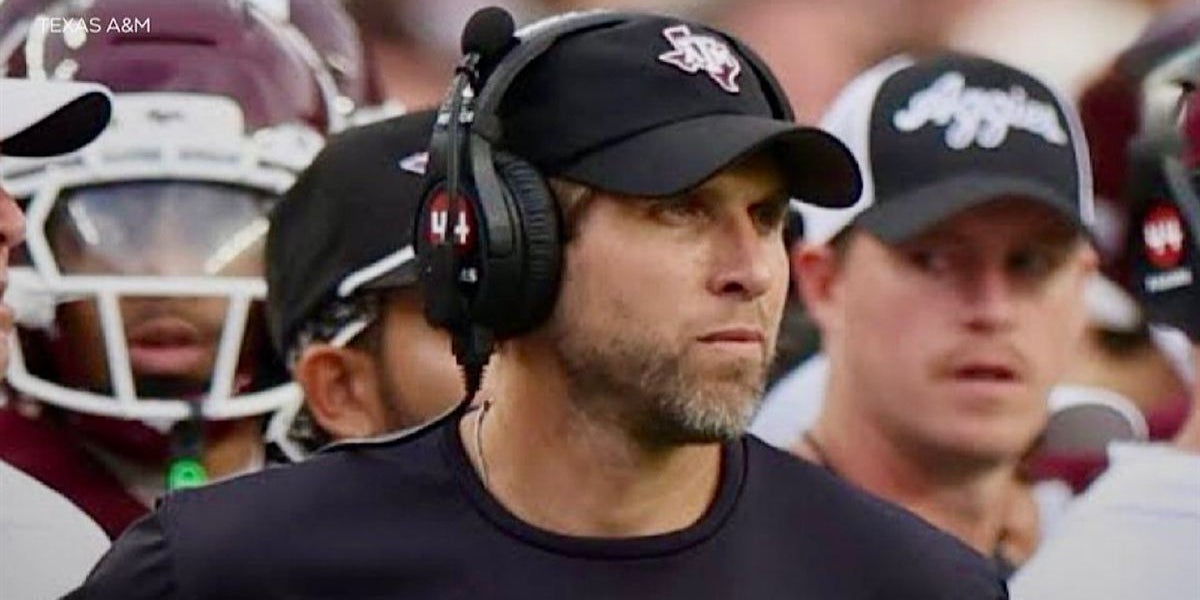
In a nuanced demonstration of modern sports talent management, Kansas State University is redefining its coaching strategy through strategic personnel decisions that transcend traditional recruitment approaches. The recent hiring of Jordan Peterson as Defensive Coordinator and Christian Ellsworth's return as quarterbacks coach reveals a sophisticated talent networking model that prioritizes proven relationships and institutional knowledge.
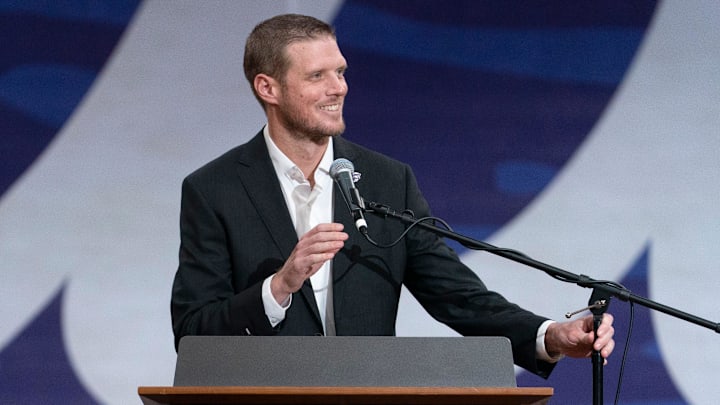
Relationship-Driven Talent Acquisition emerges as the core strategic theme. Coach Collin Klein is systematically assembling a coaching staff built on pre-existing professional connections, with both Peterson and Ellsworth representing carefully cultivated talent pools. Peterson's impressive defensive credentials—guiding Texas A&M to an 11-2 record and a College Football Playoff appearance—showcase the value of bringing proven performers into new environments. His track record includes leading the nation in critical defensive metrics like third-down defense (22.9%) and ranking second in sacks (3.31 per game), indicating a data-driven approach to talent selection.
The Professional Network as Strategic Asset becomes particularly evident through Ellsworth's career trajectory. Having worked with Klein since 2016 and progressing through roles at multiple institutions, Ellsworth represents a new breed of coaching talent—mobile, adaptable, and deeply connected across collegiate football ecosystems. His progression from player to graduate assistant to quarterback coach demonstrates a deliberate career development strategy that values institutional knowledge and interpersonal dynamics.
This approach signals a profound shift in how collegiate sports programs conceptualize talent management. Rather than viewing coaching hires as transactional events, Kansas State is treating its coaching staff as an interconnected network where prior working relationships, shared strategic understanding, and proven performance metrics take precedence over traditional recruitment criteria.
The long-term implications are significant: by prioritizing coaches with deep institutional memory and proven collaborative histories, the university is likely to create a more stable, cohesive, and strategically aligned athletic program. This model suggests that in an increasingly competitive collegiate sports landscape, the quality of professional relationships may become as crucial as individual coaching credentials.
Questions 3
What makes Jordan Peterson's hiring strategically significant for Kansas State?
Peterson brings exceptional defensive credentials from Texas A&M, including leading the nation in third-down defense and ranking second in sacks. His proven track record of improving defensive performance and developing strong player relationships makes him a high-value addition to K-State's coaching staff.
How does Christian Ellsworth's career path demonstrate modern coaching talent development?
Ellsworth's progression from player to graduate assistant to quarterback coach illustrates a strategic career trajectory focused on continuous learning, institutional knowledge, and maintaining professional networks across multiple coaching environments.