



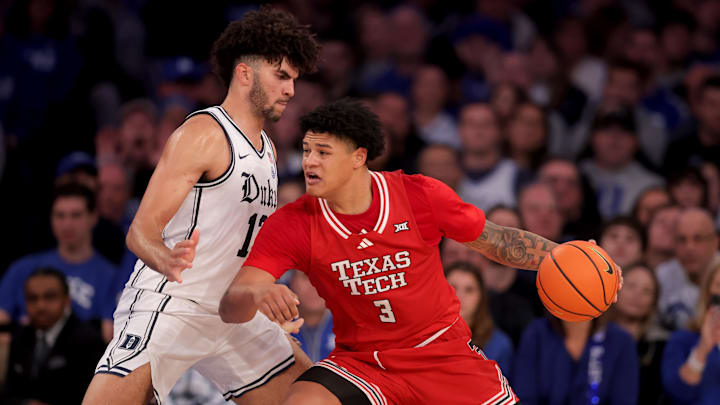
Underdog Triumph Reveals the Power of Resilience in High-Stakes Competitions
- A dramatic upset showcases strategic adaptability and mental toughness in competitive environments












Overview
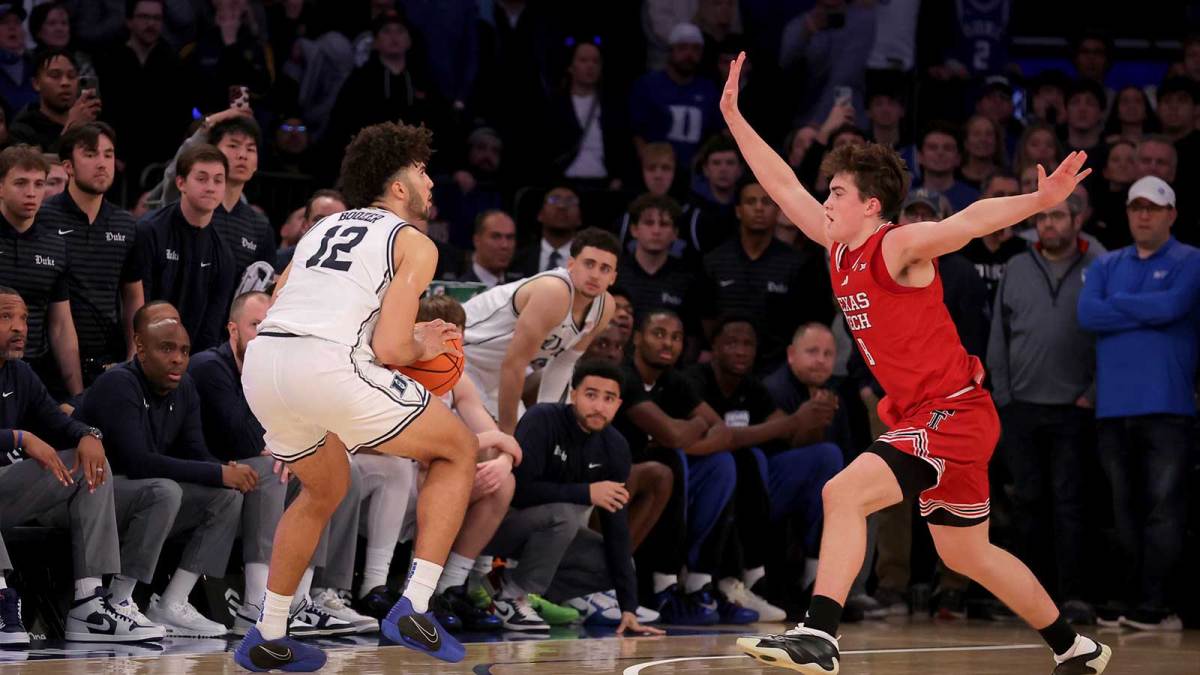
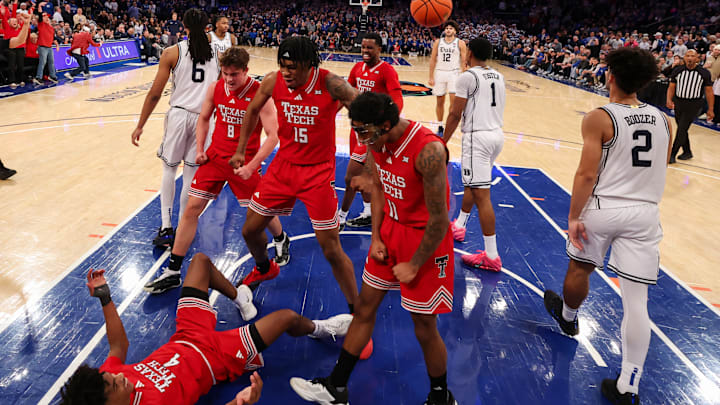
In a remarkable display of competitive spirit, the Texas Tech Red Raiders demonstrated how strategic resilience can overcome seemingly insurmountable challenges. The basketball game against Duke University serves as a powerful metaphor for navigating complex competitive landscapes, where initial disadvantages can be transformed into decisive victories.
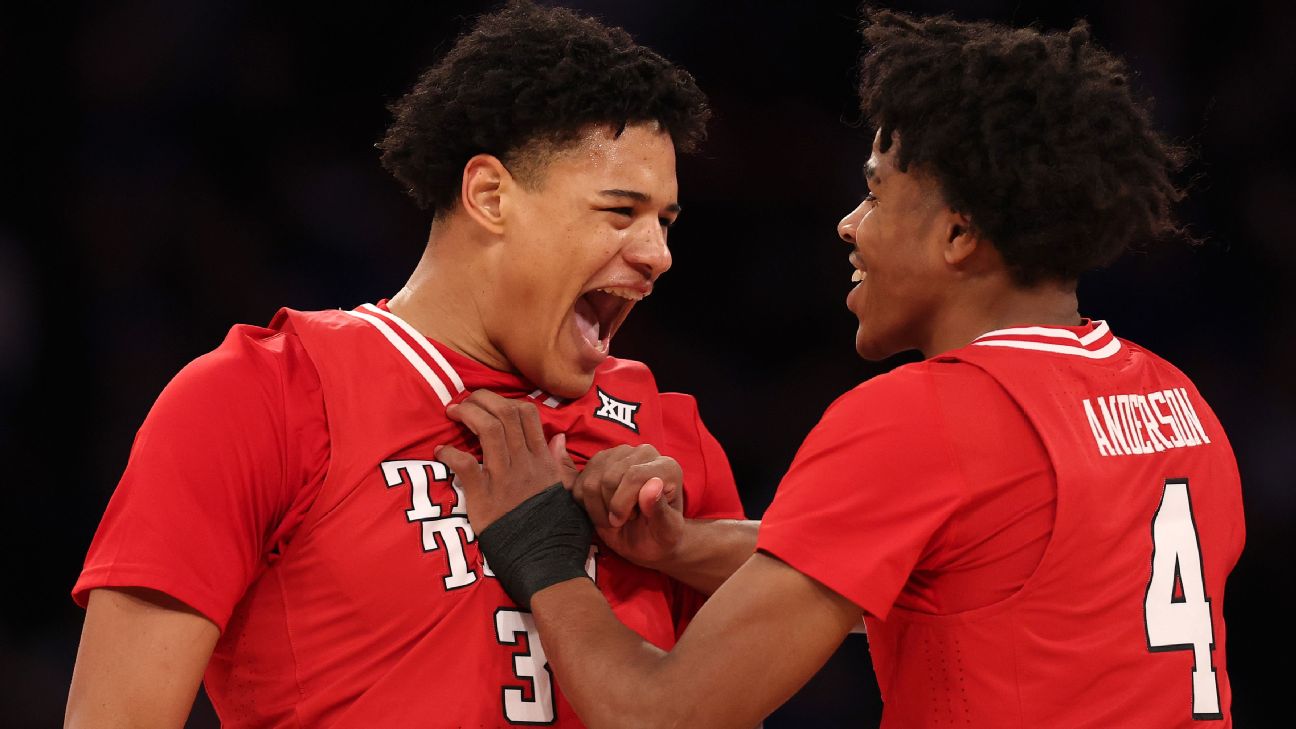
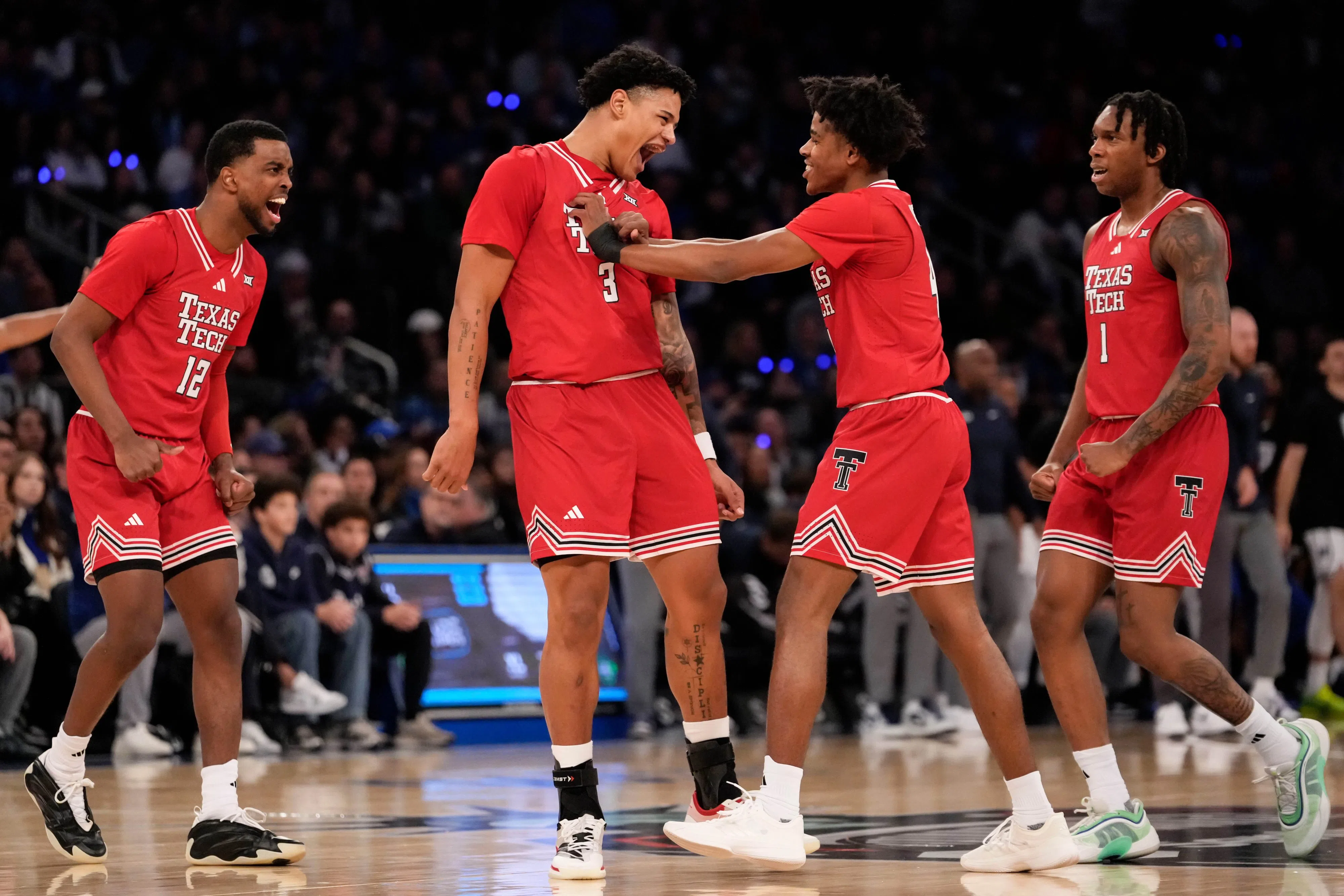
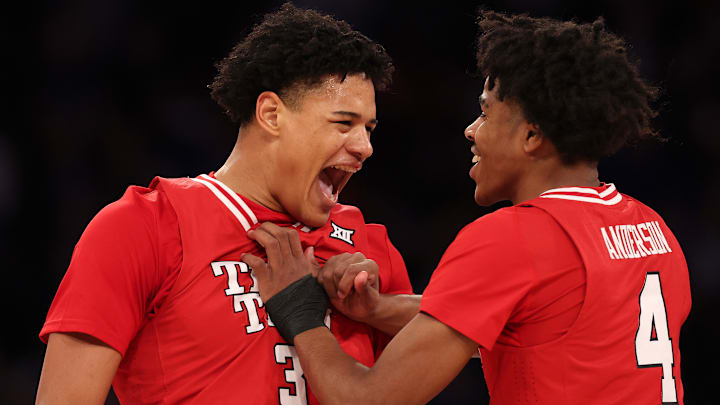
Comeback Dynamics reveal a critical strategic insight: success is not predetermined by initial conditions. Texas Tech's performance, rallying from a 17-point second-half deficit, illustrates the profound impact of adaptability and mental fortitude. Christian Anderson's pivotal 27-point performance, with 23 points scored in the second half, exemplifies how individual leadership can reshape collective outcomes. The team's ability to overcome injuries and foul trouble while maintaining competitive focus provides a compelling case study in organizational resilience.
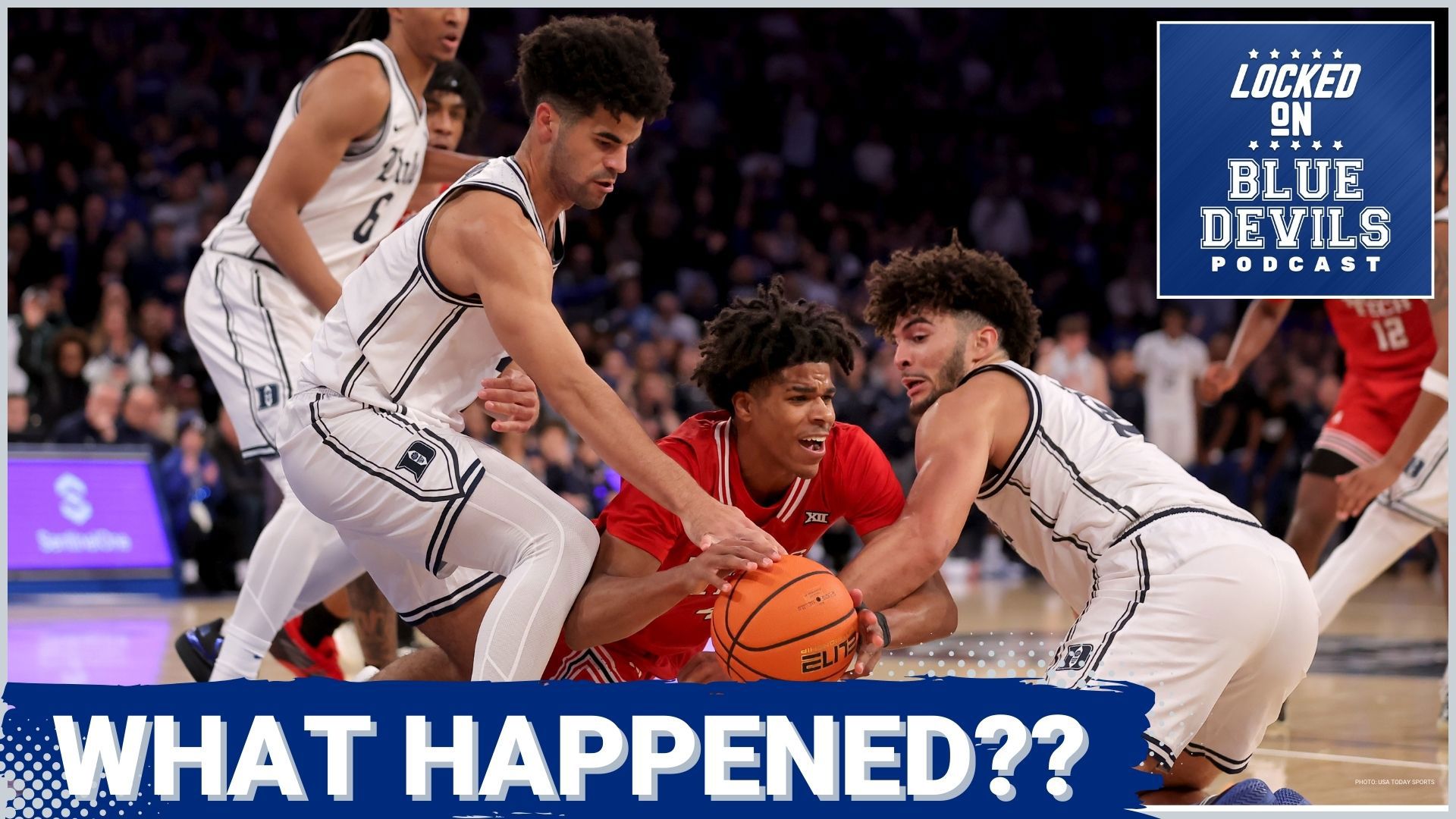
The statistical narrative is equally compelling. Duke's previously undefeated status was dismantled through a combination of Texas Tech's strategic adjustments and Duke's operational vulnerabilities—most notably their weak free throw performance (17 of 29, 58.6%). This breakdown highlights how technical execution can critically undermine even the most prestigious competitive positions. The victory's significance is underscored by its historical context: Texas Tech's first win against a top-five team since 2022, breaking a six-game losing streak against ranked opponents.
Beyond the immediate sporting context, this match represents a broader lesson in competitive strategy. Success emerges not from initial advantages, but from the capacity to recalibrate, persist, and transform challenges into opportunities. The Red Raiders' approach demonstrates that resilience is a dynamic capability—a strategic asset that can neutralize seemingly overwhelming odds.
Strategic implications extend far beyond the basketball court: organizations and individuals can learn that initial setbacks do not define ultimate outcomes. The ability to maintain focus, adapt tactically, and leverage individual strengths can transform potential defeat into a defining moment of triumph.
Questions 3
What broader lessons can be learned from this basketball game?
The match illustrates that success is not predetermined by initial conditions but by an organization's ability to adapt, persist, and transform challenges. It demonstrates how resilience, strategic thinking, and individual leadership can overcome seemingly insurmountable obstacles.
What made Texas Tech's victory against Duke so significant?
Texas Tech overcame a 17-point deficit, broke a six-game losing streak against ranked opponents, and achieved their first win against a top-five team since 2022. The victory demonstrated exceptional resilience, strategic adaptation, and individual leadership, particularly through Christian Anderson's 27-point performance.