





Nigeria's School Kidnapping Crisis: A Fragile Rescue Amid Systemic Security Breakdown
- Mass Child Abductions Expose Critical Vulnerabilities in Nigeria's National Security Infrastructure



















)









)





















Overview
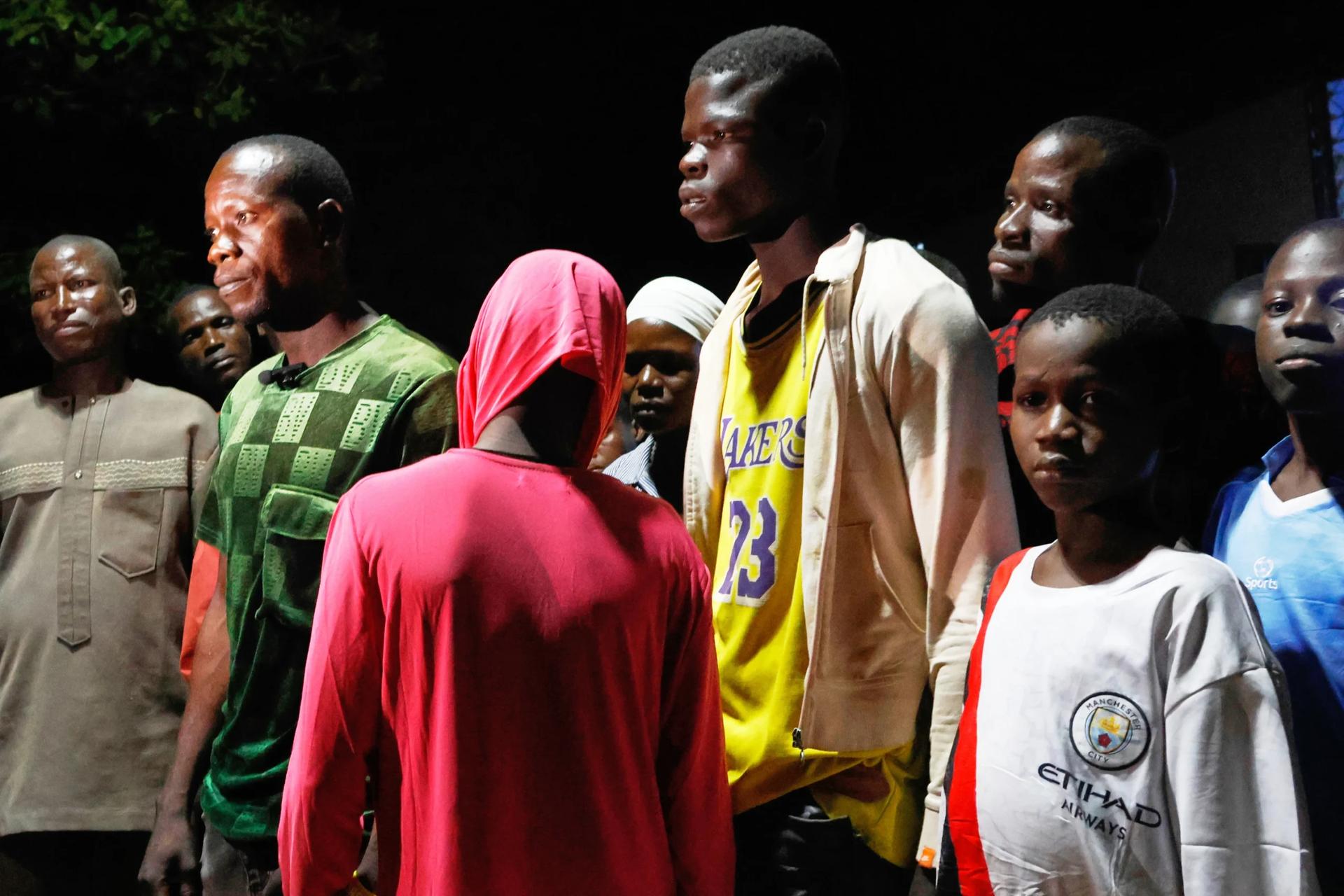
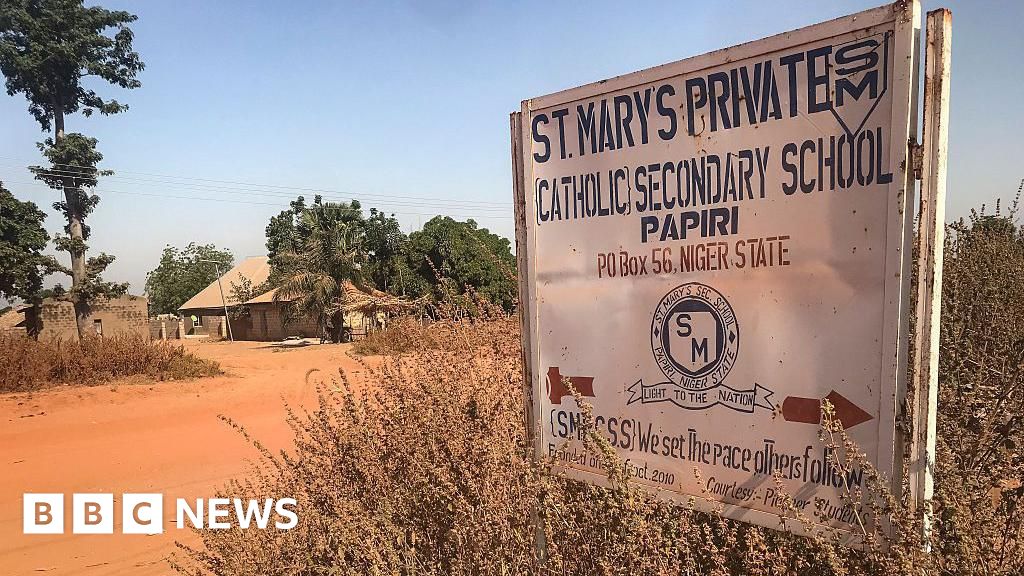
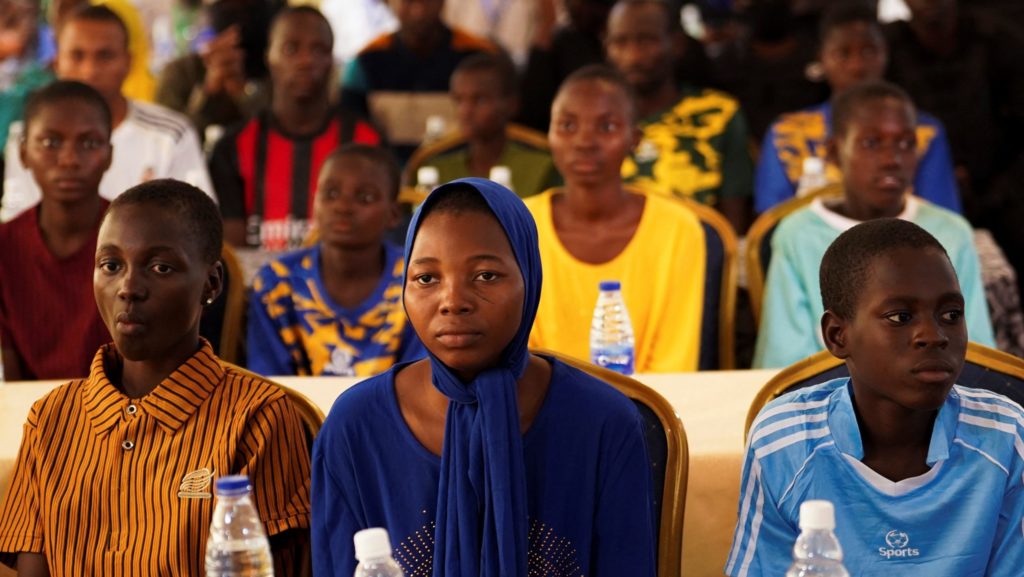
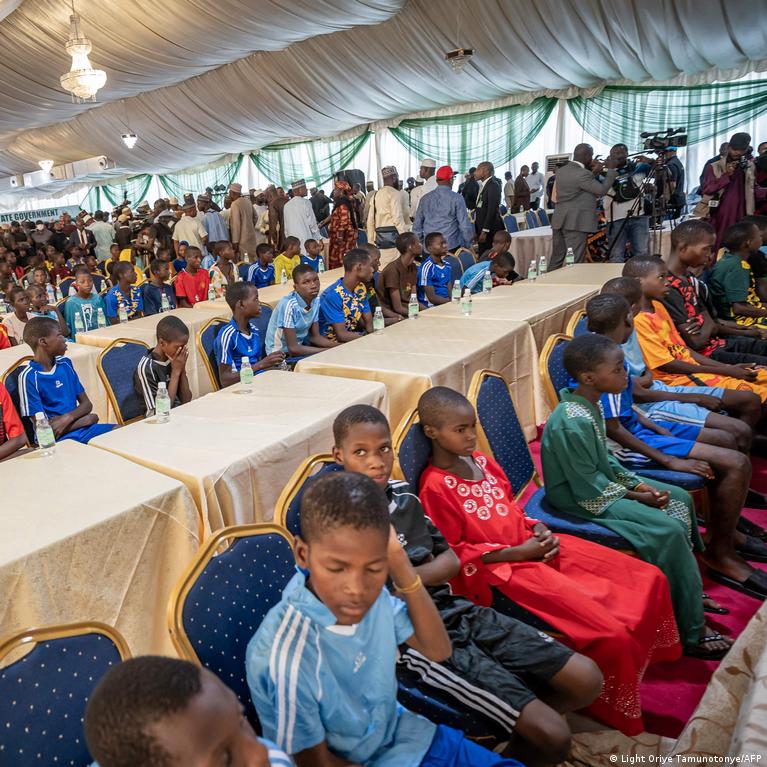
The mass kidnapping and subsequent release of 315 students from St. Mary's Catholic School in Papiri, Niger State, represents a microcosm of Nigeria's escalating security crisis. Systemic vulnerabilities have transformed educational institutions into high-risk targets, revealing a profound breakdown in national protection mechanisms.
Strategic Complexity: The incident exposes multiple layers of institutional fragility. While the Nigerian government proclaimed a "moment of triumph" with the children's release, the nuanced responses from the Catholic Diocese suggest underlying tensions. The kidnapping's resolution was not a straightforward rescue but a complex negotiation process involving multiple stakeholders—government officials, religious leaders, and potentially criminal intermediaries.
Demographic and Geographical Dynamics: The abduction targeted a diverse group of students, from four-year-old nursery children to older students, highlighting the indiscriminate nature of these security threats. Geographically concentrated in northwestern Nigeria, these kidnappings represent a strategic challenge that transcends simple law enforcement solutions. The region has become a hotspot for armed bandit activities, with criminal groups viewing school abductions as lucrative economic opportunities.
The broader context is even more alarming. In November alone, multiple groups—including schoolgirls, church worshippers, and farm workers—were kidnapped, indicating a systematic breakdown of social safety structures. The United States has already raised concerns about violence against religious communities, signaling potential international diplomatic complications.
Structural Implications: These mass kidnappings are not isolated incidents but symptomatic of deeper national security challenges. Nigeria, a country of 230 million people, faces complex security threats from multiple fronts: jihadist groups in the north-east, armed bandit gangs in the north-west, and inter-religious tensions. The successful release of the St. Mary's students offers a momentary respite but does not address the fundamental institutional weaknesses that enable such crimes.
Critically, the psychological and educational disruption caused by these abductions cannot be understated. Each kidnapping event traumatizes entire communities, undermines educational infrastructure, and erodes public trust in governmental protection mechanisms.
Questions 3
Why are schools becoming primary targets for kidnappings in Nigeria?
Schools represent soft targets with high psychological impact and potential for ransom. Criminal groups view these abductions as low-risk, high-reward operations that generate significant economic returns while destabilizing community structures. The lack of robust security infrastructure in many regions enables these systematic attacks.
What are the international implications of Nigeria's ongoing security crisis?
The persistent kidnappings have drawn international attention, particularly from the United States, which has raised concerns about violence against religious communities. These incidents risk transforming Nigeria's internal conflict into a potential diplomatic challenge, potentially attracting international intervention or humanitarian assistance.