



Southeast Asia's Powder Keg: Thailand-Cambodia Conflict Threatens Regional Stability
- Escalating Military Tensions Expose Fragile Geopolitical Dynamics Impacting Cross-Border Commerce







Overview
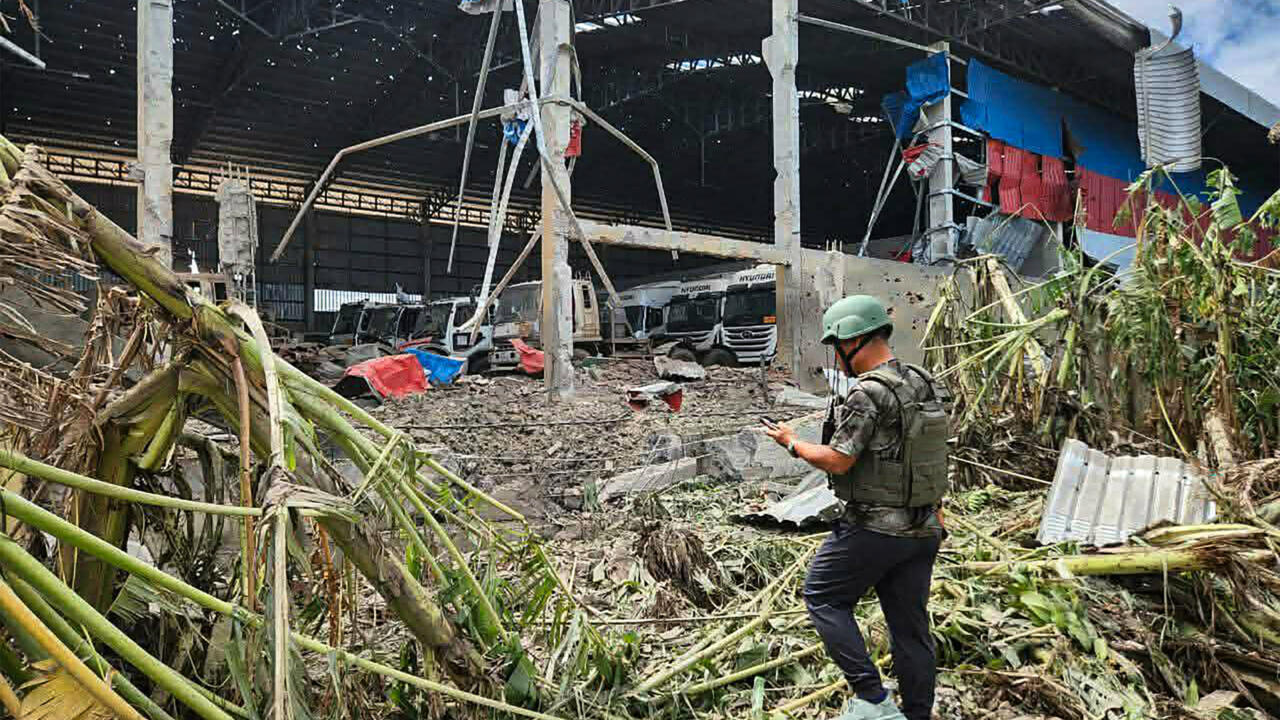
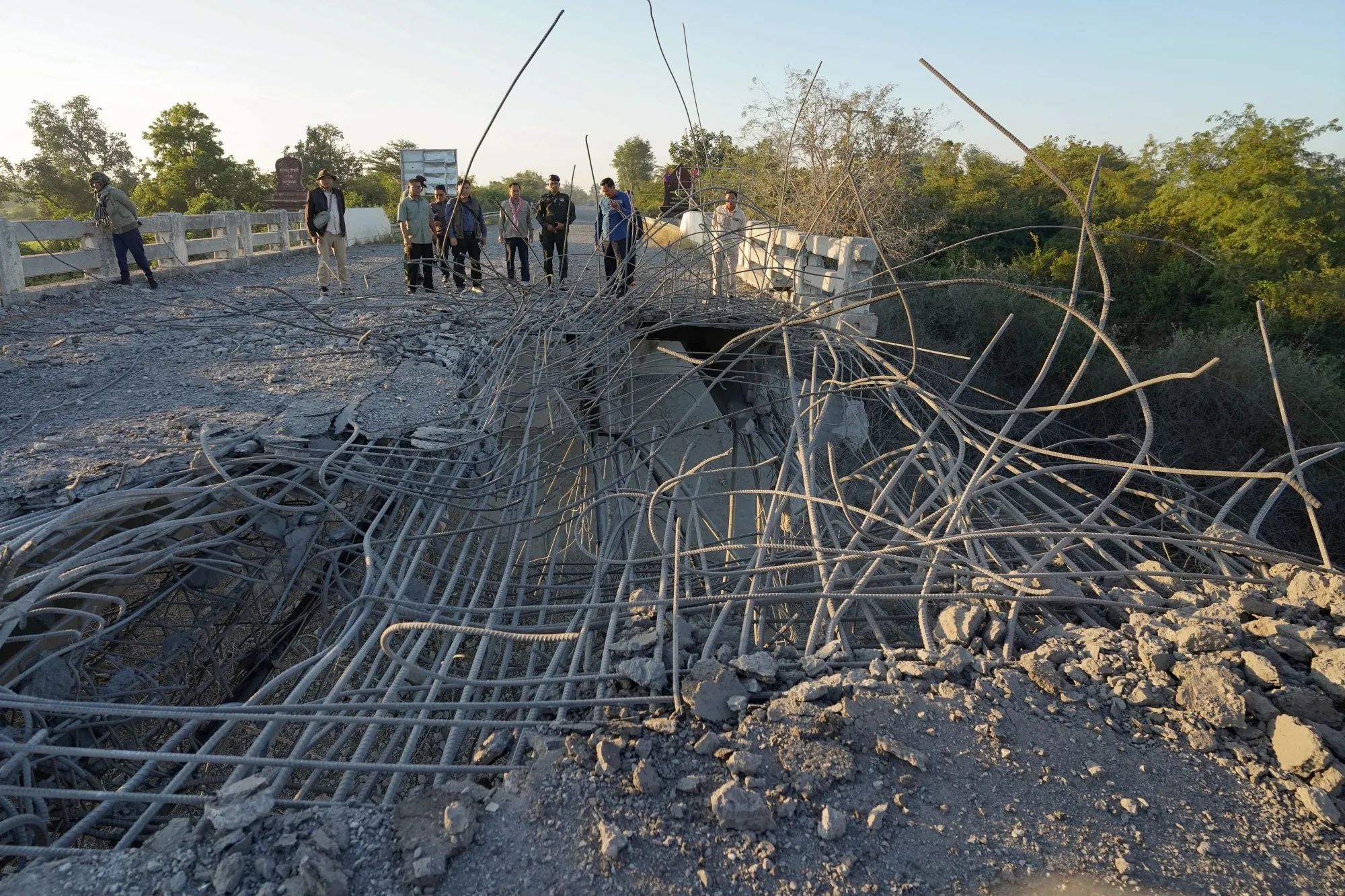
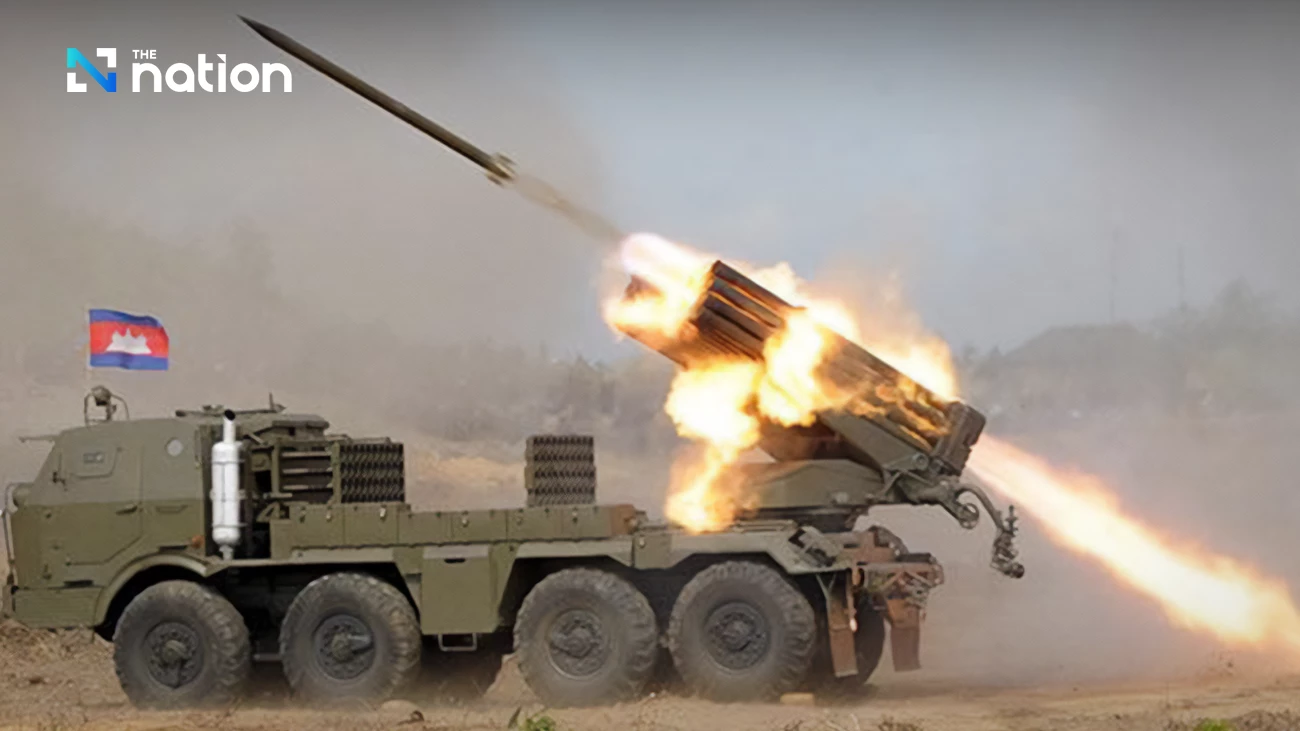
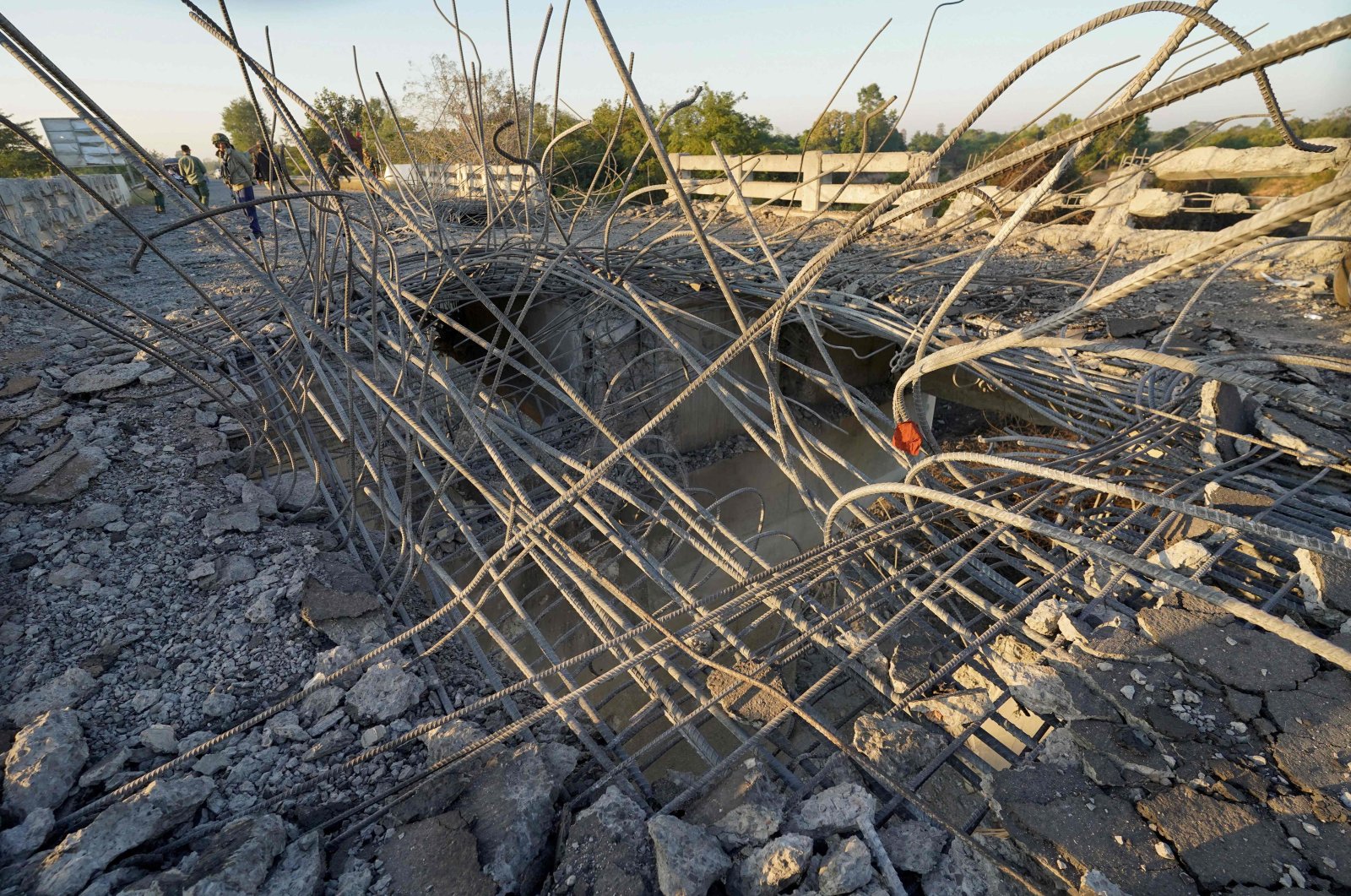
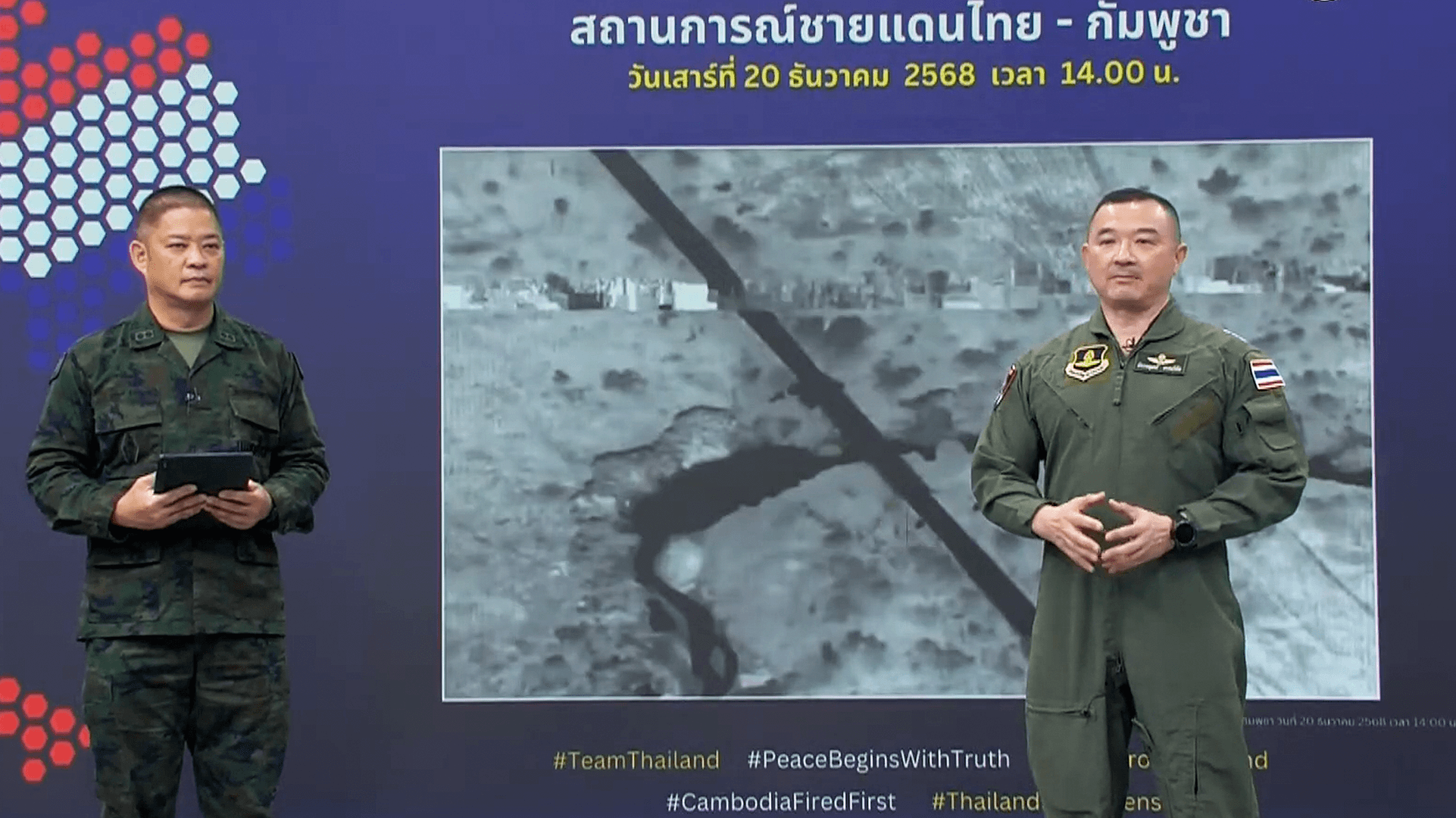
Geopolitical fault lines in Southeast Asia are cracking open, with Thailand's unprecedented military strike against a Cambodian casino and bridge on December 21, 2025, signaling a dangerous escalation of regional tensions. This calculated military action, strategically timed just before a critical ASEAN foreign ministers meeting, reveals deep-seated structural conflicts that extend far beyond simple border disputes.
The military intervention represents a deliberate strategic provocation, designed to reshape the regional power dynamics. By targeting a casino and bridge infrastructure, Thailand is sending a multi-layered message about economic sovereignty and territorial influence. The timing—immediately preceding a diplomatic gathering—suggests a calculated move to force negotiations from a position of military strength. This approach fundamentally challenges the traditional ASEAN conflict resolution mechanisms, potentially destabilizing the entire Southeast Asian economic ecosystem.
Cross-border business operations now face unprecedented uncertainty. The military strike creates immediate ripple effects across regional trade corridors, disrupting established economic networks between Thailand and Cambodia. International businesses, particularly those in cross-border e-commerce and regional logistics, must rapidly reassess their operational risk models. The conflict signals that geopolitical tensions can instantaneously transform from diplomatic tensions to direct economic warfare, with infrastructure becoming a direct target of strategic pressure.
The broader implications extend beyond the immediate Thailand-Cambodia context. This incident exposes the fragility of ASEAN's diplomatic infrastructure, revealing how quickly regional stability can unravel. The military action suggests that traditional conflict resolution frameworks are increasingly ineffective in managing complex, multi-dimensional regional disputes. For businesses and investors, this represents a critical inflection point—where geopolitical risk is no longer a theoretical consideration but a tangible, immediate operational challenge.
Strategic recommendation: Businesses operating in Southeast Asia must develop adaptive, scenario-based contingency plans that can rapidly respond to geopolitical disruptions. Diversify supply chain routes, maintain flexible operational frameworks, and continuously monitor diplomatic developments with granular attention to emerging tension indicators.
Questions 3
What strategic actions should businesses take in response to this geopolitical tension?
Businesses should develop adaptive contingency plans, including diversifying supply chain routes, maintaining operational flexibility, and implementing robust geopolitical risk monitoring systems. Scenario planning and rapid response capabilities are now essential.
How might this conflict impact ASEAN's diplomatic framework?
This incident exposes critical weaknesses in ASEAN's conflict resolution mechanisms. The military action suggests that diplomatic channels are becoming less effective, potentially requiring a fundamental restructuring of regional negotiation strategies.