

Gold's Great Debasement: How $4,400 Signals a Global Financial Transformation
- Unprecedented precious metals surge reveals deep economic restructuring for global investors

























Overview
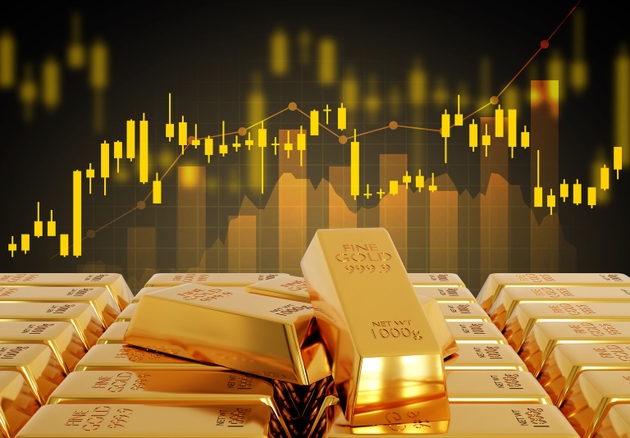
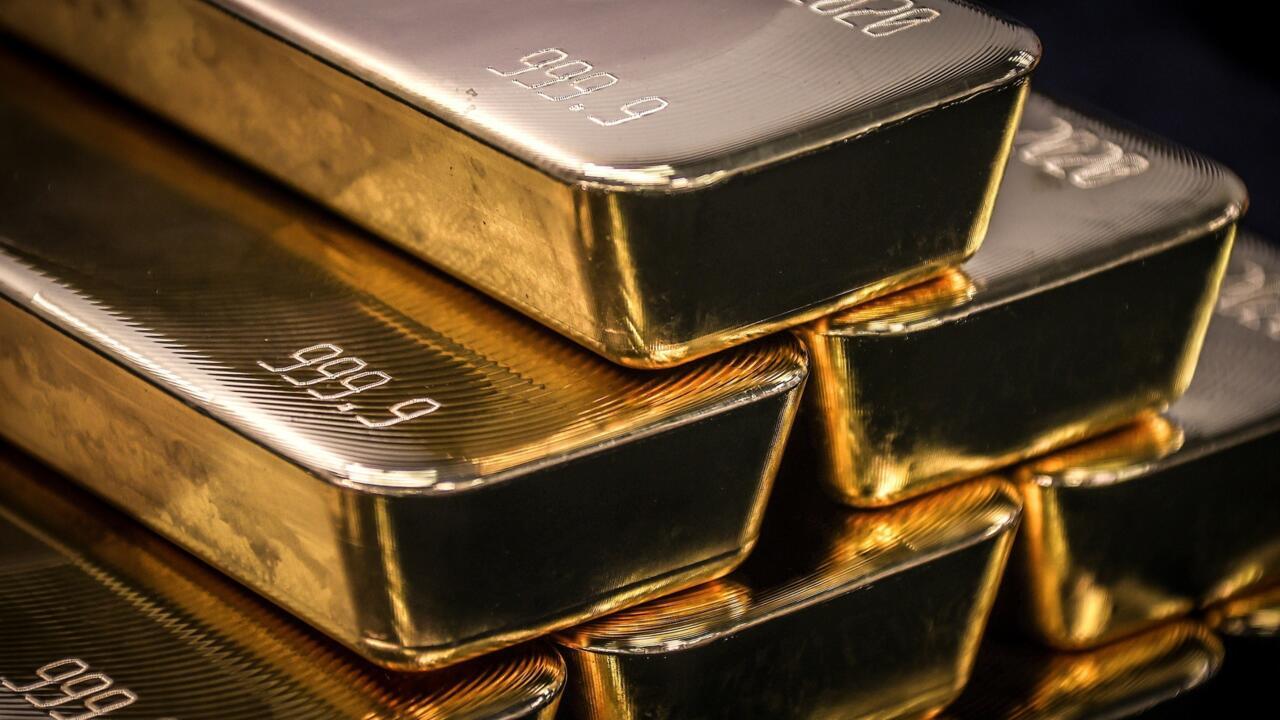
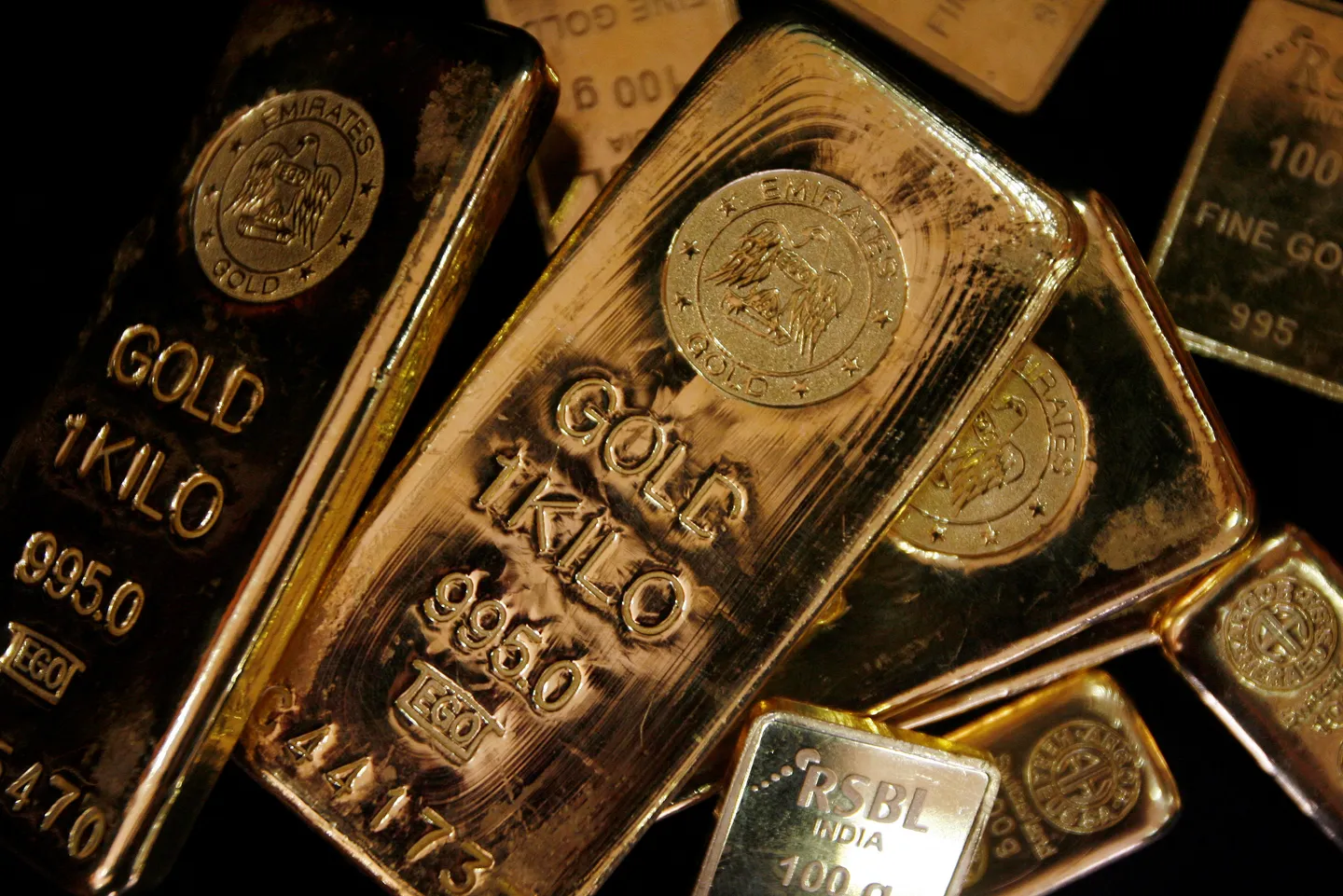
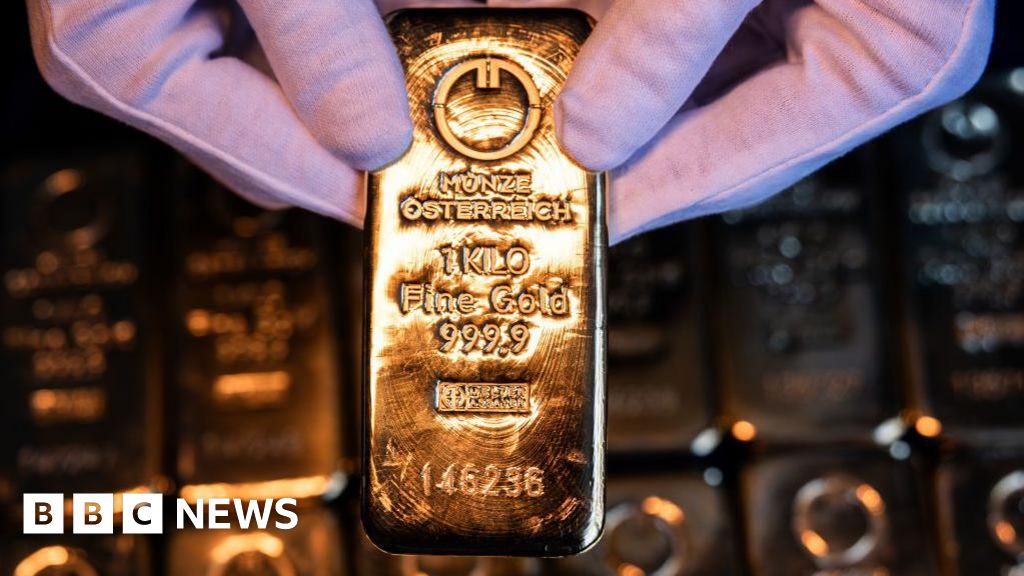
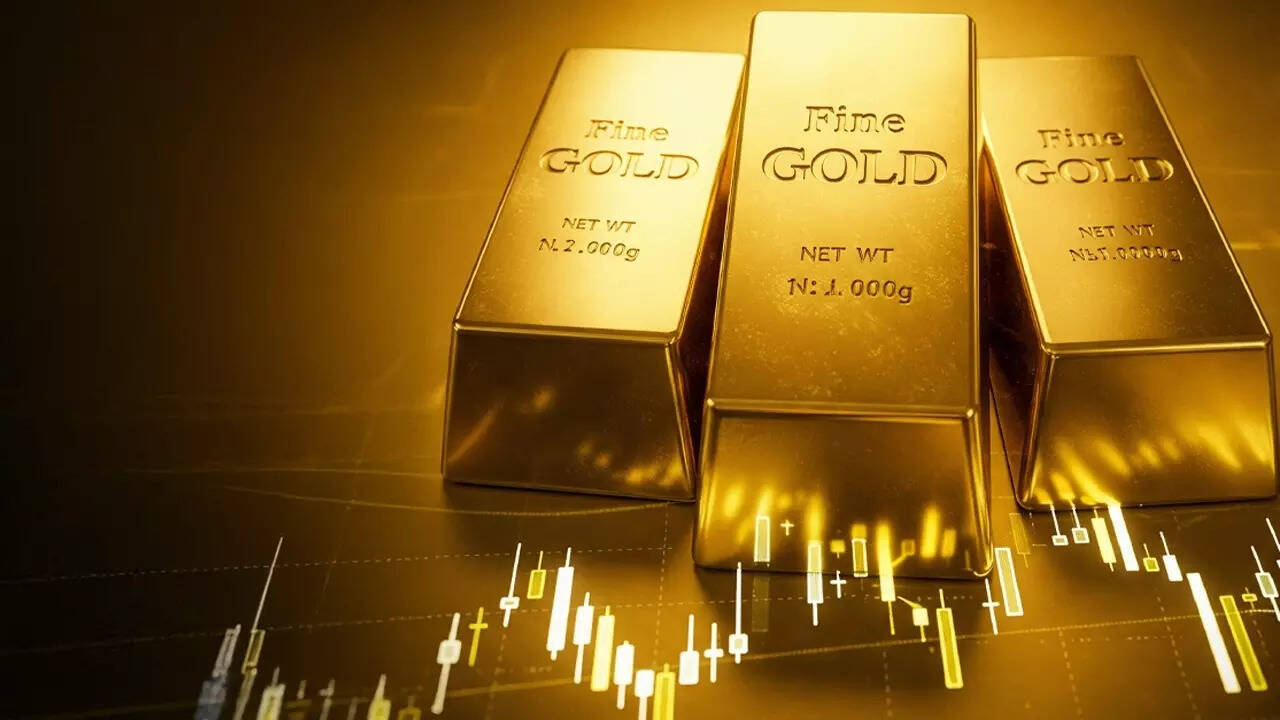
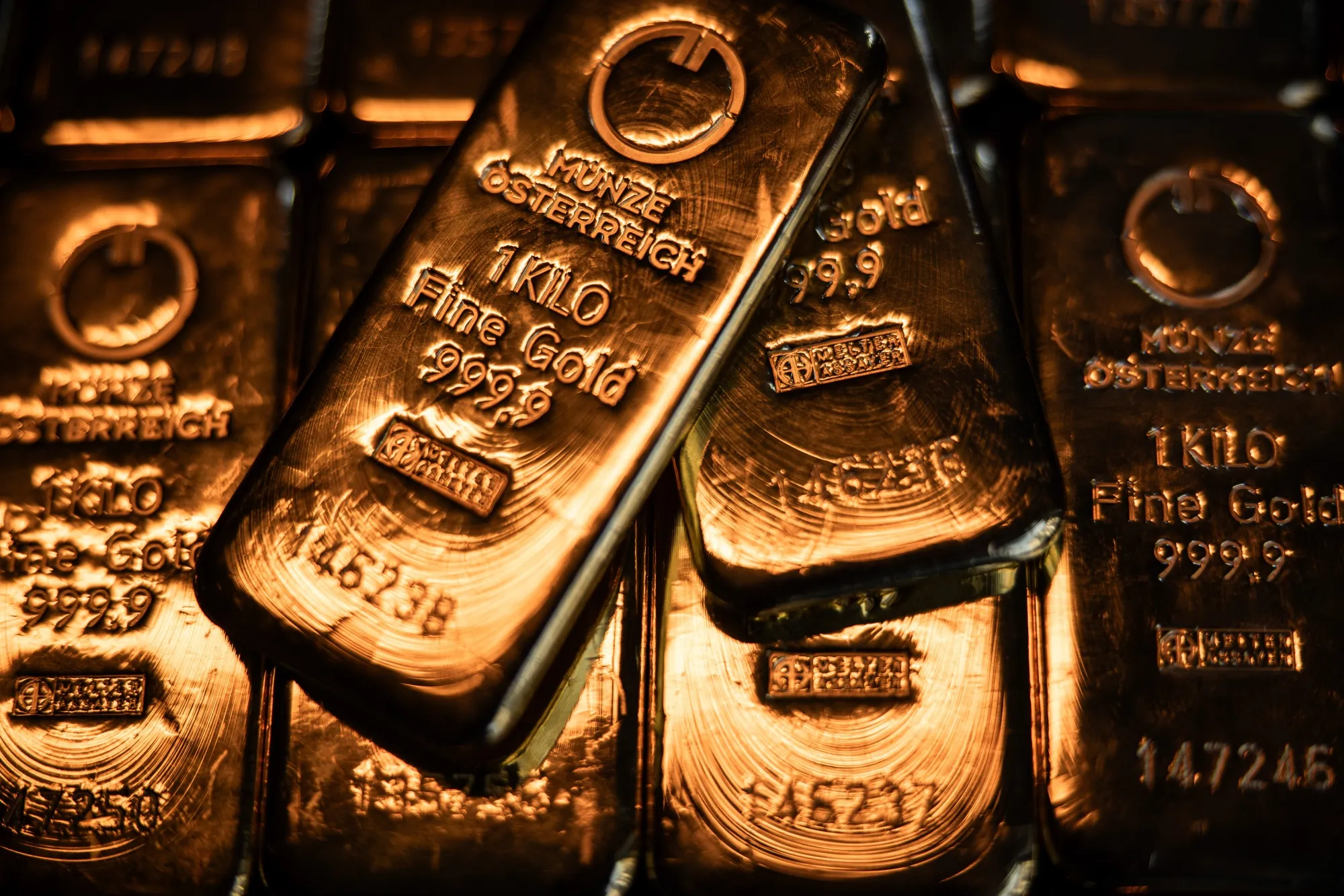
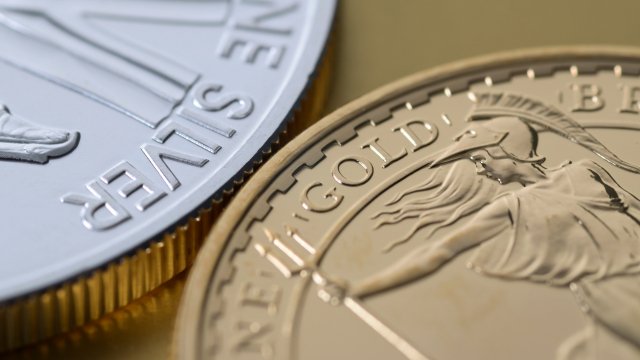
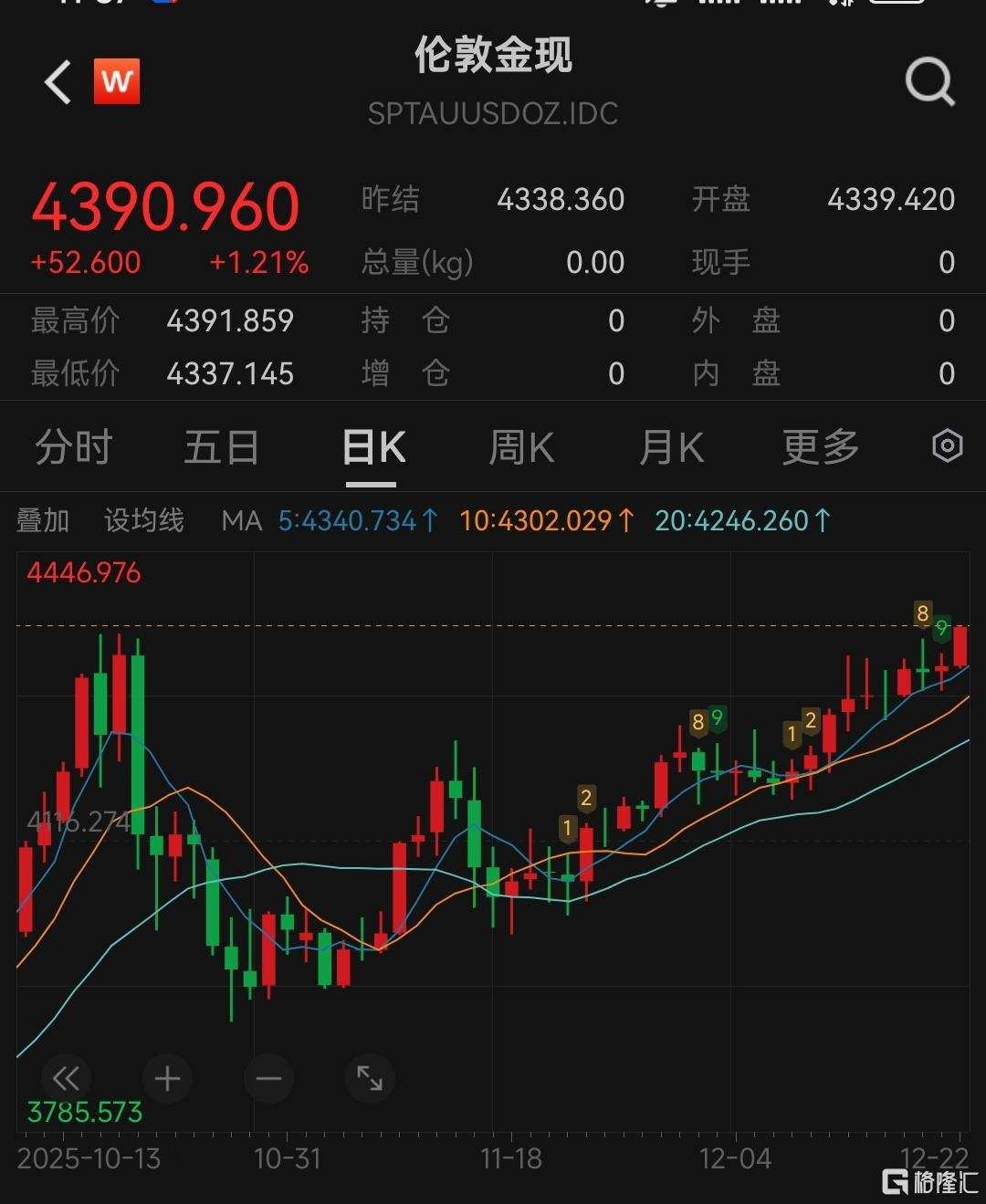
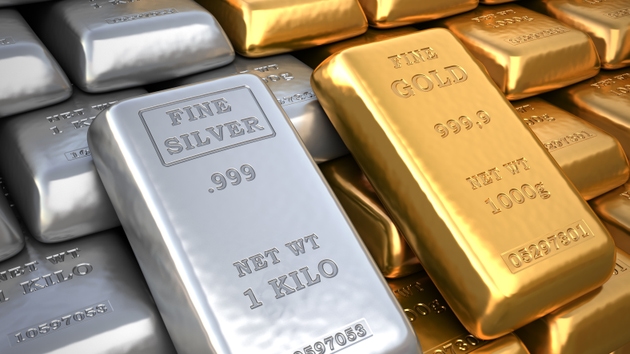
In a remarkable financial landscape, gold has emerged as the ultimate barometer of global economic uncertainty, rocketing to an unprecedented $4,400 per ounce in 2025. This isn't just a price movement—it's a profound signal of systemic financial recalibration driven by complex geopolitical and monetary dynamics.
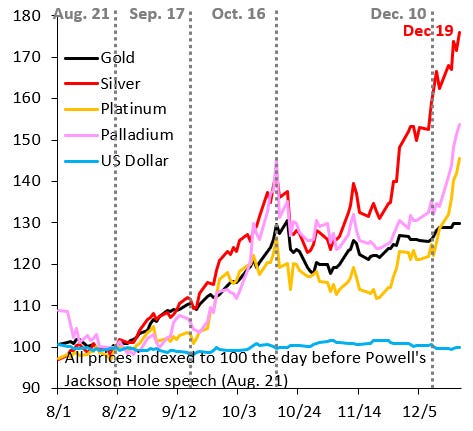
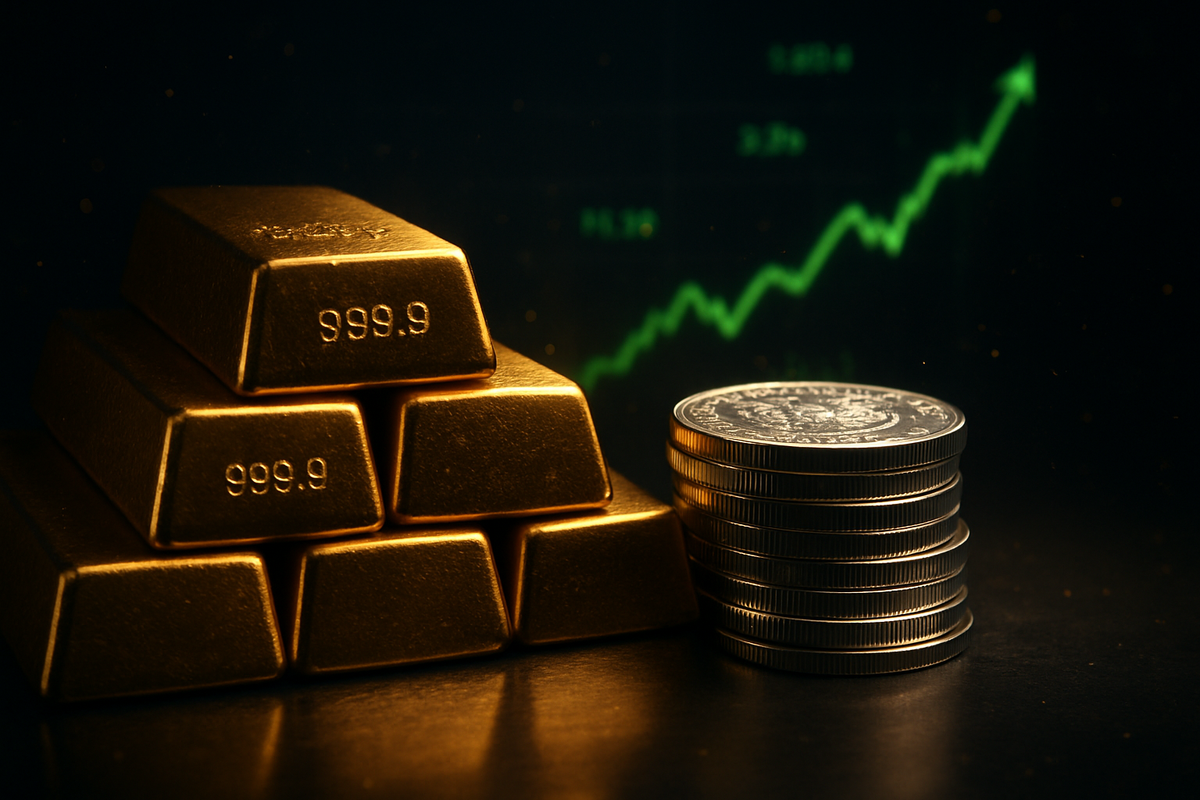
The "great debasement trade", as economist Robin Brooks aptly describes, represents more than a commodity surge. It's a strategic repositioning by global investors responding to multiple interconnected pressures: potential Federal Reserve monetary policy shifts, escalating geopolitical tensions, and growing fiscal uncertainties across major economies. The 68% annual appreciation in gold, accompanied by an even more dramatic 140% surge in silver, reveals investors' deep skepticism about traditional financial instruments.
Critically, this trend transcends simple safe-haven dynamics. The Japanese yen carry trade, wide interest rate differentials, and geopolitical tensions near Venezuela are creating a perfect storm for precious metal valuations. Major financial institutions like Bank of America and Goldman Sachs are projecting gold could reach $5,000 by 2026, indicating this isn't a temporary fluctuation but a structural market transformation.
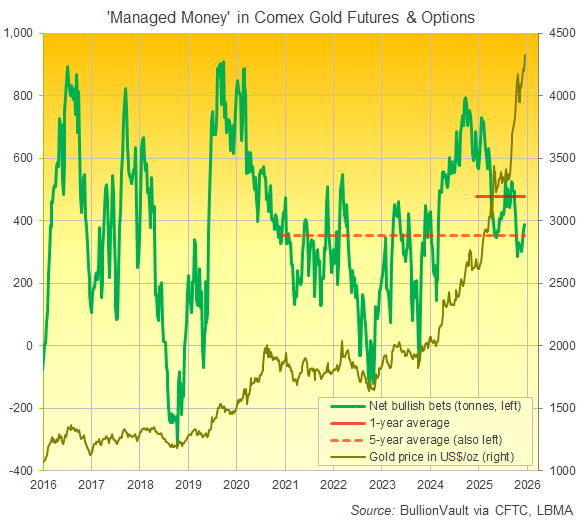
The most intriguing aspect is the muted response from traditional market players. Despite record-breaking prices, Comex futures and options traders have maintained surprisingly conservative positions. This suggests a nuanced, strategic approach where institutional investors are carefully navigating unprecedented economic complexity.
The broader implications are profound: we're witnessing a fundamental reassessment of monetary value, where gold is reemerging not just as a hedge, but as a critical indicator of global economic credibility. Investors are signaling a loss of confidence in conventional monetary policies and seeking stability in assets that transcend geopolitical and fiscal uncertainties.
Questions 3
What makes the current gold market different from previous bull runs?
Unlike previous surges, the current gold market is characterized by a complex interplay of monetary policy shifts, geopolitical tensions, and a strategic repositioning by global investors who are losing confidence in traditional financial instruments.
How are institutional investors responding to these record gold prices?
Interestingly, despite record prices, Comex futures and options traders have maintained surprisingly muted positions, suggesting a cautious and strategic approach to the current market volatility.