


Samsung Biologics Breaks Global Pharma Manufacturing Boundaries with Strategic US Expansion
- Transforming international pharmaceutical supply chains through targeted cross-border manufacturing investments
















Overview
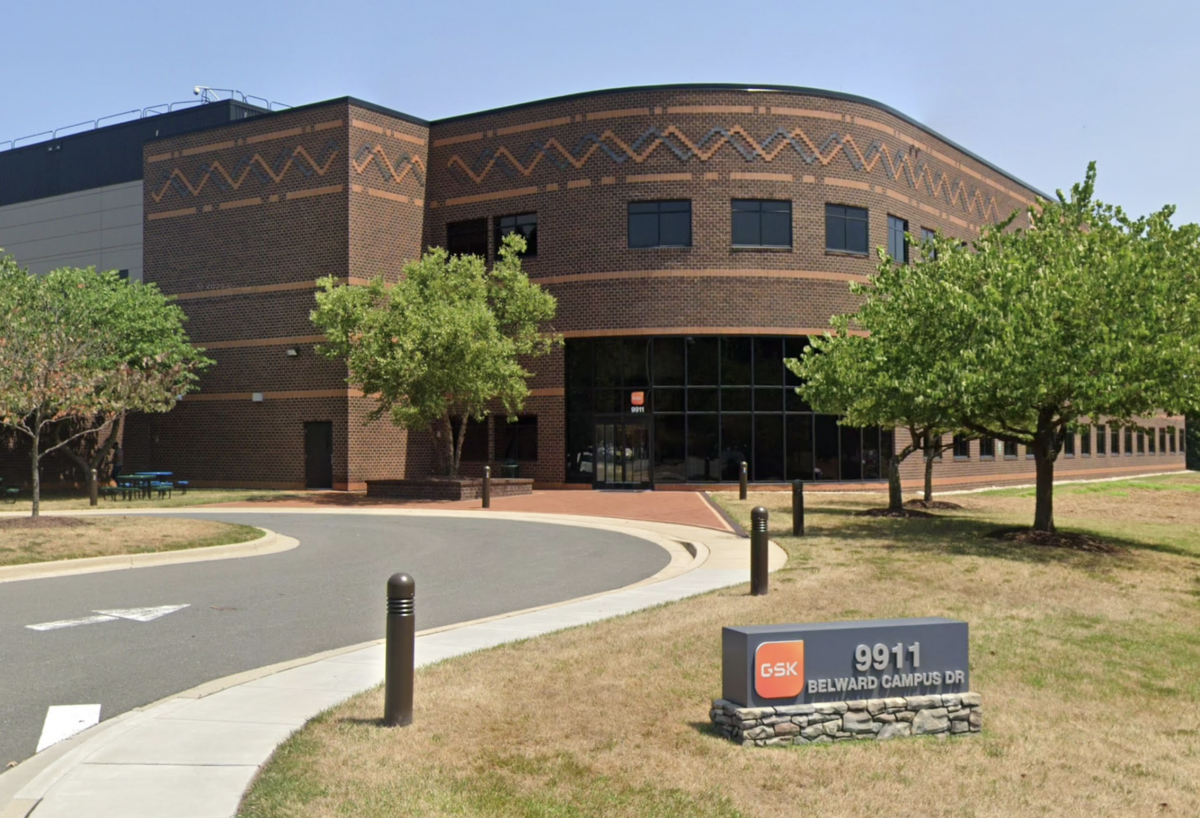
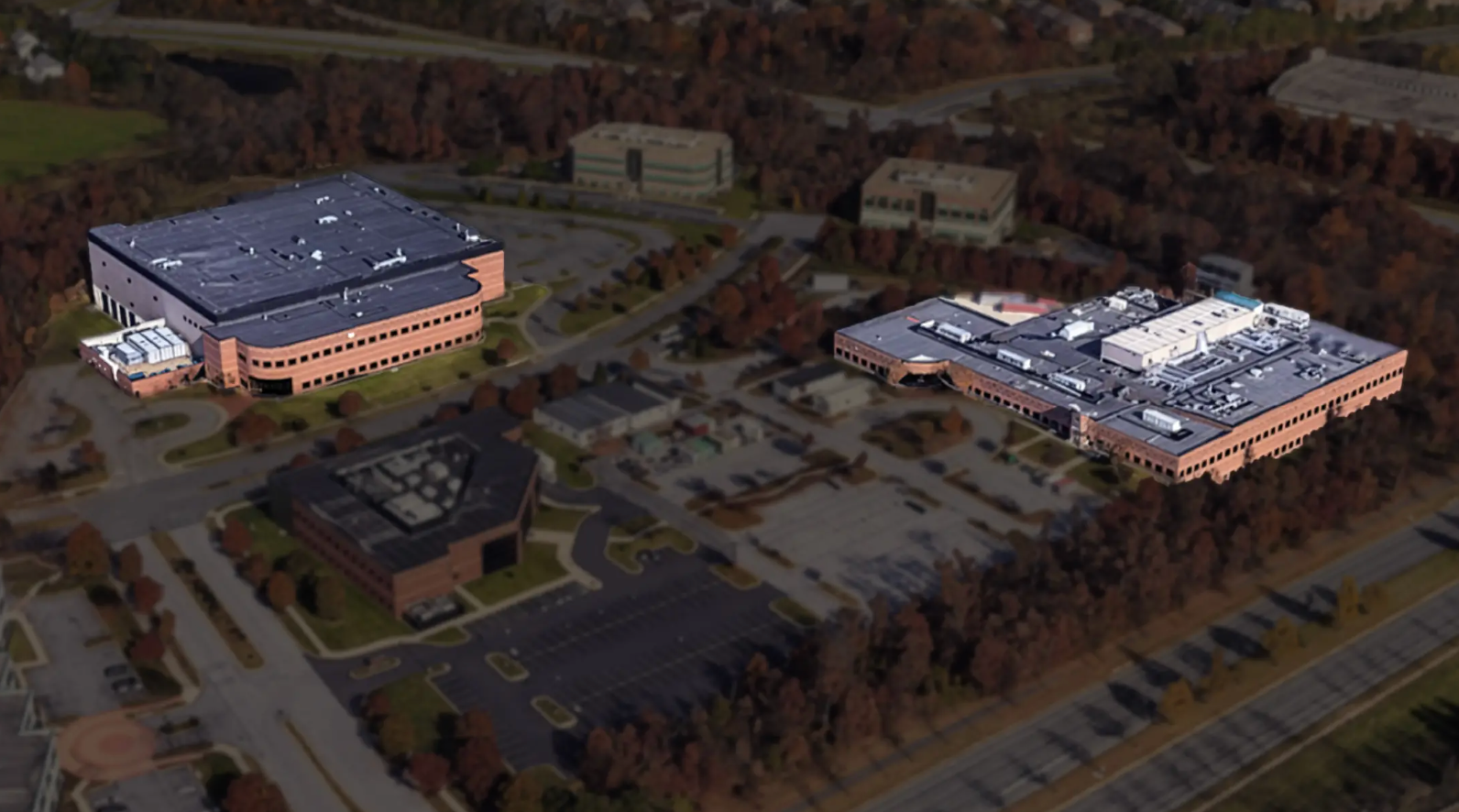
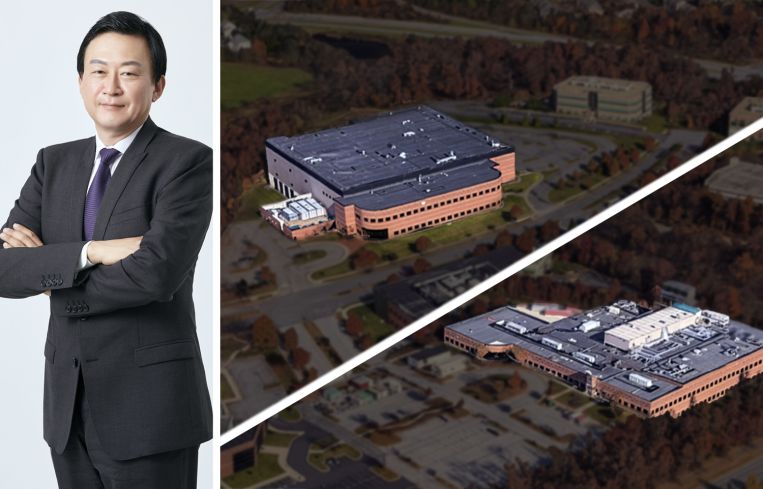
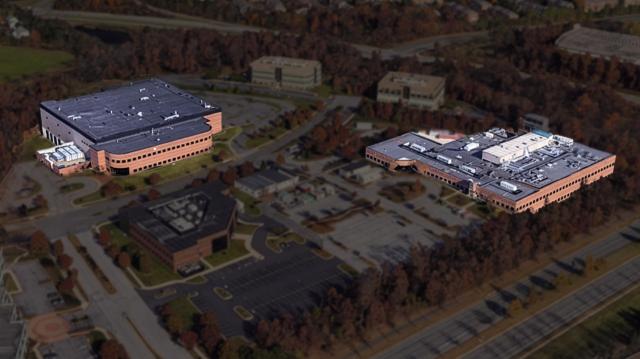
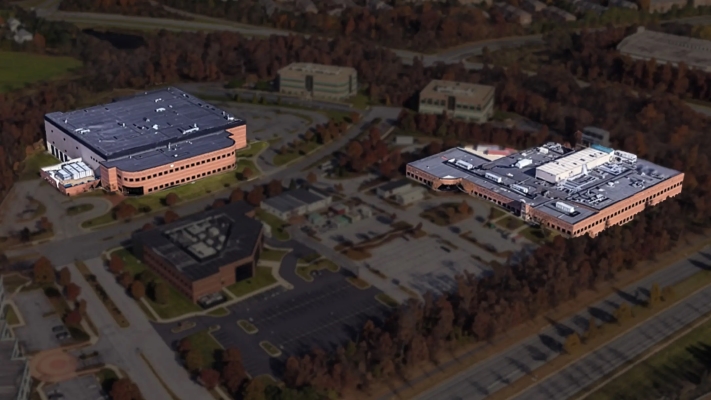
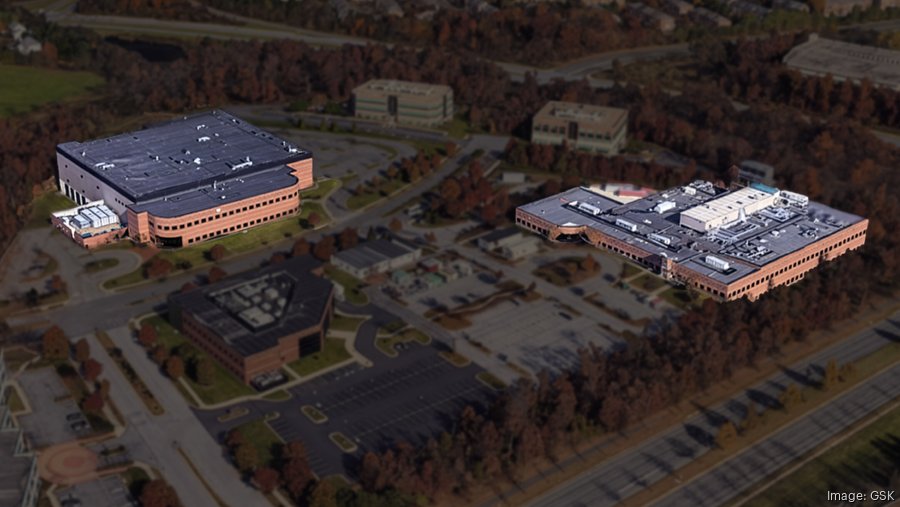
Samsung Biologics is rewriting the playbook for international pharmaceutical manufacturing through a bold $280 million strategic acquisition that transforms its global production capabilities. By purchasing GSK's Rockville, Maryland facility, the company is executing a sophisticated market entry strategy that goes far beyond simple asset acquisition.
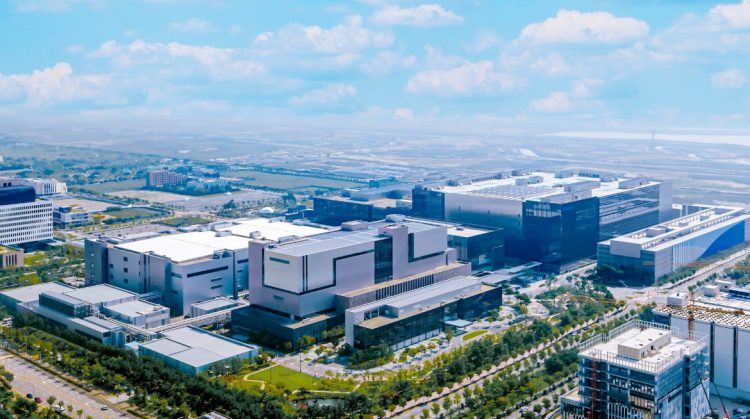
The acquisition represents more than a transaction—it's a calculated geopolitical and economic maneuver. Samsung Biologics is establishing a dual-hemisphere production system connecting Songdo, Korea, and Rockville, USA, which strategically mitigates regional supply chain risks while providing North American customers with local manufacturing options. This move is particularly shrewd given the current landscape of pharmaceutical localization and potential trade policy shifts.
The 60,000-liter drug production facility comes with a critical advantage: 500 existing workers who ensure immediate production continuity and deep institutional knowledge transfer. By retaining the entire workforce, Samsung Biologics demonstrates a nuanced understanding that successful international expansion isn't just about infrastructure, but about human capital and expertise.
Critically, this investment aligns with broader U.S. policy trends emphasizing domestic pharmaceutical manufacturing. Under existing trade agreements, tariffs on U.S. imports of South Korean pharmaceuticals are capped at 15%, with generic drugs receiving tariff-free treatment—creating a favorable environment for this strategic move. The company's current South Korean capacity of 785,000 liters across five plants positions this U.S. facility as a complementary, not redundant, expansion.
The acquisition signals a sophisticated approach to global market positioning. Samsung Biologics isn't just buying a facility; it's establishing a beachhead in the competitive U.S. pharmaceutical manufacturing landscape. By investing in existing infrastructure, the company can rapidly scale capabilities without the time-consuming process of building from scratch.
For pharmaceutical companies and investors, this represents a masterclass in strategic international expansion—leveraging existing assets, maintaining workforce continuity, and positioning for future market dynamics.
Questions 3
Why is Samsung Biologics investing $280 million in a US manufacturing facility?
Samsung Biologics is strategically expanding its global manufacturing footprint by establishing a US production base. This move allows them to mitigate supply chain risks, provide local manufacturing options for North American customers, and potentially benefit from US policies supporting domestic pharmaceutical production.
What competitive advantages does this acquisition provide Samsung Biologics?
The acquisition provides multiple advantages: immediate 60,000-liter production capacity, retention of 500 experienced workers, potential tariff benefits, and a strategic location in a key biotech cluster. It also allows rapid market entry without building a facility from scratch.