



Microsoft's AI Revolution Transforms Windows into an Intelligent Ecosystem
- AI integration strategy signals a fundamental shift in operating system design and user interaction







Overview
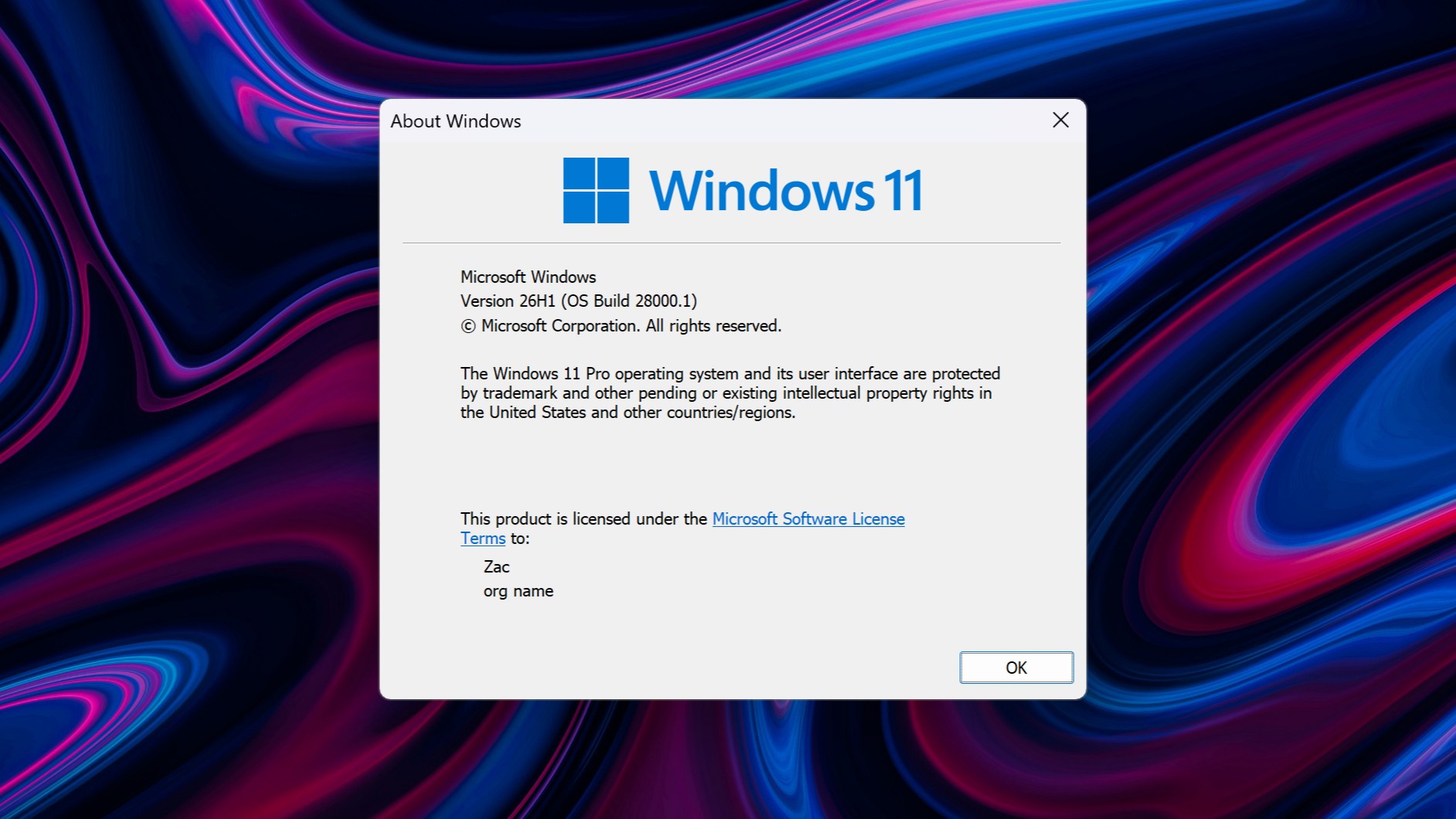
Microsoft is fundamentally reimagining Windows as an intelligent, AI-powered platform through a series of strategic updates that go far beyond traditional operating system capabilities. The recent Windows 11 Insider builds reveal a profound transformation, where AI becomes not just a feature, but the core architectural philosophy of the operating system.
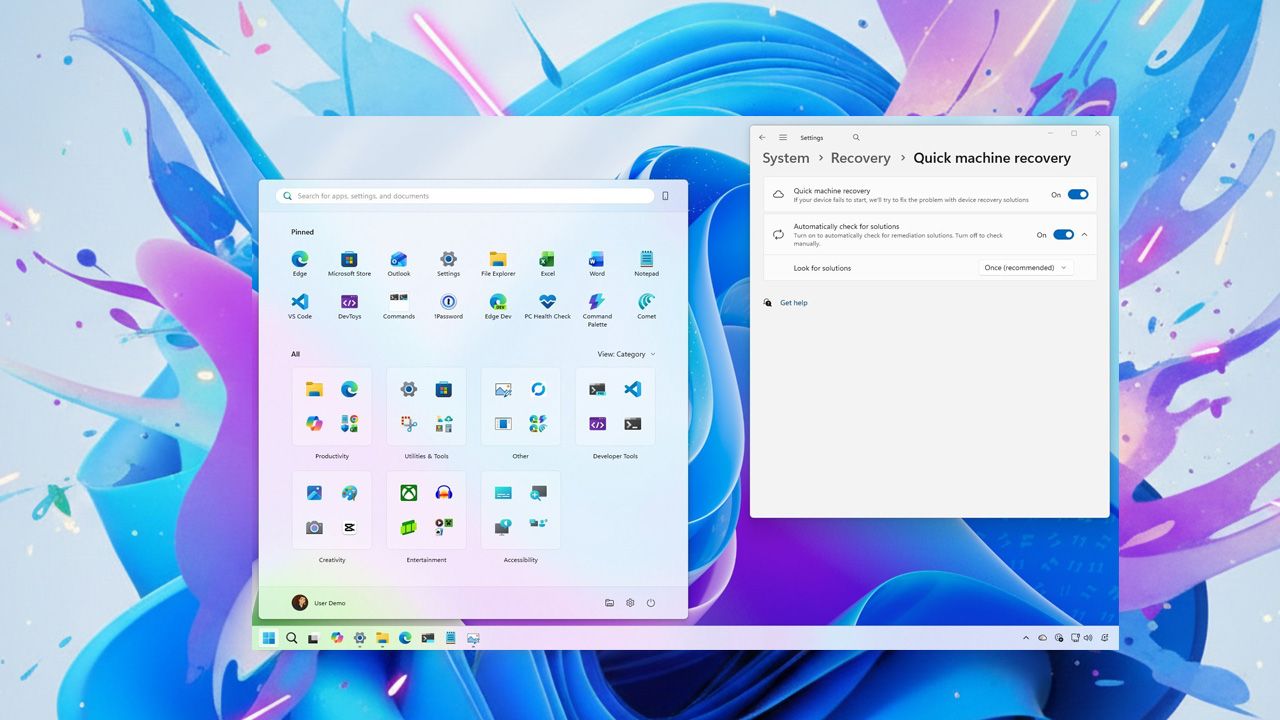
The Model Context Protocol (MCP) represents a watershed moment in AI system design, enabling universal communication between AI agents, apps, tools, and services. This open standard allows AI agents to discover and connect with other tools securely through an on-device registry, effectively creating a dynamic, intelligent ecosystem within Windows. The File Explorer and Windows Settings Connectors demonstrate this vision, allowing natural language interactions that transform how users navigate and control their computing environment.
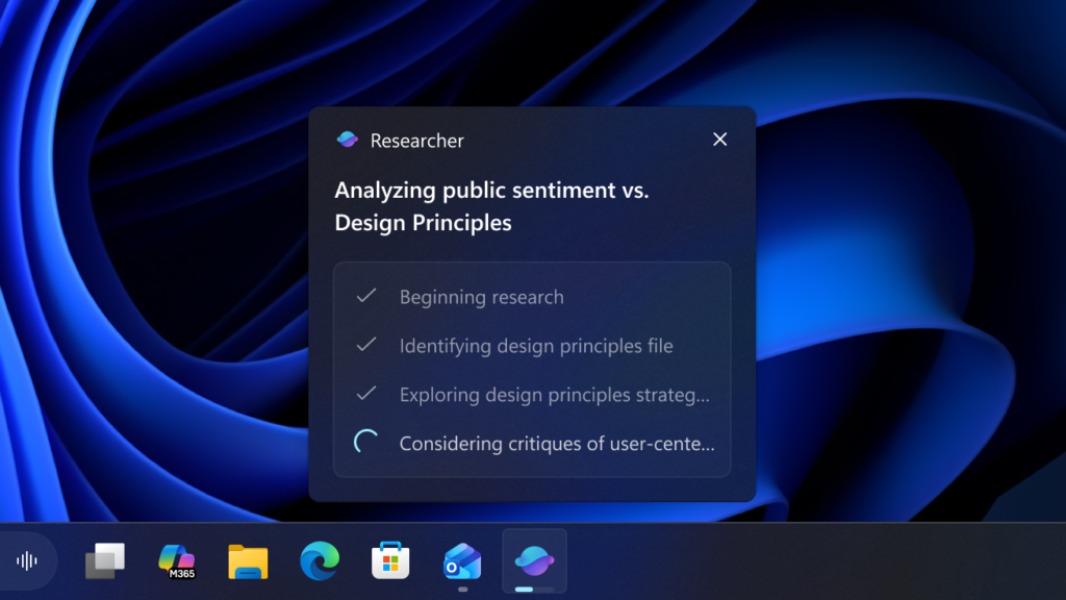
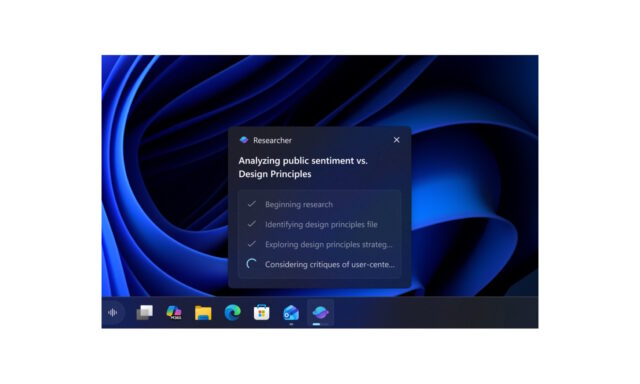
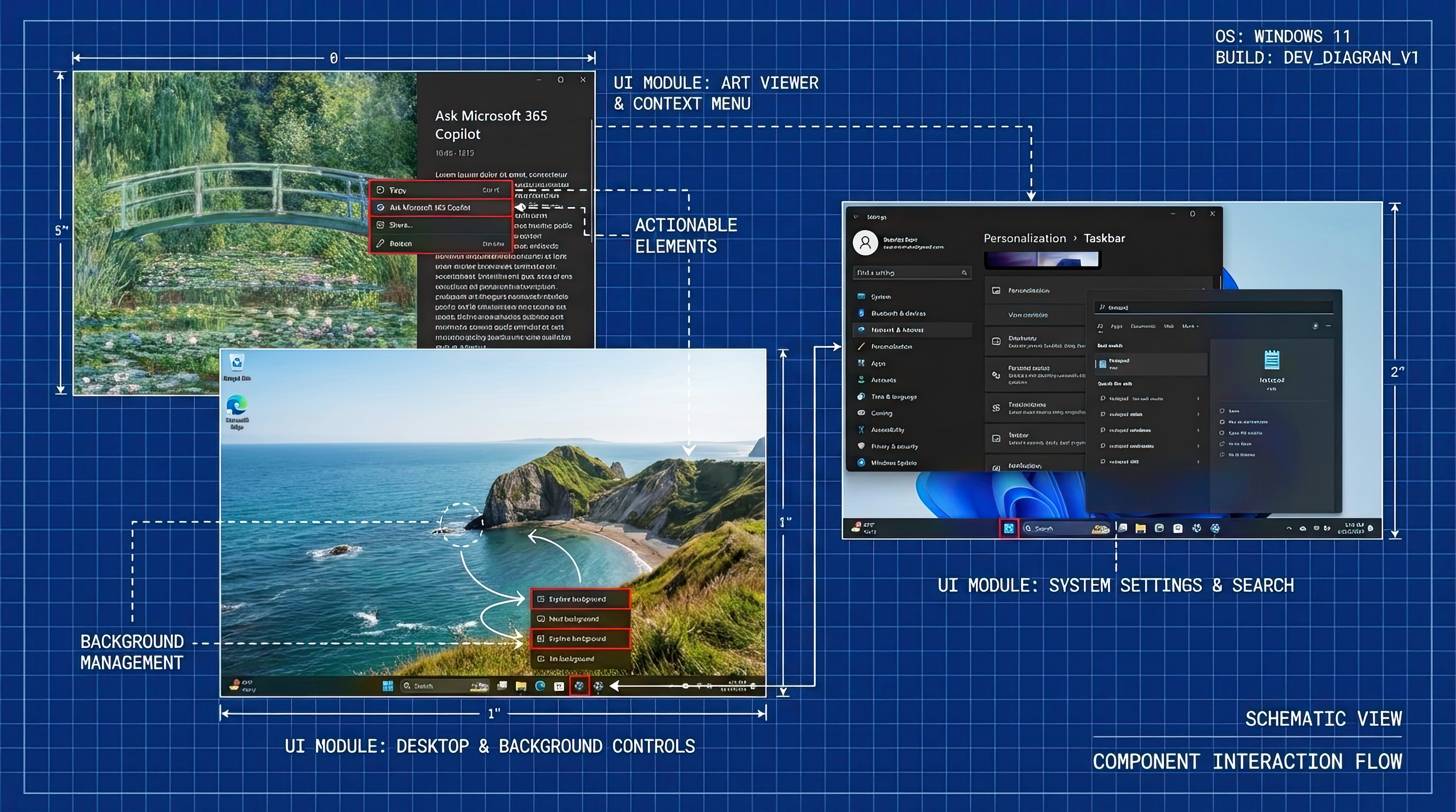
Commercial users stand to gain the most from these innovations, with the Microsoft 365 Copilot becoming deeply integrated into the Windows experience. The new Agent Launchers framework enables dynamic agent registration, allowing developers to create context-aware tools that can seamlessly interact across different system functions. Notably, Microsoft is already utilizing Analyst and Researcher agents, signaling a move toward more sophisticated, task-oriented AI assistants.
The strategic implications are profound. By expanding AI agent language support to include German, Portuguese, Spanish, Korean, Japanese, Hindi, Italian, and Simplified Chinese, Microsoft is positioning Windows as a globally intelligent platform. The Update Orchestration Platform further underscores this approach, providing developers with more consistent methods for application updates and intelligent system management.
Accessibility and user experience are receiving equal attention, with granular Narrator speech customization and voice typing improvements showing that AI is not just about productivity, but also about making technology more inclusive and intuitive. This holistic approach suggests Microsoft views AI not as a bolt-on feature, but as the fundamental redesign of how humans interact with computing systems.
Questions 3
What competitive advantage does Microsoft gain with these AI integrations?
By deeply embedding AI into the operating system architecture, Microsoft creates a more compelling value proposition for enterprise and commercial users. The ability to have context-aware, multilingual AI agents that can interact across system functions gives Windows a significant edge in the productivity software market.
What are the key implications for developers working with Windows?
Developers now have a standardized framework (Agent Launchers) to create intelligent agents that can be dynamically registered and interact system-wide. This opens up unprecedented opportunities for creating sophisticated, context-aware tools that can understand and assist users more intuitively.