


Google's AI Assistant Evolution Hits Strategic Pause Amid Gemini Transition
- Calculated AI platform migration reveals Google's meticulous technology replacement strategy for Android ecosystem









Overview
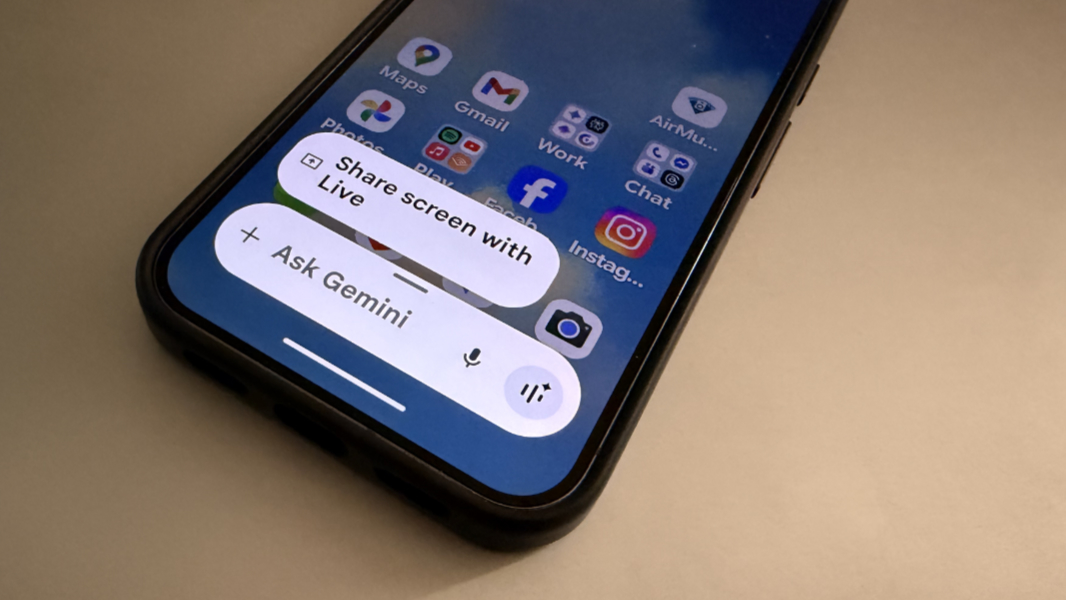
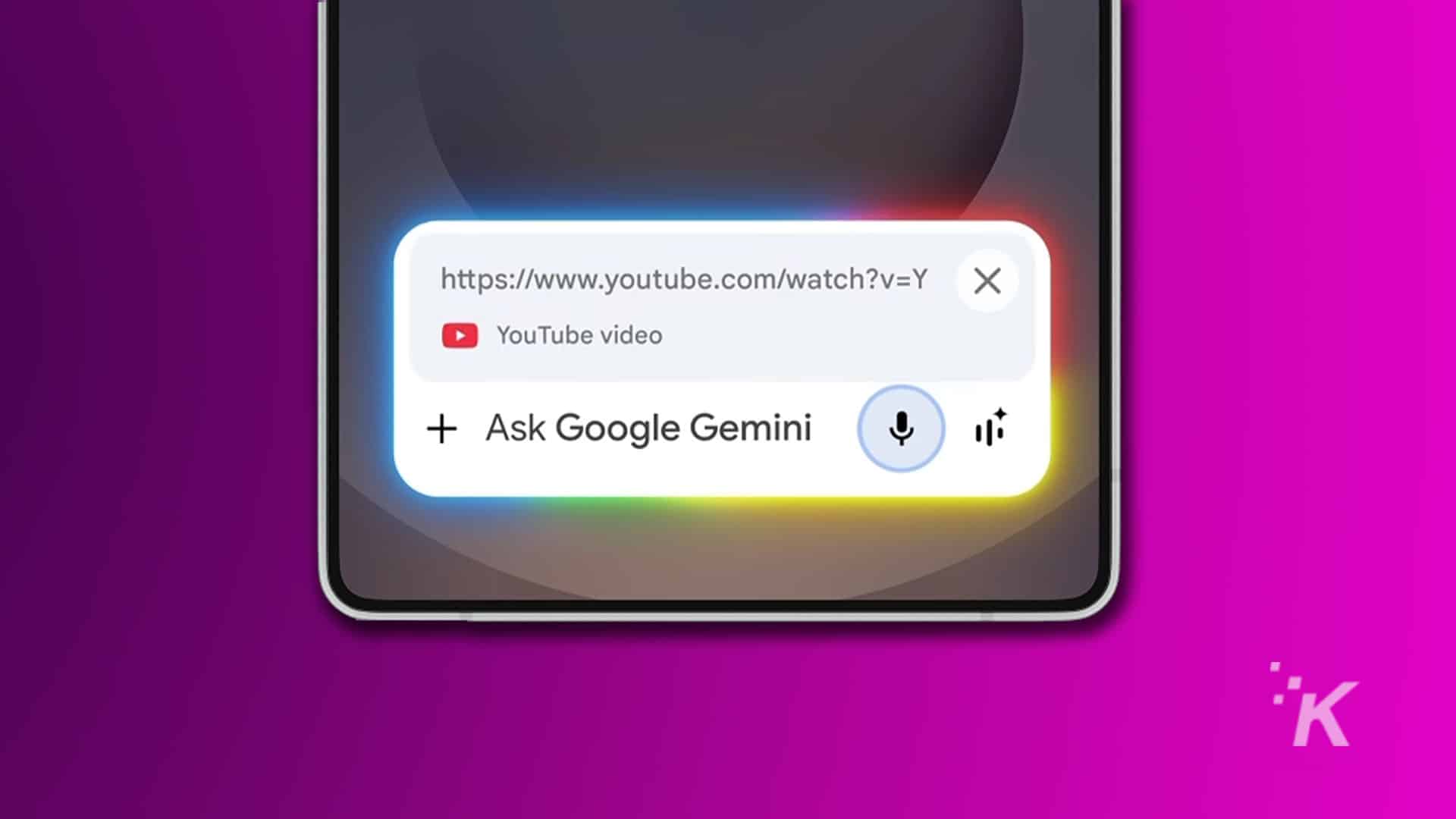
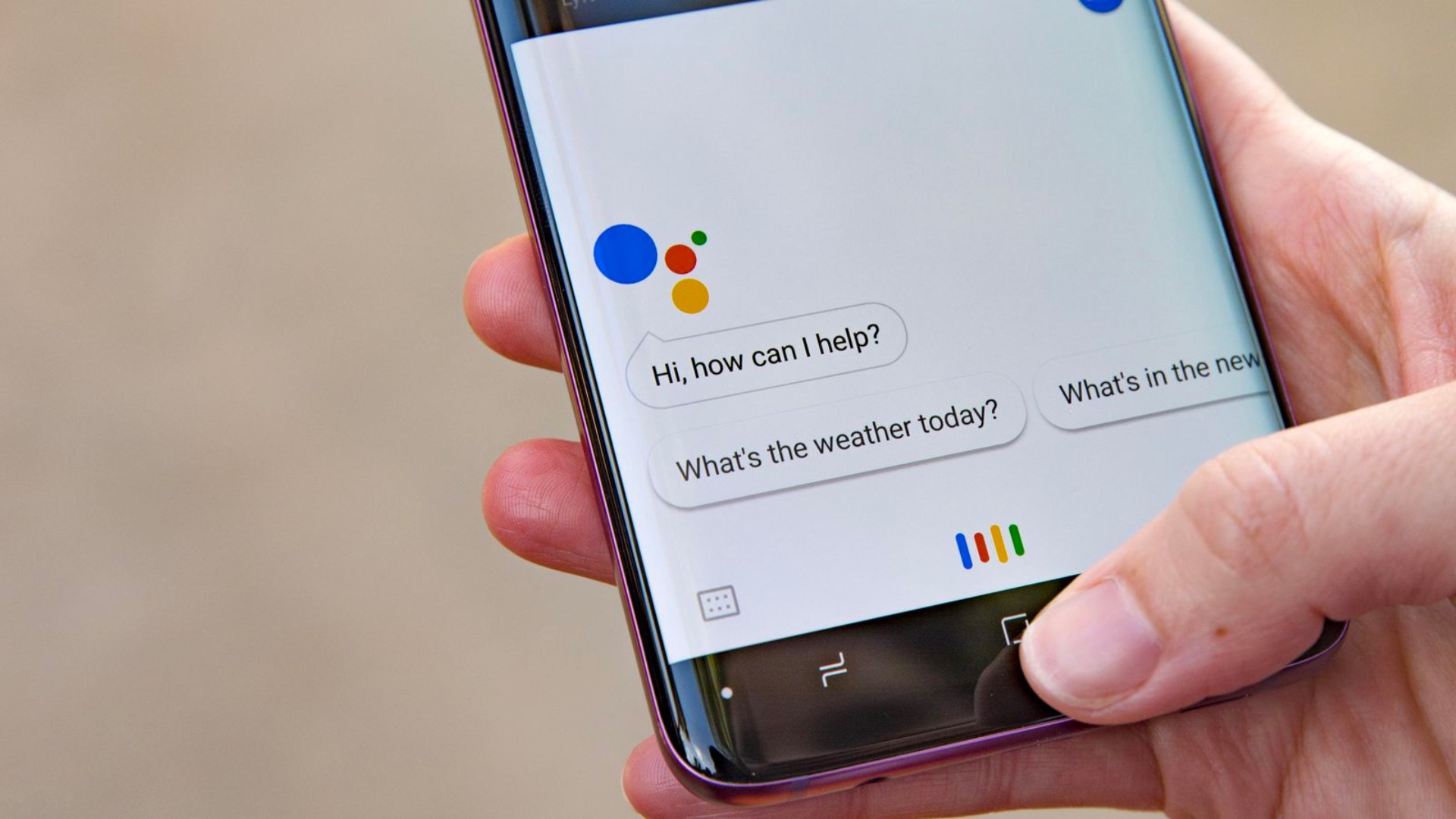
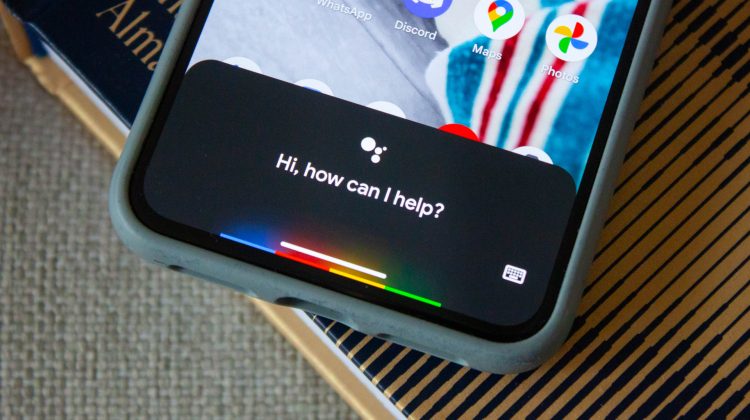
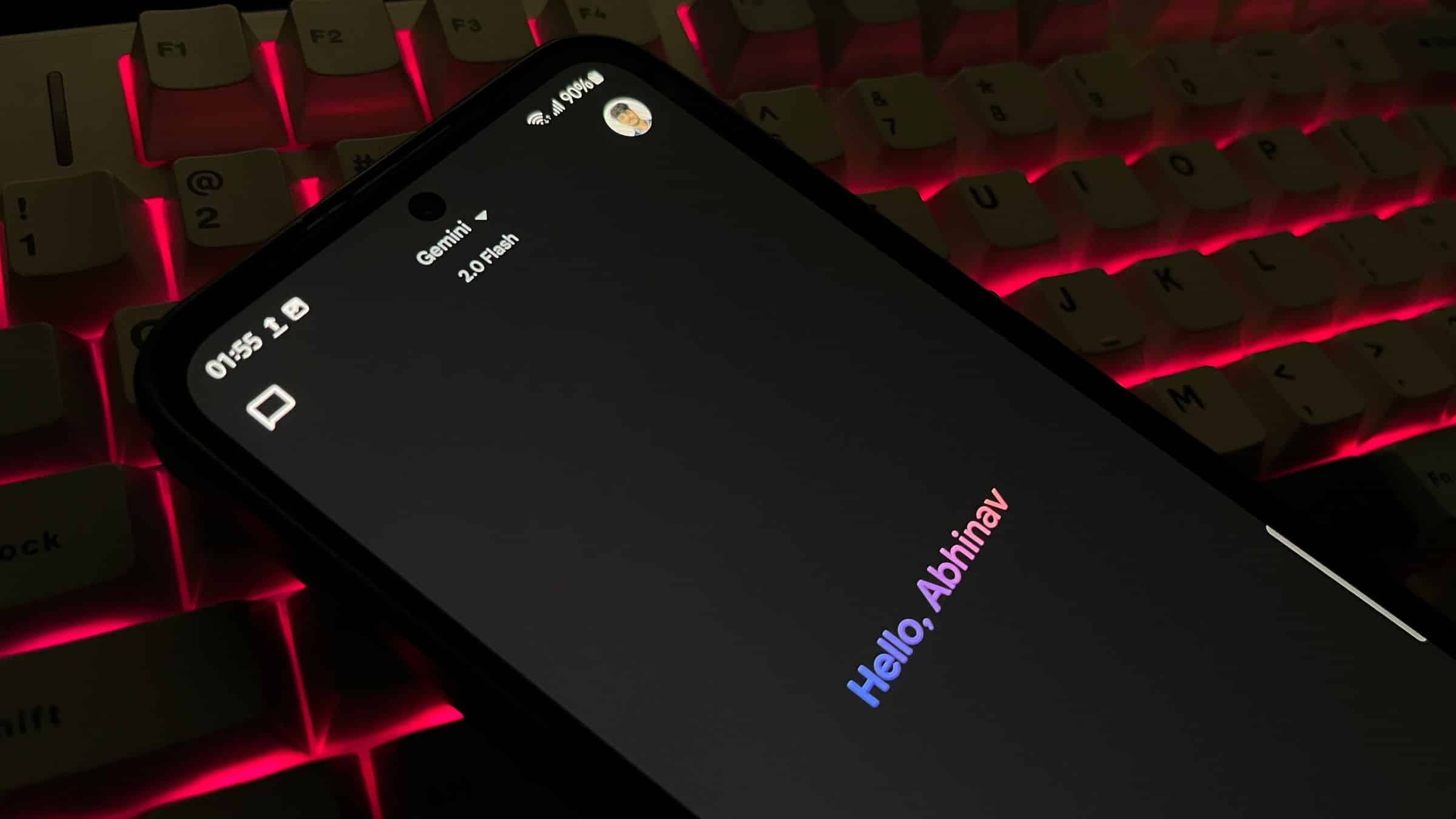
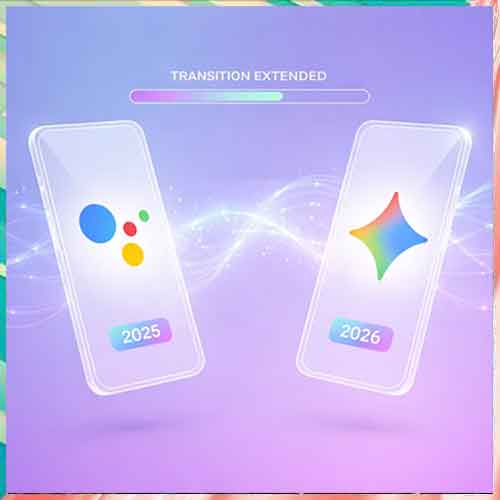
Google's AI assistant transformation is unfolding as a carefully orchestrated technological transition, with the company deliberately extending its timeline for replacing Google Assistant with Gemini across Android devices. The strategic delay, originally targeting end-of-2025 completion, now stretches into 2026, signaling a nuanced approach to AI platform migration that prioritizes user experience and technological readiness over aggressive deployment.
Technological Deliberation as Competitive Strategy: By postponing the complete Assistant-to-Gemini replacement, Google is demonstrating a sophisticated approach to AI integration. The company isn't just swapping interfaces but conducting a methodical platform evolution. Notably, the transition involves upgrading devices running Android 10 or later with 2GB RAM, which represents a substantial portion of the global Android ecosystem. This measured approach suggests Google is learning from past platform transitions, ensuring minimal user disruption while maintaining technological momentum.
Ecosystem-Wide Transformation: The Gemini rollout extends beyond mobile, with plans to integrate the AI across multiple device categories including tablets, cars, headphones, and watches. Initially launching with the Pixel 9 Series in 2024 and expanding Gemini for Home in Canada, Google is creating a comprehensive AI ecosystem. The gradual deployment reflects a broader strategic shift towards more advanced, AI-powered digital assistants, positioning Gemini not just as a replacement, but as a fundamentally more intelligent platform.
The prolonged coexistence of Assistant and Gemini reveals Google's commitment to a smooth technological transition. By allowing users and developers time to adapt, the company mitigates potential friction in what could otherwise be a disruptive platform change. This approach also provides Google continuous feedback and improvement opportunities, ensuring Gemini's capabilities meet increasingly sophisticated user expectations in the AI assistant market.
Questions 3
Why is Google delaying the Gemini Assistant rollout?
Google is taking a measured approach to ensure a seamless user experience, allowing time for technological refinement and ecosystem adaptation. The delay allows for comprehensive testing, user feedback integration, and minimizing potential disruptions across multiple device categories.
What devices will be compatible with Gemini?
Gemini will initially target Android devices running Android 10 or later with at least 2GB RAM. The rollout includes smartphones, tablets, cars, headphones, and watches, with the Pixel 9 Series serving as the initial launch platform in 2024.