

Professional Conduct Under Scrutiny: The High-Stakes Drama of Athlete-Fan Interactions
- Disciplinary Boundaries Tested in High-Pressure Sports Environments



















Overview
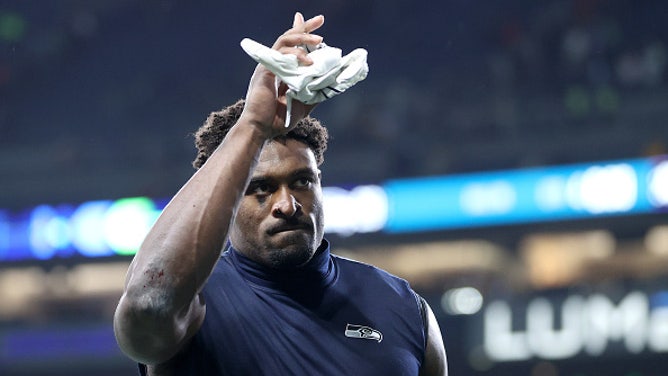
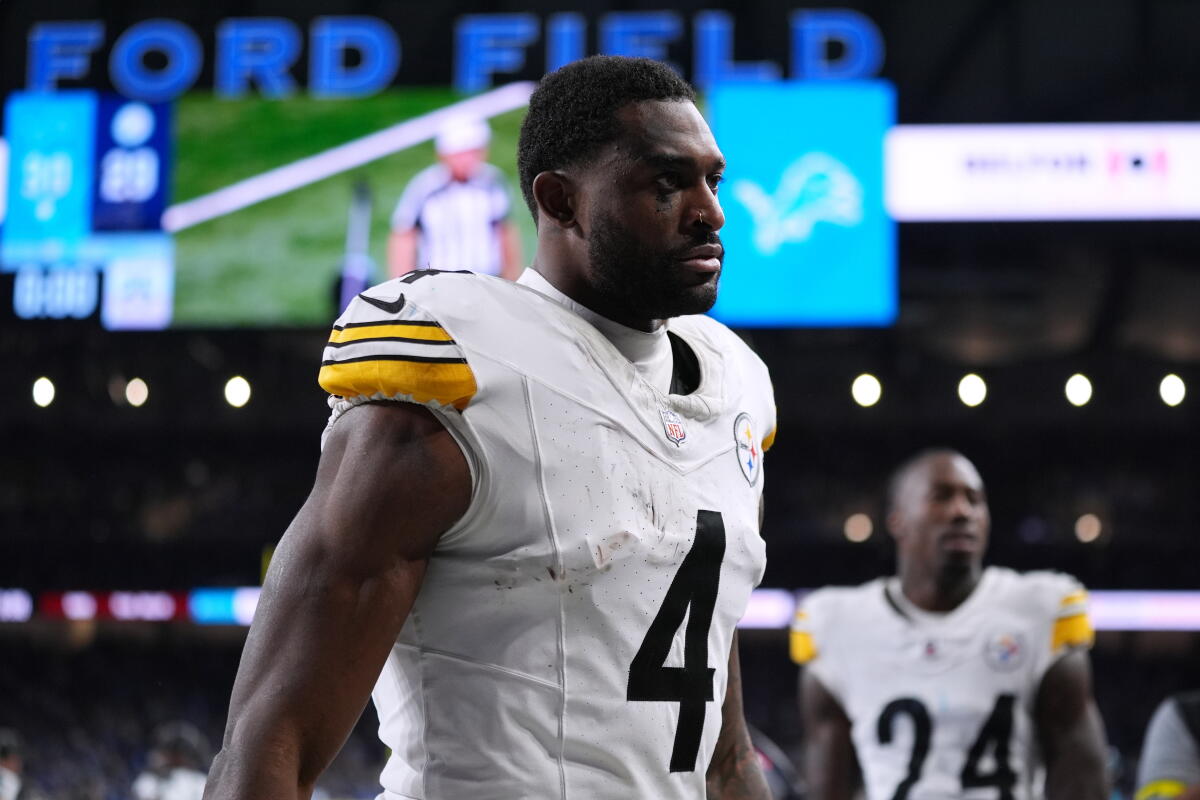
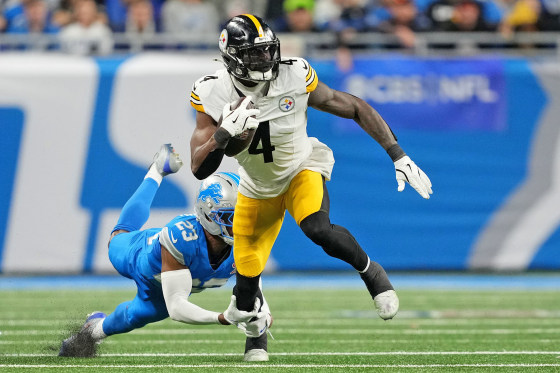
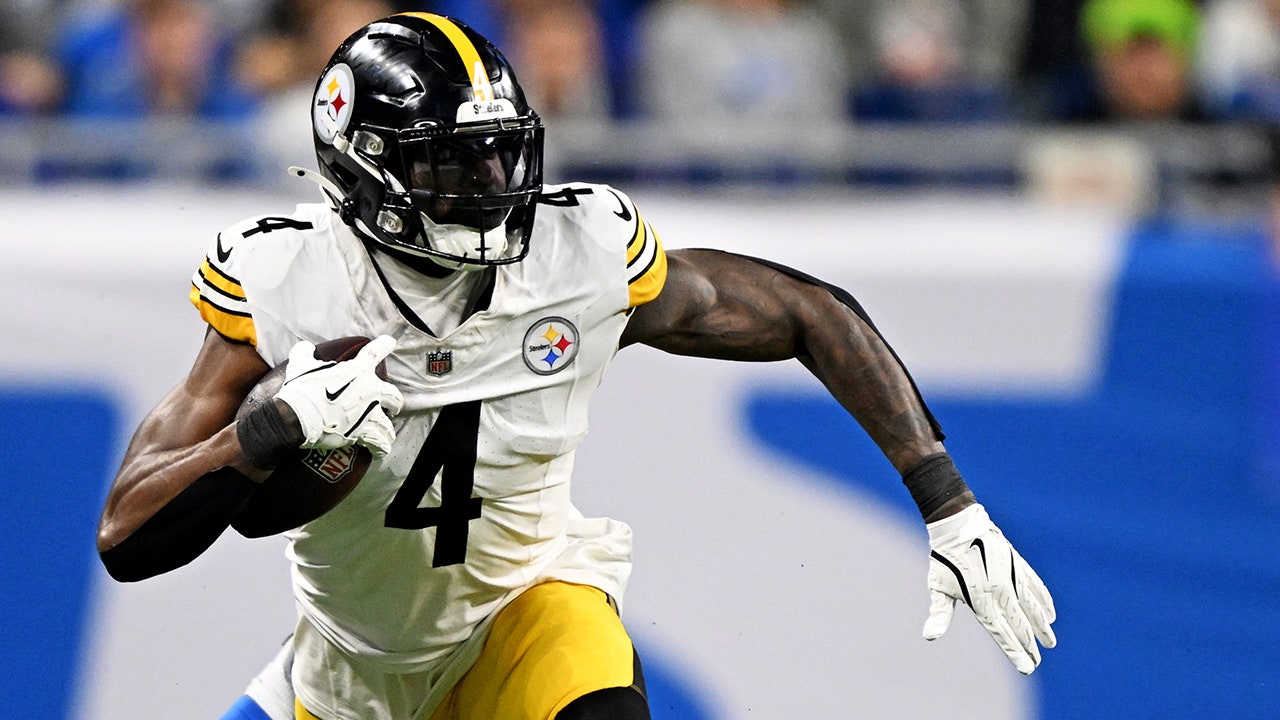
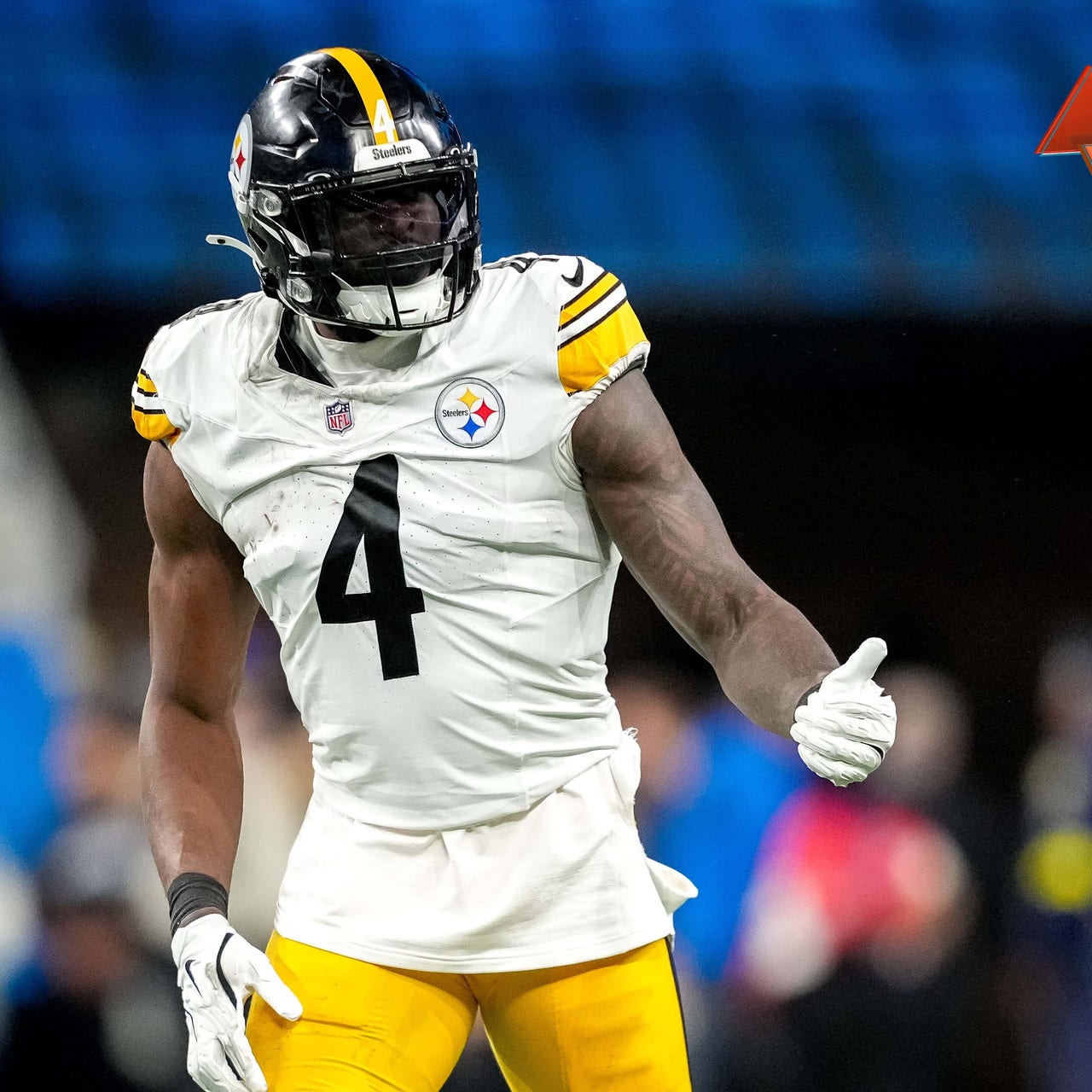
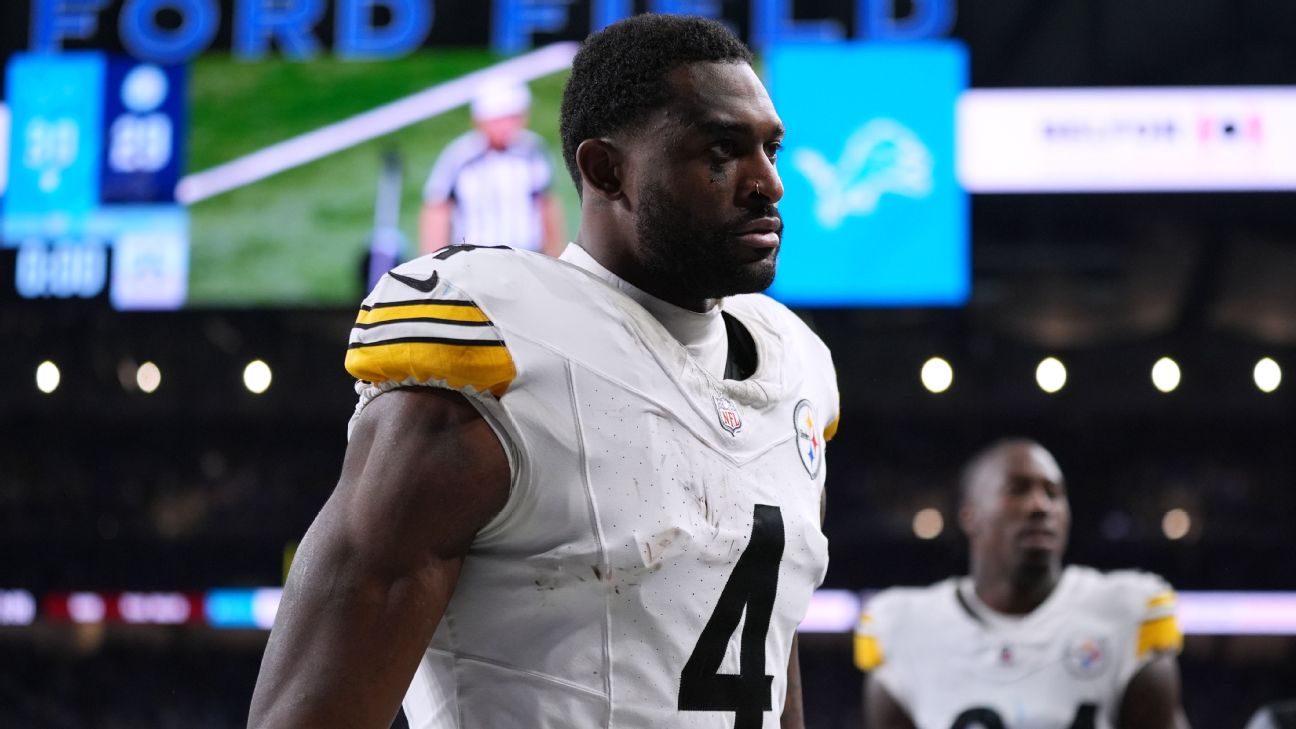
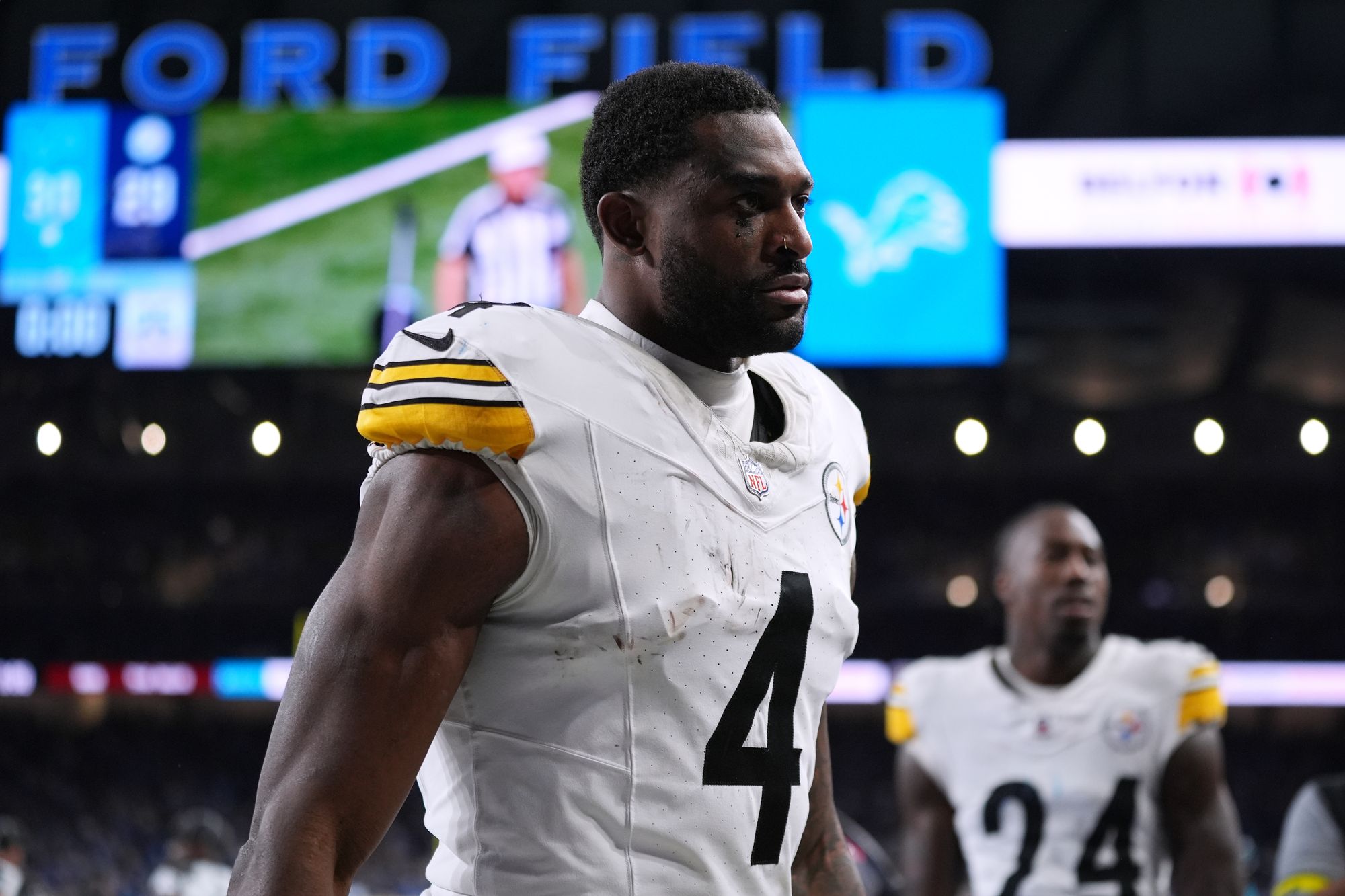
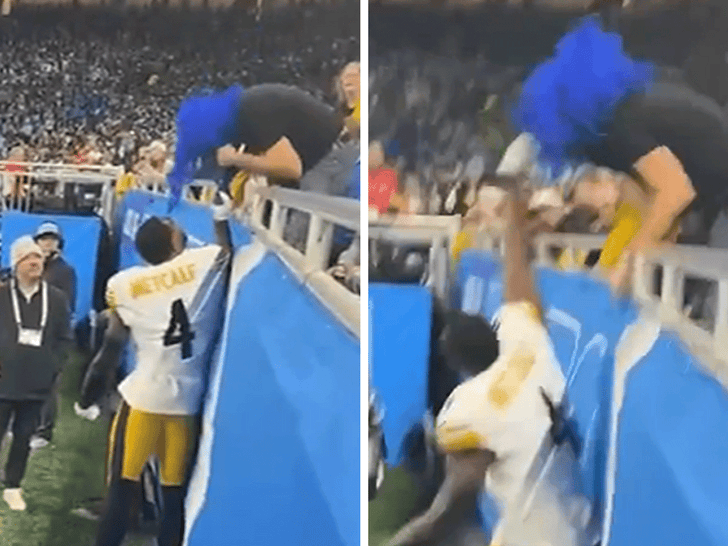
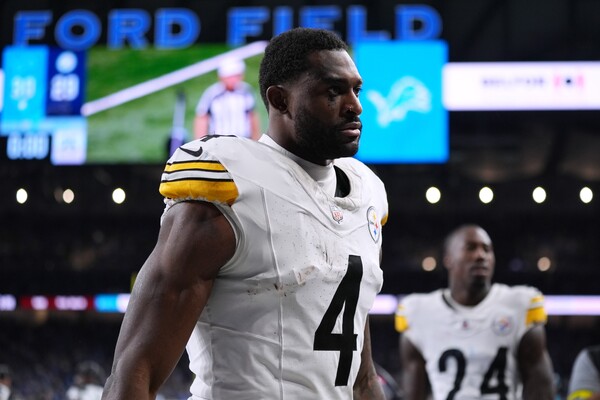
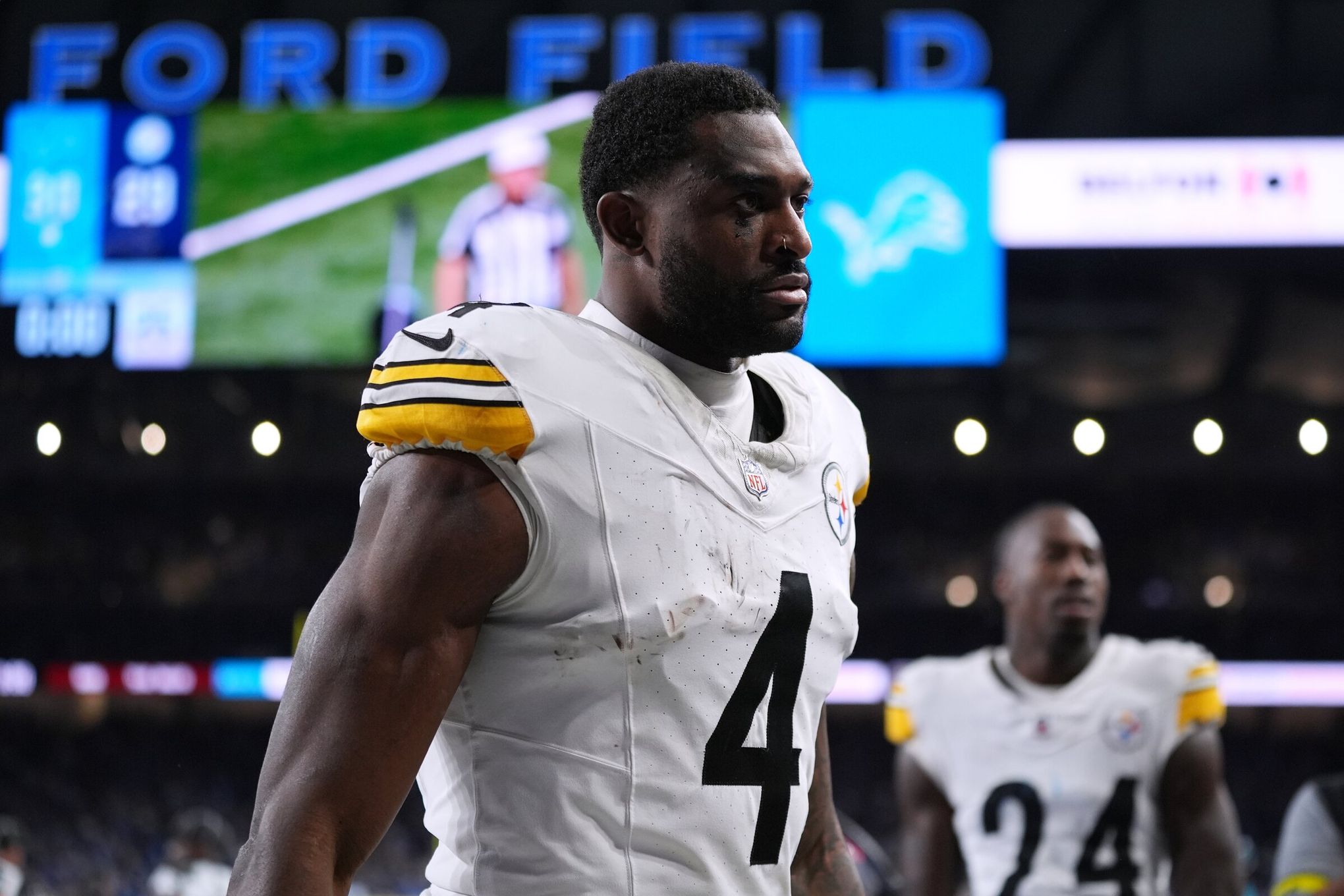
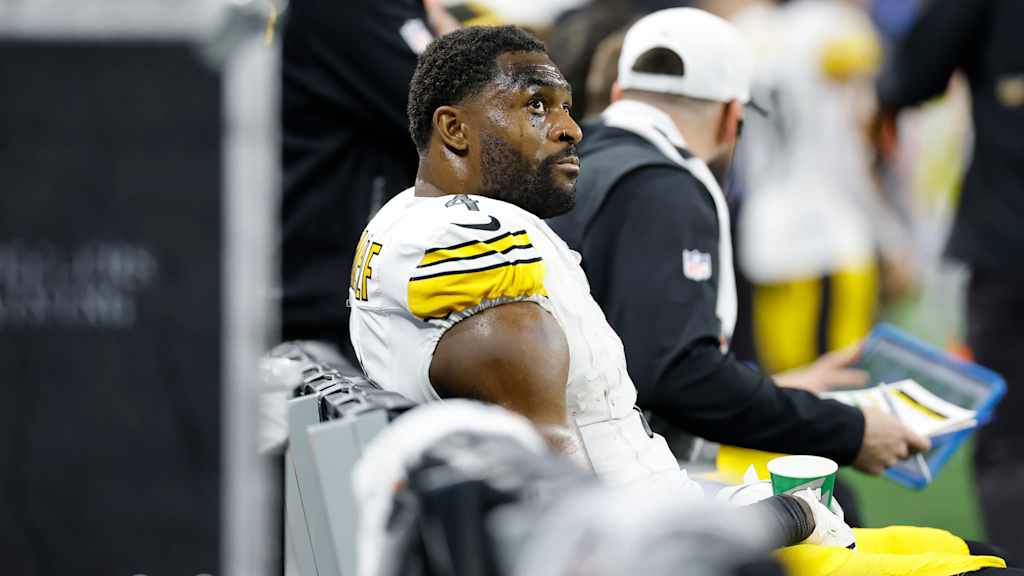
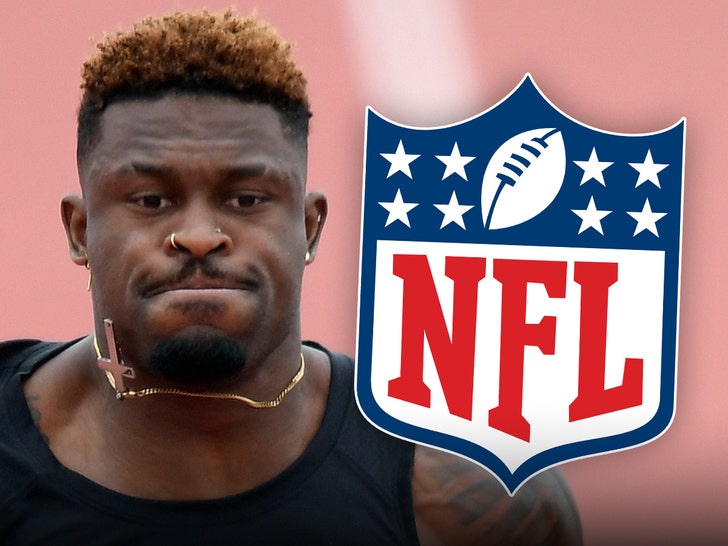
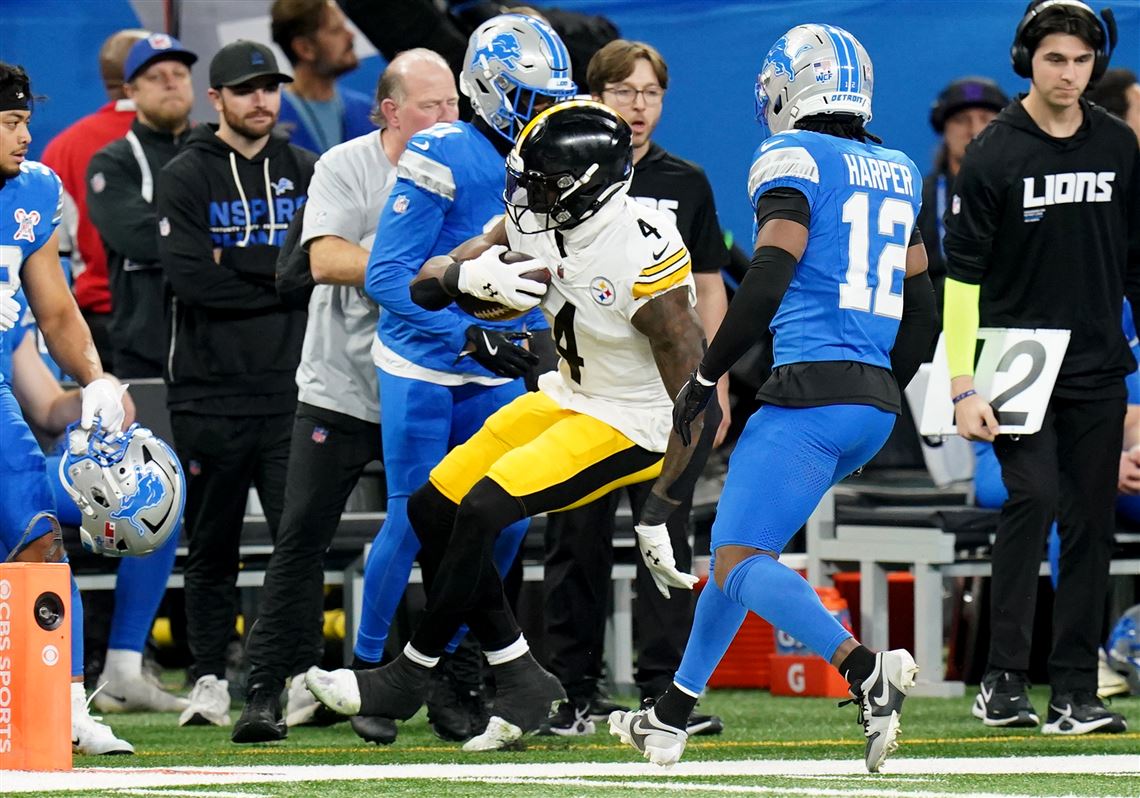
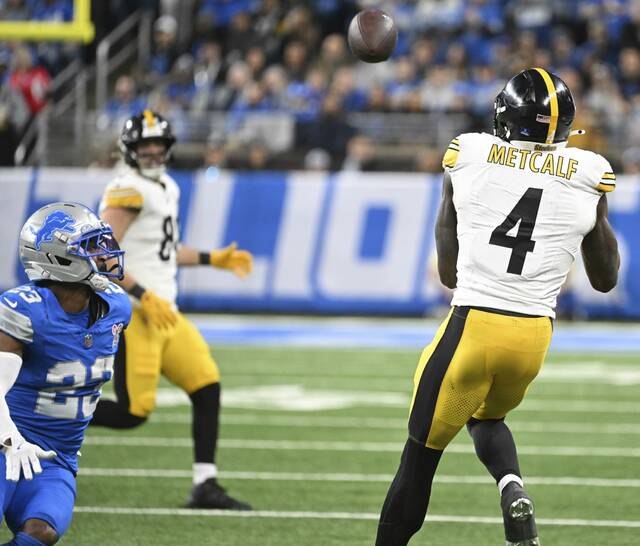
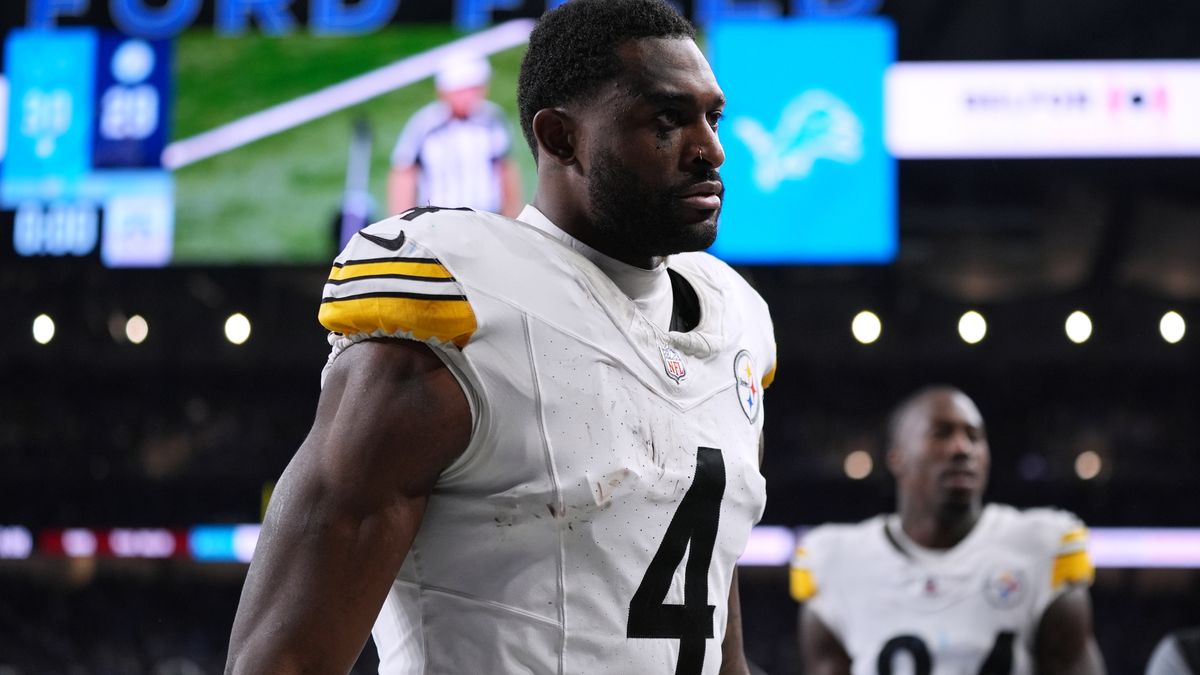
The recent incident involving DK Metcalf and a Detroit Lions fan reveals the razor-thin line between professional composure and emotional volatility in high-stakes sporting environments. What began as a seemingly minor confrontation escalated into a significant disciplinary event, highlighting the complex dynamics between professional athletes and spectators.
Professional Standards in Athletic Performance emerge as a critical focal point in this narrative. The NFL's two-game suspension of Metcalf underscores the league's zero-tolerance approach to player-fan interactions. The incident, triggered by conflicting accounts—ranging from Metcalf being called by his full name to alleged derogatory comments—demonstrates the nuanced and potentially explosive nature of on-field tensions.
The confrontation reveals multiple layers of complexity. Historical Context plays a crucial role, with reports suggesting Metcalf had previous negative interactions with the same fan during his time with the Seattle Seahawks. This suggests a pattern of escalating personal dynamics that transcend a single moment of conflict. The NFL's disciplinary response signals a broader commitment to maintaining professional boundaries, regardless of the specific provocation.
Emotional Intelligence and Public Persona become paramount in understanding such incidents. Professional athletes operate under intense scrutiny, where every interaction can be dissected and potentially career-impacting. Metcalf's suspension serves as a stark reminder that personal restraint is as critical to an athlete's performance as physical skill. The incident highlights the increasing expectations for athletes to maintain composure, even under provocative circumstances.
The broader implications extend beyond this single event. It represents a microcosm of the evolving relationship between public figures and their audience, where personal boundaries, professional conduct, and emotional management intersect in increasingly complex ways. For athletes, the message is clear: your reputation is built not just on athletic performance, but on your ability to navigate high-pressure social interactions with grace and professionalism.
Questions 4
What triggered the incident between DK Metcalf and the fan?
Multiple narratives exist. According to the Detroit Free Press, the fan called Metcalf by his full name, while NFL Network suggested the fan used derogatory language about Metcalf's mother. The conflicting accounts highlight the complex nature of the confrontation.
How severe is the NFL's response to this incident?
The NFL suspended Metcalf for two games, which is a significant disciplinary action. This suspension demonstrates the league's strict stance on maintaining professional conduct and preventing player-fan confrontations.