






Blood Sugar Normalization: The Breakthrough Heart Health Strategy Transforming Preventive Medicine
- Groundbreaking research reveals how managing prediabetes could revolutionize cardiovascular disease prevention for billions worldwide


































Overview
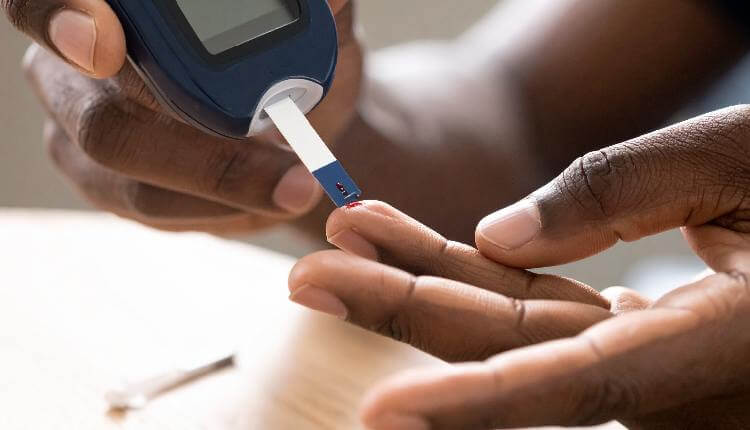
A paradigm-shifting medical breakthrough is challenging long-standing assumptions about heart disease prevention. Prediabetes, once viewed as a mere precursor to diabetes, is now emerging as a direct cardiovascular health threat with profound implications for global public health.
Multiple international studies have uncovered a remarkable finding: normalizing blood glucose levels can dramatically reduce heart disease risks. Researchers tracking participants across U.S. and Chinese populations discovered that individuals who successfully restored their blood sugar to normal ranges experienced up to a 58% lower risk of heart-related death or hospitalization. This reduction persists decades after initial intervention, fundamentally rewriting our understanding of preventive healthcare.
The research introduces a critical new perspective: lifestyle modifications alone are insufficient for cardiovascular protection. Dr. Andreas Birkenfeld and colleagues emphasize that actively addressing blood sugar levels matters more than traditional health recommendations like weight loss or exercise. With approximately 1 billion individuals worldwide classified as prediabetic, this insight represents a potential game-changer in medical intervention strategies.
Key diagnostic markers have been established, with fasting glucose levels under 97 mg/dL serving as a simple yet powerful risk assessment tool. Despite low remission rates of 11-13% across study populations, those achieving glucose normalization experienced substantially reduced cardiovascular complications. The studies tracked participants for 20-30 years, providing robust, long-term evidence of the intervention's effectiveness.
This research challenges existing medical guidelines by proposing blood glucose normalization as a fourth pillar of cardiovascular prevention. It transforms prediabetes from a passive health condition to an active intervention opportunity, offering a clear pathway for millions to proactively protect their long-term health.
Questions 4
What blood glucose level indicates successful normalization?
Researchers identified a key diagnostic marker: fasting glucose levels under 97 mg/dL. This threshold serves as a simple, universally applicable risk assessment tool for healthcare professionals.
Why are lifestyle changes alone not enough for heart disease prevention?
The research demonstrates that while diet and exercise remain important, directly addressing and normalizing blood sugar levels provides more significant cardiovascular protection than traditional lifestyle interventions.