




Breakthrough in Immune System Rejuvenation: Liver Becomes the New Thymus
- MIT's Revolutionary mRNA Approach Promises to Reverse Age-Related Immune Decline




Overview
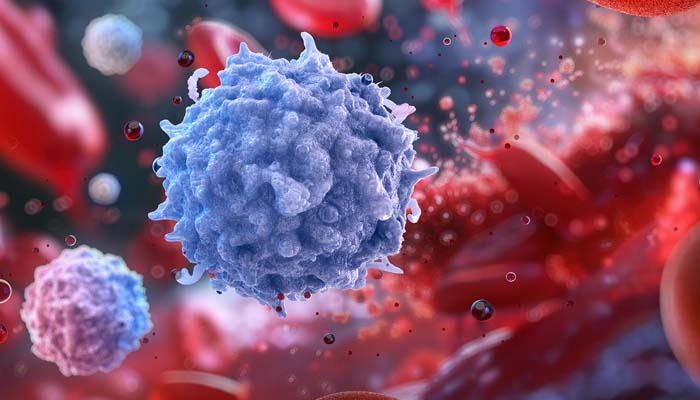
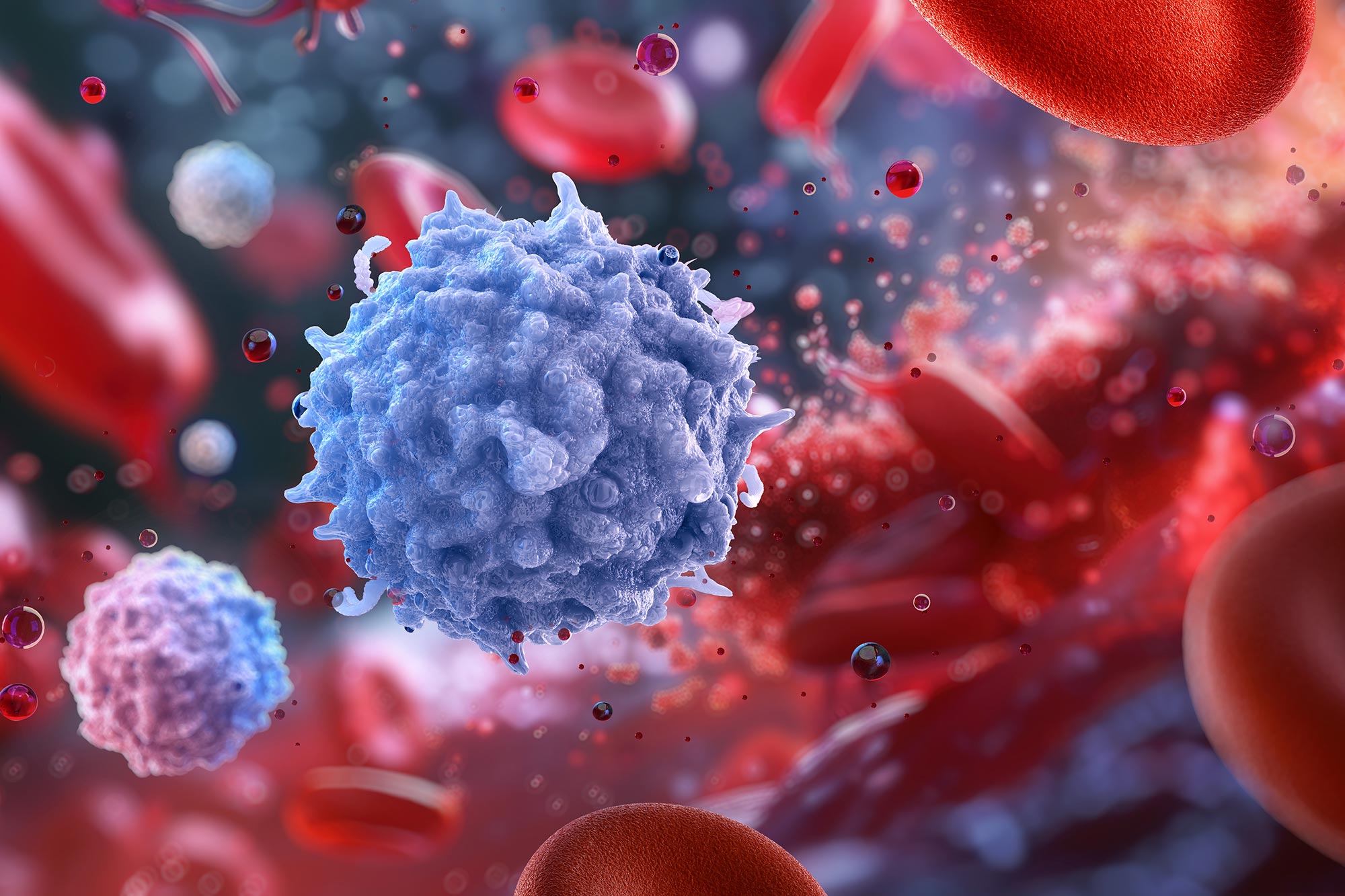
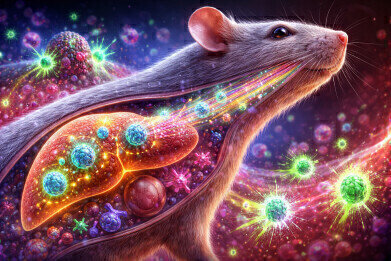
The frontier of medical science has been dramatically reshaped by a groundbreaking discovery that transforms our understanding of immune system aging. MIT researchers have unveiled a revolutionary method to temporarily rejuvenate the immune system, effectively turning the liver into a sophisticated cellular factory for immune regeneration.
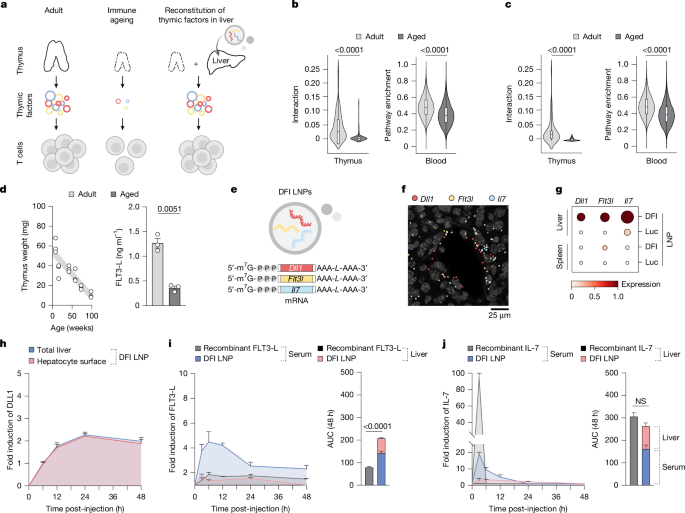
At the core of this breakthrough is an ingenious mRNA delivery technique that reprograms liver cells to generate critical immune signaling factors traditionally produced by the thymus. By introducing three key immune factors (DLL1, FLT-3, and IL-7) via lipid nanoparticles, scientists have created a temporary but powerful mechanism to counteract the natural decline of immune function that occurs with aging.
The experimental results are nothing short of remarkable. In 18-month-old mice—equivalent to humans in their 50s—multiple mRNA injections demonstrated dramatic improvements in immune system functionality. Treated mice experienced a stunning doubling of cytotoxic T-cell populations, enhanced vaccination responses, and significantly improved outcomes in cancer immunotherapy. Perhaps most critically, the approach showed potential for maintaining robust immune protection throughout an organism's lifespan.
What makes this research particularly revolutionary is its strategic approach to biological engineering. By targeting the liver's unique protein production capabilities, researchers have discovered an alternative pathway to thymic factor secretion. The method is transient yet powerful, avoiding the risks of permanent genetic modification while providing a dynamic solution to age-related immune system deterioration.
The implications extend far beyond simple immune enhancement. This breakthrough suggests a paradigm shift in how we conceptualize aging, offering a glimpse into a future where biological decline can be systematically addressed at the cellular level. Future research will explore additional signaling factors and potential applications across different immune cell types, potentially opening new frontiers in regenerative medicine.
Questions 4
How exactly does this mRNA approach rejuvenate the immune system?
The researchers use mRNA to deliver three critical immune factors (DLL1, FLT-3, and IL-7) directly to liver cells, creating a temporary 'factory' that generates signals normally produced by the thymus. This approach temporarily reprograms liver cells to stimulate T-cell production and survival, effectively counteracting age-related immune system decline.
What were the most significant experimental results?
In 18-month-old mice, the treatment resulted in doubled cytotoxic T-cell populations, enhanced vaccination responses, and improved cancer immunotherapy outcomes. Specifically, treated mice showed larger and more diverse T-cell populations and dramatically increased survival rates during cancer treatment.