




Global Flu Threat Emerges: New Subclade K Signals Potential Healthcare Disruption
- Unprecedented viral strain threatens workforce productivity and global health systems
























Overview
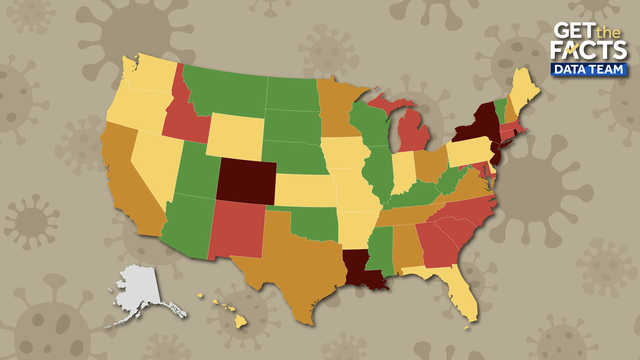
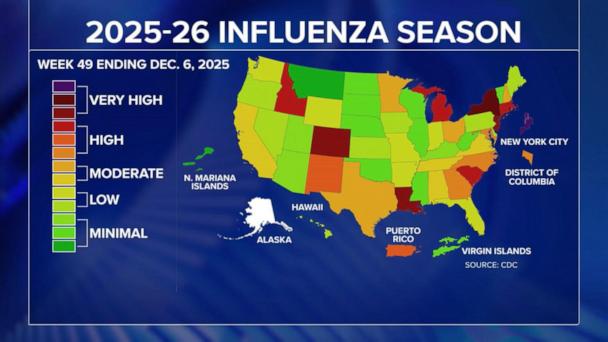
The emergence of Subclade K represents a critical inflection point in global public health surveillance, with potentially far-reaching implications beyond traditional seasonal flu dynamics. The Centers for Disease Control and Prevention (CDC) has documented an alarming 4.6 million flu cases in the United States, signaling a potentially transformative viral landscape that demands immediate strategic attention.
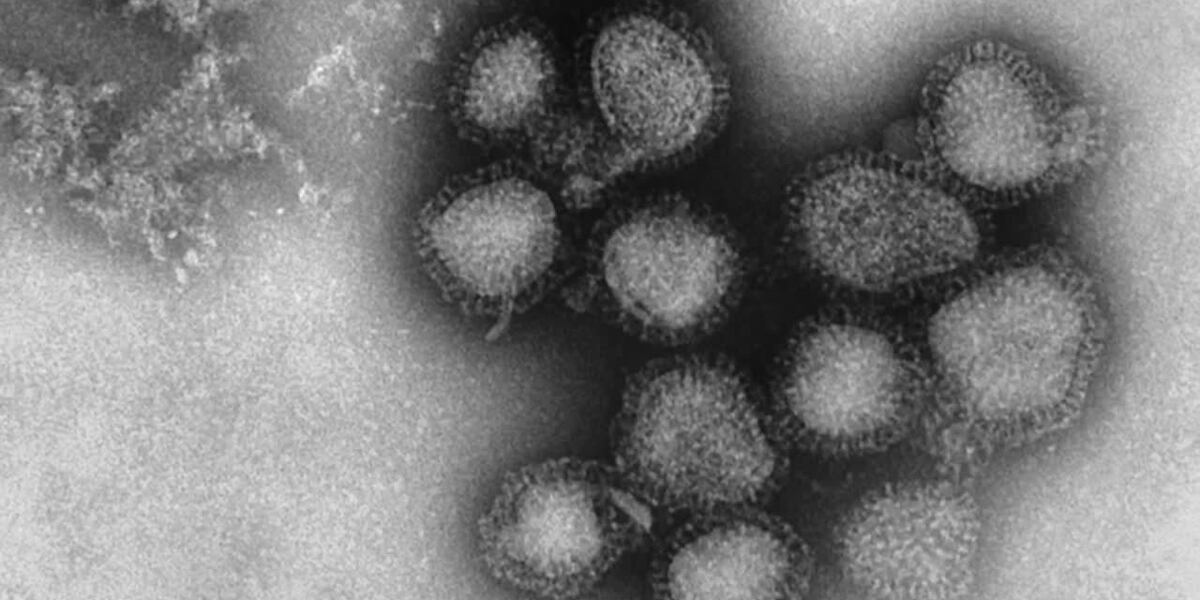
Viral Mutation and Global Spread mark the core narrative of this emerging health challenge. The new subclade, first identified in Australia and now detected across multiple countries including Japan and the United States, demonstrates the increasingly interconnected nature of disease transmission. The United Kingdom's National Health Service data reveals this strain has generated the highest hospitalization rates for this season, suggesting a significant deviation from typical seasonal patterns.
Vaccination Efficacy and Strategic Preparedness emerge as critical considerations. Current vaccines, developed before Subclade K's emergence, offer reduced but still meaningful protection. Medical experts from the Virginia Department of Health emphasize that while the current flu season has been relatively mild, this new strain could dramatically alter the healthcare landscape. The strategic imperative now lies in rapid response, enhanced monitoring, and proactive public health measures.
The broader implications extend beyond immediate medical concerns. The potential for increased hospitalizations suggests substantial workforce productivity risks and potential disruptions to global business operations. International travel, employee health, and organizational continuity are now directly linked to the evolution of this viral strain. Organizations must develop adaptive strategies that integrate health surveillance, flexible work protocols, and robust preventive infrastructure.
Ultimately, this situation underscores the dynamic and unpredictable nature of viral ecosystems. Continuous vigilance, global collaboration, and agile response mechanisms will be paramount in mitigating potential widespread health and economic impacts.
Questions 4
What are the potential economic implications of this flu strain?
The new strain could significantly impact workforce productivity, with potential disruptions to business operations, increased absenteeism, and potential strain on healthcare infrastructure. Organizations should prepare flexible work protocols and enhanced health monitoring strategies.
What strategies are health authorities recommending to combat this flu season?
Health authorities are emphasizing continued vaccination, heightened vigilance, proactive health measures, and ongoing monitoring of viral strains. They recommend maintaining personal hygiene, getting vaccinated, and staying informed about local viral transmission rates.