
Product Innovation Transforms Stagnant Markets Through Strategic Reinvention
- Targeted development and consumer-centric strategies unlock growth in seemingly saturated categories
Overview
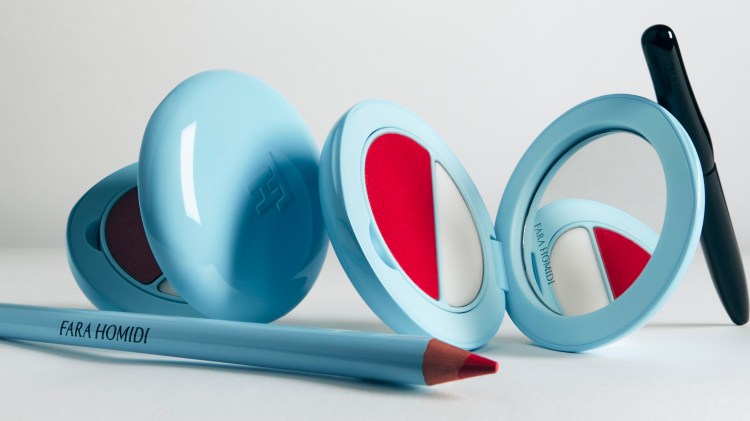
In the dynamic landscape of marketing, the beauty industry reveals a critical strategic blueprint for revitalizing seemingly dormant market segments. The 2025 makeup market demonstrates how targeted product innovation can breathe new life into stagnating categories, with lip products emerging as a pivotal case study of strategic market transformation.
Consumer-driven innovation stands at the core of this marketing renaissance. Despite overall makeup sales stagnation, lip-focused products like sculpting lip liners and glossy lip oils have shown remarkable resilience by understanding and adapting to evolving consumer preferences. This approach goes beyond traditional product development, representing a sophisticated market reengineering strategy.
The underlying marketing insight is profound: product complexity and strategic pricing can reinvigorate even the most challenged market segments. Manufacturers who rapidly iterate and introduce novel concepts are positioning themselves as adaptive market leaders. The success of lip products highlights a broader marketing principle: innovation is not about creating entirely new categories, but reimagining existing ones through deep consumer understanding.
Key to this strategy is affordability combined with aesthetic sophistication. By offering accessible yet advanced product formulations, brands create a compelling value proposition that transforms consumer perception. This approach demonstrates that marketing success stems from understanding the nuanced intersection of consumer desires, product functionality, and strategic positioning.
For marketing professionals, the lesson is clear: market stagnation is not a dead end, but an opportunity for strategic reinvention. By focusing on targeted innovation, understanding consumer psychology, and maintaining pricing flexibility, brands can unlock growth in seemingly saturated markets. The lip product trend serves as a powerful testament to the transformative potential of intelligent, consumer-centric marketing strategies.
Questions 3
Why are lip products a significant marketing case study?
Lip products showcase how a potentially declining segment can be reinvigorated through strategic innovation. By introducing complex formulas, versatile styling options, and maintaining affordability, brands transformed consumer perception and market dynamics.
How can brands revive stagnating market segments?
By focusing on targeted product innovation, understanding consumer preferences, and creating sophisticated yet affordable offerings. The lip product market demonstrates how strategic reimagining can transform seemingly saturated categories through nuanced product development and pricing.