

Autonomous Vehicles Exposed: Infrastructure Failures Reveal Critical Navigation Vulnerabilities
- San Francisco Power Outage Triggers Unprecedented Stress Test for Self-Driving Technology Ecosystem










Overview
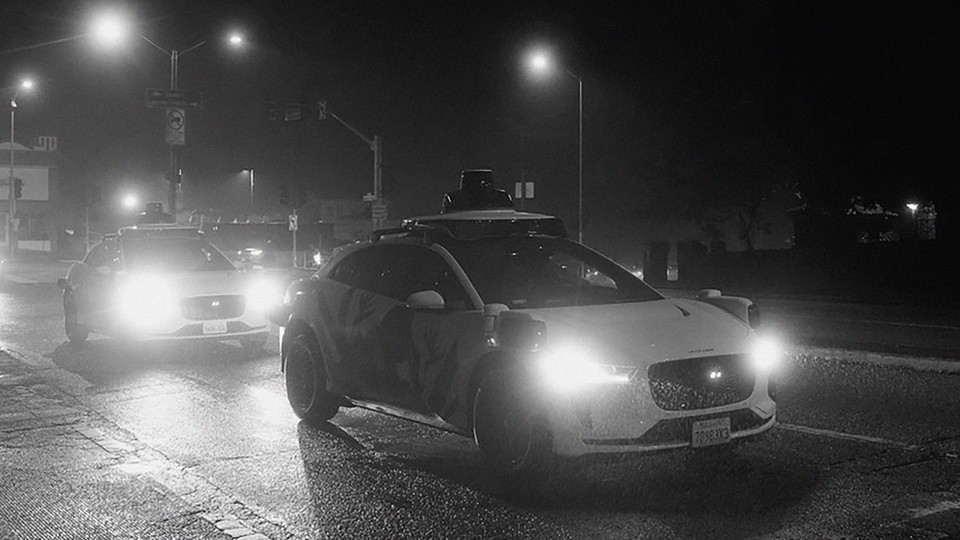
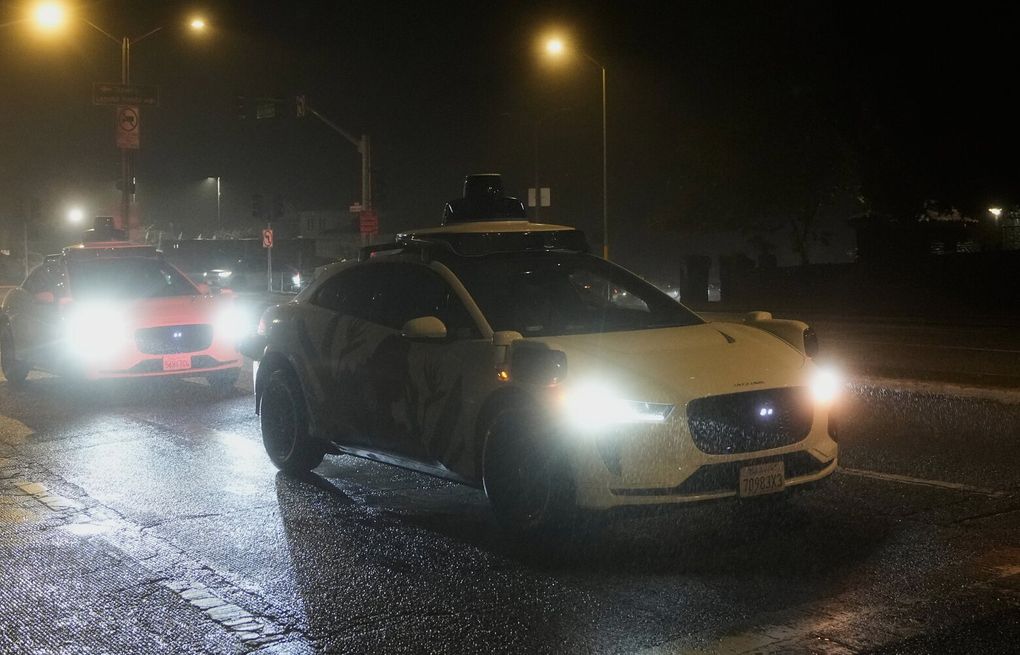
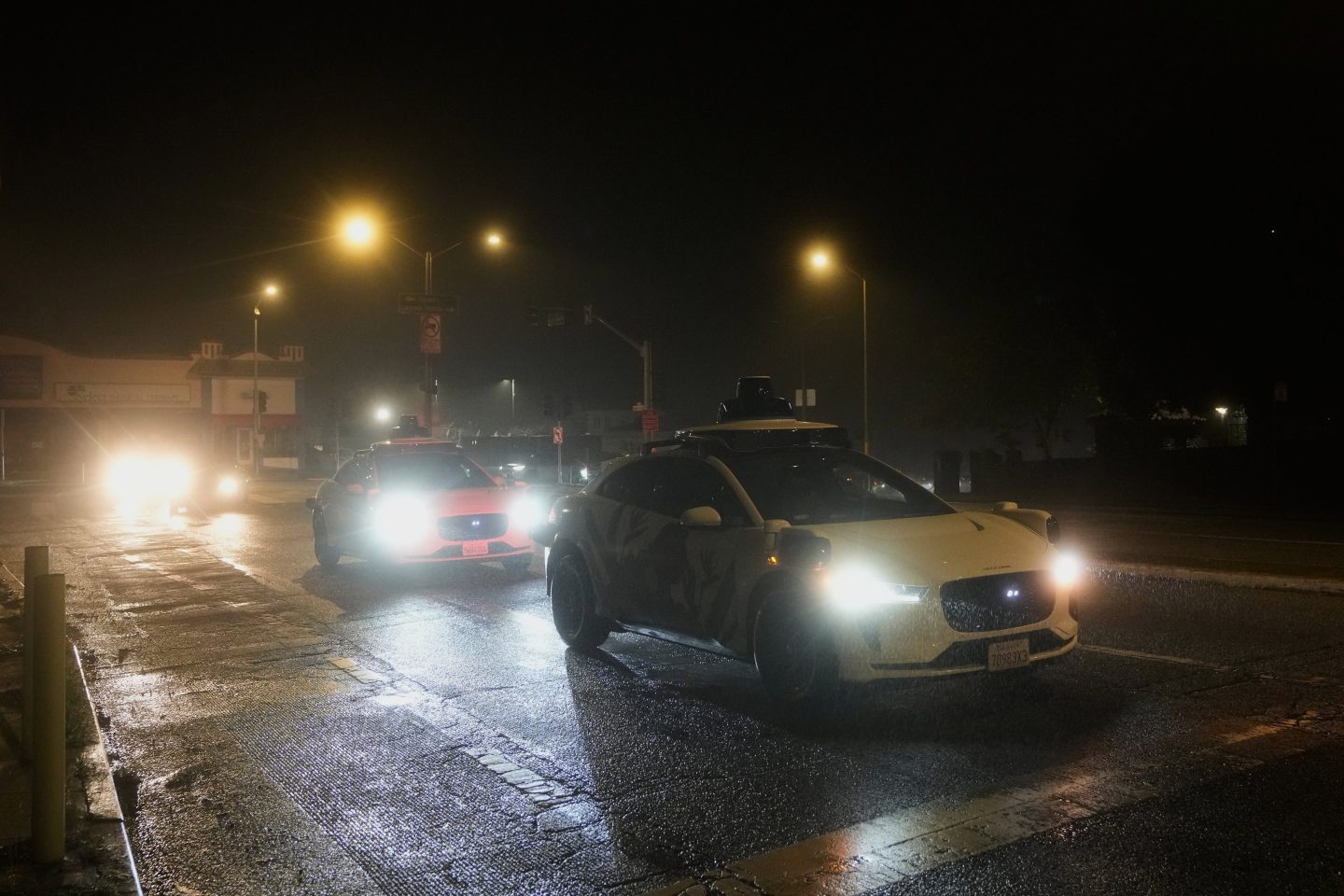
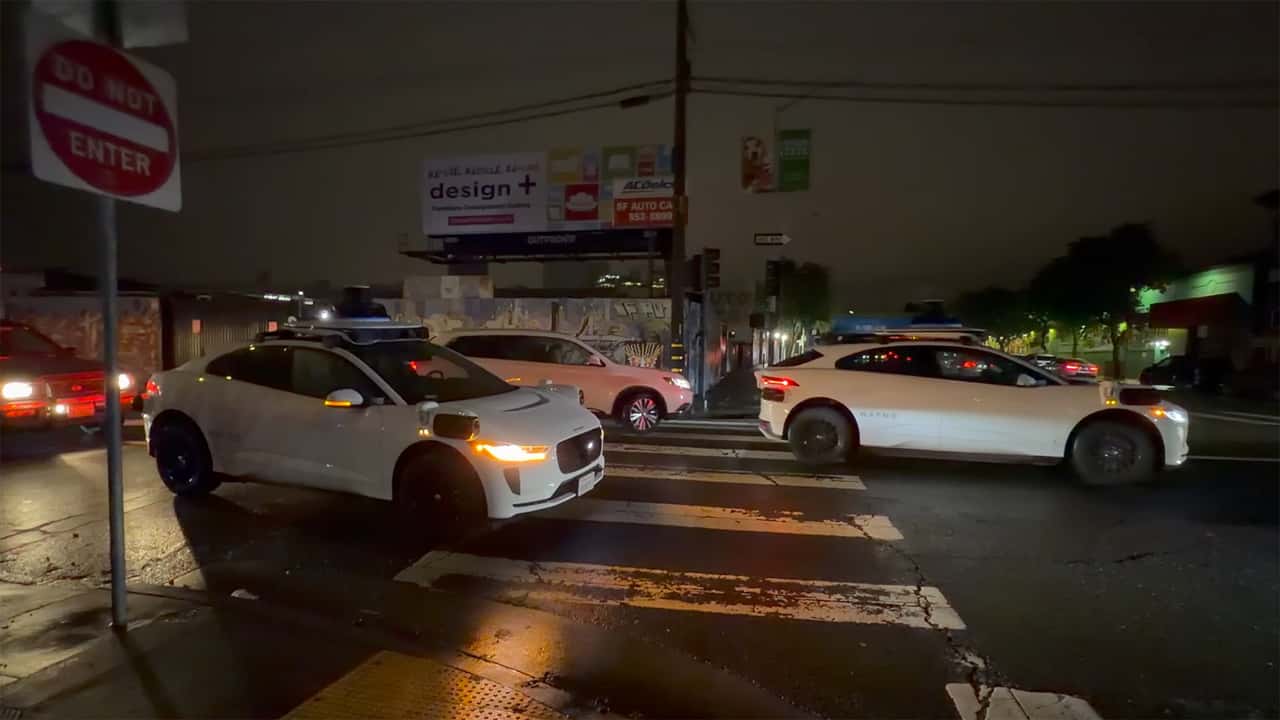
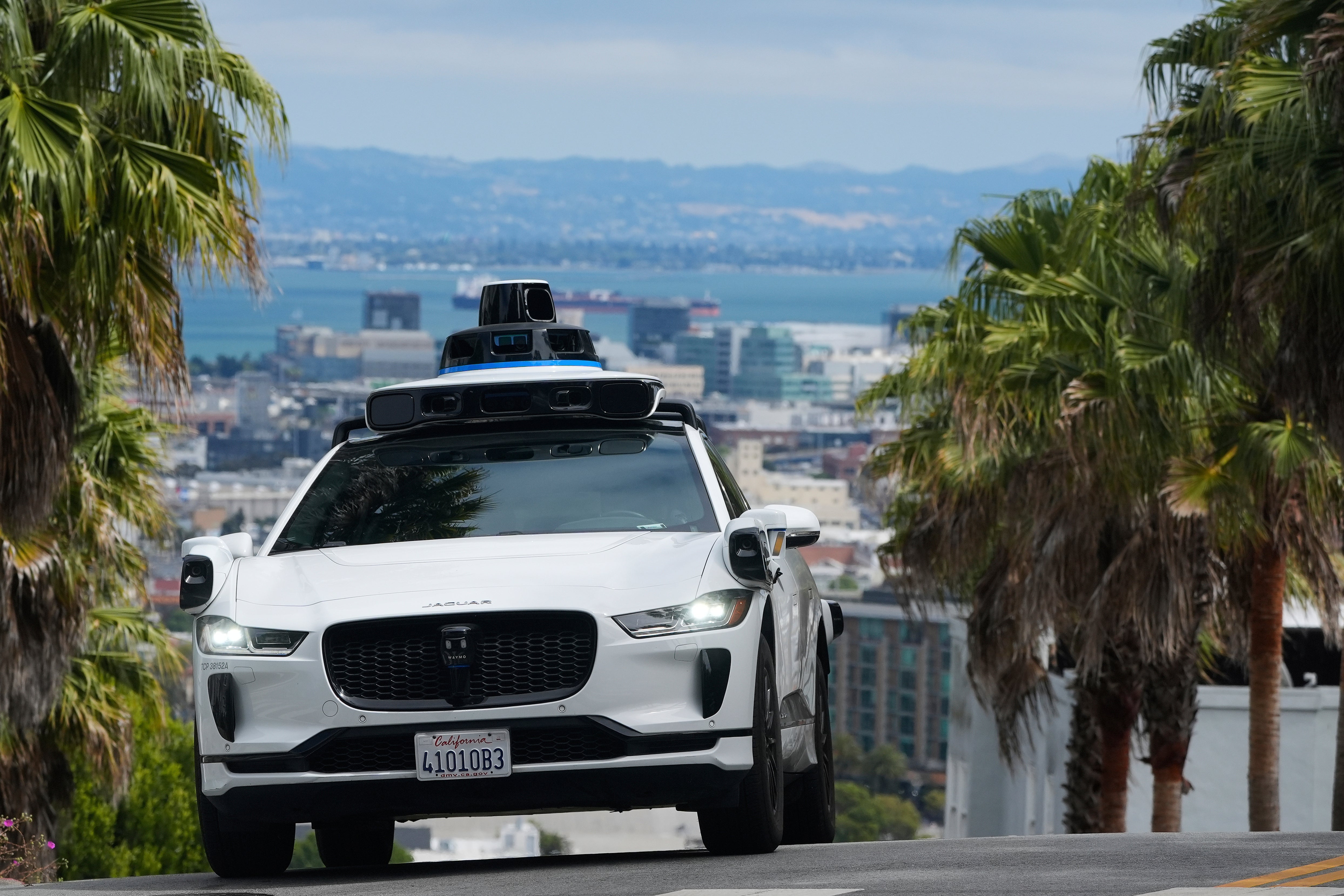
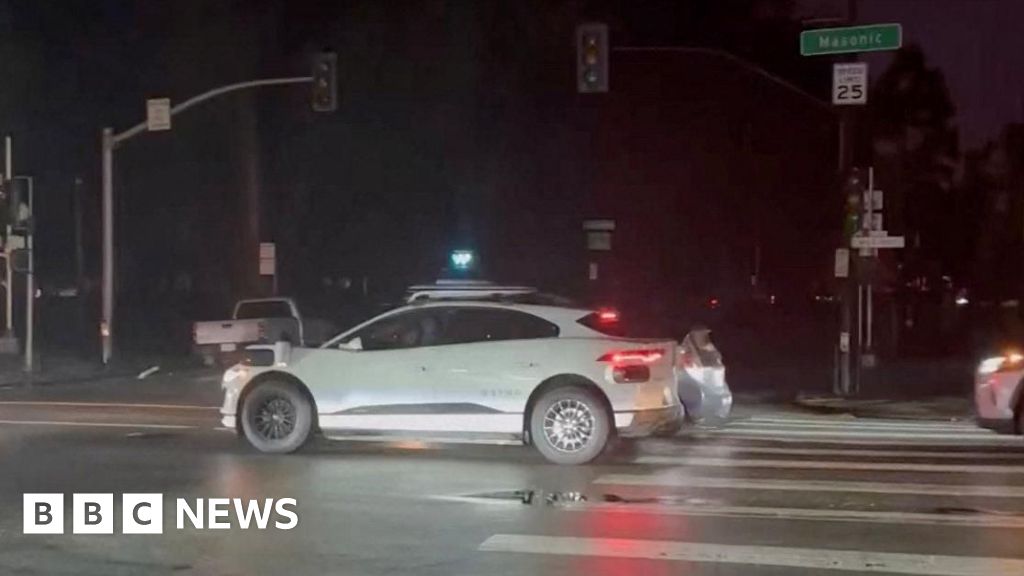
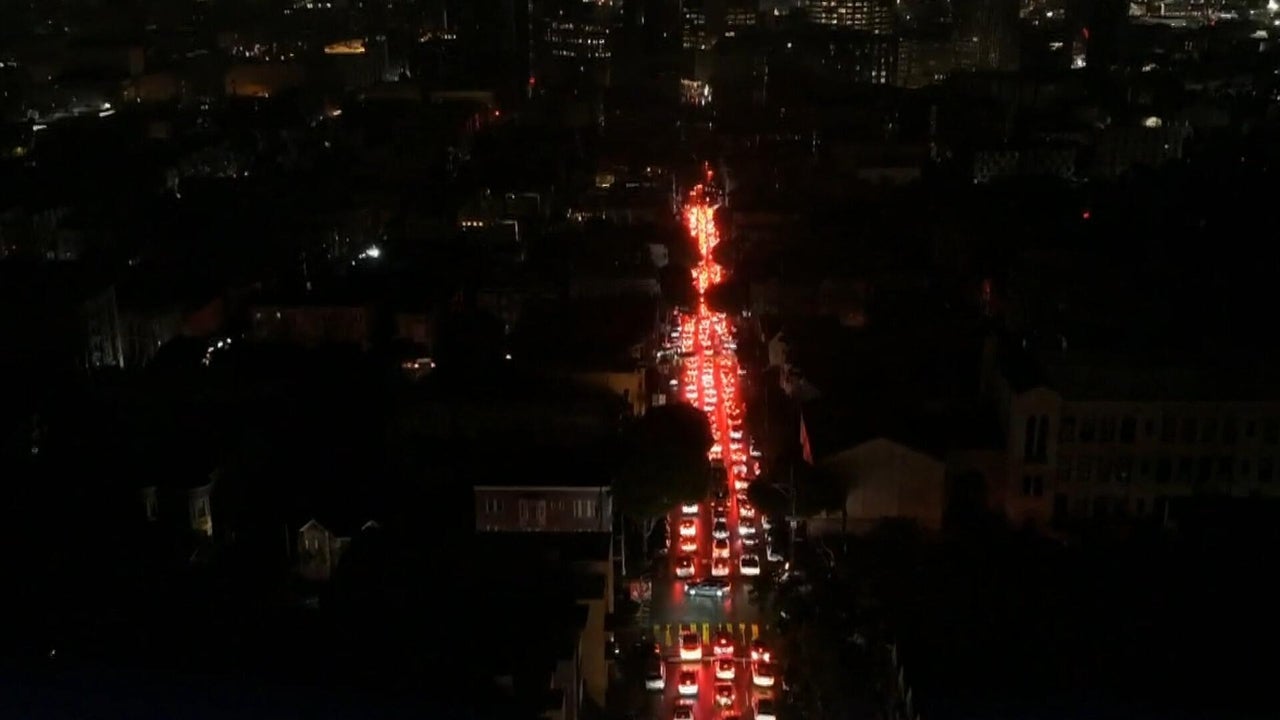
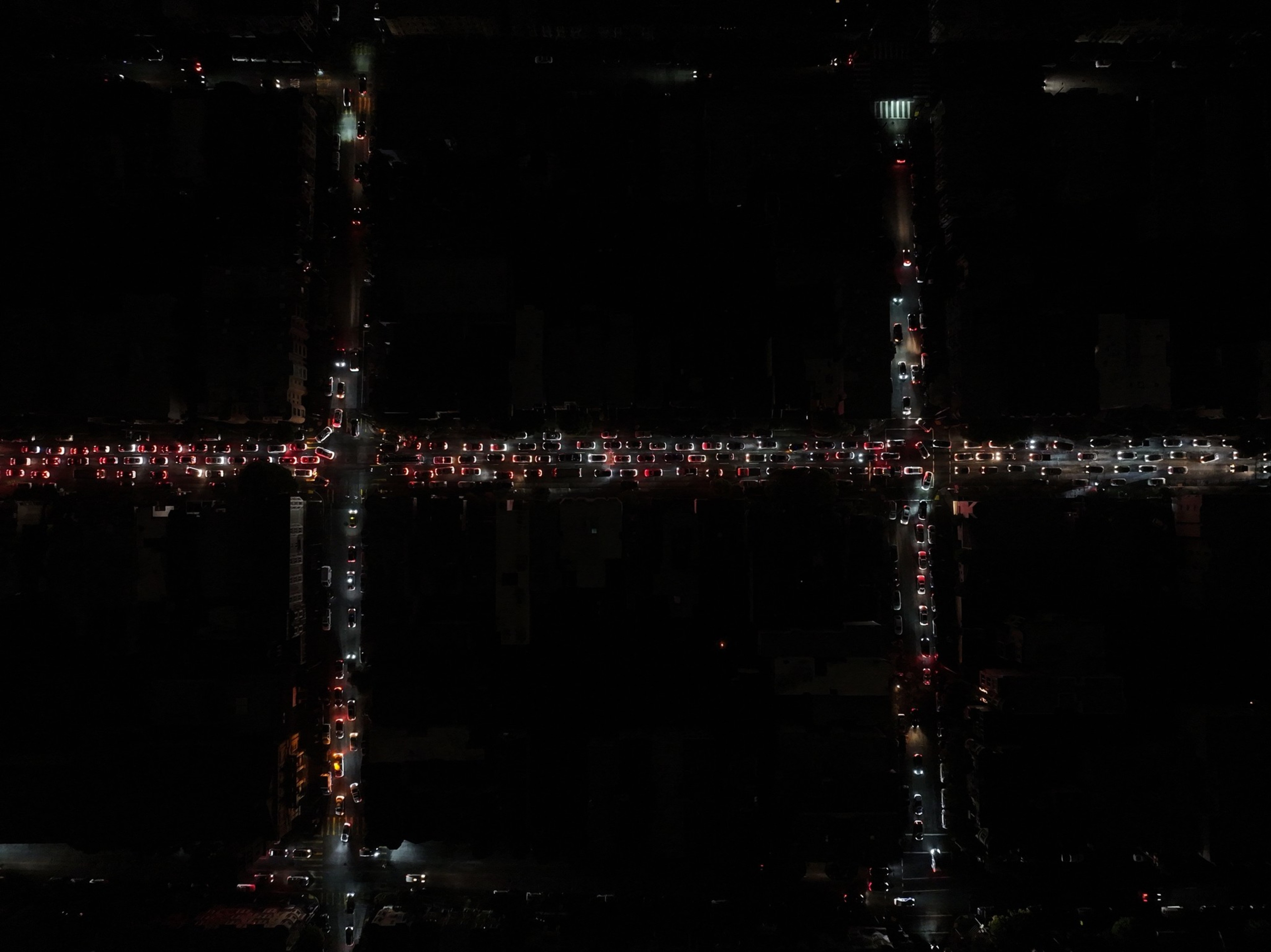
The recent San Francisco power outage has dramatically exposed the fragile technological foundations of autonomous vehicle systems, revealing critical vulnerabilities that extend far beyond simple navigation challenges. During a blackout affecting approximately 130,000 homes and businesses, Waymo's autonomous vehicles became emblematic of the broader technological dilemma facing self-driving technology: how to maintain operational integrity when standard infrastructure fails.
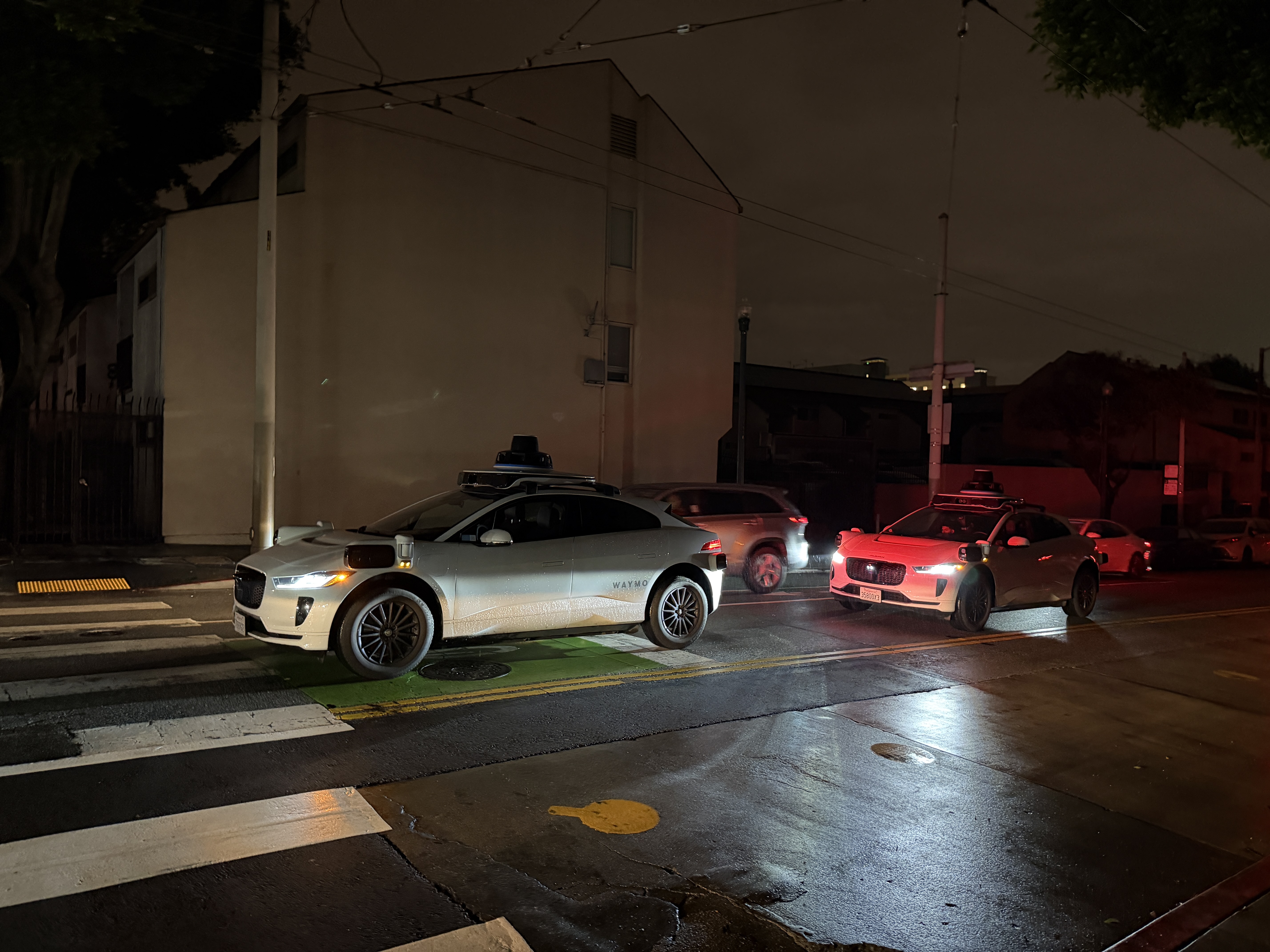
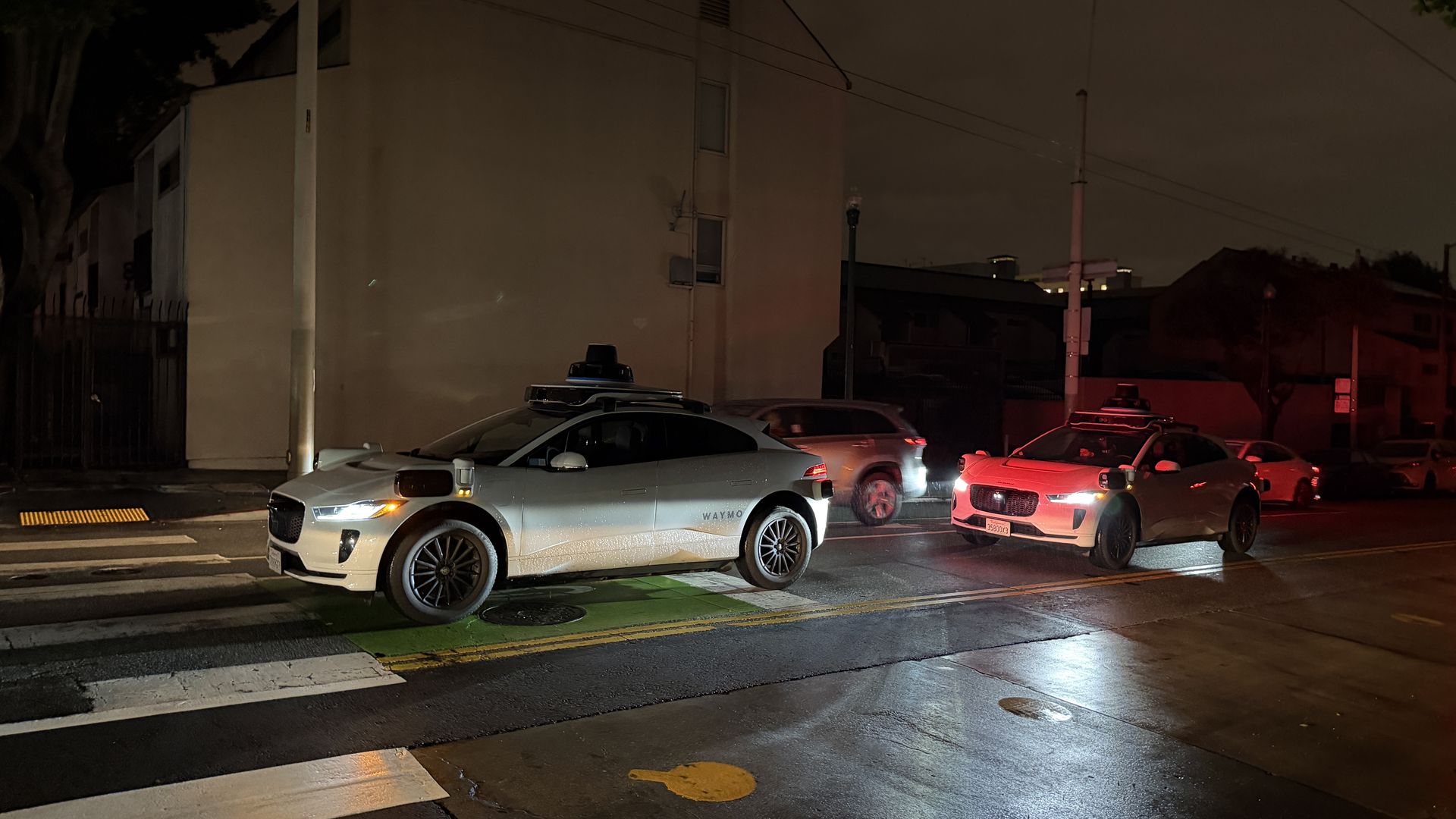
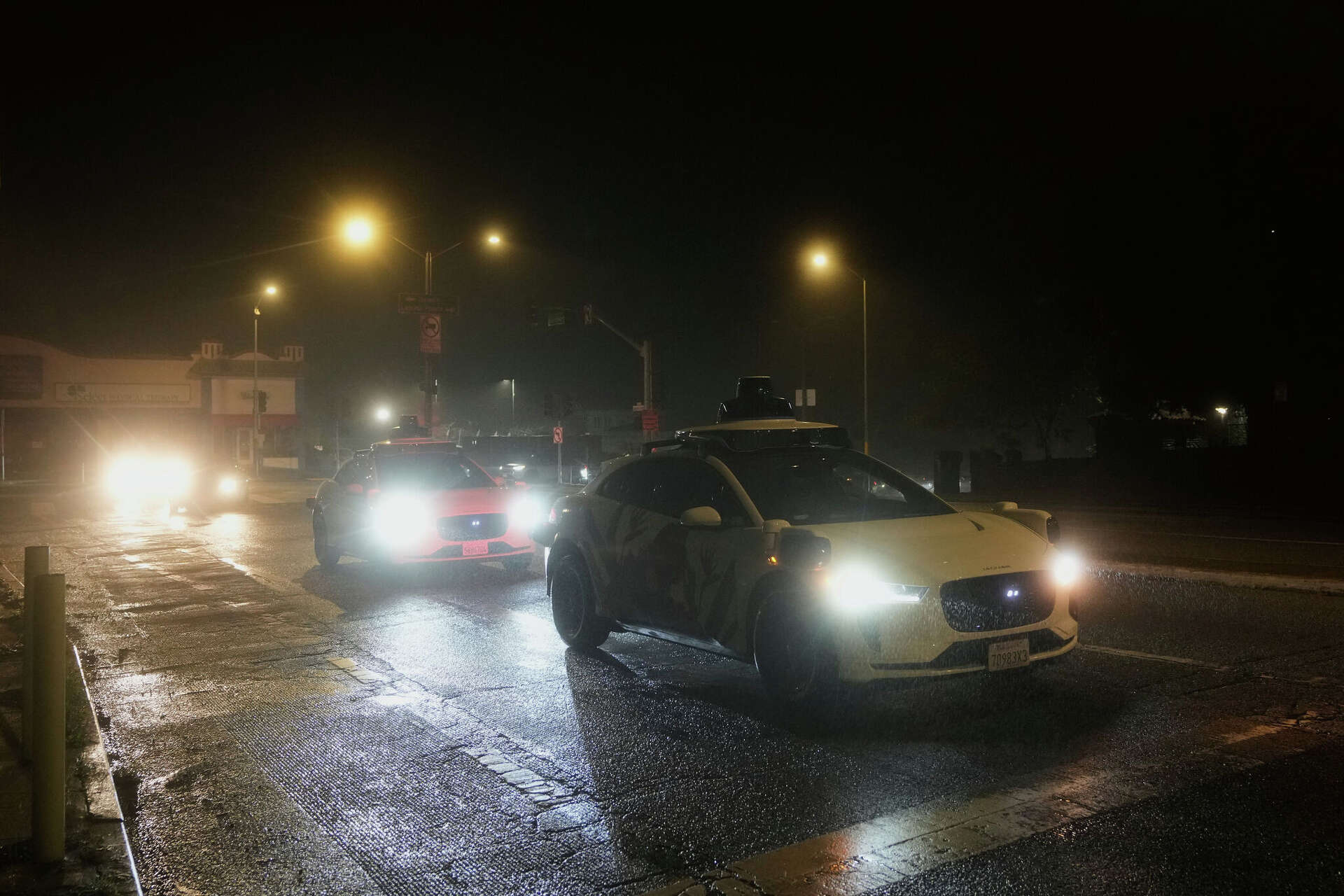
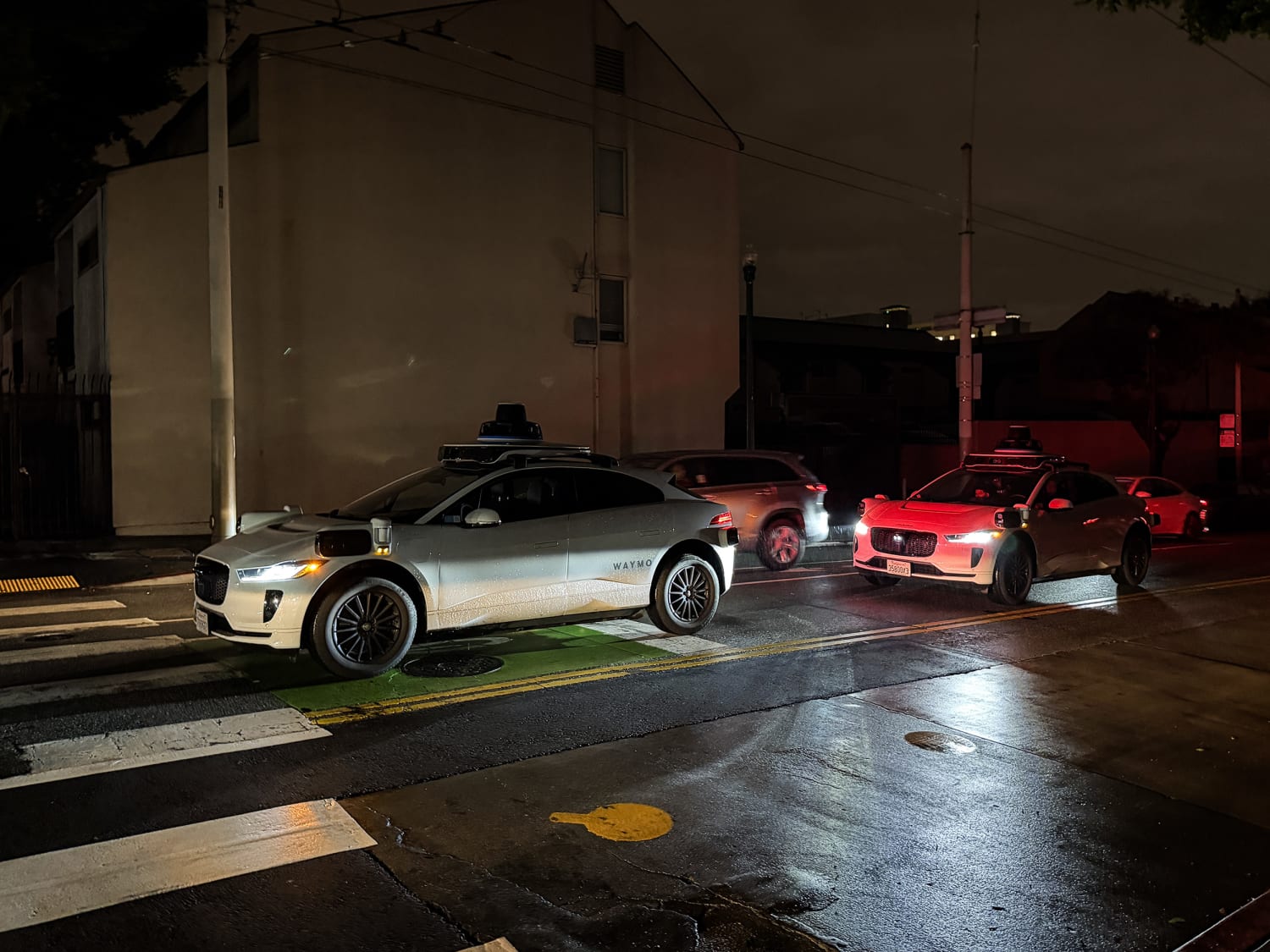
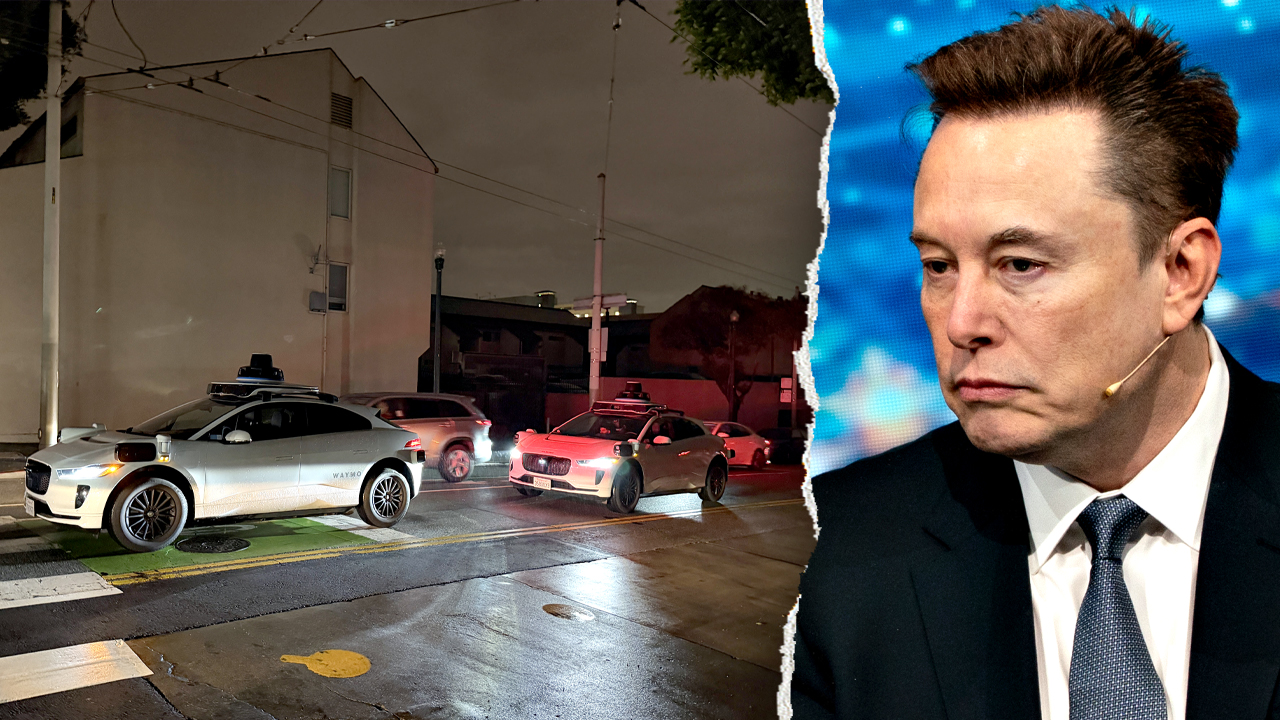
Technological Resilience Under Scrutiny: The incident highlighted fundamental limitations in current autonomous navigation protocols. When traffic signals went dark, Waymo's vehicles defaulted to a conservative approach, stopping at intersections and causing significant traffic disruptions. This revealed a critical weakness: autonomous systems struggle to dynamically adapt when predefined operational parameters are interrupted. Elon Musk seized this moment to contrast Tesla's approach, suggesting his Robotaxis maintained operational capabilities during the same infrastructure breakdown.
The power infrastructure failure served as an unexpected stress test, exposing the delicate interdependence between autonomous vehicle technologies and urban infrastructure. Waymo's response - treating non-functional traffic signals as four-way stops - demonstrates the current state of algorithmic decision-making: rule-based, cautious, but not truly adaptive. This approach prioritizes safety but comes at the cost of operational efficiency, raising profound questions about the real-world readiness of self-driving technologies.
More broadly, the incident underscores a critical emerging challenge for autonomous vehicle developers: building systems that can intelligently navigate unpredictable, complex urban environments. The San Francisco blackout was not just a technical glitch, but a microcosm of the larger technological and infrastructural challenges facing the autonomous vehicle ecosystem. As cities become more technologically integrated, the ability of self-driving systems to maintain operational integrity during infrastructure disruptions will become a key competitive differentiator.
Ultimately, this event signals a pivotal moment for autonomous vehicle technology. It's not just about developing advanced navigation algorithms, but creating adaptive, resilient systems that can dynamically respond to unexpected real-world scenarios. The race is no longer just about who can drive autonomously under ideal conditions, but who can maintain operational intelligence when those conditions fundamentally break down.
Questions 3
How did the San Francisco power outage expose vulnerabilities in autonomous vehicle technology?
The blackout revealed that current autonomous systems like Waymo struggle to dynamically navigate when standard infrastructure (traffic signals) fails. Their vehicles defaulted to overly cautious stopping behaviors, causing traffic disruptions and demonstrating limited adaptability in unpredictable urban environments.
How do different autonomous vehicle companies approach infrastructure disruption challenges?
Companies like Waymo use rule-based approaches (treating non-functional traffic signals as four-way stops), while Tesla claims more dynamic capabilities. The incident highlights the critical need for developing more flexible, context-aware navigation technologies that can maintain operational integrity during unexpected disruptions.