


The Profound Human Story Behind James Ransone's Tragic Passing
- A Poignant Reflection on Mental Health, Resilience, and the Hidden Struggles of Public Figures
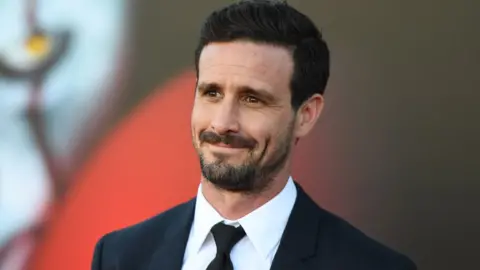

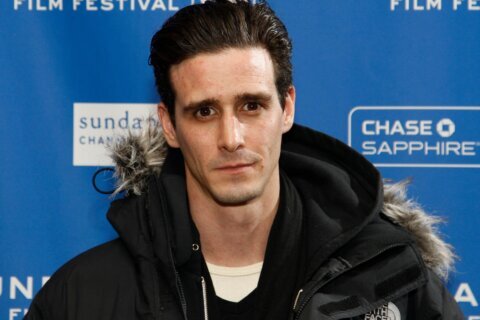


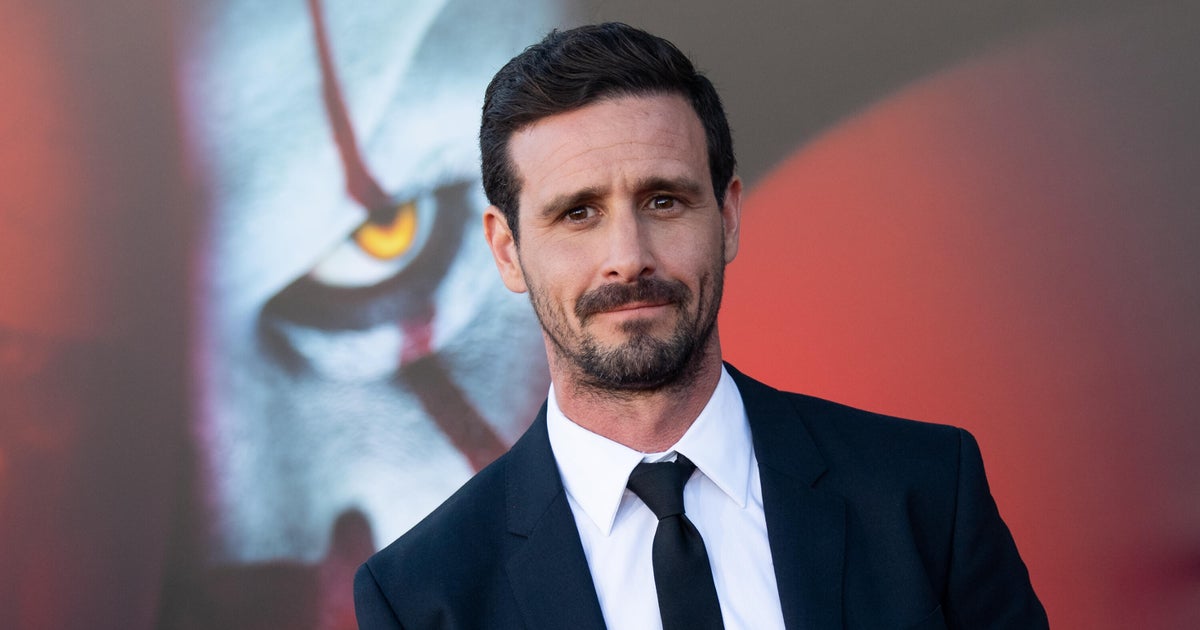


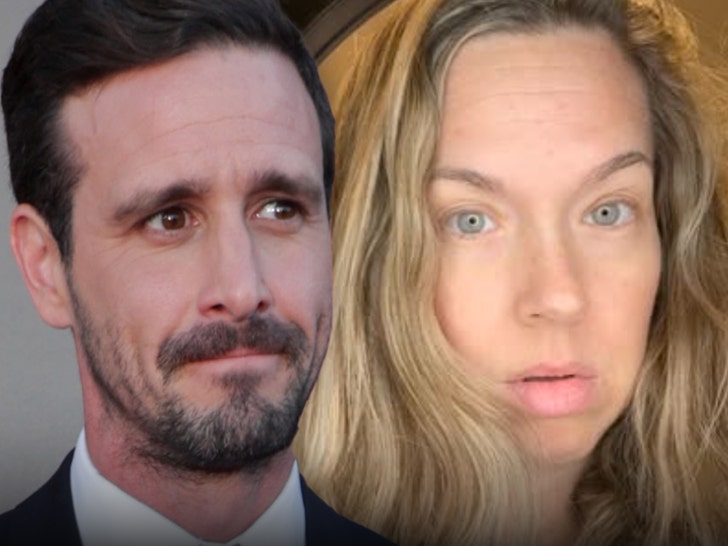






Overview
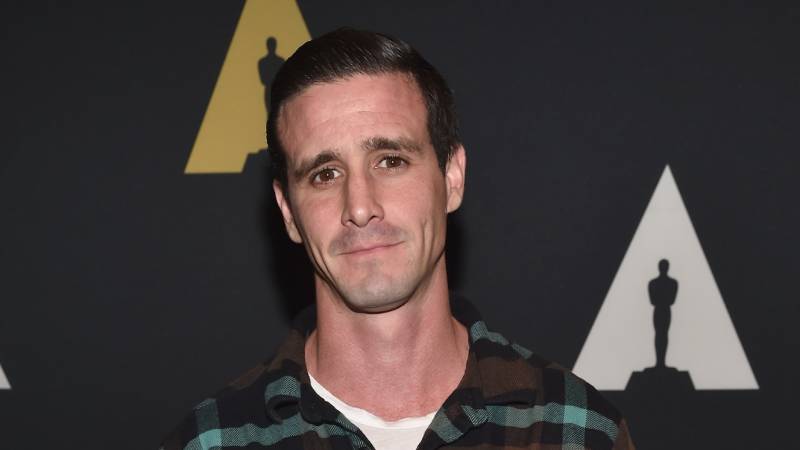
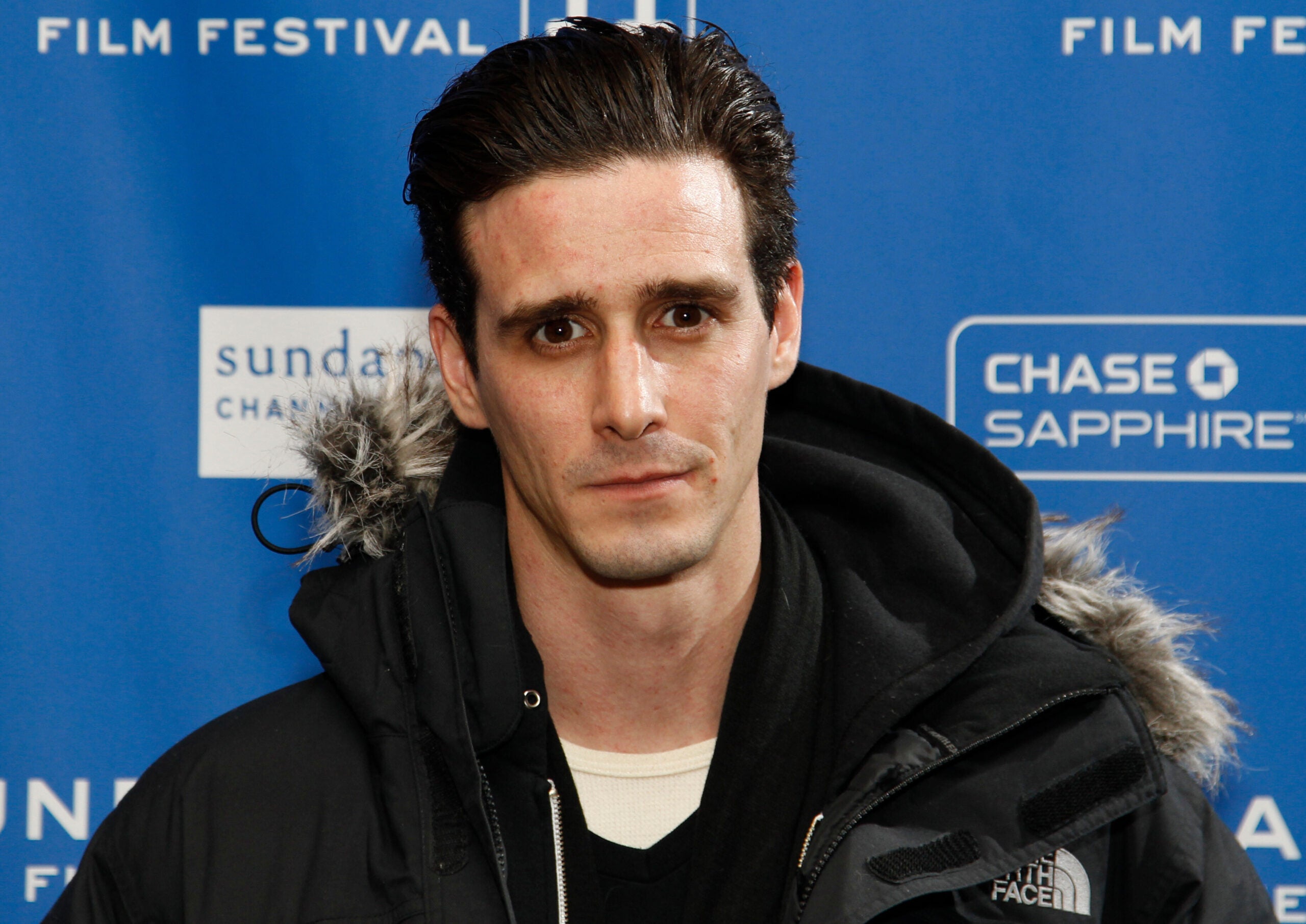
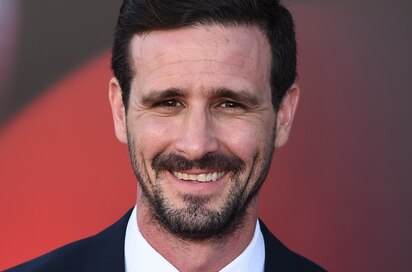
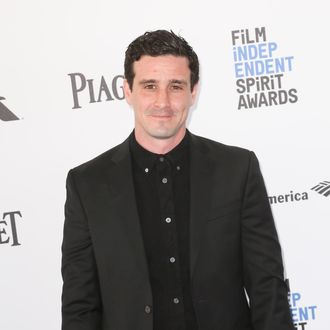
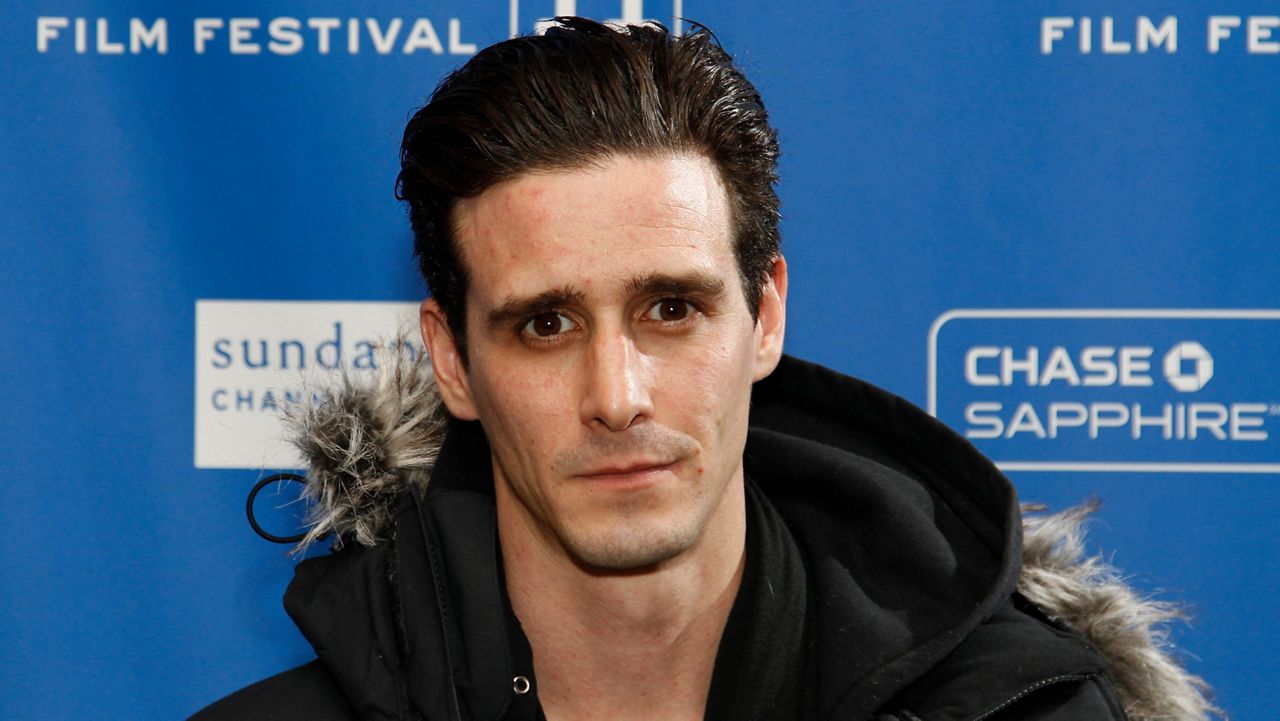
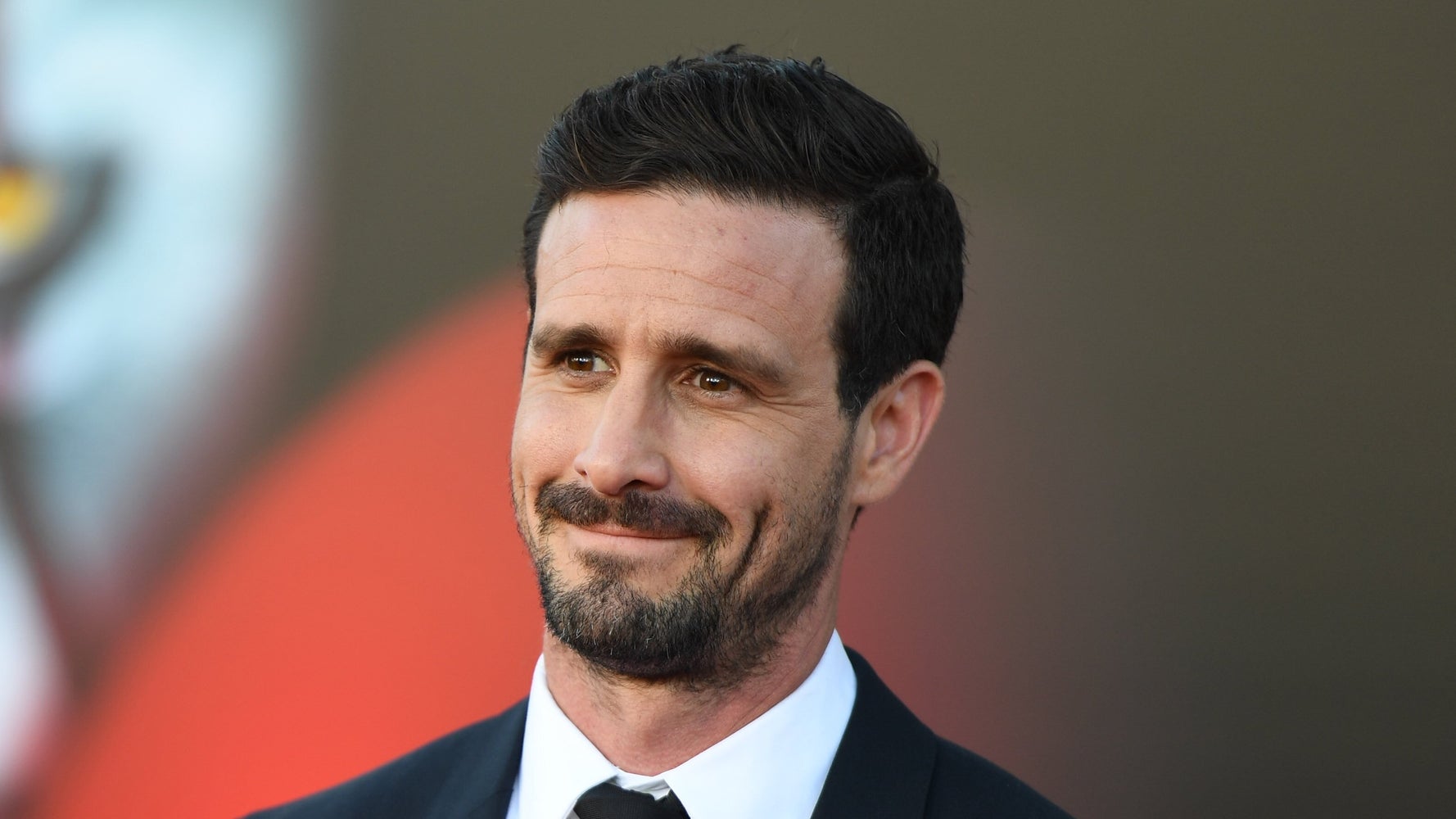
In the wake of actor James Ransone's untimely death, we are confronted with a deeply human narrative that transcends the boundaries of celebrity and reveals the complex inner landscapes of mental health and personal struggle. Ransone's life story emerges as a powerful testament to resilience, vulnerability, and the often-invisible battles fought by individuals in the public eye.
Mental health challenges take center stage in this narrative, with Ransone's personal journey highlighting the profound impact of childhood trauma. His public revelation in 2021 about experiencing sexual abuse as a child provides a critical lens into understanding the long-term psychological consequences of early traumatic experiences. The actor's subsequent struggles with alcohol and drug addiction, which he successfully overcame in 2006, demonstrate the remarkable human capacity for recovery and self-transformation.
The collective response to Ransone's passing—characterized by heartfelt tributes from fellow actors like Wendell Pierce and Andre Royo—underscores a growing awareness of mental health's complexity. His wife Jamie's emotional tribute, referencing their two children Jack and Violet, adds a deeply personal dimension to the public mourning. The GoFundMe campaign, which raised nearly $44,000 to support his family, represents more than financial assistance—it symbolizes a community's collective empathy and solidarity.
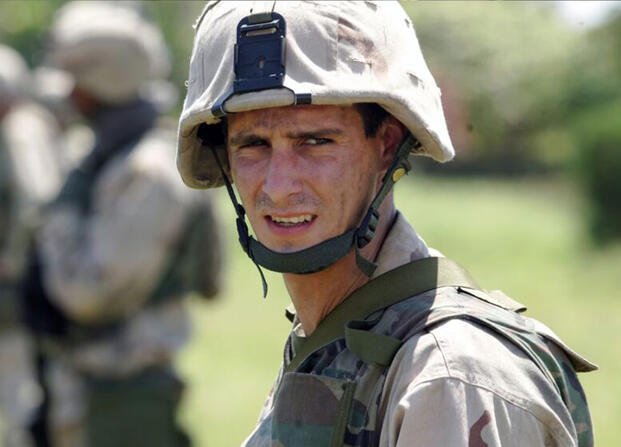
Ransone's professional legacy, marked by nuanced performances in HBO's 'The Wire' and horror films like 'The Black Phone', becomes secondary to the more urgent conversation about mental health support. His death serves as a stark reminder that success, talent, and apparent stability do not immunize individuals from profound psychological pain.
The narrative surrounding Ransone's life and death calls for a more compassionate, holistic understanding of mental health. It challenges societal stigmas and emphasizes the critical importance of support systems, professional help, and open dialogue about personal struggles.
Questions 3
What were the key mental health challenges James Ransone faced?
Ransone publicly revealed experiencing childhood sexual abuse, which contributed to struggles with alcohol and drug addiction. He successfully overcame heroin addiction in 2006, demonstrating remarkable personal resilience in confronting and managing these complex psychological challenges.
How did the entertainment community respond to Ransone's death?
Fellow actors like Wendell Pierce and Andre Royo offered heartfelt tributes, highlighting the deep respect and solidarity within the acting community. The response emphasized collective mourning and a shared recognition of the mental health challenges performers often face.