




Creative Tensions Reshape Iconic Psychedelic Rock Band's Future
- Internal dynamics expose the complex evolution of long-standing musical partnerships








Overview
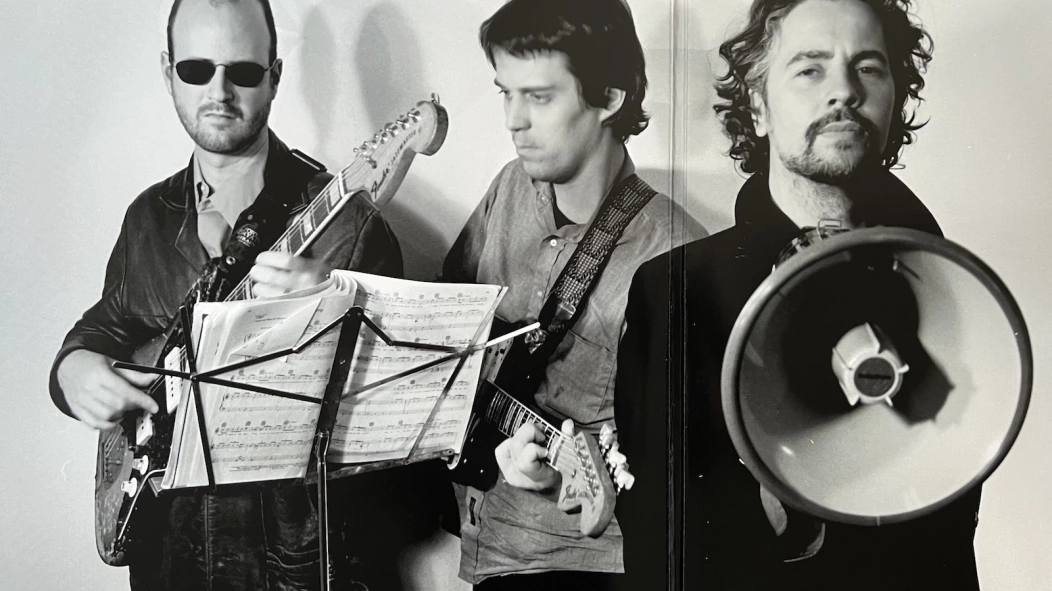
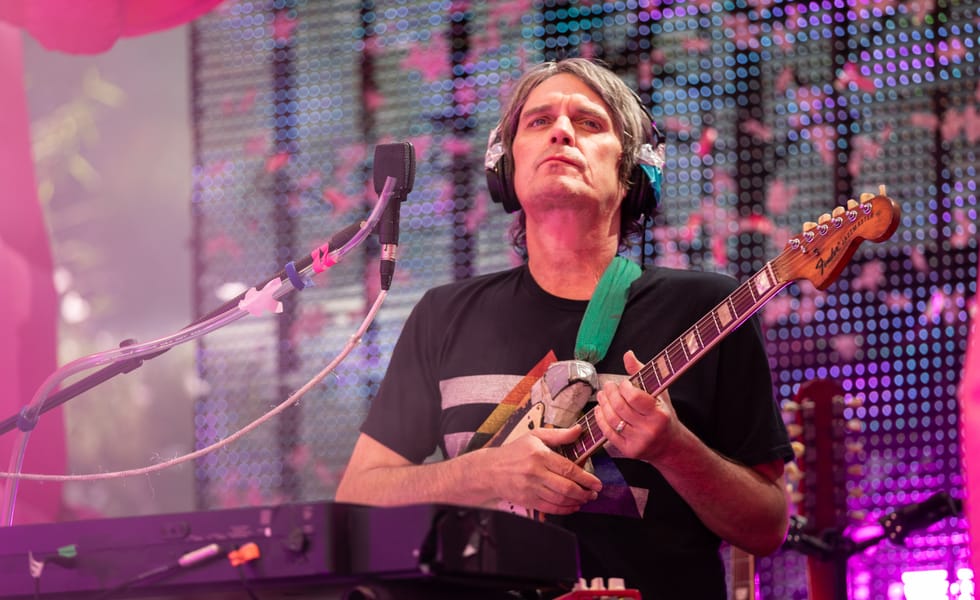
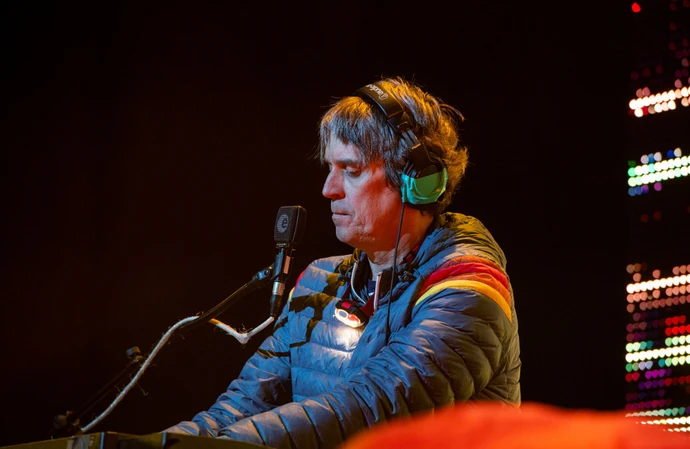
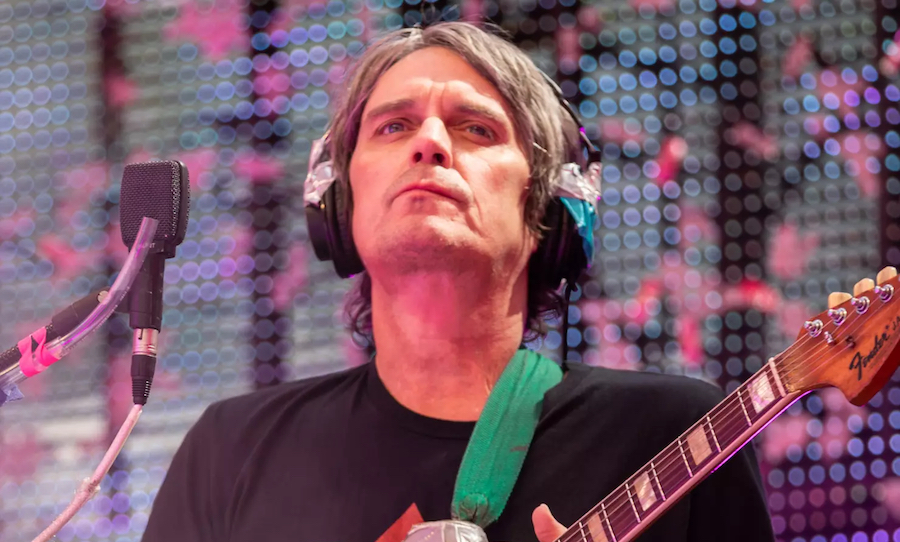
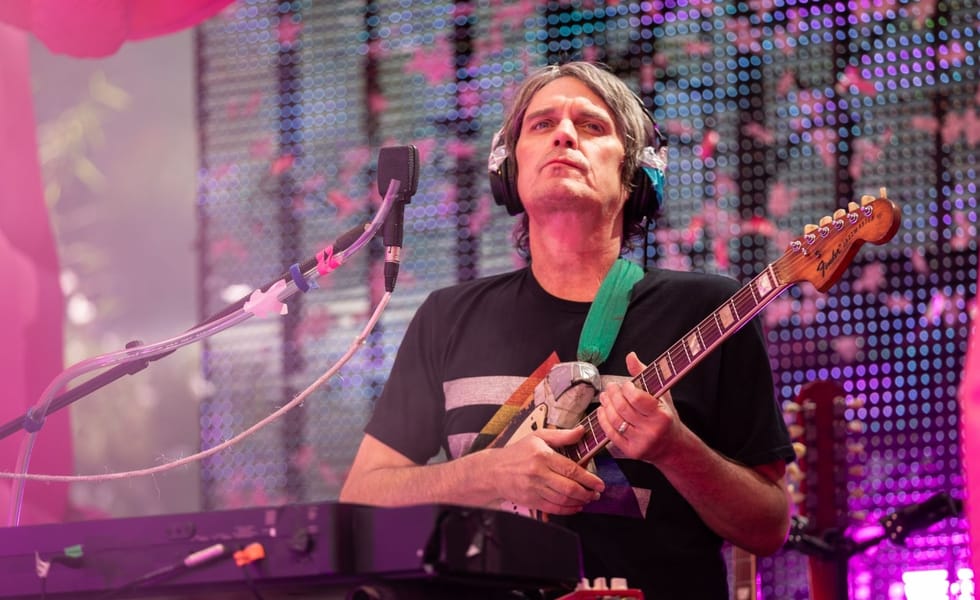
The Flaming Lips stand at a critical inflection point, navigating a profound internal transition that reveals the delicate ecosystem of long-term creative collaborations. The unexpected departure of Steven Drozd, a primary songwriter who has been integral to the band since 1991, signals more than a simple lineup change—it represents a strategic recalibration of the group's creative architecture.
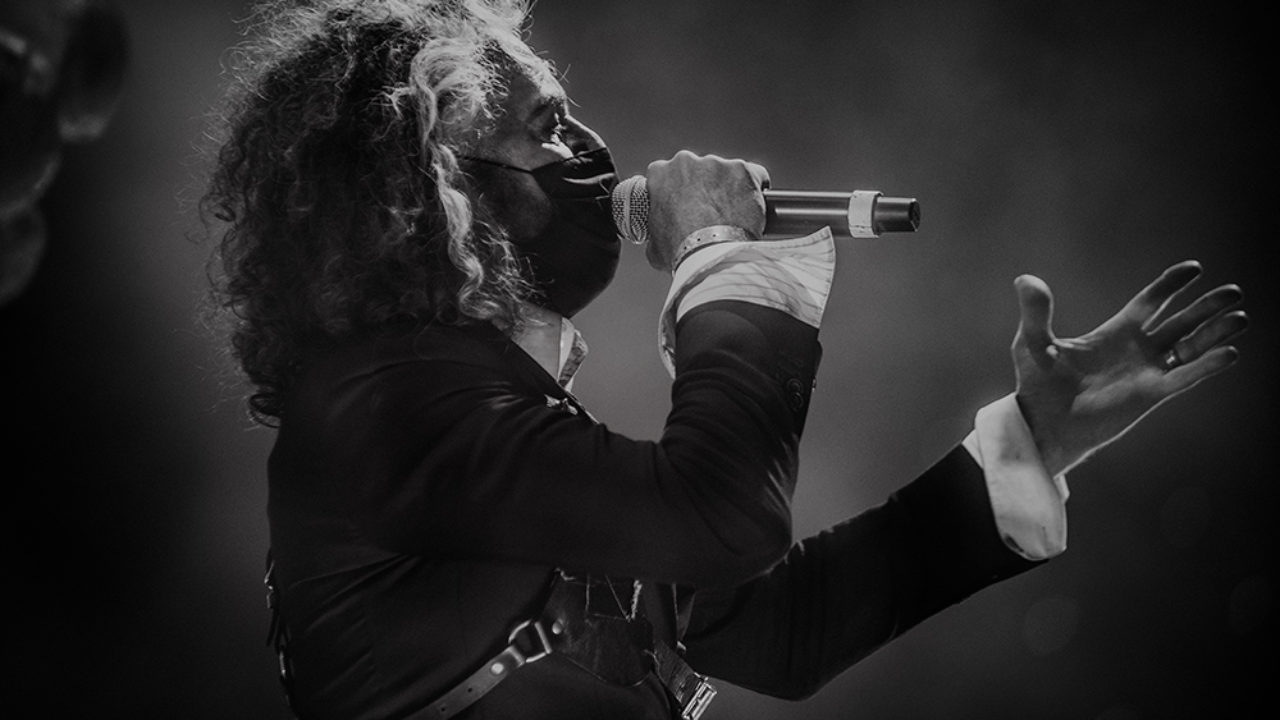
Drummer Matthew Duckworth Kirksey's robust defense of frontman Wayne Coyne suggests deeper tensions that have likely been brewing beneath the surface. By asserting that Coyne is "not just an artist" but a "key creative force," Kirksey is deliberately challenging the narrative that Drozd was the sole musical genius. This public repositioning indicates a calculated effort to reframe the band's creative narrative and protect their ongoing musical legacy.
The abrupt nature of Drozd's exit—captured in his candid Reddit statement "They're done with me"—hints at an involuntary separation that goes beyond typical band dynamics. With AJ Slaughter already performing Drozd's parts and Kirksey teasing that their upcoming music might be their "best work in years," The Flaming Lips are signaling resilience and a commitment to continuous reinvention.
This transition illuminates a critical pattern in creative industries: successful long-term collaborations require constant negotiation of individual contributions, collective identity, and evolving artistic vision. The band's ability to pivot quickly, bringing in new talent like Slaughter and maintaining performance momentum, demonstrates organizational adaptability that transcends individual member departures.
Strategically, this moment represents more than a personnel change—it's a deliberate recalibration of creative power dynamics, with Coyne emerging as the central gravitational force maintaining the band's distinctive psychedelic rock identity.
Questions 3
Why did Steven Drozd leave The Flaming Lips?
While the exact reasons remain unclear, Drozd's departure seems to involve complex internal dynamics. His candid Reddit comment 'They're done with me' suggests an involuntary separation, potentially stemming from creative differences or shifting band power structures.
How will The Flaming Lips continue without Steven Drozd?
The band appears confident in their transition, with drummer Matthew Duckworth Kirksey emphasizing their ongoing creativity. They've already integrated new guitarist AJ Slaughter and Kirksey claims their upcoming music might be their strongest work in years.