



Tech-Driven Market Resilience: How AI and Strategic Adaptation Reshaped 2025's Financial Landscape
- Unprecedented market performance driven by technological innovation and strategic financial repositioning























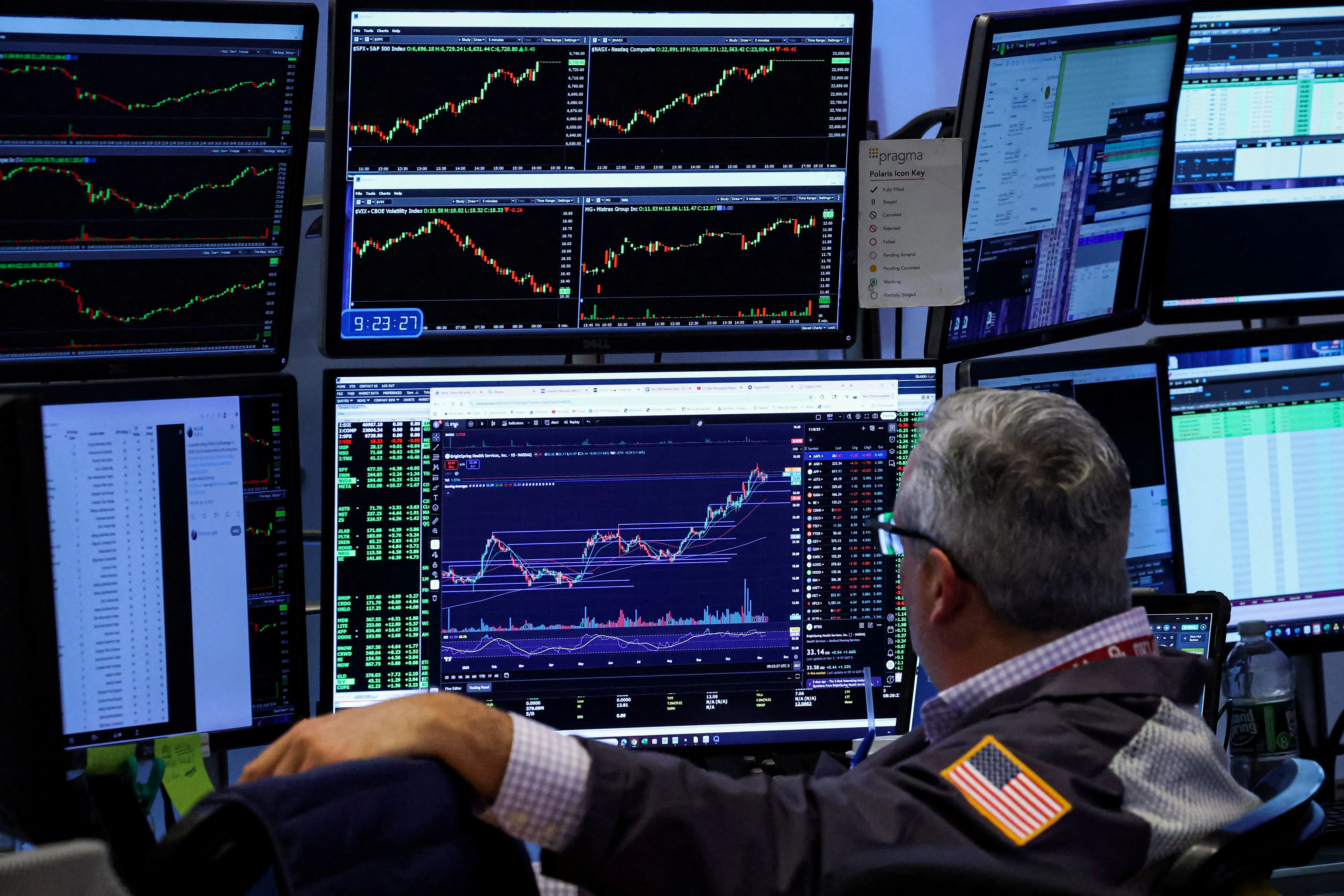




Overview
The 2025 financial landscape emerged as a testament to technological resilience and strategic market adaptation, with technology stocks serving as the primary engine of economic transformation. Despite initial market volatility, the U.S. stock market demonstrated remarkable recovery, surging over 16% for the year and an impressive 37% from its April low point.
Artificial intelligence stood at the epicenter of this financial renaissance, with companies like Nvidia dramatically reshaping market dynamics. Nvidia's market capitalization crossing the $3 trillion milestone symbolizes more than just corporate success—it represents a fundamental shift in how technological innovation drives economic value. The tech sector contributed nearly 40% of market returns, with companies like Alphabet delivering extraordinary 60% growth.
The year's financial narrative was characterized by what economists termed "robust animal spirits"—a period of heightened market confidence and speculative enthusiasm. Borrowing costs reached historically low levels, creating unprecedented access to capital for corporations globally. Asian emerging markets and U.S. investment-grade firms alike benefited from a lending environment reminiscent of the prosperous 1990s.
However, this optimism was tempered by nuanced economic indicators. The labor market showed signs of softening, with unemployment rising and job creation turning negative. Paradoxically, this weakness enabled the Federal Reserve to adopt more accommodative monetary policies, further fueling market optimism.
The strategic implications are profound. Wall Street demonstrated increasing sophistication, becoming more discerning about technological infrastructure investments. While AI and tech stocks dominated, the market signaled the importance of adaptable investment strategies. Sectors like utilities experienced renewed growth, driven by expanding AI and data center infrastructure demands.
For investors and strategists, the key takeaway is clear: technological innovation, particularly in AI, is no longer just a sector—it's a fundamental economic driver reshaping global financial landscapes. The ability to strategically position and rapidly adapt will be the defining characteristic of successful market participants in this new economic paradigm.
Questions 3
What were the key financial dynamics in 2025?
Unprecedented low borrowing costs, heightened market confidence, and technological innovation characterized the year. Emerging markets and U.S. corporations benefited from favorable capital access, while the tech sector demonstrated remarkable resilience and growth.
What investment strategies were most effective in 2025?
Successful strategies focused on technological innovation, particularly AI-related investments, while maintaining portfolio diversification. Investors who balanced tech exposure with adaptive strategies across sectors like utilities and emerging markets performed best.