



AI Integration Enters Stealth Mode: Google's Subtle Redesign of Messaging Creativity
- Incremental UI changes signal broader AI accessibility strategy for everyday communication tools






Overview
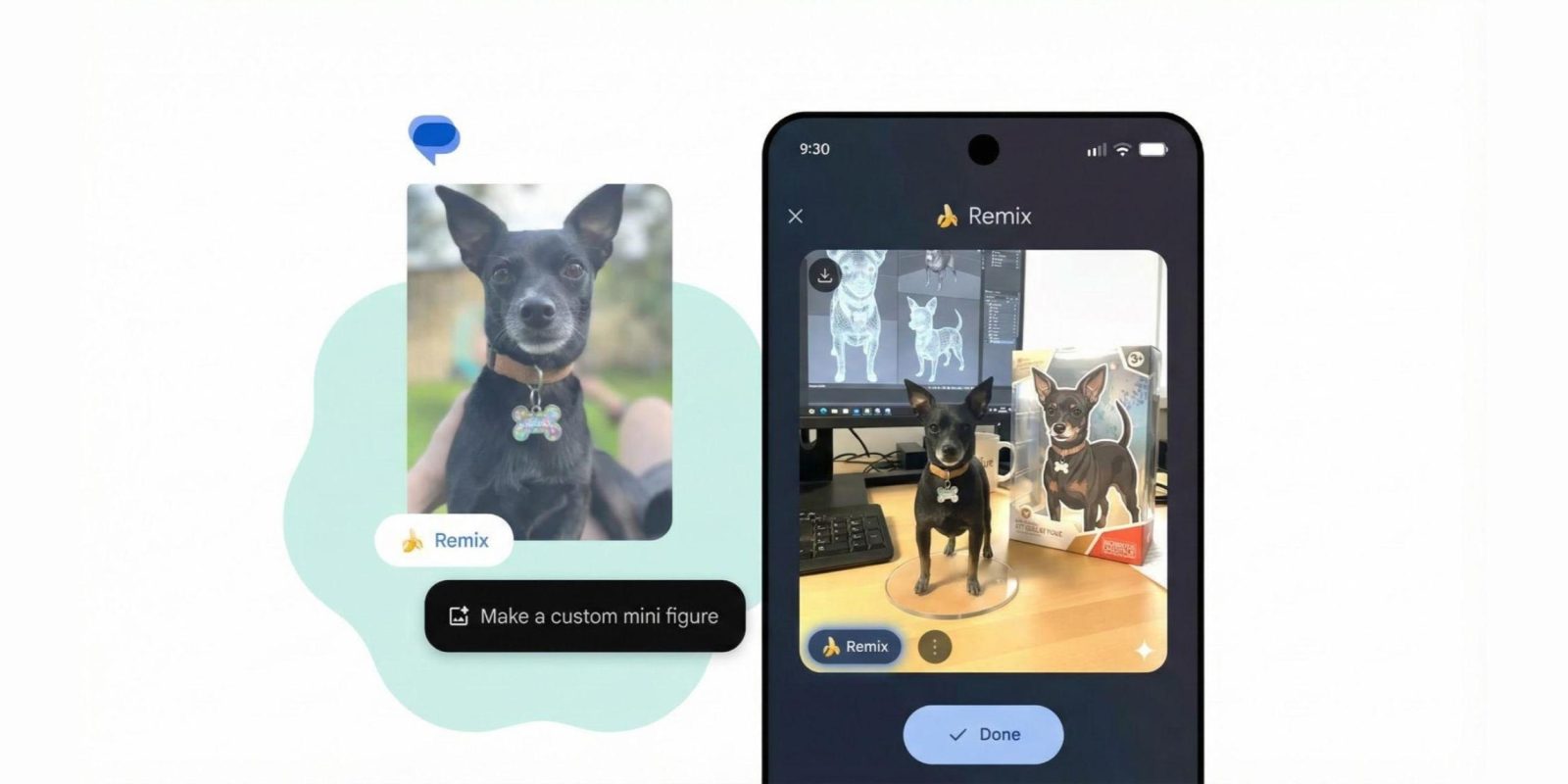
Artificial intelligence is quietly transforming user interfaces, with Google's recent modifications to the Nano Banana AI image generation tool in Messages revealing a strategic approach to making AI more intuitive and seamlessly integrated. The seemingly minor aesthetic changes—relocating the Remix button and replacing a playful banana emoji with a generic AI icon—represent a sophisticated evolution in user experience design.
Micro-interactions matter in the AI integration landscape. By subtly refining the Remix tool's interface, Google demonstrates a nuanced understanding of how users interact with emerging AI capabilities. The changes are not about radical transformation but incremental normalization. The smaller, less prominent button suggests a deliberate strategy of making AI features feel less novel and more utilitarian—transforming extraordinary technology into an ordinary communication tool.
This approach reflects a broader tech industry trend of AI democratization. Rather than positioning AI as a complex, intimidating technology, companies like Google are embedding intelligent features into everyday applications. The Nano Banana tool's integration directly within messaging represents a powerful model: AI should feel like a natural extension of communication, not a separate, complicated function. By simplifying access and reducing visual complexity, Google is essentially making AI feel more approachable and less alien.
The strategic implications are profound. As AI becomes more ubiquitous, its successful adoption depends not on technological complexity, but on intuitive design and seamless integration. These minor interface modifications signal a mature approach to technology adoption—where innovation is measured not by flashy features, but by how effortlessly new capabilities can be woven into existing user behaviors.
Questions 3
How does this update reflect broader trends in AI integration?
The update demonstrates the tech industry's move towards making AI more accessible and user-friendly. Instead of presenting AI as a complex, separate technology, companies are embedding intelligent features seamlessly into existing applications.
What specific changes did Google make to the Nano Banana AI tool?
Google modified the Remix button in Messages, making it smaller, less prominent, and replacing the banana emoji with a generic AI icon. The button was also relocated in the fullscreen image view, representing a subtle refinement of the user interface.