



Nintendo's Retail Renaissance: How Mario Kart World Reshapes Gaming Market Dynamics
- Emerging multi-platform strategies redefine cross-border gaming sales for e-commerce sellers





Overview
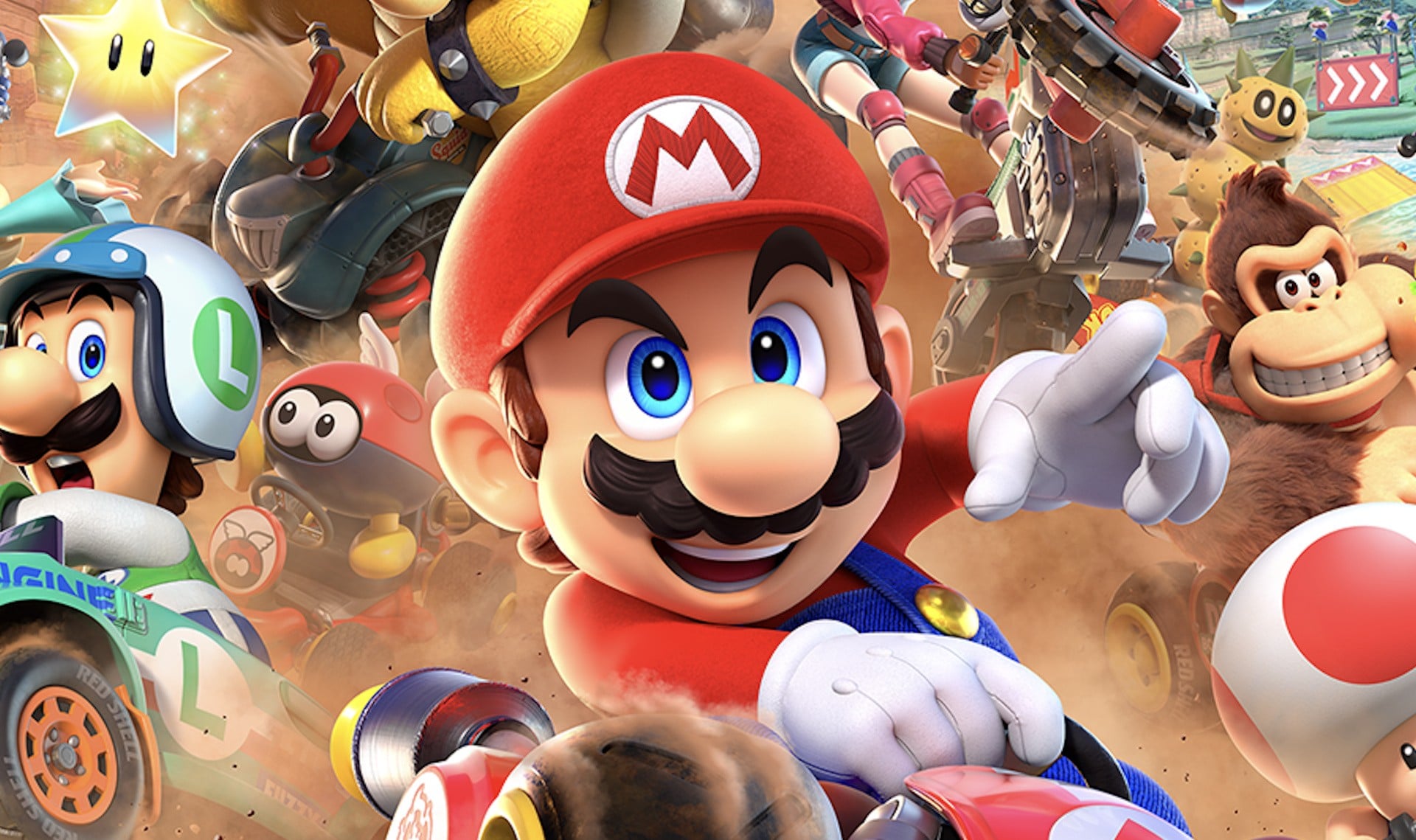
The global gaming market is experiencing a transformative moment, with Nintendo emerging as a strategic powerhouse that's rewriting the rules of digital and physical game distribution. Across key markets like the UK and France, Mario Kart World has become a pivotal indicator of broader industry shifts, demonstrating remarkable resilience and cross-platform appeal.
The data reveals a nuanced transition in gaming consumption. Nintendo's console sales surged 41% year-on-year, while competing platforms like PlayStation 5 and Xbox experienced significant declines (29% and 51% respectively). This isn't just a temporary fluctuation, but a structural realignment of consumer preferences. The Switch 2 launch provides a critical lens into this transformation, with platform-specific sales showing fascinating distribution patterns.
For cross-border e-commerce sellers, the implications are profound. Games like Pokémon Legends: Z-A showcase the potential of multi-platform strategies, with 66% of sales on Switch and 34% on Switch 2. Similarly, Metroid Prime 4: Beyond demonstrates the delicate balance of hardware transition, with a 73% to 27% split between new and legacy platforms. These numbers aren't just statistics—they're strategic roadmaps for inventory management and marketing approaches.
The competitive landscape is equally dynamic. While EA Sports FC 26 and Call of Duty: Black Ops 7 remain strong performers, Nintendo's ability to maintain six titles in the top ten suggests a deeper consumer loyalty. The upcoming Christmas competition looks particularly intriguing, with traditional frontrunners potentially facing serious challenge from Nintendo's robust portfolio.
Critically, this isn't just about game sales—it's about understanding evolving consumer behavior in digital entertainment. The market is signaling a preference for franchises that can seamlessly navigate platform transitions while maintaining core gameplay experiences. For sellers and distributors, the message is clear: flexibility, multi-platform presence, and deep understanding of franchise dynamics are becoming competitive necessities.
Questions 3
How are multi-platform strategies impacting game sales in 2025?
Multi-platform strategies are crucial, with games like Pokémon Legends: Z-A showing significant sales across Nintendo Switch and Switch 2. Sellers must now develop flexible inventory and marketing approaches that can adapt to rapidly evolving platform ecosystems.
What makes Nintendo's current market position unique?
Nintendo has achieved a 41% console sales growth while competitors declined, demonstrating strong brand loyalty and successful hardware-software integration. Their ability to maintain six titles in top sales charts indicates a robust ecosystem strategy.